


Table of contents
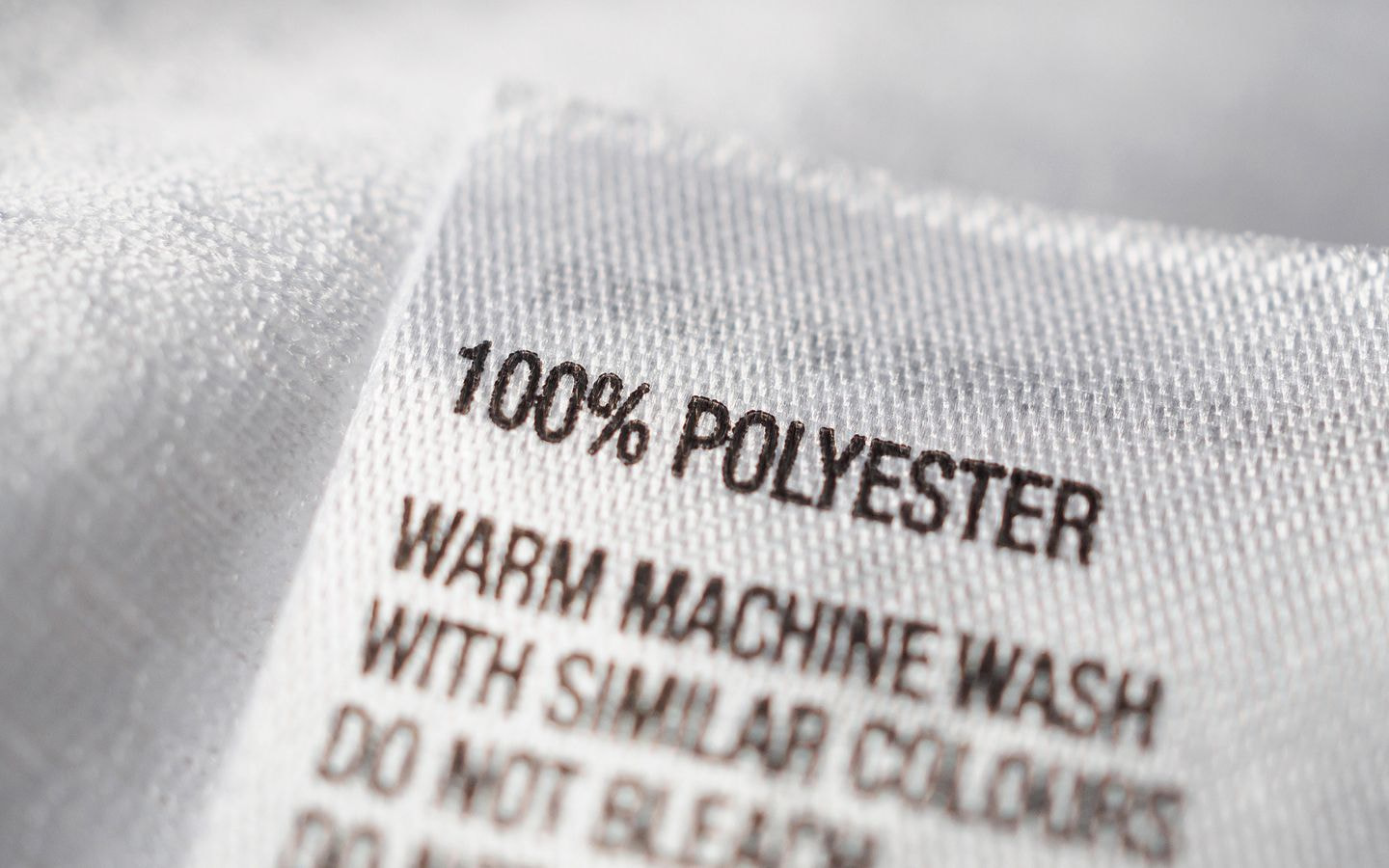
While pure polyester has almost no natural stretch, stretchy polyester exists everywhere, from leggings to swimwear. It comes down to two things – fabric construction and what the polyester gets blended with.
Here’s how each version behaves, and what that means if you plan to sell custom apparel.
Is polyester fabric stretchy? The short answer
Polyester is not naturally stretchy. It’s a synthetic fabric engineered for strength and shape retention. Polyester fibers have low elasticity compared to stretchy fibers like spandex or elastane, which recover their shape after being pulled.
Stretch in a polyester garment comes from one of two sources, and often both:
-
Mechanical stretch comes from how the fabric is built, not from the fiber itself. Knitted fabric made of interlocking loops flexes and recovers even when it contains zero elastic fibers.
-
Elastic stretch comes from blending polyester with fibers like spandex. Even a small percentage transforms how the finished garment moves.
So how stretchy polyester feels in your hands depends entirely on the version in front of you.
| Fabric type | Stretch level | Common uses |
|---|---|---|
| Woven pure polyester | Minimal to none | Jackets, bags, banners |
| Knitted pure polyester | Moderate mechanical stretch | T-shirts, jerseys, casual tops |
| Polyester spandex blend | High, four-way stretch | Leggings, swimwear, activewear |
| Polyester cotton blend | Slight, varies by construction | Everyday tees, hoodies |


What is polyester fabric made of?
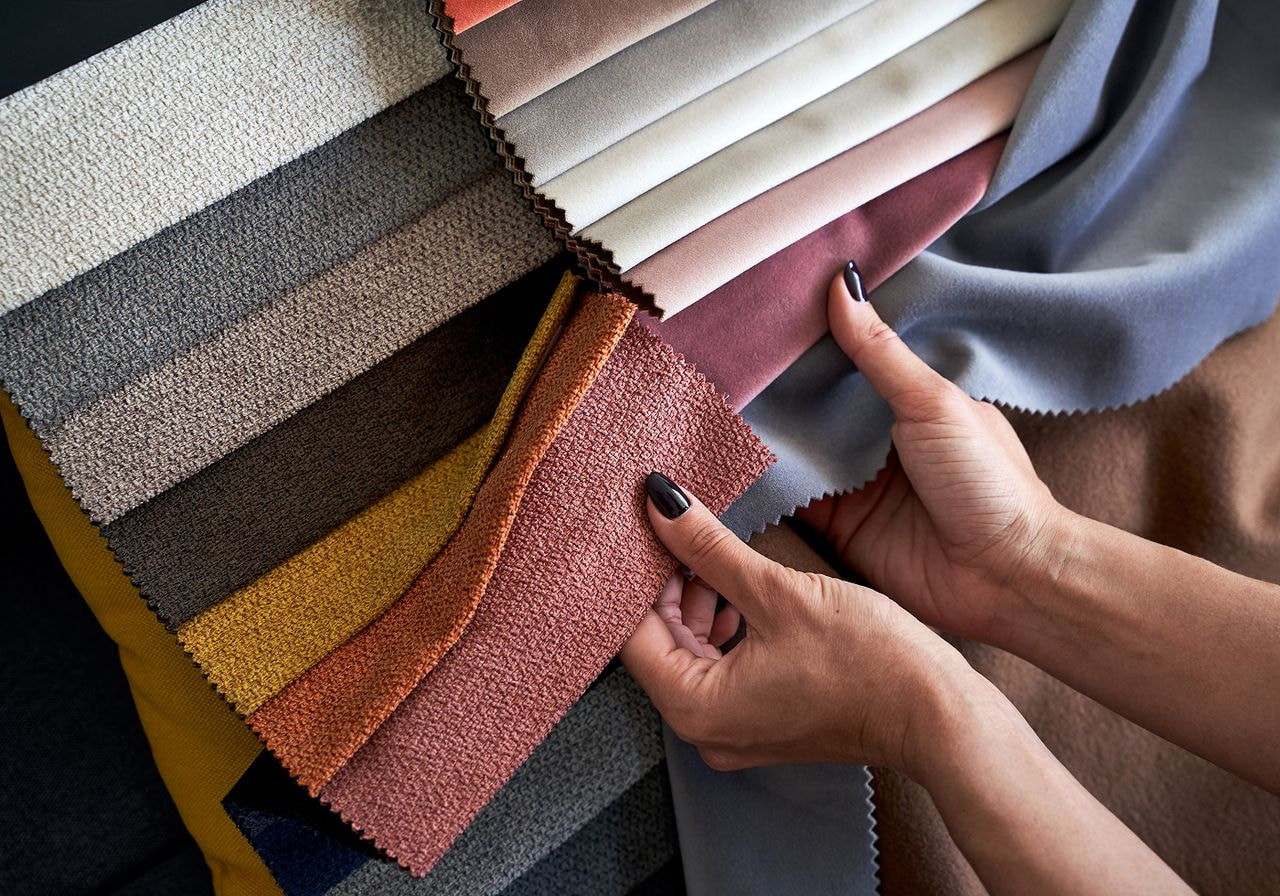
Polyester is a synthetic material made from petroleum-derived chemicals. The specific polymer used in clothing is polyethylene terephthalate, the same PET found in drink bottles. It’s produced by reacting ethylene glycol with dimethyl terephthalate or terephthalic acid.
That chemistry is why polyester behaves the way it does. The long, tightly packed molecular chains resist deformation, which delivers polyester’s durability and resistance to wrinkling, but also explains the lack of natural stretch.
New to the fiber? Our guide to what polyester is covers the material in more depth.
How polyester is produced
Polyester production follows a consistent sequence:
-
Raw materials are polymerized into PET and cooled into solid pellets
-
Pellets are melted at a high temperature
-
Molten polymer is extruded through a spinneret – a metal plate perforated like a sieve
-
Emerging filaments cool, solidify, and get drawn out to align the molecules
-
Filaments are spun into polyester yarn, ready for weaving or knitting
The drawing stage significantly impacts stretch. Stretching the filaments during production locks the molecular chains into a rigid alignment, which is exactly what gives polyester its strength and what limits its elasticity.
Recycled polyester and plastic waste
Recycled polyester is made from post-consumer plastic waste rather than virgin petroleum. Collected bottles are sorted into clear and dyed plastic streams, cleaned, shredded into flakes, and melted back into pellets that feed the same spinning process.
Recycled plastics produce fibers with properties close to virgin polyester, including comparable strength and the same limited natural stretch. But using recycled feedstock reduces reliance on virgin fossil resources for the fiber itself.
Why pure polyester has limited stretch

Polyester fibers and how they behave
Polyester fibers recover poorly from sustained tension. Pull a pure polyester woven fabric, and it resists, then holds the deformation rather than snapping back. This is the opposite of elastane, which returns to its original length repeatedly.
Unlike a natural fabric such as wool, which has a natural crimp that provides some give, polyester offers no built-in flex at the fiber level. What it offers instead is dimensional stability – the garment stays the shape it was cut in, wash after wash.
Mechanical stretch versus elastic stretch
Mechanical stretch refers to flexibility created by the fabric structure rather than elastic fibers. A knit loop can elongate because the loops shift and redistribute, then return when tension releases.
Elastic stretch is different. It’s a property of the fiber, delivered by adding a small percentage of an elastic fabric component. This distinction explains why two garments both labeled 100% polyester can feel completely different.
Woven versus knitted polyester fabrics
Fabric construction determines stretch more than most people realize. Two fabrics made from identical polyester yarn behave in opposite ways depending on how that yarn is assembled.
Woven polyester fabrics
Woven polyester fabrics are built from yarns crossing at right angles in a fixed grid. That structure creates a stable, firm surface with almost no give along the grain. Woven fabrics like polyester twill, taffeta, and canvas hold their structure well – ideal for tote bags, outerwear shells, and structured garments.
Woven polyester does offer slight diagonal give on the bias, but it’s not a functional stretch for the wearer.
Knitted polyester fabrics
Knitted polyester fabrics are made from a single yarn forming rows of interlocking loops. Those loops can elongate and recover, producing genuine mechanical stretch without any elastic fiber present.
This is why a polyester jersey t-shirt moves comfortably, while a woven polyester shirt in the same fiber does not. Jersey, interlock, and rib knits all deliver varying degrees of flexibility depending on loop density.
How fabric thickness affects stretch
Thicker polyester fabrics stretch less than thinner ones. Heavier weights pack more yarn into the same area, restricting how far loops can shift before the structure resists.
A lightweight performance knit will flex noticeably more than a heavyweight fleece made from the same fiber. When sourcing blanks, check fabric weight in grams per square meter along with the fiber content.
Types of polyester blends and how much they stretch
Blending polyester with other fibers is the standard way to add stretch, softness, or drape. Common polyester blends pair synthetic and natural fibers, or synthetic fibers with each other, to solve what pure polyester can’t.
Polyester-spandex blend
A polyester-spandex blend delivers the most stretch of any common polyester fabric. Blending 2% to 5% spandex with polyester produces a dramatic change in elasticity while keeping polyester’s durability and shape retention.
This is the staple of activewear and swimwear. A 95% polyester and 5% spandex construction gives four-way stretch that moves in every direction and recovers fully, which is why it dominates leggings, sports bras, and compression garments.
Polyester-cotton blend
Poly-cotton blends combine polyester’s durability with the natural comfort of cotton fibers. A polyester-cotton blend stretches less than polyester-spandex, but knitted poly cotton still offers comfortable mechanical give.
Typical ratios range from 50/50 to 65/35. Higher polyester content improves wrinkle resistance and shrink resistance, while higher cotton content improves softness and breathability.
Polyester-rayon blend
A polyester-rayon blend adds drape and a silky hand that pure polyester lacks. Rayon flows and falls softly, softening polyester’s stiffness in dresses, blouses, and lightweight tops.
Stretch remains limited unless spandex joins the mix, which is common in tri-blend fabrics.
Polyester-wool blend
Polyester-wool blends bring together wool’s natural stretch and thermal performance with polyester’s durability and resistance to wrinkling. Wool’s crimped structure provides genuine elasticity, so these blended fabrics recover their shape well.
Suits, trousers, and outerwear frequently use this pairing.
Polyester-linen blend
A polyester-linen blend retains linen’s crisp texture and breathability while reducing the wrinkling linen is notorious for. Stretch is minimal in this combination, since neither fiber provides much give.
This blend suits warm-weather woven garments where structure matters more than flexibility.
Polyester vs natural fabrics
Polyester and natural fabrics solve different problems, and understanding the tradeoff helps you choose blanks with intent.
-
Stretch: Natural fibers vary widely. Wool has natural stretch, cotton has very little, and linen has almost none. Knitted construction is what gives cotton jersey its flexibility, similar to polyester.
-
Durability: Polyester’s durability exceeds most natural fibers. It resists abrasion, stretching out of shape, and fading.
-
Moisture: Polyester wicks moisture to the surface rather than absorbing it. Cotton absorbs and holds it.
-
Wrinkling: Polyester is wrinkle-resistant by nature. Cotton and linen are not.
-
Breathability: Natural fabrics generally breathe better, though poly-blend performance knits close much of that gap.
Polyester is a versatile fabric precisely because blending addresses its weaknesses while keeping its strengths intact.
What to make with stretchy polyester
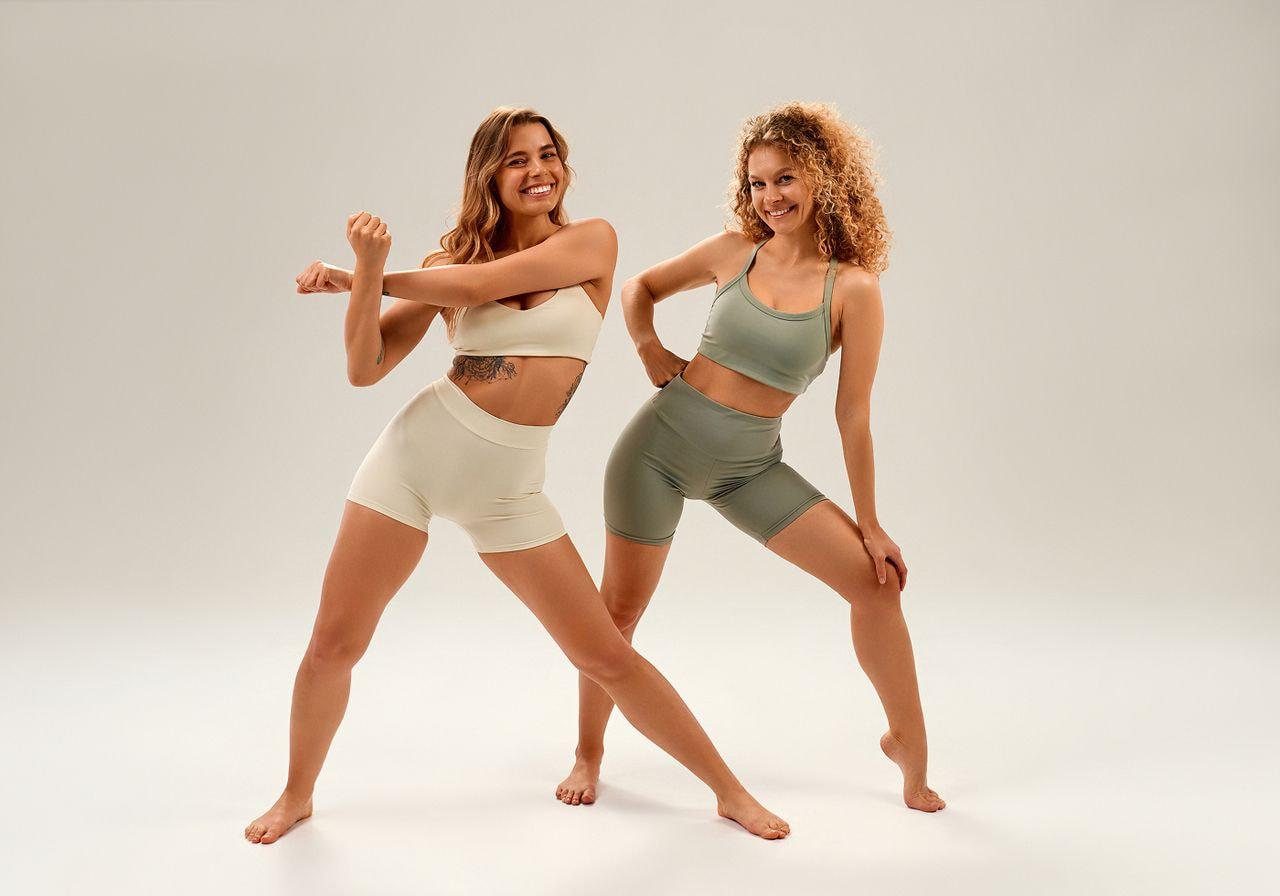
Stretchy polyester clothes span a wide product range, and each category calls for a different blend.
Activewear and yoga pants
Activewear demands recovery, not just stretch. Yoga pants, custom leggings, and running tights use polyester spandex because the fabric must flex through deep movement and return to shape without sagging at the knees.
Moisture-wicking properties matter equally here. Polyester’s structure pulls sweat away from the skin toward the fabric surface, where it evaporates, which is why performance apparel rarely uses pure cotton.
Swimwear
Swimwear relies on a flexible fabric that holds its shape when wet and can withstand chlorine and salt. Polyester-elastane blends handle this better than nylon alternatives and keep printed colors sharp over time.
T-shirts and everyday wear
Polyester t-shirts and blended tees dominate casual apparel for practical reasons – they hold prints well, resist shrinking, and keep their shape through repeated washing. Tri-blends add rayon for drape, while poly cotton delivers a more structured feel.
Polyester satin products
Polyester satin is a woven fabric with a glossy face and matte reverse, produced using a satin weave rather than a distinct fiber. Polyester satin has minimal stretch, which makes it ideal for scrunchies, scarves, pillowcases, and linings where drape matters more than flex.
Why polyester works for Print on Demand
Polyester gives print-on-demand sellers access to product types and printing options that go beyond everyday cotton apparel.
Great for all-over print designs
AOP is where polyester genuinely outperforms everything else.
With sublimation printing, ink bonds with the fibers instead of sitting on the surface. Since the print becomes part of the synthetic fabric itself, it won’t crack, peel, or fade with washing.
This makes it a strong choice for vibrant, seam-to-seam designs on products like jerseys, leggings, and other all-over print apparel.
Better for activewear
Polyester garments resist shrinking, stretching, and pilling, and their moisture-wicking properties make polyester the default for any product a customer will sweat in.
For merchants building activewear lines, this means more opportunities to branch into performance-focused products across niches like running, gym wear, team sports, and athleisure.
How polyester takes print
Polyester holds vivid, long-lasting color better than most natural fibers, and almost every POD decoration method works on it:
-
All-over print (AOP) for designs across the full garment
-
DTFlex for sharp, flexible transfers with crisp detail
-
Embroidery for stitched logos and textured branding
Polyester-blend fabrics broaden your options further. Poly cotton takes direct-to-garment (DTG) printing beautifully while retaining polyester’s wrinkle resistance, making these versatile materials a practical pick for print-on-demand sellers who want one blank that handles several print styles.


How to stretch polyester garments
Unlike natural fabrics, polyester resists permanent reshaping by design. But polyester garments can be stretched slightly, though results are often minimal and temporary.
-
Warm water soak: Submerge the garment in lukewarm water for 30 minutes to relax the fibers, then gently pull it in the desired direction while damp.
-
Steam and stretch: Apply steam from a distance, then stretch the warm fabric by hand.
-
Wear it damp: For a garment that’s slightly snug, wearing it while damp lets it mold marginally to your shape.
-
Low-heat tumble: A brief low-heat cycle can loosen fibers enough for gentle manual stretching afterward.
Just remember to never use high heat. Polyester can melt and distort rather than soften, and the damage is permanent.
How to care for polyester clothing
Proper care preserves both stretch and appearance in polyester clothes.
-
Wash in cold water to maintain elasticity, especially in spandex blends where heat degrades the elastic fibers.
-
Use a gentle detergent formulated for delicate fabrics.
-
Skip fabric softener, which leaves residue that coats fibers and reduces moisture wicking.
-
Tumble dry on low or hang dry to prevent shrinkage and heat damage.
-
Iron on the lowest setting, ideally with a pressing cloth between the iron and the fabric.
-
Turn printed garments inside out before washing to protect the design.
Create custom polyester apparel with Printful
At Printful, we fulfill your custom polyester apparel at our own facilities worldwide for consistent quality, even as your order volume grows.
Our Catalog spans performance activewear, all-over print tees, swimwear, and polyester-blend basics. We list the fiber content and fabric weight on every product page so you can match the blend to the stretch your design requires.
Use our free Design Maker, connect your store, and we’ll print and ship every order on demand with no inventory or minimums.
Is polyester stretchy: FAQ
Size according to the blend. Pure polyester and woven polyester have minimal give, so size up if you're between sizes. Polyester-spandex blends count as stretchy fabrics and can accommodate movement, so your usual size typically fits well.
Always check the product's size chart, since cuts vary by manufacturer.
How polyester fits depend on fabric construction, not the fiber. Woven polyester holds its cut precisely and feels structured. Knitted polyester moves with the body and feels more relaxed.
Polyester-spandex blends fit snugly by design, which is why they dominate the activewear and swimwear categories.
Yes, significantly. A 95% polyester and 5% spandex blend delivers four-way stretch that flexes in every direction and recovers fully.
That small spandex percentage is enough to transform a rigid fabric into one suitable for leggings, compression wear, and swimwear while retaining polyester's durability.
Polyester does neither easily. The fiber resists permanent stretching and shrinking during normal wash cycles, which is why polyester garments hold their shape longer than cotton garments.
High heat is the exception – excessive dryer heat can cause slight shrinkage and permanently damage the fibers.
Polyester doesn't inherently run small, but it might feel that way because of the lack of natural stretch.
The fit itself varies by construction. Woven polyester feels tighter because it doesn't give, while knits feel truer to size. Check each product's measurements, since sizing differs between manufacturers far more than between fabric types.
Neither fiber is naturally stretchy, and both rely on knit construction for give. Cotton jersey and polyester jersey stretch similarly, though polyester recovers its shape better after stretching. Cotton tends to stay stretched out over time, while polyester springs back more reliably.
Polyester is known for its durability, but it also depends on the fiber content and construction.
Pure polyester and woven polyester resist abrasion, shrinking, and fading better than most natural options, and stay wrinkle-resistant through repeated washing.
Polyester blend fabrics vary. Mixing polyester with spandex or elastane adds stretch but slightly shortens lifespan, since elastic fibers degrade faster under heat.
Final thoughts
Is polyester stretchy? Only when it's built to be. Pure polyester fabrics resist stretching by design, knitted polyester adds mechanical flexibility through its loop structure, and blending polyester with spandex or elastane creates genuine elasticity.
For anyone selling custom apparel, the practical takeaway is simple – read the fiber content and the fabric construction together, because different types of polyester behave in completely different ways. Match the blend to how the garment will be worn, and the fabric does the rest.

By Baiba Blain
With 7+ years of experience in translation and creative writing, Baiba now leads a squad of talented writers, balancing research-backed storytelling with team guidance, quality assurance, and SEO processes. Outside of work, she enjoys exploring old castles, spontaneous road trips, and talking back to her cats. 10/10 arguments won so far.

