



Table of contents
Starting a hat business is easier than ever, especially with Print on Demand. This guide covers how to start a hat business step by step, from choosing a niche and designing custom hats to setting up your store and finding your first customers.
How to start a hat business in 7 steps
Ready to turn your idea into a hat business? These seven steps will help you make key decisions, avoid common mistakes, and prepare for a successful launch.

1. Choose your niche and target audience
The global hat market was worth more than $11 billion in 2025 and is expected to keep growing over the next decade. That means more opportunities, but also more competition, so having a clear niche is more important than ever.
A clear niche helps you create products for a specific audience rather than trying to appeal to everyone. Think about who your ideal customers are, what interests they share, and why they'd buy a hat in the first place. Your target audience could be hikers, gamers, pet lovers, small businesses, or fans of a particular hobby or lifestyle.
Choosing a specific niche makes it easier to shape your brand, build a hat line that your target customers connect with, and promote your business.
2. Pick hat styles
Once you've identified your niche and target audience, choose one or two hat styles that best match your brand. Starting with a small product range lets you test designs, gather feedback, and grow your hat line over time.
Custom 5-panel hats feature a structured five-panel crown with a modern, minimalist look. They're a popular choice for streetwear brands, artists, and lifestyle collections that favor clean, contemporary designs.
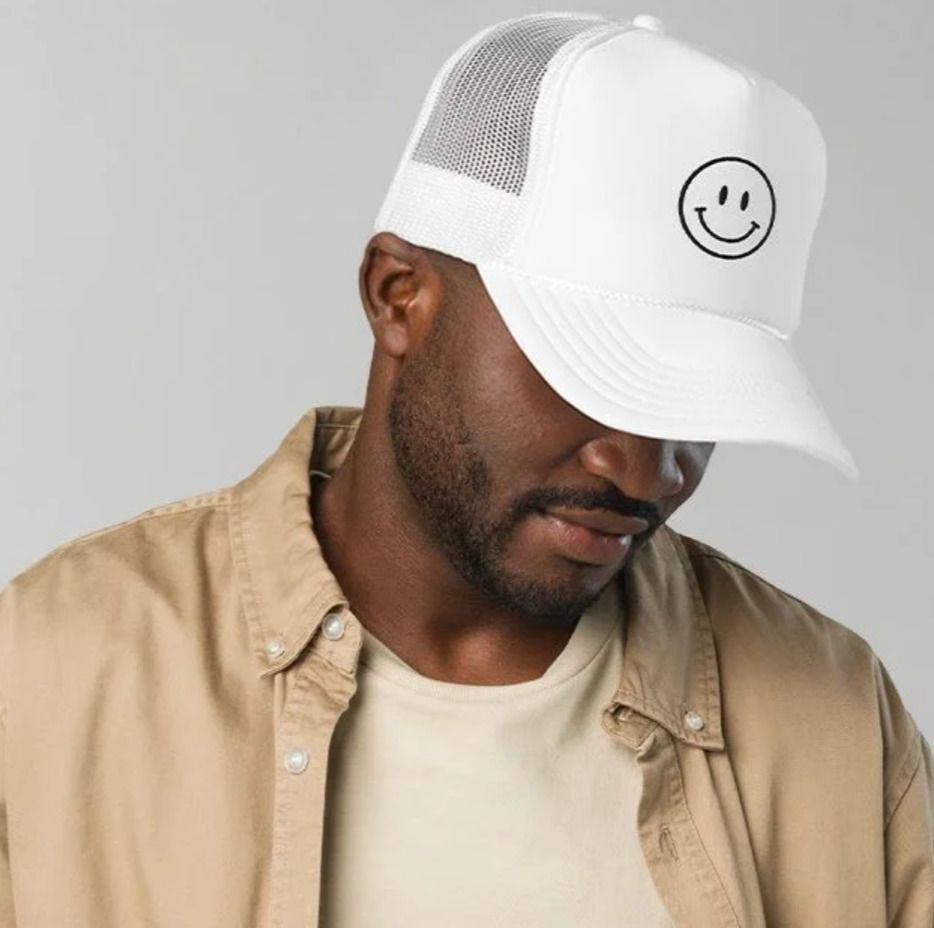
Custom beanies are soft, close-fitting knit hats made for warmth and everyday comfort. They're ideal for winter collections, outdoor brands, travel, and casual apparel. Depending on the product, Printful offers beanies with embroidery or all-over print.
Custom dad hats have an unstructured crown, curved brim, and relaxed fit that never goes out of style. As a classic baseball cap style, they pair well with minimalist brands, company merchandise, creator merch, and everyday wear.
Read more:

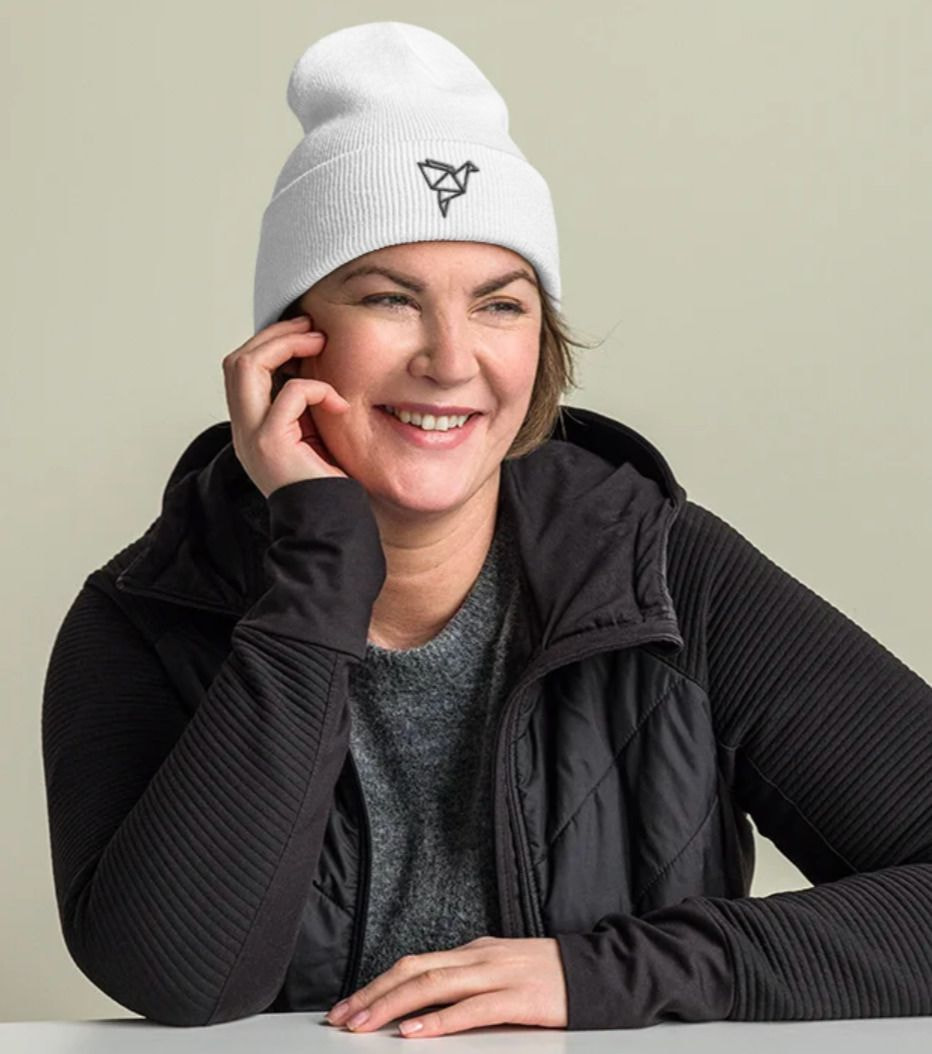
Custom bucket hats are known for their soft crown and wide, downward-sloping brim. Once associated mainly with outdoor activities, they're now a fashion staple. As consumers increasingly look for headwear that complements both casual and luxury fashion, branded and customizable bucket hats continue to grow in popularity.
Read more: 12 Bucket hat design ideas to inspire
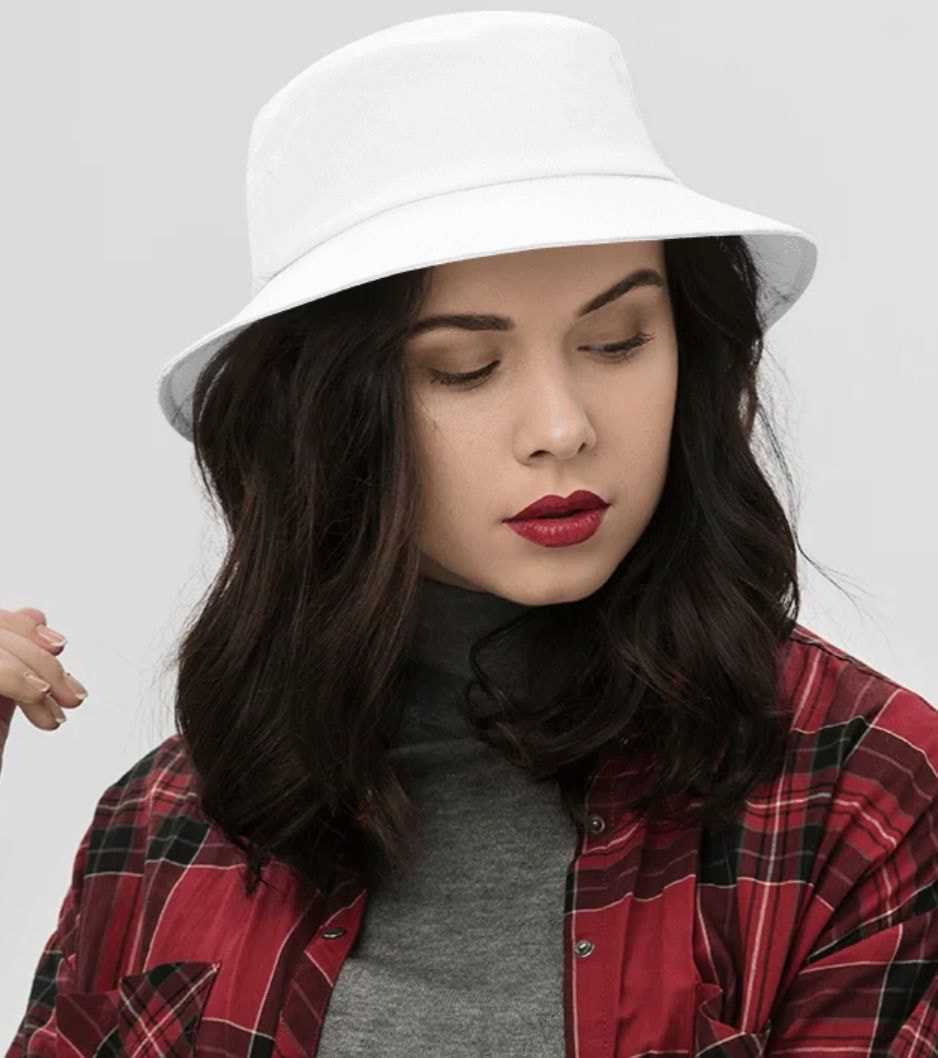
Custom trucker hats combine a structured front panel with breathable mesh backing, making them a favorite for outdoor brands, sports enthusiasts, and workwear. They're also expected to see strong growth in the coming years as sports and outdoor activities become more popular, while athleisure continues to influence everyday fashion.
Read more:
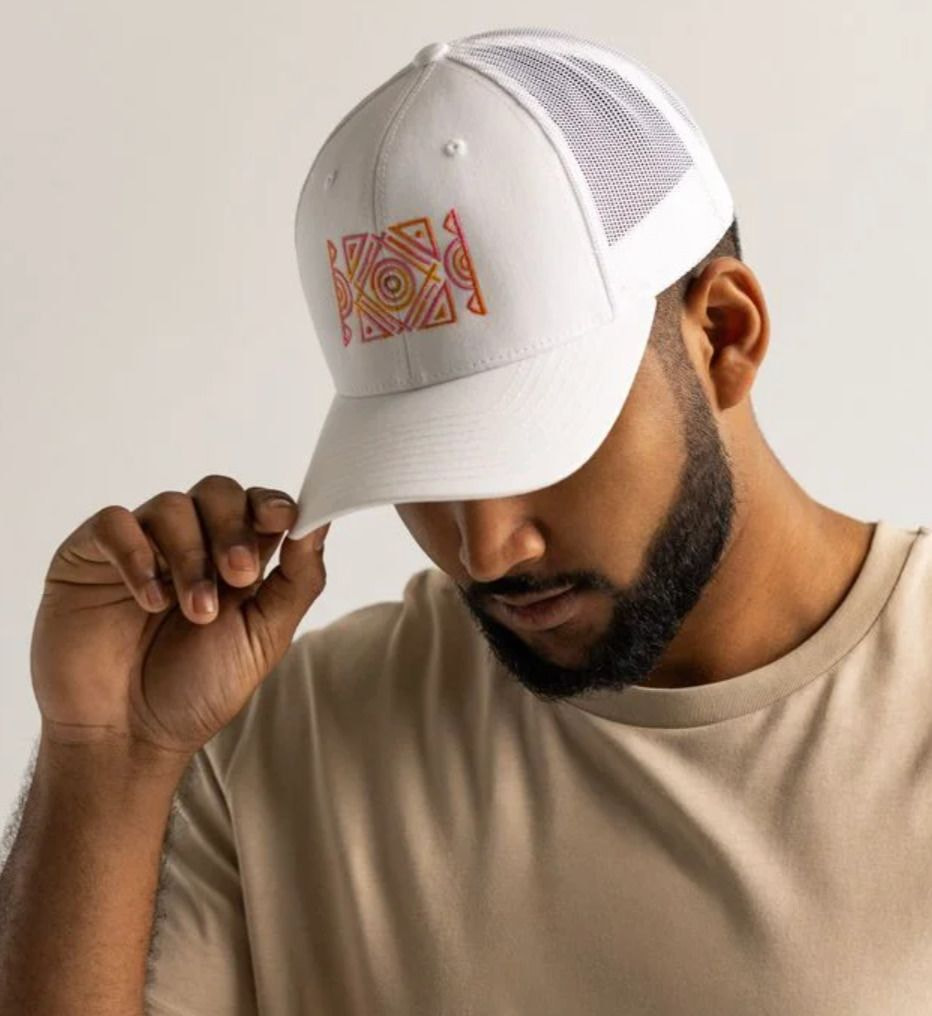
Custom snapbacks feature a flat brim, structured crown, and adjustable snap closure for a bold, modern look. They're a natural fit for streetwear brands, sports-inspired collections, and eye-catching logo designs.
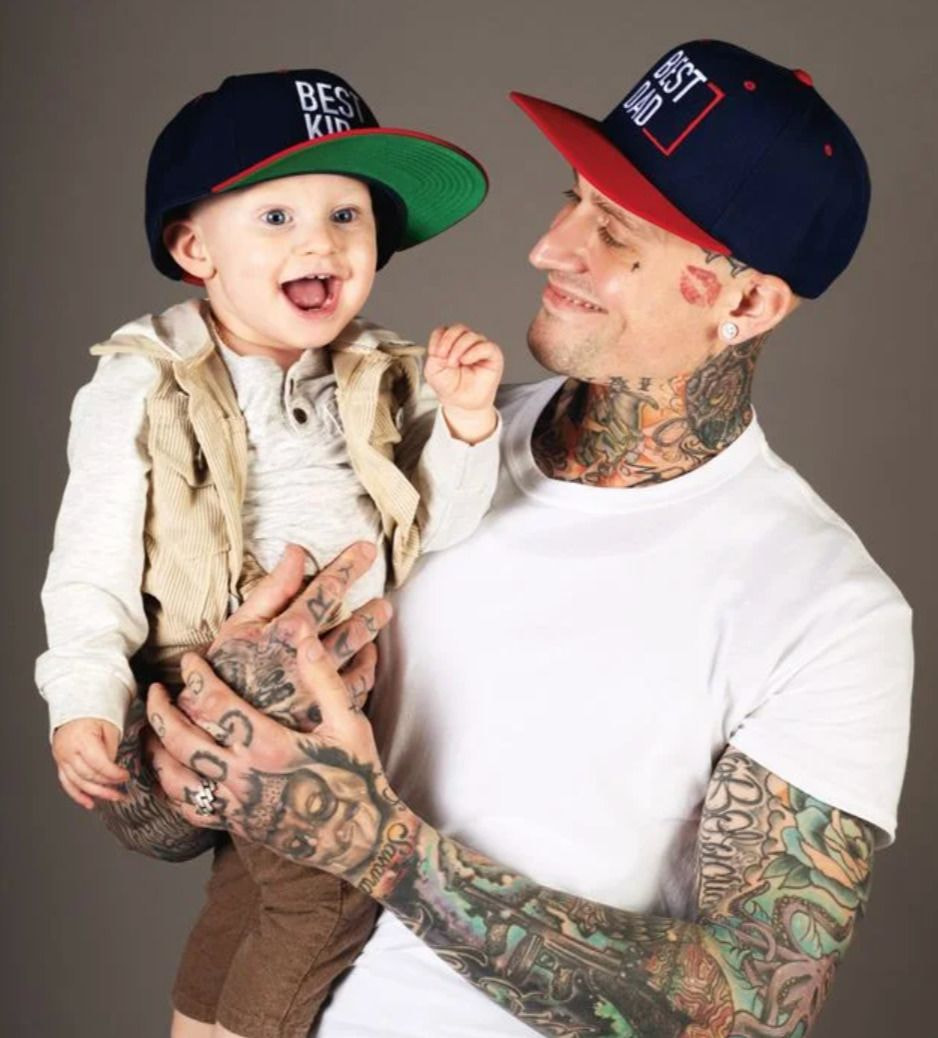
Custom visors leave the top of the head uncovered while providing sun protection with a curved brim. They're commonly worn for golf, tennis, running, and other outdoor sports. Like trucker hats, visors are expected to benefit from the continued growth in sports participation, outdoor recreation, and athleisure-inspired fashion.

3. Choose a reliable production partner
If you don't want to make hats yourself, you can use a third-party supplier to handle production and fulfillment. Two of the most common business models are Print on Demand and dropshipping.
Print on Demand (POD) lets you sell custom hats without buying inventory upfront. Your designs are printed or embroidered onto blank products only after a customer places an order, and the provider takes care of production, packing, and shipping.
Dropshipping, on the other hand, focuses on selling ready-made products sourced from a supplier. Since these items aren't customized, you'll often compete with other businesses selling the same products.
For a custom hat business, POD gives you more opportunities to build a recognizable brand than traditional dropshipping. Printful makes it easy to get started with a free account, 229 embroidery-ready products, and 589 customizable items for future expansion.
Printful's in-house fulfillment facilities help deliver consistent quality from one order to the next. As of 2026, it has delivered more than 147542598 items worldwide, giving sellers a production partner with proven experience.
Need a visual walkthrough? Watch this video to see how Printful works.

4. Create your hat designs
You don't need to be a professional designer to make great hat designs. Tools like Adobe Illustrator, Canva, Procreate, and Affinity Designer are popular for creating logos, text-based graphics, and illustrations. Pick the hat design software that fits your creative process and skill level, then start sketching ideas that reflect your brand and appeal to your target market.
Match the design to the decoration method. Every hat style has different customization options. Embroidery works well for logos, icons, bold text, and simple artwork, while all-over print (AOP) gives you more freedom to create detailed illustrations, repeating patterns, and edge-to-edge designs.
Did you know?
Printful's unlimited-color embroidery brings intricate logos, gradients, and detailed artwork to life with true-to-life thread colors, opening up more creative possibilities than traditional embroidery methods.
Before finalizing your design, check Printful's hat logo size guide to understand the recommended dimensions and placement for each product.
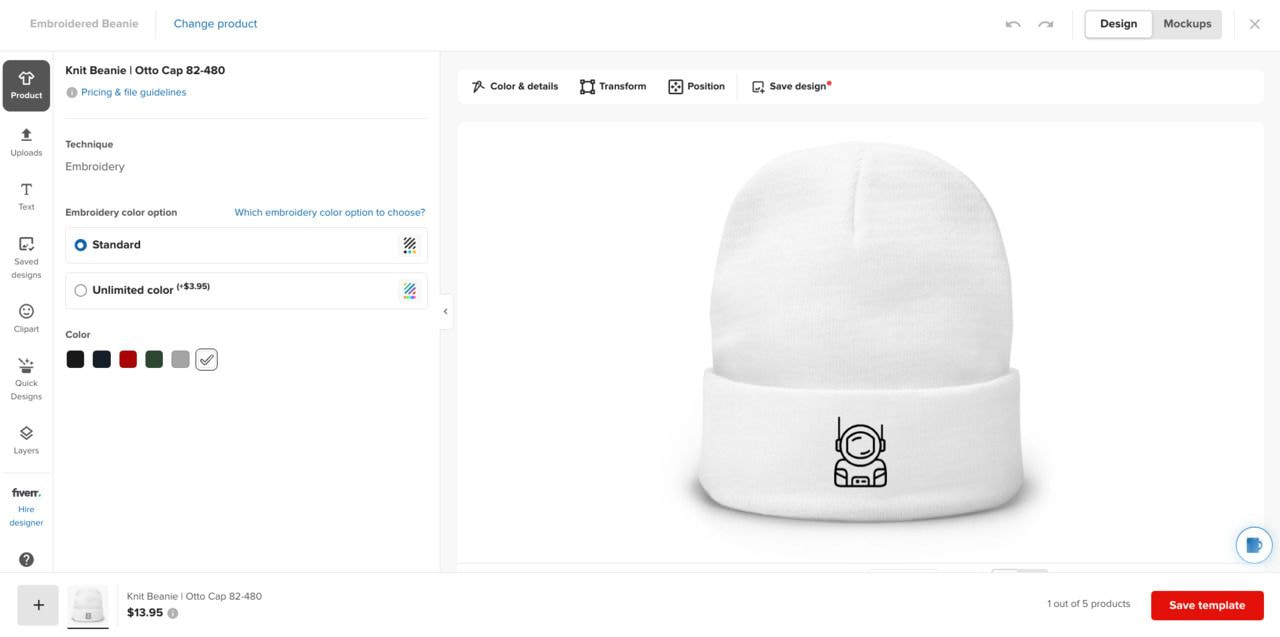
If you're using Printful, the free Design Maker lets you upload artwork, add text, preview your custom designs, and see how they'll look on different products. Once you're happy with the result, you can publish the item to your online store or order a sample right away – no need to import and export files between different platforms.
Create designs that reflect your own hat brand, not someone else's work. Avoid copying copyrighted artwork, logos, characters, or graphics, even if you find them on social media or online marketplaces. If a design catches your eye, treat it as inspiration and make your own version instead.
You can also give customers a chance to personalize your products. Watch this video to learn how Etsy and Shopify sellers can enable personalization for Printful products.
Before publishing a product, make sure you have the right to use any artwork, fonts, or logos included in your design. Original artwork helps build a stronger hat brand, earns the trust of potential customers, and gives people a reason to choose your products.
See our Acceptable Content Guidelines for more information on what you can print and sell with Printful.
Read more: Copyright vs trademark: What every creator needs to know
5. Develop your brand
Your brand is more than a logo or business name. It's how people recognize your hat business and remember you after buying. A clear brand identity helps you stand out in a growing hat industry and gives customers a reason to choose your products over similar options.
Define your brand identity. Think about the look and personality you want your hat brand to convey. Choose a logo, color palette, typography, and tone of voice that reflect your target market and your brand's values. Keep these elements consistent across your website, product listings, and marketing materials.
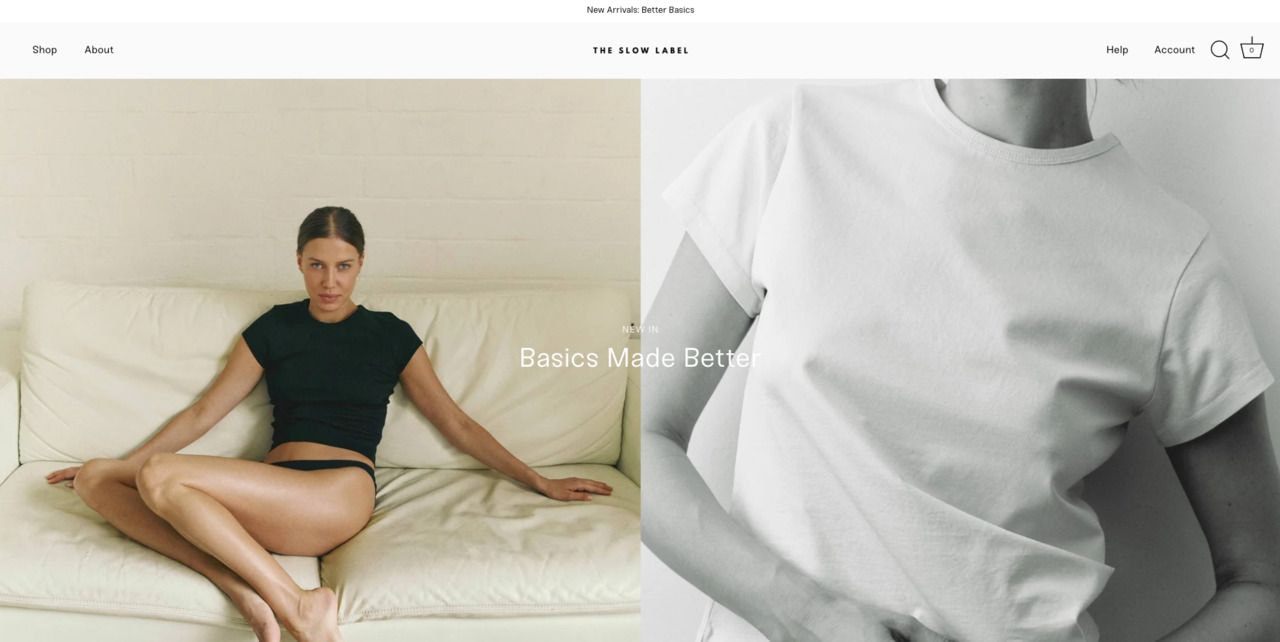
The Slow Label, for example, builds its identity around timeless wardrobe essentials and minimalism. Its clean typography, black-and-white color palette, and understated designs all reinforce the same message. Aim for that level of consistency so your hat brand is easy to recognize across every customer touchpoint.
Tell your brand's story. People connect with businesses that have a purpose. Share why you started your hat business, what inspires your designs, and what makes your products different. A clear story helps future customers remember your business and build a stronger connection with your brand.
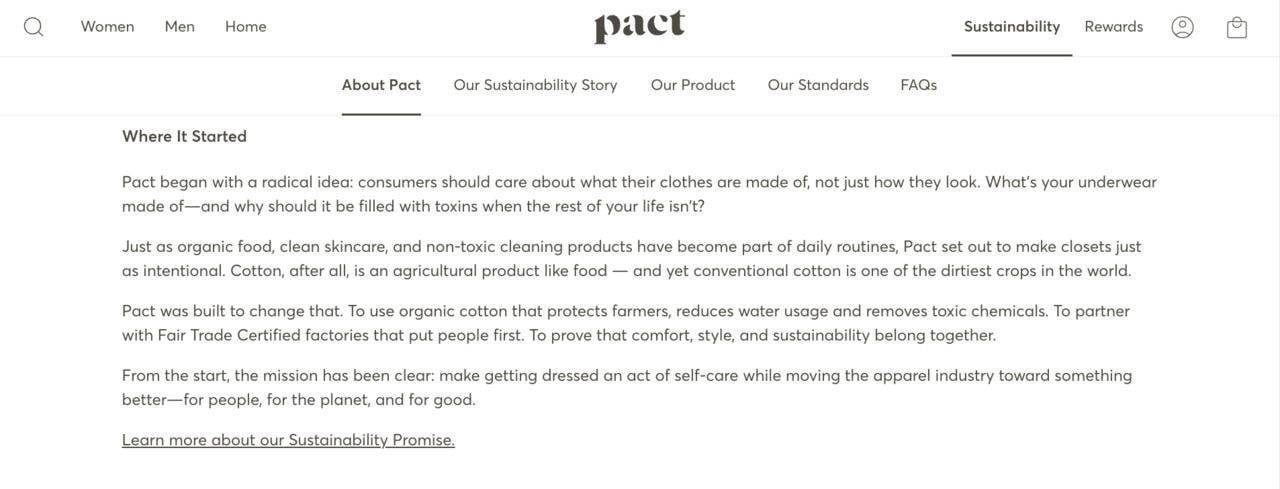
It doesn't have to be long or overly detailed. Pact focuses on helping people dress well with organic materials and non-toxic dyes, while Recover is committed to leaving a positive impact on the planet. A few clear sentences are often enough to communicate what matters most to your audience.
Research the market. Spend time looking at other hat brands to understand current market trends, pricing, and customer preferences. The goal isn't to copy successful businesses but to identify gaps in the market and find ways to offer something different.
Regular market research helps you spot new trends, understand customer preferences, and adjust your products as the fashion industry changes.
Create a simple business plan. Outline your goals, target market, pricing strategy, expected initial costs, and how you'll measure sales as your business grows. If pricing feels overwhelming, our guide to AI pricing models for POD products is a great place to start.
Stay consistent. Use the same visual style, messaging, and brand voice across your online store, social media accounts, and email marketing whenever possible. Consistency helps customers recognize your hat brand at every touchpoint and creates a more cohesive experience as your business expands.
Don't overlook the unboxing experience. Packaging is another way to reinforce your brand identity. With Printful, you can personalize your packing boxes and keep your branding consistent with custom packaging, packaging inserts, and saved branding presets.
See our guide to explore all seven branding options available with Printful.
6. Create an online store
An online store is one of the easiest ways to start a hat business online. Decide whether you want to start with your own website, an online marketplace, or both based on your budget and long-term goals. Many businesses eventually use both to reach more customers.
The biggest benefit of building your own website is control. Platforms like Shopify and WooCommerce give you full control over your branding, product listings, and customer experience. You can customize your store, collect customer emails, and grow your online hat business on your own terms.
The trade-off is that you'll need to drive traffic through social media marketing, email marketing, SEO, and other marketing efforts.
On the other hand, selling through online marketplaces like Etsy and Amazon gives you instant access to an established user base. These platforms already have millions of shoppers looking for products, so you can start selling hats without building an audience from scratch.
Competition is usually higher, though, and you'll have less control over your branding and storefront than you would with your own website.
Printful integrates with many platforms and marketplaces, including Shopify, Etsy, and Amazon, so it's easy to expand into new sales channels whenever you’re ready. Connect your Printful account in just a few clicks to automatically sync products, process orders, and fulfill them whenever a customer places an order.
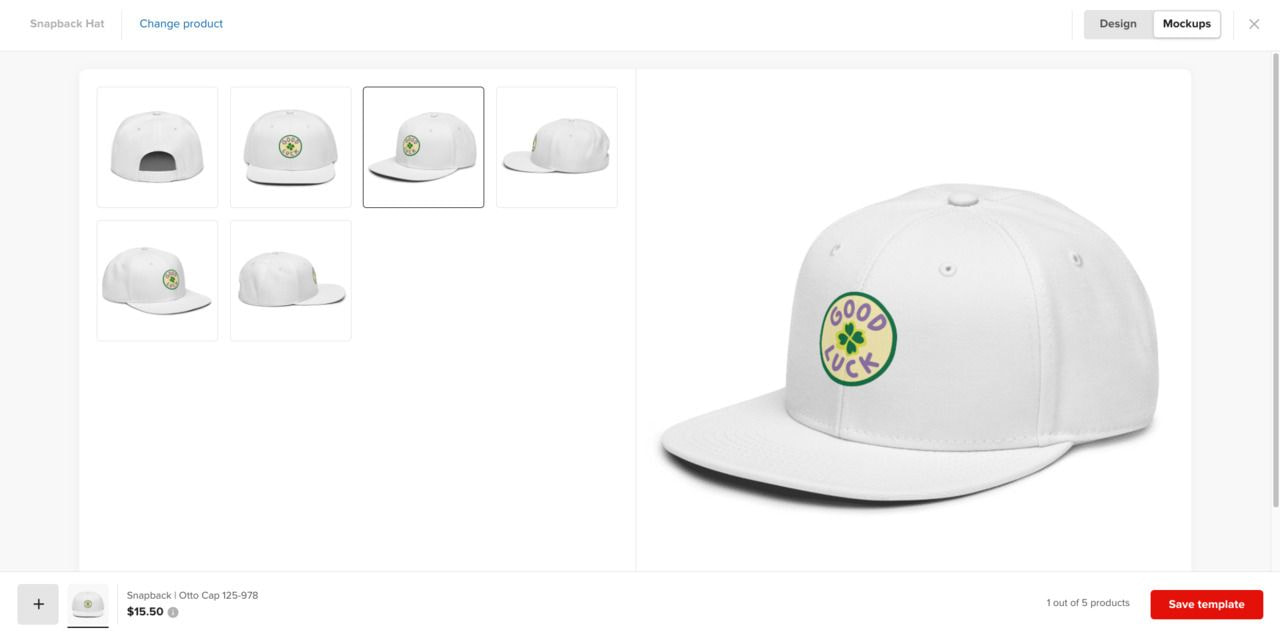
To create product listings that sell, use clear product titles, detailed descriptions, and relevant keywords to help shoppers find your products. High-quality visuals also make a significant impact. Printful's Design Maker includes a free Custom Mockup Maker, allowing you to generate professional product images that match your brand before publishing your listings.
Before you start selling online, check whether you need to collect sales tax or register for other business taxes in your country or region. The rules vary by location, so it's worth understanding your local tax requirements early on.
7. Market your hat business
Creating unique designs is only half the job. To build a successful hat business, you also need a plan for getting your brand in front of the right people. The most effective marketing efforts focus on your intended audience and the channels they already use.
A mix of different marketing methods usually delivers the best results:
-
Social media marketing – Share your products on platforms like Instagram, TikTok, Pinterest, and Facebook. Keep your social media accounts active by posting behind-the-scenes content, new product launches, styling ideas, and customer photos.
-
Email marketing – Encourage visitors to join your mailing list and send updates about new collections, limited-time offers, or product launches. It's one of the easiest ways to encourage previous customers to return to your store.
-
Search engine optimization (SEO) – Optimize your product titles, descriptions, and category pages with relevant keywords so shoppers can discover your hats through search engines.
-
Paid advertising – Test ads on Google, Meta, or TikTok to reach new audiences and measure which campaigns generate the most sales.
-
Influencer and creator partnerships – Work with creators whose audience matches your niche. Micro-influencers often generate strong engagement and can help introduce your hat brand to potential customers.
Don't limit your content to product photos. Mix promotional posts with user-generated content (UGC), styling videos, behind-the-scenes clips, and embroidery or design time-lapses.
Giveaways are another effective way to increase engagement and reach new audiences. Two Frogs, for example, asks participants to like and repost the giveaway post, tag friends, and follow the brand's social media account to enter. Simple campaigns like this encourage interaction while introducing your hat company to potential customers.
Remember to review your results regularly. Track which channels bring the most traffic and sales, then focus your time and budget on the marketing activities that deliver the best return.
Read more:
Turn your ideas into a hat business
Every successful hat company starts with a single idea. Whether you're selling dad hats, trucker hats, bucket hats, or another style, Printful makes it easy to launch a cap business with custom products and no upfront inventory.
Now that you know how to start a hat brand, there's nothing stopping you from launching your first collection. Sign up for a free Printful account and start building your business today.
Frequently asked questions
To launch a hat brand, choose a niche, research your target audience, create original designs, and decide how you'll produce and sell your hats. Most new businesses start by selling online using Print on Demand, which removes the need for initial inventory and lets you focus on building your hat company and effectively marketing your products.
The cost of starting a hat business depends on your business model, sales channels, marketing budget, and fulfillment method. If you buy inventory upfront, you'll also need to budget for storage, packaging, and shipping. With Printful's print-on-demand model, you can start for free – there's no sign-up fee or initial inventory to purchase. You only pay when a customer places an order, making it an affordable way to launch your own hat business.
Yes, a hat business can be profitable if you choose the right niche, price your products appropriately, and market them effectively. The global hat market was worth $11.04 billion in 2025 and is expected to keep growing over the next decade, creating opportunities for new businesses.
Using a print-on-demand business model can also improve profit potential by eliminating upfront inventory costs, while expanding into more hat designs and custom apparel can help increase sales over time.

Jordana is a content writer with over 6 years of experience in content writing and technical writing. Her not-so-secret passion is breaking down complex ideas into clear, straightforward content, whether it's explaining tech concepts or crafting stories that connect. When she's not writing, you'll find her enjoying good sushi or falling down movie trivia rabbit holes.

