



Table of contents
Your clothing line business plan is the playbook that turns a cool sketchbook idea into a brand people actually buy. It lays out your vision, target market, product lineup, operations, marketing, and money math, so you can launch with confidence and grow without chaos.
In this seven-step guide, you’ll build a plan that fits Print on Demand, small batches, or retail dreams, then pressure-test it like a pro.
Why do you need a business plan before launching a clothing line?
A professional business plan keeps your clothing line from turning into a “guess and stress” project. Without one, costs creep up fast: samples, sizing fixes, returns, and shipping costs can eat your margin before you notice.
A solid plan also forces real decisions on your target market, pricing, and how you’ll run the clothing business day to day. If you want to secure funding, a clear clothing line business story and numbers beat vibes every time, even in the fashion industry.
What should you include in a clothing line business plan?

Let’s quickly look at the main building blocks of a clothing line business plan. This is the backbone of a successful business, no matter if you sell through a retail store, brick-and-mortar, or Print on Demand.
-
Executive summary: A quick snapshot of your clothing line business idea, your “why,” and how the business plan wins.
-
Brand overview: Your brand identity, voice, and what your clothing brand stands for.
-
Market and competitor analysis: Basic market research, market analysis, and where you fit in the clothing industry.
-
Product line description: What you sell, why it matters, and what your clothing line looks like in real life.
-
Business model and pricing strategy: How you make money, your margins, and your target market fit.
-
Operations and production plan: How you produce, fulfill, and keep quality steady in your clothing line business.
-
Marketing and sales strategy: Your launch approach, marketing plan, and the target audience you’re chasing.
-
Financial plan: Startup costs, revenue targets, and what you’ll need to stay alive and grow.
-
Legal and administrative requirements: Your setup, policies, and basic compliance for your clothing line business.
-
Growth plan: What “next” looks like for your clothing line, from new drops to new channels.
Now, let’s break it all down in a detailed seven-step guide and build a well-crafted business plan you can actually use.

How to create a clothing line business plan in 7 steps
1. Research the market and validate your niche
Before you write a business plan, run a quick reality check on your clothing line idea. The fashion industry moves fast, and the clothing segment is crowded, so you want proof that real people want your drop.
Start with demand signals:
-
Google Trends: Compare searches like “cropped hoodie” vs “oversized hoodie” and watch market trends over time.
-
Marketplaces (Etsy, Amazon, eBay): Search your niche, sort by bestsellers, then read reviews for sizing, fabric, and “wish it had…” comments. That’s raw customer preferences.
-
Social listening: Explore TikTok search, Instagram hashtags, Reddit threads, and YouTube comments within your niche. Save repeats in a Notes doc.
-
Keyword tools: Use Google Keyword Planner, Ahrefs, or Semrush. Look for steady demand, not one-week hype.
-
Trend databases: Exploding Topics, Trend Hunter, Pinterest Trends. Cross-check with fashion trends so you do not chase a fading micro-moment.
Then map the competitive landscape: Pick five competitors and record price range, photos, materials, fit notes, and positioning. Compare new players to established brands and spot your gap.
A niche is viable when real people already want it, and you can prove three things:
Demand exists: You see consistent searches, repeat questions in comments, and products in that space that actually sell (not just look pretty).
Your angle is clear: You can explain, in one sentence, why your clothing line is different (fit, function, style, materials, or purpose).
And the math works: Your price covers production, shipping costs, and marketing, and you still keep a profit. If the numbers only work “once you get huge,” it’s not a niche, it’s a wish.
2. Define your brand identity and value proposition

This is the part of your business plan where your clothing line stops sounding like “cool apparel” and starts sounding like a real clothing brand. Write it like a one-page brand brief, then drop it into your planning docs.
Start with the brand core:
-
Mission: What you build and who it’s for (example: everyday gear for city cyclists).
-
Vision: What you want your clothing line to become in three to five years.
-
Values: Pick three and prove them (quality, inclusivity, or sustainable fashion with sustainable clothing or packaging options).
Next, define your people. Describe your target audience in plain language, then turn it into two to three buyer personas, jotting down age range, lifestyle, budget, and buying triggers. Add one line on your target customers and what they complain about with existing options.
-
Now write your USP (unique selling points) in one sentence: “We make ___ for ___ who want ___ without ___.” That sentence becomes your product pages, ads, and pitch.
Finish with how your fashion brand shows up: brand identity (name, tone, colors, logo use), basic style rules, and packaging notes.
Even if you run a fashion line through Print on Demand, your clothing brand can still feel authentic through branding tools like labels, inserts, and a consistent unboxing vibe. Tie it back to business goals so the story and the numbers match the competitive fashion industry.
3. Choose the right business model and production strategy
Your business plan needs a clear “how we make and deliver products” section, because your model decides your costs, timelines, and how fast your clothing line can grow.
The clothing business requires trade-offs: control vs cash, speed vs customization, and flexibility vs complexity. Pick the model that matches your target audience, your budget, and the kind of clothing line you want to build.
|
Model |
Startup cost |
Risk |
Control |
Scalability |
Inventory |
|
Print on Demand |
Low |
Low |
Medium |
High |
None |
|
Cut and sew |
High |
Medium-high |
High |
Medium |
Yes |
|
Private/white label |
Medium-high |
Medium |
Medium-high |
Medium-high |
Yes |
|
Small-batch production |
Medium |
Medium |
High |
Medium |
Some |
|
Pre-order model |
Low-medium |
Low |
Medium |
Medium |
After orders |
|
Made-to-order |
Medium |
Low |
High |
Low-medium |
Minimal |
Print on Demand

Print on Demand means you upload designs, and a supplier like Printful prints and fulfills each item after a customer buys. You do not hold stock. This model fits a fast-moving clothing line because you can test new designs, products, and niches while keeping your business plan lean and flexible.
|
Pros |
Cons |
|
|
Best for: A business owner starting a clothing line online, selling through an online store, and refining a business plan while demand data rolls in.
Cut and sew
Cut and sew means you design the garment from the ground up: patterns, fabric choices, fit, and construction details. A manufacturer then produces your pieces to spec. This route suits a premium clothing line with signature silhouettes, but it adds timelines, approvals, and higher upfront planning inside your business plan.
|
Pros |
Cons |
|
|
Best for: A clothing line where the product itself is the star, and your business plan supports higher pricing.
Private and white label
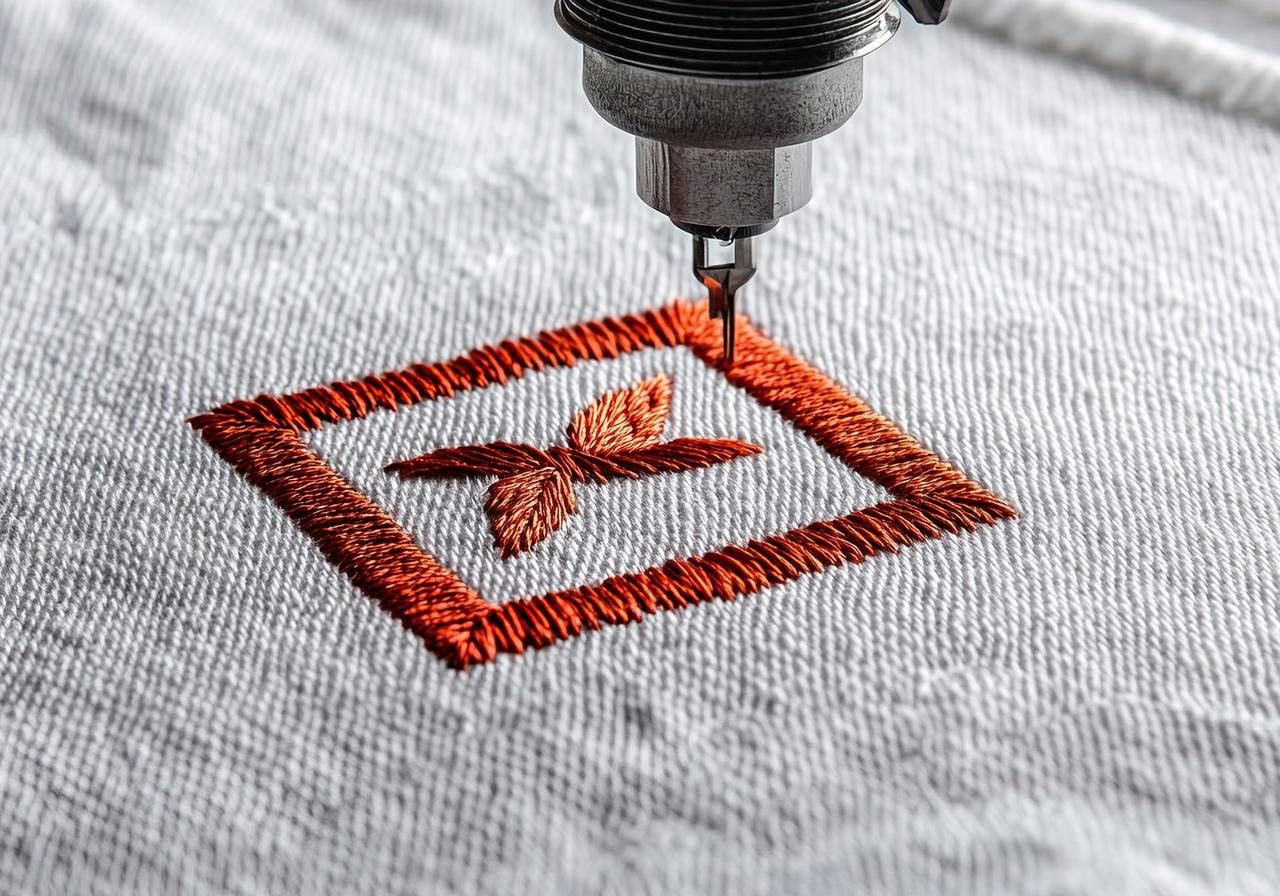
Private or white label means you start with pre-made blanks or near-finished garments, then add your branding and sometimes minor custom tweaks. You get faster production than cut and sew, with stronger branding control than Print on Demand. Your business plan should cover minimum orders, storage, and restocking.
|
Pros |
Cons |
|
|
Best for: A growing clothing line that wants branding control and has room in the business plan for inventory.
Small-batch production
Small-batch production means you manufacture limited runs, then reorder based on sales instead of betting big upfront. It’s a solid middle ground for a clothing line that wants quality control and a “drop” feel without massive inventory. Your business plan should map reorder triggers, timelines, and cash flow gaps.
|
Pros |
Cons |
|
|
Best for: A clothing line building hype drops and steady repeat releases.
Pre-order model
A pre-order model means you sell first, collect payments, then produce only what customers ordered. It reduces leftover stock and gives real demand proof before you commit to production. It works well for launch drops, but your business plan needs clear delivery timelines, updates, and refund rules.
|
Pros |
Cons |
|
|
Best for: A clothing line business built around limited releases and community-driven launches.
Made-to-order
Made-to-order means each item gets produced after purchase, often with size tweaks, personalization, or color choices. It supports sustainable clothing positioning because you produce less waste, but fulfillment takes longer. Your business plan should cover lead times, quality checks, and customer communication.
|
Pros |
Cons |
|
|
Best for: Niche clothing line concepts where personalization and long-term success matter more than speed.
Choose one primary model for your business plan, then add a “future option” you can switch to later as your clothing line business grows.
4. Plan your finances

Finances in a business plan are just three questions, answered with receipts: what do you pay, what do you charge, and what do you keep?
Step one: Build a simple spreadsheet with three tabs:
-
Startup costs (one-time): Design tools, logo, samples (multiple sizes), product photos, store setup, barcode/labels, packaging tests, legal/accounting setup. Add a “oops fund” line too. Your risk budget is typically 10-20%.
-
Per-order costs (every sale): Product cost, print fee, packaging, payment processing, platform fees, returns and exchanges average, and your ad cost per sale (even a small number).
-
Monthly overhead: Apps, subscriptions, email tools, bookkeeping, and whatever keeps the lights on.
Step two: Set pricing with a tiny formula.
Profit per item = retail price − per-order cost.
Margin = profit per item ÷ retail price.
Want a premium fashion brand feel? Your price has to cover better materials, better photos, and slower decisions, not just the product.
Step three: Do a “kid-simple” forecast.
Pick a realistic weekly sales number, multiply it by profit per item, then subtract your monthly overhead. Add a break-even line: startup costs ÷ profit per item. This tells you how much capital you need to reach steady sales and gives your clothing business a shot at long-term success.
5. Plan out operations, logistics, and quality management
This section is where your clothing business stops being a mood board and becomes a repeatable system. The clothing industry rewards consistency, and consistency comes from boring-but-brilliant ops.
Supplier vetting (even for a fashion brand doing small runs):
-
Ask for certifications, compliance info, and material details
-
Request samples, then wash-test them and check seams, prints, shrinkage, and color
-
Use a supplier scorecard for lead time, defect rate, communication speed, and transparency
Now pick your fulfillment style:
-
Inventory + shipping: More control, more moving parts, more storage decisions
-
On-demand fulfillment: Fewer stock headaches, cleaner scaling, smoother cash flow
Quality management is a loop, not a one-time check. Write down what “good” looks like (print placement, sizing tolerance, packaging), then track issues in a simple log using Notion, Airtable, or a spreadsheet.
For customer support, set up helpdesk basics early (Gorgias or Zendesk) and draft ready replies for returns, exchanges, and delayed orders.
Contingency planning is your calm button: have backup suppliers, alternate blanks, and a “pause the drop” plan if demand spikes or materials run out. That kind of prep supports long-term success, plus a stronger sustainable clothing brand strategy if you want fewer reprints and less waste.
6. Develop a marketing, launch, and sales strategy

Think of this part as your “how people find us, trust us, and buy” playbook. In your clothing line business plan template, map your three sales paths, then build content that matches each one:
-
eCommerce strategy: Start with your own website as home base, then add marketplaces (Etsy, Amazon) and social commerce (TikTok Shop, Instagram). Your site tells the full story. Marketplaces bring traffic. Social closes impulse buys.
-
Storytelling that sells: Pick three repeating content themes: behind-the-scenes, fit checks, and “why we made this.” Add a sustainability angle only if it’s real, measurable, and consistent with your own brand.
-
Pre-launch plan: Collect emails with a simple landing page, tease your best product, and offer early access. Warm up your audience for two to three weeks, then drop a launch week schedule.
-
Retention tactics: Add thank-you cards, a clean unboxing moment, and a “tag us” prompt for user-generated content. That builds brand visibility without begging.
Write it down like a checklist, so your clothing business does not depend on random posting.
7. Prepare a scaling and growth roadmap
Scaling is not “sell more.” Scaling is “sell more without chaos.” Your business plan should spell out what changes at three milestones: your first consistent sales month, your first sell-out, and your first repeat-customer wave. Create a fashion business plan template and update it each time you hit one.
Here’s a simple roadmap:
-
Expand products with proof: Add one new item after your top seller hits repeat demand (example: your best tee gets a hoodie version). A clothing line requires focus, not twenty “meh” options.
-
Choose a growth fulfillment path: Stay on-demand for speed, go inventory for bestsellers, or run a hybrid model (on-demand for experiments, stock for proven winners).
-
Add channels carefully: Wholesale and boutiques can grow volume, a clothing store or pop-up can build trust, and international marketplaces can widen reach.
-
Protect quality and values: Document fabric rules, print standards, and sizing checks. That’s how a successful brand stays a profitable business as order volume climbs.
Want extra reach? Try local fashion shows or community events, then turn every photo into content.
Launch your own clothing line with Printful!
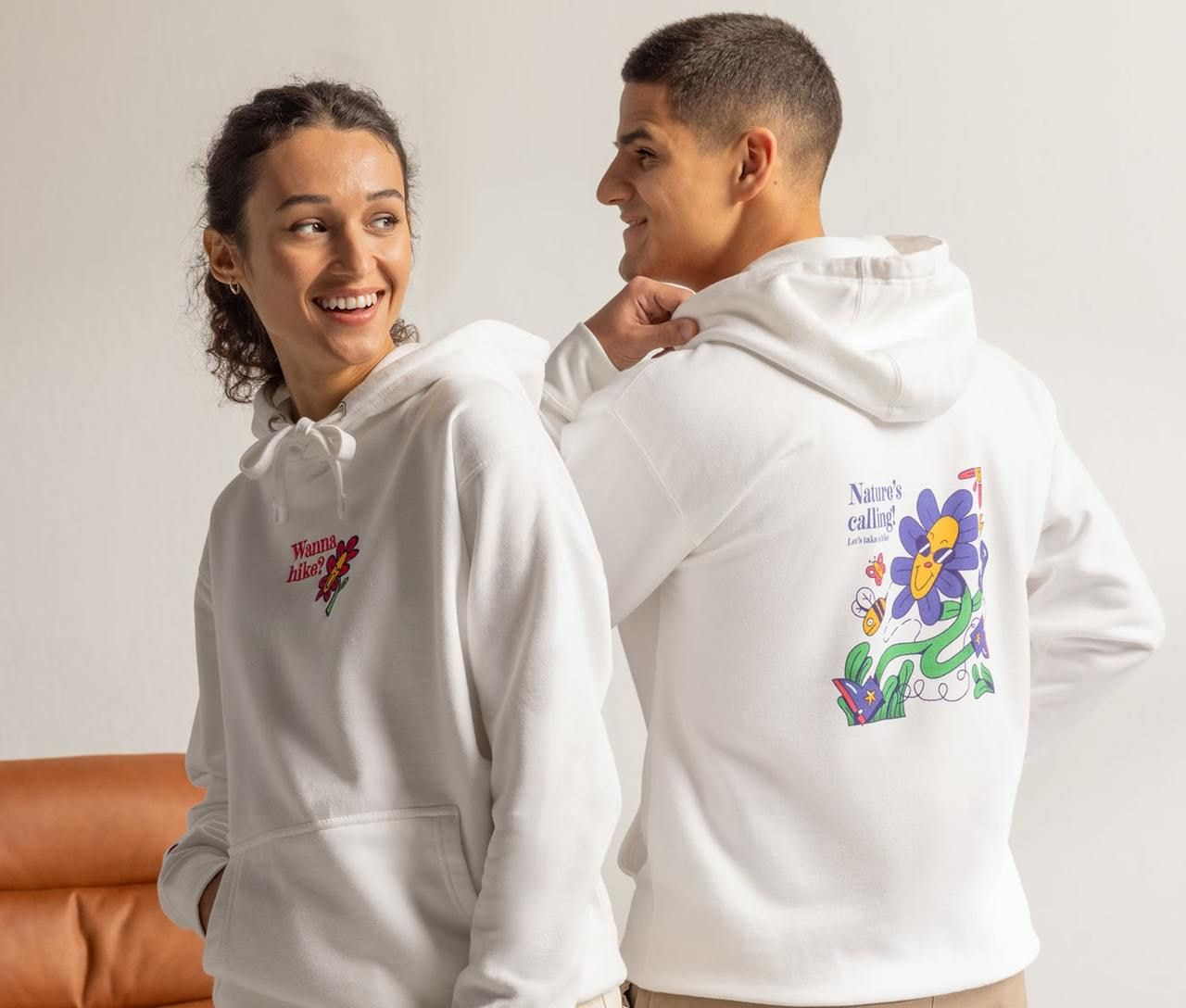
Printful helps clothing brands launch lines that feel part of a real brand, not a random print shop.
You get in-house printing with specialty options like embroidery, DTFlex, and sublimation across tees, hoodies, jackets, and more.
-
Printful’s global fulfillment network keeps production moving, so orders reach customers without drama.
Need storefront-ready visuals? Use the mockup tools to create crisp product images for your product pages and ads. Then connect your eCommerce stack: sync Printful with top platforms like Amazon, TikTok Shop, Etsy, and more, and run your fashion business from one dashboard.
Ready to start a successful clothing brand?
A strong business plan turns your idea into a launch you can repeat and scale. You validated demand, built a brand people recognize, picked a production model, planned finances, mapped operations, and set up marketing and growth moves.
Now comes the fun part: shipping real products, learning fast, and tightening the plan as you go. Start your store, test a small drop, and let Printful power your next release.
Writing a clothing company business plan: FAQ
Start your clothing line business plan by writing a one-page snapshot: your brand idea, target audience, target market, product range, and how you’ll sell (online store, pop-up shops, or a retail store). Then add numbers: startup costs, production costs, pricing, and cash flow. Expand that into a full business plan you can tweak as you test demand.
It depends on your model. You can start a print-on-demand clothing line with a few hundred dollars for samples and marketing, while small-batch production often runs into the thousands. Budget for startup costs, production costs, shipping costs, and marketing campaigns. If you plan a brick-and-mortar store, you’ll need far more for rent, staff, and inventory.
No. You can start a clothing brand as a sole proprietor, then switch later. An LLC can separate personal and business finances and may feel safer when you sign contracts or work with clothing retailers. Pick a business structure that matches your risk and taxes, and ask a local accountant or lawyer before filing paperwork.
To start your own clothing line, pick a niche, design a small drop, and set prices that leave room for margins. Choose production: Printful for POD, or a local maker for high-quality materials. Launch a simple eCommerce store, do consistent social media marketing, and collect feedback. Then restock, refine, and build loyal customers with every release.
A comprehensive business plan for a clothing brand should cover: executive summary, brand identity, market research, market analysis, product line, pricing, operations, inventory management, and a marketing plan. Add sales channels, financial projections, and how you’ll secure funding. Think of it as a guidebook that keeps your clothing line business focused and fundable.

By Baiba Blain
With 7+ years of experience in translation and creative writing, Baiba now leads a squad of talented writers, balancing research-backed storytelling with team guidance, quality assurance, and SEO processes. Outside of work, she enjoys exploring old castles, spontaneous road trips, and talking back to her cats. 10/10 arguments won so far.

