



Table of contents
You can find free images for Print on Demand almost anywhere, but not all of them are legally safe to sell on merchandise.
“Free to download” and “free to use on a t-shirt” aren’t the same thing. Most stock photo licenses require modification before you print, and some sources mix commercial-use content with attribution-only or non-commercial restrictions.
That’s why we’ve curated more than 15 free image sources for print-on-demand sellers. We’ll also explain the licensing rules that matter before using any content commercially.


Quick Designs: Printful’s free print-on-demand designs
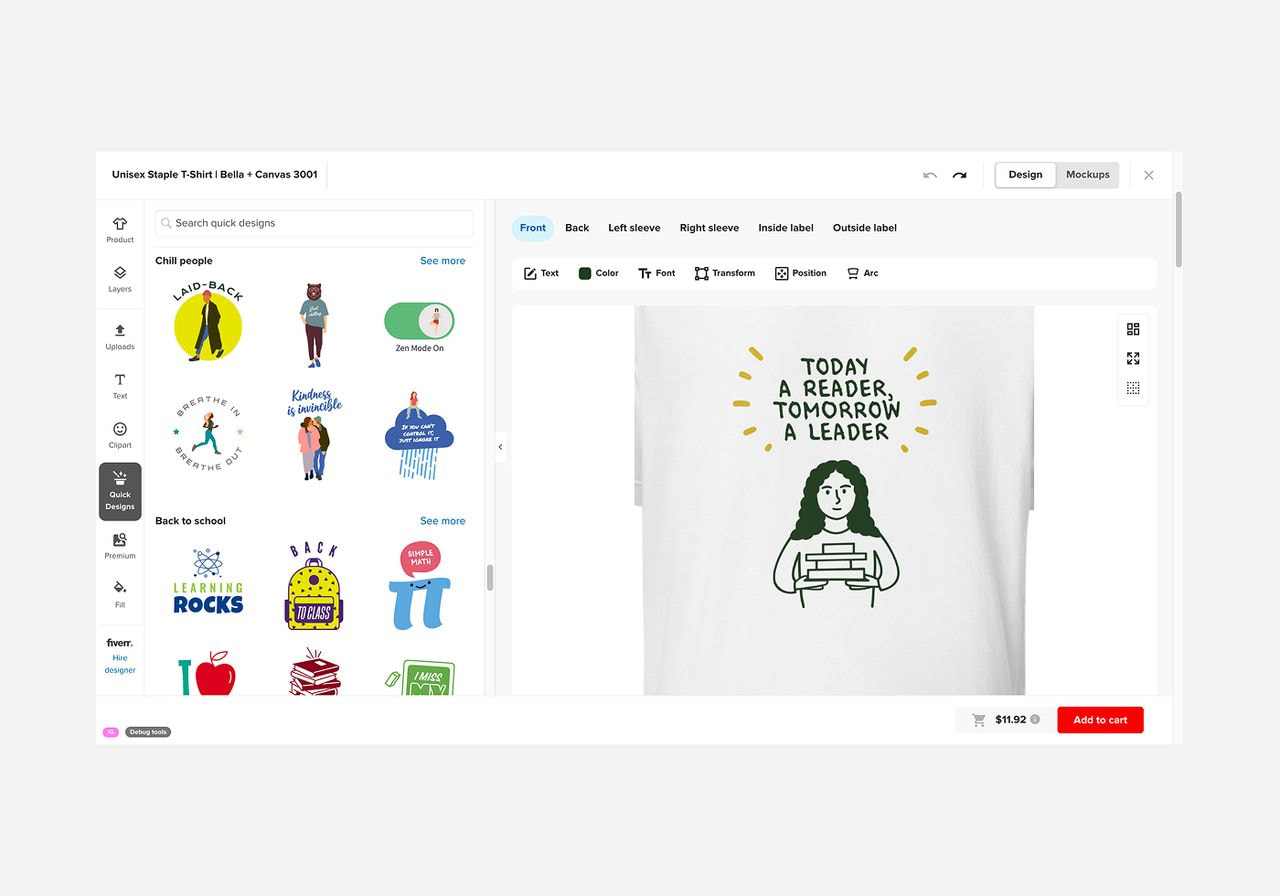
Quick Designs are free, customizable templates that you can use on Printful’s custom products and sell them right away. Available in the Design Maker, you can use them as-is or swap the words, colors, and layout in a few minutes to create entirely new designs.
This way, you can quickly create products and start selling without opening a separate design tool, hiring a designer, or paying for stock graphics. Every Quick Design comes as a high-resolution file with a clear commercial-use license, which is important for Print on Demand.
To use Quick Designs’ free print-on-demand images:
-
Select a product in Printful’s Catalog and click Start designing.
-
In the Design Maker, switch to the Quick Designs tab on the left sidebar.
-
Explore Quick Designs by special event, holiday, or theme, or use the search bar to find one that fits your niche. Not sure what to look for? Browse current design trends for inspiration.
-
Click any creative element to change its color, edit its font, reposition it, or turn it into a seamless pattern for all-over-print products.
-
Preview your design on realistic mockups.
For a full tour, read our walkthrough on Printful’s Design Maker features.
Public domain and CC0-licensed websites
If you want to find free designs for Print on Demand that you can legally use for commercial purposes, public domain and CC0-licensed websites are the safest place to start.
Both give you the same freedom: print them on t-shirts, mugs, phone cases, or posters and sell them without paying royalties or crediting the creator.
What are public domain images?
Public domain images are photos, illustrations, clipart, and vector files that anyone can use freely for personal and commercial projects without paying a license fee or asking permission.
Many print-on-demand businesses build their catalogs around public domain art. Think Hokusai’s “The Great Wave off Kanagawa” or Van Gogh’s “Starry Night” – they show up on t-shirts, phone cases, and wall art – all sold legally because the originals are out of copyright.
Works usually enter the public domain because the copyright expired (they become free for commercial use after 70 years), the work isn’t eligible for copyright protection, or the owner failed to renew or intentionally placed it in the public domain.
What is a CC0 license?
A CC0 license (CC0 1.0 Universal, Creative Commons Zero) lets creators of any original image release their work as if it were public domain.
The license waives all copyright, trademark, and privacy claims, allowing anyone to use the image freely for personal or commercial purposes without permission or credit.
Not every site labels its public domain and CC0 images accurately, though, which can leave you liable if a rights holder finds their work on your merchandise. Sourcing from reputable sites helps mitigate the risk of copyright infringement.
Here are the sites we recommend for finding high-quality images for printing for free:
Rawpixel
Rawpixel is a design resource with a large collection of public-domain assets under CC0. It draws from museums, antique books, and Rawpixel’s own scanned library of vintage illustrations, botanical prints, and 19th-century decorative art.
Heritage Type
The Heritage Library offers more than 279 themed bundles of CC0-licensed vintage illustrations – botanical prints, animal sketches, fashion plates, and Art Nouveau posters – in PNG and vector formats, free to use in your print-on-demand work.
Smithsonian Open Access
The Smithsonian Open Access archive offers more than 5.1 million CC0 photos, illustrations, historical artifacts, and other materials from 21 museums, nine research centers, and the National Zoo. Download in high resolution and create designs you can print and sell freely.
Museo
Museo is a visual search engine that brings together public-domain images from 12 major museums, libraries, and institutions in one place – including the Art Institute of Chicago, Rijksmuseum, Harvard Art Museums, Cleveland Museum of Art, and the Smithsonian.
Quick tip: Check each source’s terms before selling, since license specifics vary by institution.
Biodiversity Heritage Library
The Biodiversity Heritage Library hosts over 319,000 photos of botanical illustrations, animal drawings, fungi, and other natural history artwork from 16th- to 20th-century books.
Quick tip: Not all BHL visuals are free for commercial use, so before you start selling t-shirts, posters, or other products, check their copyright status first. If an image uses a CC BY-NC-SA 4.0 license, you can’t legally sell it on merchandise.
The British Library
The British Library has released over a million public-domain images on Flickr Commons – maps, illustrations, decorative letters, satirical prints, landscapes, and botanical diagrams from 17th- to 19th-century books.
Microsoft digitized the source books and donated the scans to the library, which made them available in the public domain with no attribution required.
Wikipedia’s Featured Pictures
Wikipedia’s Featured Pictures are a curated set of more than 8,800 images that have passed Wikipedia’s technical and encyclopedic quality standards. It’s part of Wikimedia Commons, which hosts a massive repository of public-domain and openly licensed images.
Quick tip: For Print on Demand, check the image’s license before selling. Some Featured Pictures may use CC BY-SA instead of the public domain or CC0, which means physical goods you create with them would need to carry the same share-alike license.


Free stock photo websites
Many stock sites offer free resources for digital use, but selling unaltered copies of them on your own merchandise is a different story.
Most include a transformation rule that states you need to modify the image meaningfully. Otherwise, the designs might not be enough to legally count as your own work if the original creator or platform disputes your product.
Stock photos still earn a spot in your workflow, though. These libraries offer millions of high-resolution, modern photos in styles that public domain archives can’t match, which you can incorporate into original designs once you understand each site’s rules.
Let’s look at the best free stock photo websites for print-on-demand businesses, and then walk through what meaningful modification actually looks like.
Unsplash
Unsplash is a website where creators share over six million free high-quality photos and illustrations for commercial use. You can search by category, see trending topics, or browse what other users are downloading.
Read more: Print-on-demand design trends: Apparel to home and living
Pexels
Pexels hosts free photos and videos from over 600,000 contributors, all free for commercial use with no attribution required. Like Unsplash, each image is tagged with keywords for search.
Pexels explicitly bans selling unaltered copies on posters, prints, or other physical products.
Pixabay
Pixabay offers more than 6.3 million free stock photos, illustrations, vector graphics, videos, and music from over 400,000 creators. Its license permits commercial use without attribution, but bans selling content on its own – meaning you’ll need to make some creative changes before printing it on merchandise.
MorgueFile
Explore MorgueFile’s more than 422,000 free references, and you’ll find rare photos you won’t find on the bigger stock sites. Landscapes, nature, portraits, still lifes, textures, and everyday street scenes shot by hobbyists and pro photographers alike.
Gratisography
Gratisography is home to over 700 one-of-a-kind stock photos in categories spanning animals, whimsy, urban, nature, people, and business. Think boxer dogs wearing boxing gloves or flamingos riding skateboards.
Its license is more generous than most stock sites: you can put Gratisography images on merchandise as long as the photo itself isn’t the product you’re selling.
Stockvault
Stockvault hosts more than 146,000 free stock images using three separate licenses: Non-Commercial (personal use only), Commercial (must be altered before use on merchandise), and CC0.
Use the License filter to see only Commercial and CC0 images before downloading them for your print-on-demand products.
Burst by Shopify
Burst is a free stock photo library from Shopify. Its collections lean commerce-friendly – product photography, flat-lays, lifestyle shots, and category-specific bundles for niches like enamel pins, yoga products, and bath bombs.
Images are either CC0 or covered by Burst’s own license, both of which permit commercial use without attribution.
Quick tip: Connect Printful with your Shopify store, and we’ll handle production and fulfillment on any Burst-based designs you upload.
Canva
Canva is a browser-based design tool with a built-in library of free and paid photos, illustrations, vector graphics, and templates – useful if you want to design your product mockup and source images in one place.
Canva’s license permits merchandise under one condition: the image can’t stand alone. You can’t sell a Canva photo printed directly on a t-shirt or mug with no other design elements. Once you’ve built it into a design with your own creative touches, you’re free to print and sell.
How to edit stock images for commercial use
To use stock photos on print-on-demand products, you’ll need to check each site’s licensing terms first. See whether merchandise printing is specifically permitted or restricted and what the site defines as an acceptable modification.
For example, Unsplash states that you can’t sell copies of its images – including on prints or physical goods – unless you’ve first meaningfully updated them with new creative elements.
Simple retouches, resizing, or other minimal changes to Unsplash photos don’t count as “your own design,” and neither do modifications made by automated scripts.
That covers a lot of common shortcuts that POD sellers might try: color swaps, background removal, small text overlays, or batch editing dozens of photos at once. If someone can still recognize the original photo in your t-shirt design, Unsplash considers it a copy.
So what counts as meaningful modification?
-
Combining the photo with your own illustrations, hand-drawn graphics, or custom typography
-
Layering two or more stock images into a single collage or composition
-
Cutting the subject out and placing it in a completely new background
-
Applying heavy graphic transformations like duotone treatments, cutout stencils, or halftone patterns
-
Using the stock image as a background texture behind an original artwork that carries the design
Here’s a visual example:
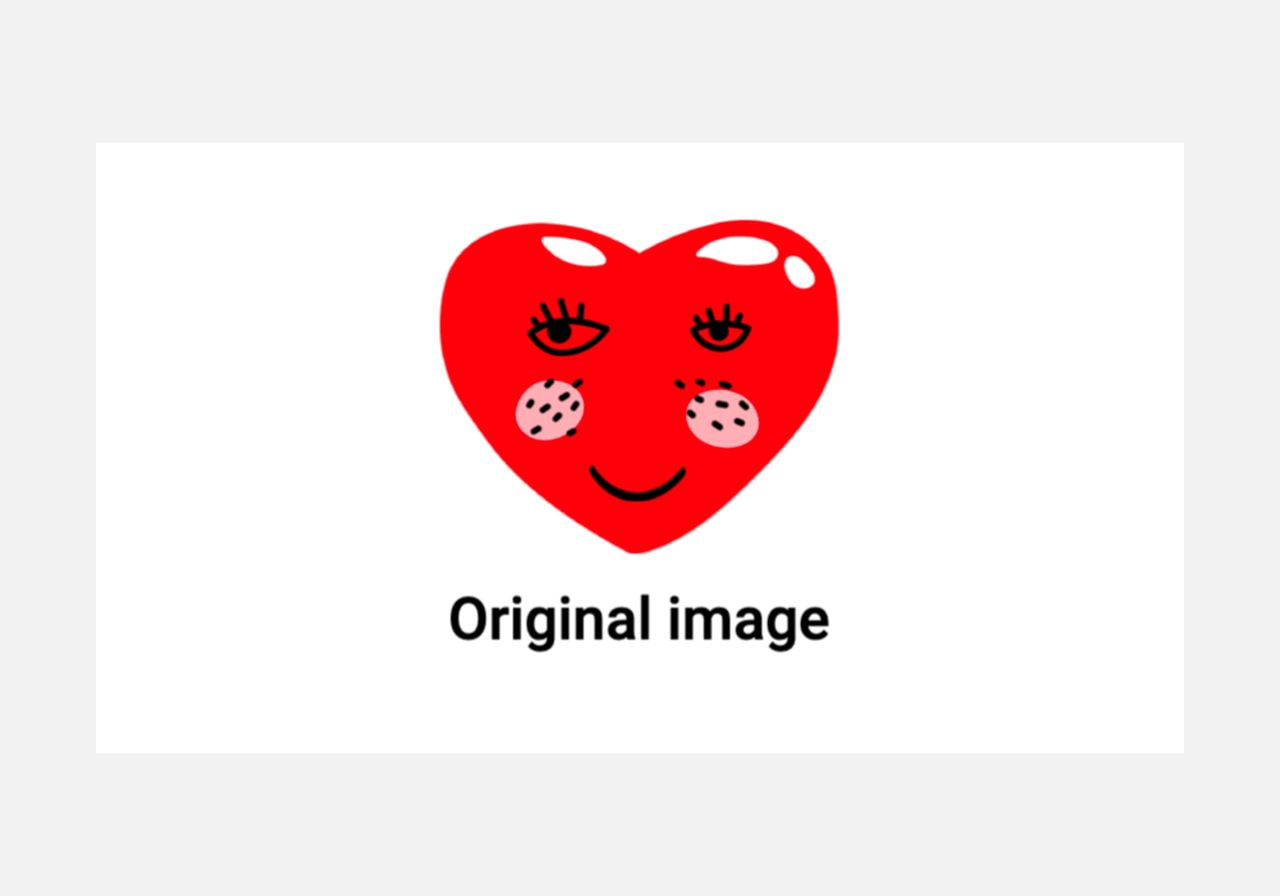
Source: Printful
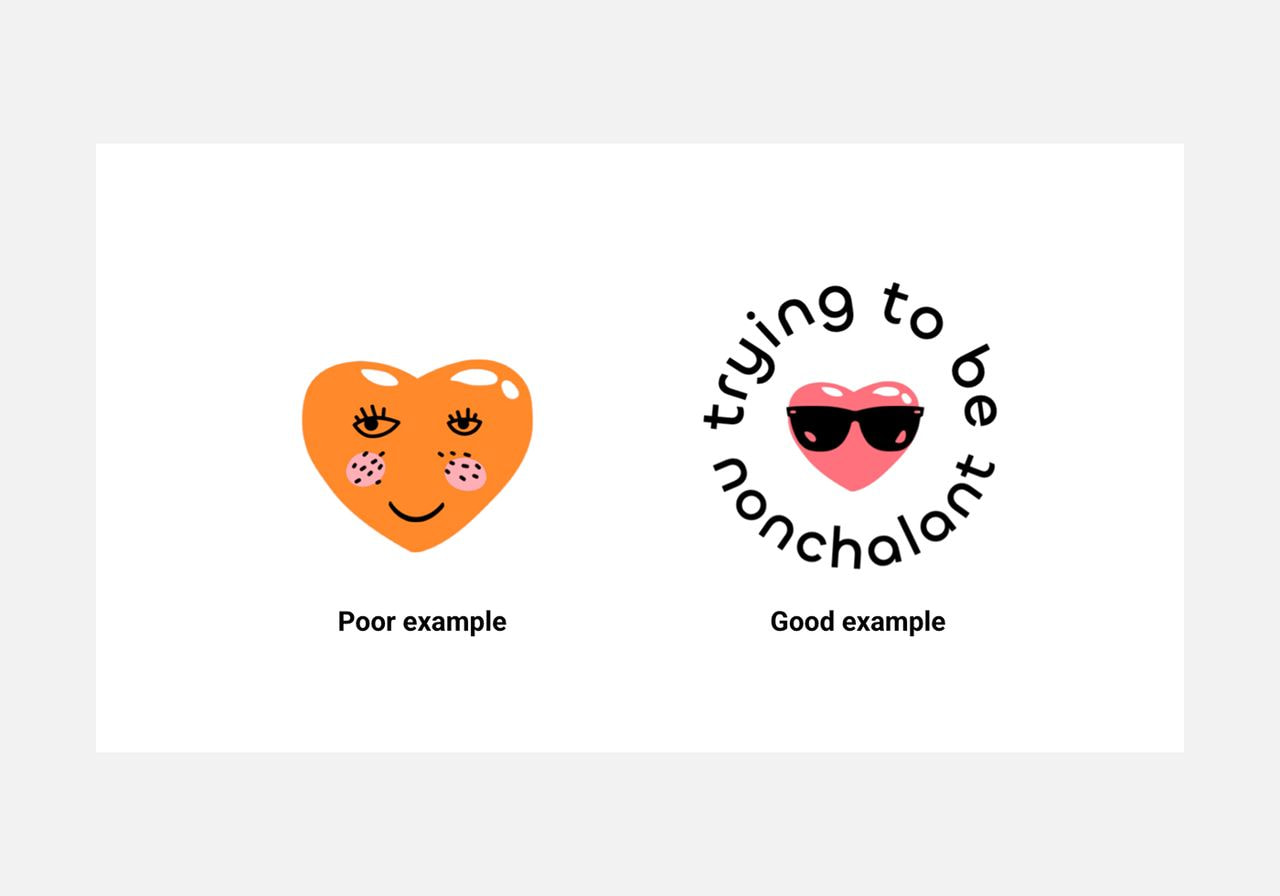
Source: Printful
The fastest way to find royalty-free photos
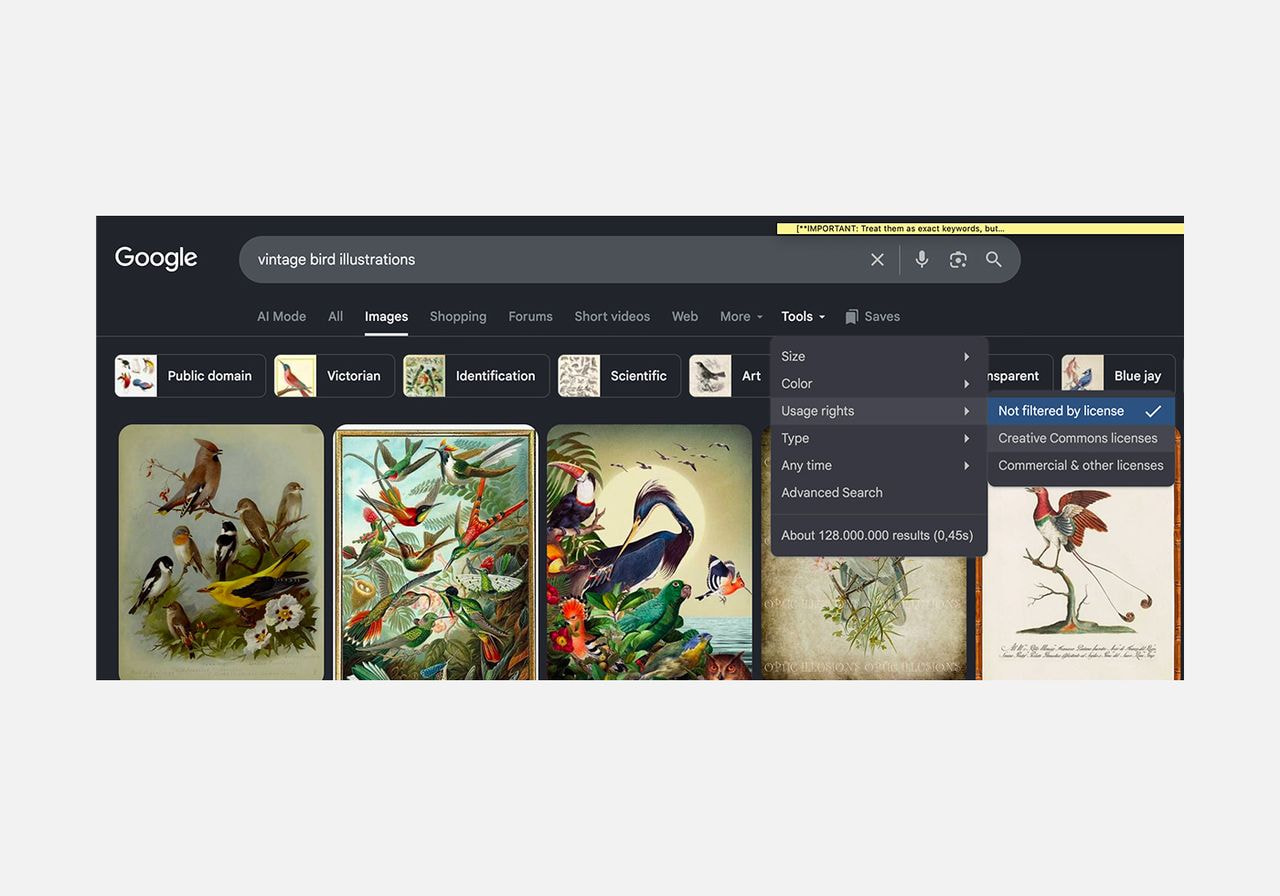
The sites mentioned above will cover most of what you need, but if you want to widen the net without giving up license safety, try this:
Type a keyword into Google Images, click Tools, open Usage Rights, and select Creative Commons licenses. Google will filter results to images marked as free to use and modify.
Before downloading anything:
-
Open the page and confirm the license permits commercial use on merchandise.
-
Check the resolution. For Print on Demand, you’ll need high-res files. Anything under about 300 DPI at your intended print size may look pixelated on a t-shirt or poster.
FAQ
Find free images to print on public-domain and CC0-licensed sites like Smithsonian Open Access, Museo, and Heritage Type, which offer millions of illustrations, artwork, and photos with no commercial use restrictions. Free stock photo sites like Unsplash also work, but they usually require you to modify the image before selling it on merchandise.
Yes – Printful is a free print-on-demand platform that lets you design and list products at no upfront cost. You only pay when a customer places an order, so there’s no inventory to buy, no minimums to hit, and no monthly platform fee.
Yes, Print on Demand is still profitable in 2026. The global POD market reached $13.1 billion in 2026 and is projected to hit $57.5 billion by 2033. Profitability depends on your niche, pricing, and marketing. Sellers with a clear brand and specific audience see the strongest margins, since generic designs face heavier competition on Etsy and Amazon.
Turn free images into print-on-demand products
You now have more than 15 vetted sources of free images for Print on Demand – from public-domain museum archives and CC0 collections to modification-friendly stock photo libraries.
Explore two or three sites that match your print-on-demand business, download a handful of images, and test your ideas. See which designs customers respond to, and let your sales data guide what you make next. Sign up with Printful for free today to get started.
Read next: Best-selling t-shirt designs

Maisha is a content writer with 6+ years of experience in turning complex topics into clear, search-optimized content. She believes readability always wins, no matter how SEO trends shift. Outside of writing, she’s usually trying new recipes (but never following them), watching niche YouTube videos, or planning food-fueled adventures.

