


Table of contents
Want to know how to make money as an influencer in 2026? It starts with trust, consistency, and smart brand partnerships. Whether you're sharing workouts, styling thrifted fits, or reviewing skincare, today’s content creators have real opportunities to earn.
This guide covers how to structure your online presence to maximize earnings across platforms, products, and paid collaborations.
What “Making money as an influencer” really means
The influencer industry is reshaping how people earn a living online. In 2025, the global market reached $32.5 billion, with projections pushing that number to $45.88 billion by 2030. Behind those numbers are content creators of all sizes turning trust, taste, and creativity into income.
But how do influencers make money in practice?
It depends on three things: audience, niche, and consistency. While macro influencers and mega influencers may land big contracts, it’s often micro influencers and nano influencers who deliver better results.
Why? Brands want real impact, not inflated follower counts. A loyal community that engages regularly beats passive numbers every time.
That’s why your engagement rate and niche authority matter more than your audience size.
A fitness creator with >10,000 followers can earn a steady income through brand partnerships, affiliate links, and sponsored posts – sometimes even more than a larger creator with low interaction.
Platforms now pay creators directly, and brands are more likely to offer multiple revenue streams beyond one-off collaborations. Whether through user-generated content deals, long-term brand partnerships, or selling exclusive content, today’s creators have options.
Making money as an influencer is about building real relationships, staying focused on your niche, and using the tools available to turn influencer content into a working business model.
How do influencers make money? 12+ proven ways
Influencer content can lead to real income, but success depends on structure. Most creators use multiple income streams and brand collaborations to stay consistent, flexible, and financially stable. Here’s how the top earners do it.
1. Sponsored posts and brand deals
Sponsored content is one of the most visible and reliable ways to get paid. A brand pays creators to feature their product in content – on Instagram, TikTok, YouTube, or even a blog.
What matters most isn’t your follower count but your connection with your audience.
This approach works well for micro influencers, too. Brands increasingly prefer creators with a loyal following and solid engagement over those with inflated numbers and low interaction.
What sponsored content can look like:
-
A TikTok review of a skincare line
-
A YouTube video with a "brought to you by" segment
-
An Instagram Reel featuring a product in use
-
Travel influencer plugging awesome stays for free accommodation
To land brand deals, start by building a clear niche and clean visual identity. Then:
-
Put together a media kit with your stats, rates, and audience demographics
-
Reach out to brands that align with your content and values
-
Use platforms like Aspire, Upfluence, or Brandwatch to find campaigns
Quick tip: Always be selective. Promoting random products weakens trust. Choose brands that fit your message and keep your content authentic. And don’t forget disclosure – use tags like #ad or #sponsored to stay compliant.
2. Long-term brand partnerships (ambassadorships)
.jpg)
Source: Instagram
While one-off sponsored posts bring quick cash, long-term partnerships offer consistency. A brand ambassadorship is an ongoing agreement where you represent a company over time, often creating monthly content or appearing in campaigns.
These deals aren’t just about sales but rather about shared values. Brands look for creators who genuinely align with their mission and aesthetics. If your content style, tone, and values match, you’re more likely to be offered these steady roles.
What ambassadorships often include:
-
Monthly retainers or product stipends
-
Co-branded content creation
-
Appearances in events or digital campaigns
-
Access to early product releases
Where to find them:
-
Check the brand’s website for ambassador programs
-
Look for partnership calls on platforms like Trend, Mavrck, or CreatorIQ
-
Pitch yourself with a clear value proposition and past performance stats
The key is trust. Brands pay more when they see you consistently show up, post with intention, and keep your engagement strong. If you're aiming for stability and deeper brand relationships, ambassadorships are one of the best income streams to develop.
3. Affiliate marketing
Affiliate marketing is a proven way to monetize your influence without needing brand approval every time you post. You promote products through trackable affiliate links and earn a commission when someone buys through them.
It’s scalable, flexible, and perfect for building passive income.
This is one of the most accessible income streams for influencers in product-focused niches like fashion, beauty, tech, and fitness. Even nano influencers with a tight, loyal audience and high-quality content can earn steadily.
Examples of affiliate programs:
-
Amazon Associates – broad product range, trusted brand
-
ShareASale, CJ Affiliate, or Rakuten – multiple brands in one dashboard
-
Brand-specific programs – check the footer of your favorite brand’s site
-
Printful’s affiliate program – earn from your followers’ merch sales
Tips to earn more from affiliate sales:
-
Focus on products you already use and love
-
Write or film in-depth reviews, step-by-step guides, or tutorials
-
Insert links naturally in captions, video descriptions, blogs, or email newsletters
Use affiliate dashboards to track clicks, conversions, and commissions. Over time, refine what converts best with your audience.
Affiliate marketing rewards creators who understand their niche and audience behavior. Done right, it becomes one of the most reliable ways to earn money from your content long-term.
4. Selling your own products
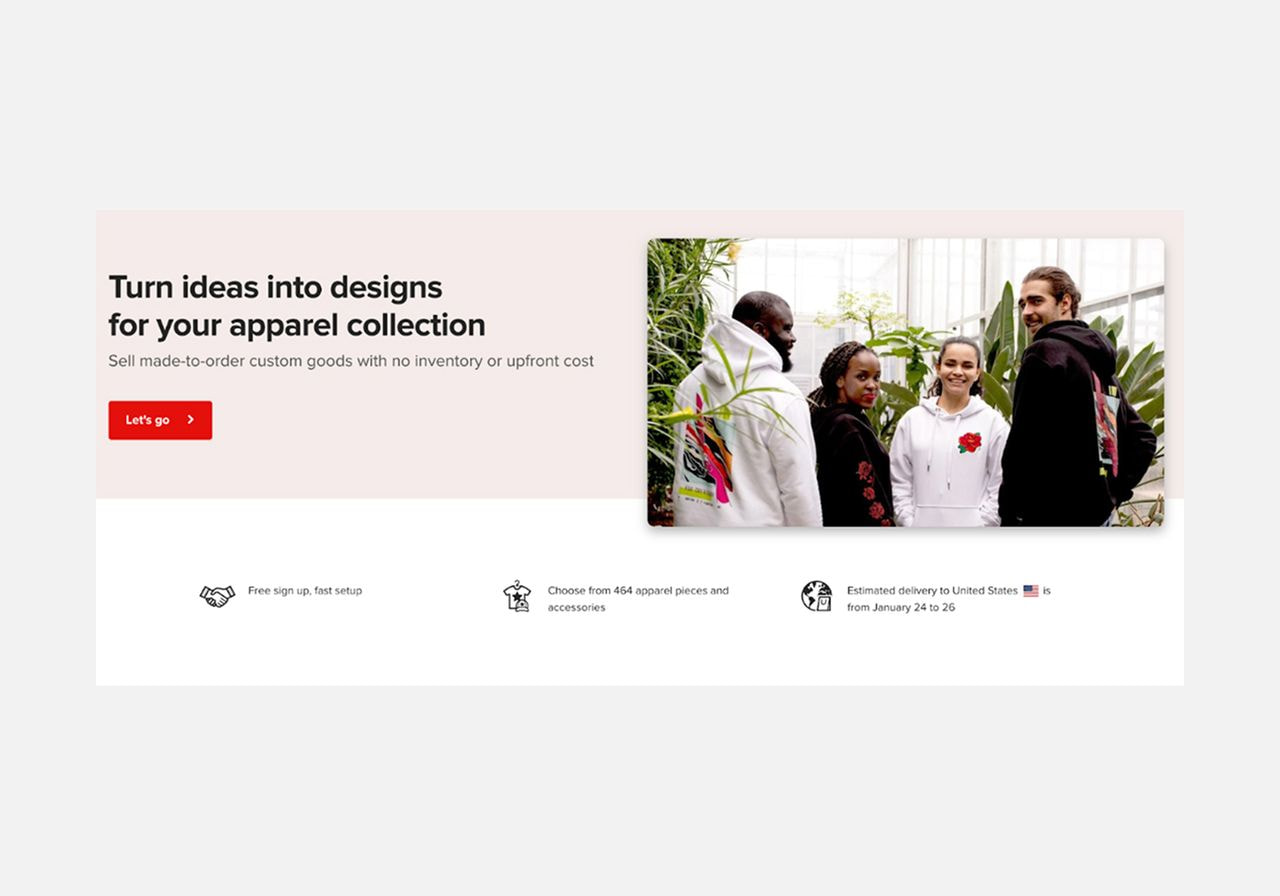
Selling your own products isn’t just another revenue stream – it’s ownership. You control the pricing, the design, the messaging, and the profit margins. And unlike brand deals or affiliate links, this income doesn’t rely on someone else’s approval.
The easiest way to start? Use Printful. As a print-on-demand platform, Printful lets you create high-quality merch without holding inventory or paying upfront.
You design it. We print, pack, and ship it under your name. Sign up, design, and publish!
Best-selling product types include:
If you’re already posting regularly, you’re halfway there. Tie your product to your niche. A fitness influencer might launch branded resistance bands or performance wear. A fashion influencer can create limited-edition capsule drops.
Even micro influencers can turn inside jokes, slogans, or viral moments into physical merch that fans love.
To boost sales, make sure to:
-
Show products in use across your social media posts
-
Add product tags directly to Instagram or TikTok content, or better yet – open a TikTok Shop
-
Create urgency with drops, countdowns, or time-limited designs
-
Build a storefront or link to your Printful-integrated platform
This is where influencer content becomes commerce. No gatekeepers. No commission splits. Just you and your audience – and a product they want to own.
Read more: How to start a clothing brand
5. Selling digital products
If you want full control over your revenue and the flexibility to earn while you sleep, sell digital products. These are assets you create once and sell repeatedly, with no inventory and no shipping hassles.
What counts as a digital product?
-
Ebooks, checklists, and downloadable guides
-
Notion templates, planners, or design tools
-
Presets for photography or video editing
-
Audio files, stock images, or slide decks
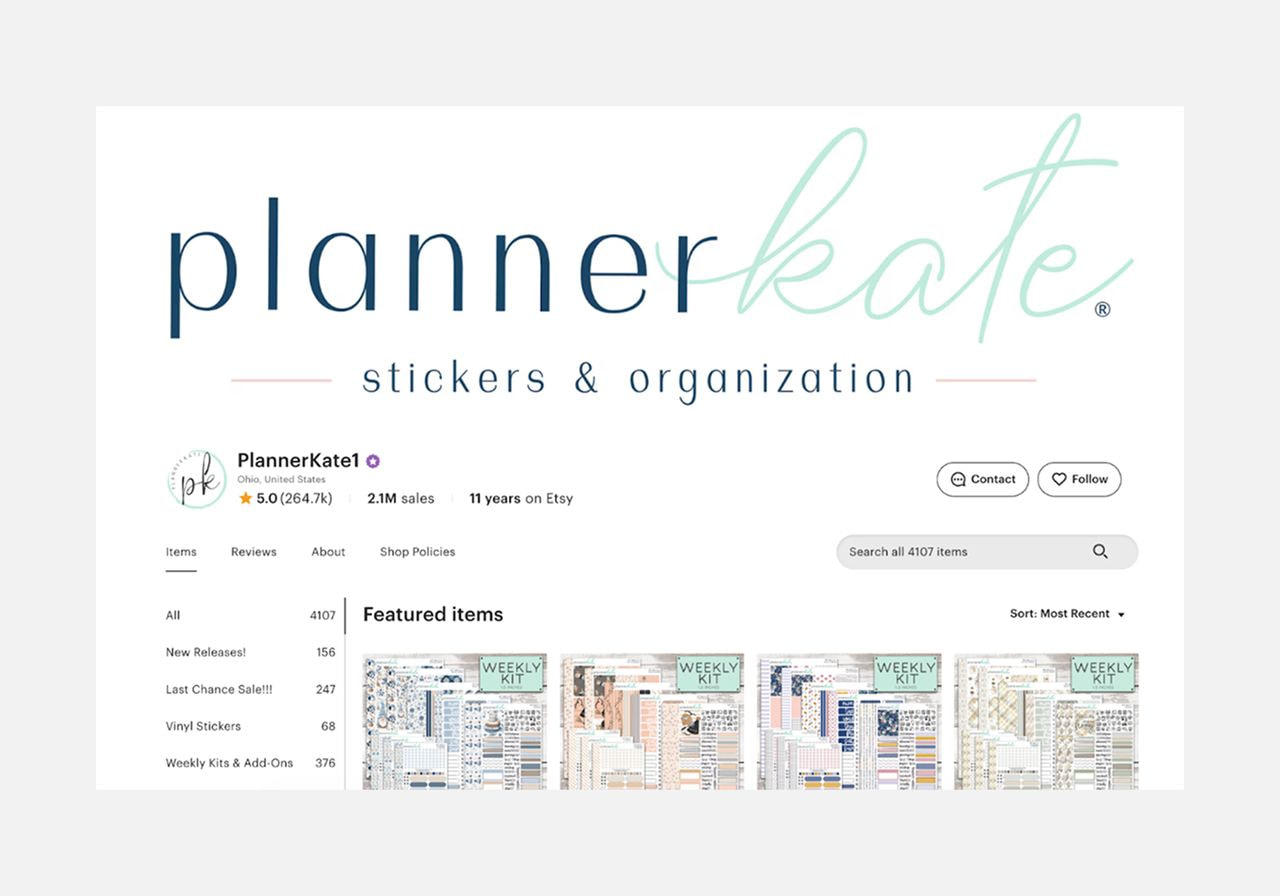
PlannerKate1 is one of the most successful Etsy sellers, mostly profiting from downloadable planners and stickers. Source: Etsy
This model works especially well for creators in education, design, productivity, and tech. If you’re already creating how-to content or teaching on platforms like Instagram or YouTube, you’re sitting on product ideas.
Popular tools to sell digital products:
-
Gumroad or Payhip – easy for simple downloads
-
Podia, Teachable, or Kajabi – best for course-style delivery
-
Etsy – great for planners, templates, and creative files
Want to make it work? Focus on quality, utility, and branding. A basic PDF won’t cut it anymore. Make it look great. Add value. Include bonuses. Let your followers know exactly how your product improves their lives.
-
Tie it into your content calendar
-
Mention it in your videos or caption
-
Share behind-the-scenes looks at your process to build anticipation
Selling digital products is the most scalable way to generate extra income from your skills. It’s low-risk and high-margin, and you can start with what you already know.
6. Platform monetization programs
Social platforms now reward creators directly for engagement and reach. You no longer have to wait for a brand to notice you. If you consistently publish content, you can get paid by the platform itself.
Examples of monetization programs include:
-
YouTube AdSense – earn a cut of ad revenue from video views
-
Instagram subscriptions – fans pay monthly for exclusive content
-
TikTok Creator Fund – payouts based on views, engagement, and region
-
Facebook creators – eligible users can access bonus programs, stars, and ad revenue sharing
These programs work best for creators who post regularly and have a predictable content format. While the payouts aren’t always huge, they add up, especially when paired with other income streams.
Tips to maximize earnings from platform programs:
-
Follow each platform’s eligibility requirements and apply early
-
Focus on consistency and volume
-
Study what’s currently trending and tailor your posts without losing your voice
-
Use built-in features like product tagging, live gifts, or ad placements
The advantage of these programs is simplicity. No cold pitching. No contracts. Just create, post, and get paid. Over time, as your audience grows, so will the payouts.
Read more: How to make money on TikTok
7. Fan subscriptions and memberships
Recurring income is powerful. Subscriptions let your most loyal followers support you directly. In return, they get access to special perks, behind-the-scenes content, or a private community.
Popular platforms for fan subscriptions include:
-
Patreon – full-featured with content tiers and community tools
-
YouTube channel memberships – integrates with your content and live chats
-
Instagram subscriptions – fans pay monthly for bonus stories, reels, and lives
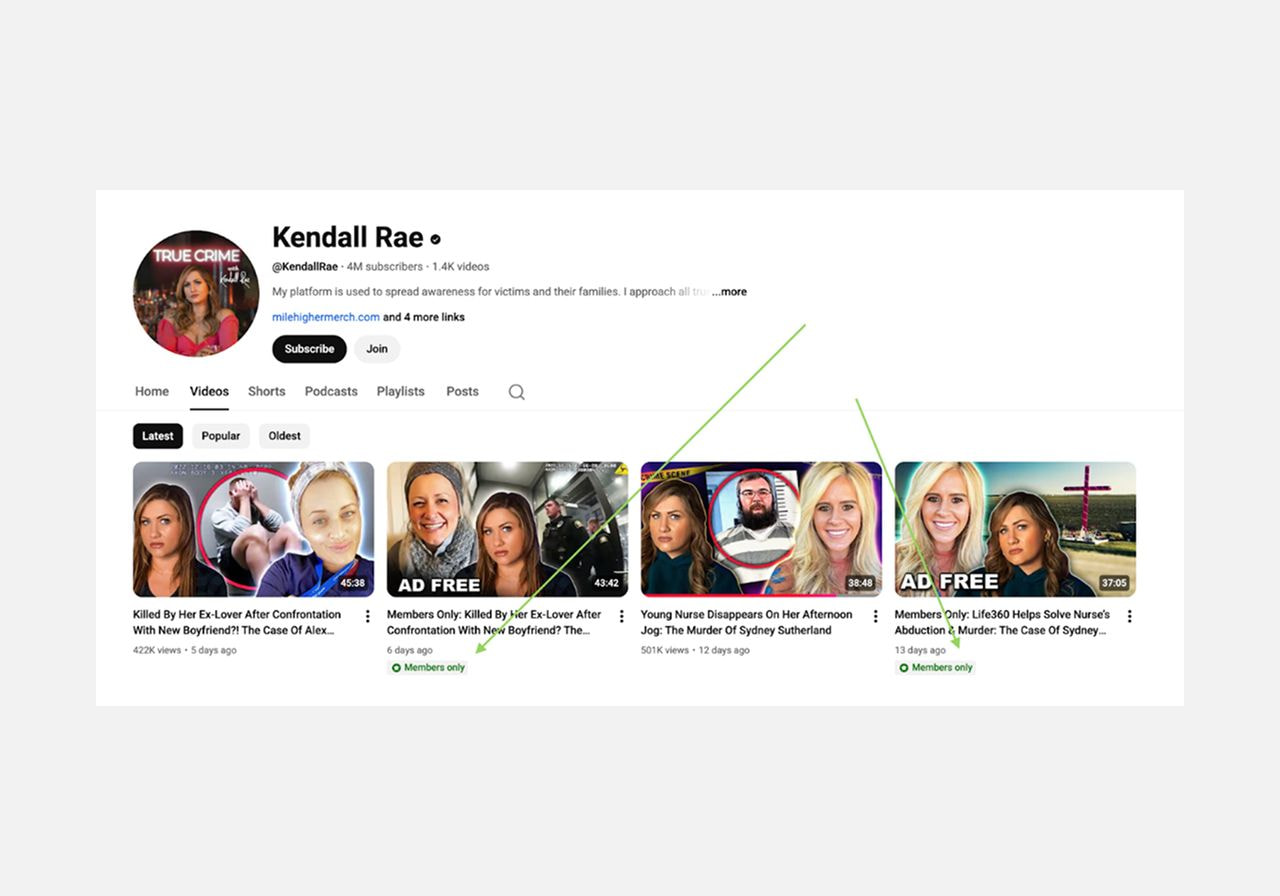
Kendall Rae, the most popular true crime YouTuber, offers weekly members-only paid content
This works especially well for creators who:
-
Build strong parasocial bonds with their audience
-
Have content that doesn’t rely on algorithms to get seen
-
Want to create exclusive content without worrying about ad reach or platform volatility
Perks can include:
-
Bonus videos or podcast episodes
-
Custom emojis and stickers
-
Early access to posts or products
-
Shoutouts, Q&A sessions, or private group chats
The key to growing your subscriber base is consistency and value. Make them feel part of something. Let them in on your process. Deliver what you promised.
Fan subscriptions don’t replace all other income streams, but they’re a strong foundation. Even a small group of paying fans can create dependable cash flow.
8. Live stream monetization
Live content is one of the fastest ways to connect and convert. It’s immediate, personal, and often impulsive, which makes it perfect for revenue.
Most social platforms now offer built-in tools for real-time monetization. Viewers can send gifts, tips, or badges during your stream as a thank you for entertaining, educating, or interacting.
Live monetization options include:
-
TikTok LIVE gifts – fans purchase and send coins during your live broadcast
-
Instagram badges – followers pay to highlight their comments
-
YouTube Super Chats and Super Stickers – stand-out messages in livestreams
-
Facebook Stars – similar tipping system for eligible creators
Who this works for:
-
Creators who thrive on interaction or performance
-
Fitness influencers doing live workouts
-
Motivational content creators hosting Q&As
-
TikTok influencers running comment-driven lives or giveaways
To increase your livestream earnings:
-
Stream consistently and at the same time
-
Engage directly with viewer comments and questions
-
Promote your stream in advance across your social media posts
-
Offer value. Teach, entertain, or tell great stories in real time
This type of content builds trust quickly and often feels more authentic than polished posts. It also taps into your audience’s desire to be seen and appreciated – one of the core reasons why people support content creators.
Read more: How to make money on Instagram
9. User-generated content (UGC) deals
You don’t need a massive audience to earn with your skills. In fact, some creators make a full-time income without ever posting to their own feed. That’s the power of UGC.
User-generated content means creating photos, videos, or reviews that brands use in their own marketing. You don’t have to share it on your channels. They pay you for the content itself, not your reach.
Types of UGC brands pay for:
-
Product demo videos for ads
-
Lifestyle shots for product pages or email campaigns
-
Unboxings, testimonials, and tutorials
Who this works for:
-
Smaller creators who are strong on camera but don’t want to build an audience
-
Aspiring content creators testing ideas and refining their style
-
Micro influencers looking to expand their services
Where to start:
-
Reach out to ecommerce brands that match your niche
-
Sign up for UGC marketplaces like Billo, Insense, or Trend
-
Pitch brands directly with sample videos or a UGC portfolio
To stand out, focus on clarity, storytelling, and production quality. You don’t need expensive gear. Just good lighting, clean audio, and a script that hits the product benefits.
UGC is exploding in the influencer industry because it delivers authentic content at scale. For creators, it’s a direct path to real income without worrying about follower count or algorithm games.
10. Online courses and workshops

If you know how to teach, simplify, or explain something well, you’re sitting on a course idea. Online learning isn’t just booming – it’s become one of the most stable ways to make money online.
Courses work because they turn your skills into structured knowledge. Whether it’s photography, writing, digital marketing, or interior design, there’s a target audience looking to learn.
What you can teach through online products:
-
A step-by-step process you’ve mastered
-
A topic your followers ask about often
-
Skills people can apply to save time, earn money, or improve their life
Popular platforms to host your course or workshop:
-
Teachable, Thinkific, and Podia – beginner-friendly and customizable
-
Kajabi – all-in-one solution with sales pages and email tools
-
Zoom or WebinarJam – for live interactive workshops
To succeed with courses, build your material around what your social media audience already engages with. Use comments and DMs as intel. Record content in modules. Keep lessons tight and actionable. You don’t need to film professionally – but you do need to explain clearly.
Courses and workshops work best when you:
-
Offer real transformation, not just information
-
Include downloads or templates to increase value
-
Promote consistently across multiple ways – email, reels, pinned posts
Teaching online is a form of creating content that continues to sell even while you sleep. That’s the essence of passive income.
11. Coaching, consulting, or freelance services
Not all income needs to be passive. Sometimes, offering direct services is the fastest way to earn money and build credibility. Coaching and consulting let you charge for your time, skills, and knowledge, especially in saturated platforms where 1:1 guidance is in high demand.
Whether you’re a growth expert on Instagram, a content creator known for creating high-quality content, or someone who’s built a thriving brand in other niches, chances are someone wants to learn from you.
Examples of paid services influencers offer:
-
1:1 coaching calls on content strategy or branding
-
Freelance work in design, writing, video editing, or community management
-
Niche-specific advice, like product development, launch planning, or audience building
This path works well when you:
-
Want to offer immediate value while building long-term products
-
Need quick extra cash while growing your digital income
-
Are positioning for a long-term partnership or B2B opportunity
How to start:
-
Use Calendly or Ko-fi to book and manage sessions
-
Add a "Work With Me" page to your link in bio
-
Promote availability through case studies, testimonials, or Q&A sessions on your stories
You don’t need a massive following to be in demand. You just need proof that you know what you’re doing and a process to help others get similar results.
12. Speaking engagements and events
Speaking gigs are where influence meets authority. If you’ve built a reputation as a social media creator who knows your stuff, brands, schools, and conferences may want to bring you in as a guest speaker or panelist.
These events are powerful income drivers. They not only help you make money, but also position you as a thought leader beyond social media. You gain visibility, credibility, and often, new business opportunities.
Types of events that pay influencers to speak:
-
Industry conferences and trade shows
-
Brand launches or PR activations
-
Creator summits, workshops, or digital marketing panels
-
Virtual webinars or paid livestreams
Organizers often look at your engagement rate, niche expertise, and ability to communicate clearly. It’s not about being the loudest in the room. It’s about being trusted by your audience and respected in your space.
How to land speaking opportunities:
-
Add a speaking section or press kit to your site or link in bio
-
Reach out to event organizers in your niche
-
Share speaking clips on your feed or pinned posts
Look at how your favorite creators extend their brand this way. Many start small—guesting on podcasts, then hosting panels, and eventually keynoting large conferences.
Speaking gigs aren’t always frequent, but they pay well and unlock new levels of reach and authority.
Additional monetization methods to explore

While the top 12 strategies form the foundation for most creators, here are a few more ways influencers make money across platforms and niches. These may not be your core focus, but they’re still worth considering as you expand.
13. Licensing and royalties
-
Monetize your content through licensing deals. This includes art, music, photos, and even branded phrases.
-
Sell stock photography or license your designs for commercial use.
14. Reselling gifted products
-
If you receive PR packages or brand gifts, you can resell unused items legally on platforms like eBay or Depop.
-
Great for smaller creators who receive more than they use.
15. Hosting events or workshops
-
Use your local influence to run ticketed events, both online and offline.
-
These work well for travel influencers, fitness influencers, and niche educators.
16. Book deals and publishing
-
A strong voice or unique point of view could lead to publishing deals or self-publishing success.
-
Many content creators repurpose long-form content into ebooks or printed guides.
17. Donations and fan support
-
Set up a Ko-fi, Buy Me a Coffee, or PayPal.me for followers who want to support your work casually.
-
Simple, recurring contributions can help you fund passion projects or new gear.
18. Amazon influencer storefronts
-
Curate and recommend products using Amazon’s dedicated program for influencers.
-
Earn commission from every qualified purchase without shipping or fulfillment duties.
Each of these ideas can work alongside your main income sources. The more aligned they are with your brand, the more sustainable they become.
Legal, ethical, and disclosure considerations (Often missing)
Making money as an influencer isn’t just about content, because it also comes with responsibility. Transparency isn’t optional. Whether you’re working with big brand collaborations or posting a one-time #gifted story, clear disclosure builds trust and keeps you compliant.
What the law requires: If you’ve been paid in cash, gifts, or affiliate earnings to promote products, you must disclose the relationship. Even if it’s a single post. This applies across platforms, from TikTok influencers and YouTubers to Instagram and blogs.
Best practices for disclosure:
-
Use visible hashtags like #ad, #sponsored, or #paidpartnership at the start of the caption
-
Avoid burying disclosures at the bottom or in a collapsed comment
-
Don’t use vague phrasing like “Thanks to…” if there was compensation involved
The rules apply to all kinds of sponsored posts, including giveaways, affiliate codes, and paid shoutouts.
Why it matters:
-
It keeps you aligned with FTC guidelines (or your country’s local regulations)
-
It maintains your credibility with your social media audience
-
It protects your future income from being tied to non-compliant practices
The influencer space is evolving fast, but ethics stay constant. Be honest. Disclose clearly. And treat your followers with the respect they give you.
How does an influencer make money: Conclusion
As you saw, influencers make money in many ways, and the best ones don’t rely on just one. Whether you’re creating short-form videos, sharing in-depth tutorials, or publishing photos that inspire, creating content consistently is the first step.
From there, monetization depends on how well you know your audience and how smartly you stack your streams.
It’s no longer just about audience size. Some mid-tier influencers earn more than celebrities because they focus on trust, engagement, and strategy. Others tap into platform tools like the Creator Fund to generate extra income while they scale.
If you’re serious about making this work, focus on value and authenticity. Pick monetization models that match your goals and energy. Test multiple revenue streams, track what works, and keep building.
Influencer income is real. But so is the work behind it.
Frequently asked questions
A micro influencer with strong engagement and smart positioning can earn money through sponsored posts, affiliate links, or even premium content subscriptions. Some nano influencers bring in $200-$1,000 per month with just a few brand deals or UGC packages.
Add Google AdSense or ads revenue sharing from YouTube or TikTok, and the numbers climb. It depends on how consistent you are with creating content and how well you match with a brand’s goals.
There’s no set timeline. Most creators see traction after 6 to 12 months of consistent posting, community building, and platform optimization. If you’re posting valuable content, showing up in comments, and building trust, opportunities to pay creators follow.
Joining programs like the Creator Fund or using tools like Google AdSense can create small income streams as you grow.
No. Brands today look beyond audience size. Your engagement rate, niche, and content quality matter more. For example, a fashion influencer with 8,000 followers and a 6% engagement rate might land better deals than someone with 50,000 passive followers.
Even a travel influencer or Amazon influencer with under 10k followers can earn through affiliate sales, UGC, or product reviews.
Income isn’t always stable. If you're relying too heavily on one platform, algorithm changes can affect your visibility and ad revenue. You also deal with burnout, creative pressure, and the public nature of your work. Some creators feel boxed in or overly commercialized.
Those who diversify by adding merch, consulting, traditional media features, or recurring income from ad revenue sharing usually weather the ups and downs better.
Read next: Influencer marketing trends ypu need to know

Zane is a sharp-witted writer with a deep interest in eCommerce, branding, and creative entrepreneurship. With a knack for blending humor, insight, and no-nonsense advice, she crafts engaging content that helps merchants learn and businesses grow. When she’s not dissecting industry trends, she's exploring philosophy, music, and the perfect balance between solitude and connection.

