



Table of contents
Sustainable fashion in Print on Demand is no longer a fringe conversation – it's the new baseline for buyers, brands, and the platforms that support them.
This guide breaks down what counts as sustainable today, where the market is heading, the trends shaping POD, and how merchants can build credible, eco-minded brands without falling into greenwashing traps.
What is sustainable fashion?
Sustainable fashion is the design, production, and distribution of clothes in ways that reduce environmental harm and improve social conditions across the supply chain.
It covers materials (organic cotton, recycled polyester), production methods, water and energy use, working conditions, packaging, and end-of-life impact. Sustainability in fashion isn't one practice – it's a whole set of choices made at every stage of a garment's journey.
Why fashion sustainability is a growing concern
The fashion industry's environmental impact is massive and well-documented. Every year, 92 million tons of textile waste end up in landfills or incinerators – the equivalent of a garbage truck full of clothing being burned or dumped every second.
-
The sector accounts for around 10% of global carbon emissions – more than international flights and maritime shipping combined.
Add fast fashion's reliance on cheap labor, hazardous substances in dyeing, and water-intensive cotton production – and the picture sharpens. Discarded clothing, environmental damage, and labor exploitation have pushed buyers, regulators, and brands to find better ways to make and sell clothes.
The sustainable fashion market right now
The numbers tell two stories at once: growing demand and an industry still figuring out how to meet it credibly.
How big is the sustainable fashion market?
In 2026, the global sustainable fashion market is valued at roughly $10 billion – projected to nearly double by 2032. Apparel makes up the largest share at around 48% of the market, with organic fabrics leading the materials category.
The fashion sector is finally treating sustainability as a long-term growth strategy, not a side project – and for POD sellers and small businesses, that's a market window worth watching.
Who's buying sustainable clothes?
Younger generations are driving the shift in consumption patterns. The numbers are striking:
-
65% of Gen Z and 63% of Millennials say they're willing to pay more for environmentally sustainable products. Around a quarter have already researched a brand's environmental impact before buying.
-
Gen Z shoppers are 53.1% more likely to buy based on sustainability than brand name – meaning ethics outweigh logo loyalty for the next generation of consumers.
What does it mean for sellers? More buyers are checking labels, scrutinizing claims, and rewarding brands that back up their words with documentation. The era of vague green messaging is closing fast.


Why Print on Demand is a naturally sustainable business model
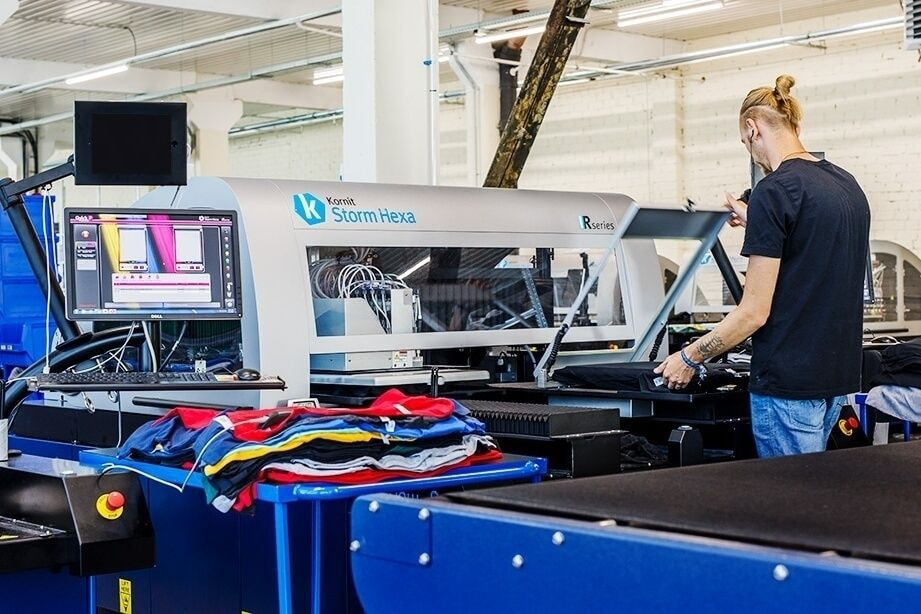
Print on Demand isn't a silver bullet, but it addresses one of the fashion industry's biggest structural problems: overproduction. By printing only after a customer orders, POD removes the speculative inventory cycle that drives so much textile waste.
Made-to-order means no overproduction
Traditional fashion production starts with forecasts – a brand estimates how many units will sell, then manufactures bulk inventory, hoping it clears. When it doesn't, leftovers head to landfills, incinerators, or deep-discount racks.
-
Up to 21% of newly created garments go unsold each year – a staggering waste of materials, labor, and energy.
Made-to-order flips the model. Products enter production only after a sale, which means fewer resources spent on items nobody buys, no surplus inventory, and no clearance fire sales.
For merchants, that translates to lower upfront risk. For the planet, it means less new clothing produced just to sit in a warehouse before being thrown out.
Local fulfillment lowers the shipping footprint
A custom hoodie shipped from a fulfillment facility in the same country as the buyer travels a fraction of the distance of one shipped from the other side of the world.
POD networks match orders to nearby Print Providers whenever possible, cutting transport emissions, fossil fuels burned in long-haul logistics, and the greenhouse gases that come with international air freight.
It also shortens the product's life cycle from order to delivery. Printful uses on-demand manufacturing across multiple in-house facilities to reduce shipping distances and improve fulfillment speed – making local delivery a structural advantage of the model, not an optional add-on.
The limits POD alone doesn't solve
POD makes a real dent in overproduction, but it doesn't make every product automatically sustainable. The model still has real limits worth being honest about:
-
Material choices. A POD platform offers blanks across the spectrum – conventional cotton, polyester blends, and certified organic cotton or recycled polyester. Choosing the right base matters.
-
Printing methods. Some printing techniques use water-based inks (lower-impact), others use plastisol or solvent-based inks (higher-impact). The print itself can undo the gains of an organic blank.
-
Packaging. Plastic mailers and over-packaged orders add to the textile industry's plastic footprint. Recycled or recyclable packaging makes a difference.
-
Returns and waste. Even on-demand orders get returned, and returned apparel often ends up in landfills.
-
End-of-life impacts. Once the garment leaves the customer's closet, it still needs somewhere to go – donation, resale, recycling, or, unfortunately, the bin.
POD reduces overproduction. It doesn't replace responsible material sourcing, ethical production practices, or thoughtful design. Merchants who treat POD as the start of the work – not the finish – build the strongest sustainable fashion brands.
Sustainable fashion practices POD sellers can adopt today
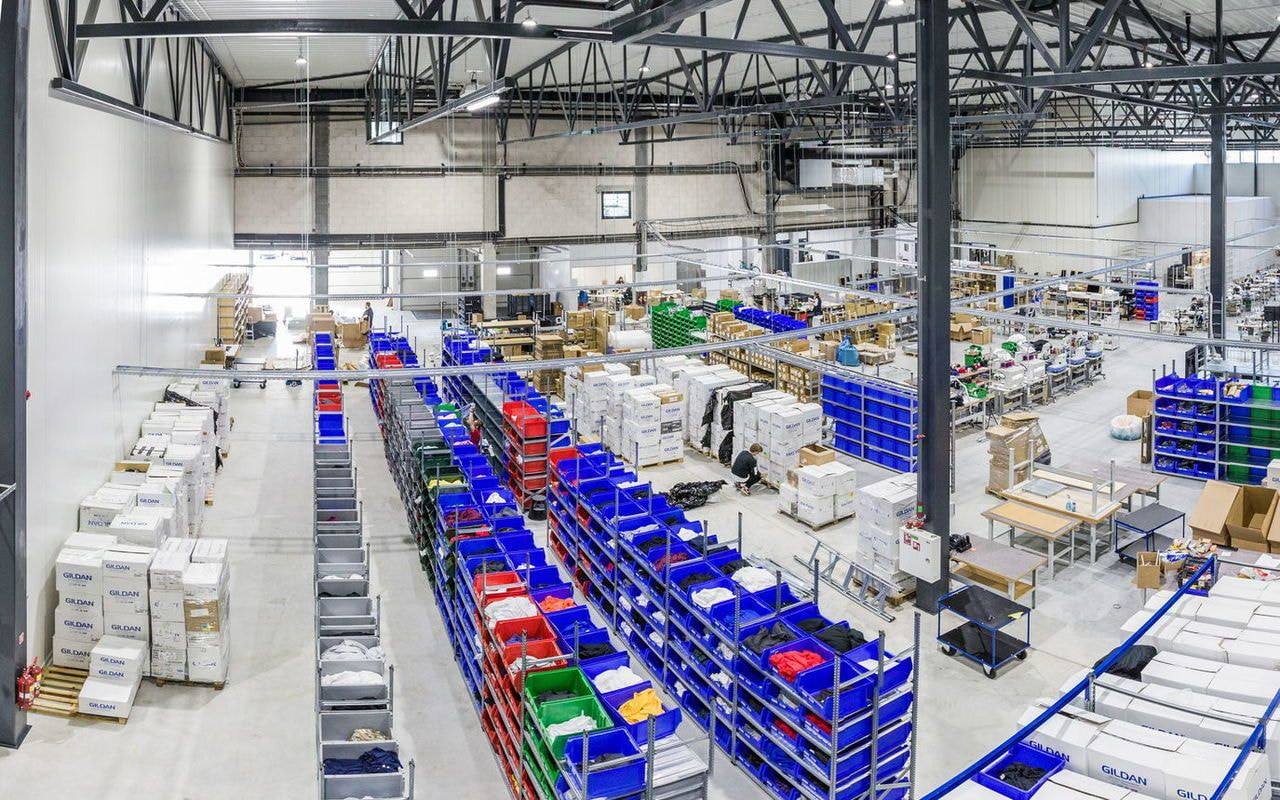
Here's what merchants can actually do to lower their environmental impact without overhauling the entire business.
Choosing eco-friendly fabrics
Material choice is the single biggest lever. Printful's eco-friendly Catalog section includes sustainable clothing made with at least 70% organic cotton, recycled polyester, or a blend of both.
Sustainable fibers and recycled materials ease pressure on the cotton industry, lower pesticide use, and reduce virgin polyester demand. Browse the full guide to sustainable fabrics for a deeper breakdown of which materials work for which products.
Sustainable inks and printing methods
Most POD companies offer multiple print techniques – direct-to-garment (DTG), direct-to-film (DTF), sublimation/all-over-print (AOP) and screen printing – and not all are equally sustainable.
Water-based inks used in DTG printing avoid PVC, phthalates, and harsh solvents that contain hazardous substances. Some inks carry OEKO-TEX® ECO PASSPORT certification, verifying they meet safety standards for chemical content.
Printful uses in-house DTG, DTFlex, sublimation, and embroidery methods, with ink choices that vary by facility and product – check each product page for specifics before adding claims to your shop.
Packaging that doesn't undercut your eco-credentials
Eco-friendly clothes shipped in plastic bubble mailers send a mixed message. Recycled or recyclable packaging closes the loop.
Printful uses recycled packaging options across its facilities and continues to expand lower-impact materials. Merchants can also choose Printful's Standard shipping rate with CO₂ offsetting at checkout, which contributes to certified projects reducing global carbon emissions.
Certifications worth knowing
Certifications turn vague claims into verifiable ones. The key ones for POD sellers:
-
GOTS (Global Organic Textile Standard) and OCS (Organic Content Standard) verify organic fiber content and supply chain integrity.
-
GRS (Global Recycled Standard) and RCS (Recycled Claim Standard) verify recycled sustainable material content and traceability.
-
OEKO-TEX® STANDARD 100 tests textiles for harmful substances. OEKO-TEX® ECO PASSPORT does the same for inks and chemicals used in production.
Each certificate applies to a specific product, material, or facility – never the entire Catalog. Always check what's actually certified. For a list of goods meeting these thresholds, see eco-friendly products to sell.
Sustainable clothes trends shaping POD in 2026
Buyers want clothes that look good, last long, and reflect their values. Four trends are defining how sustainable POD fashion shows up in 2026.
Quiet luxury and durability over disposability
The defining sustainable trend of 2026 is quietness. Quiet luxury rejects logos, hype drops, and trend-chasing in favor of timeless garments built to last.
-
Heavyweight tees, structured blazers, well-made hoodies – pieces designed to outlive the season.
The quality-first mindset aligns naturally with sustainability because longer garment life means fewer replacements.
Brands like Patagonia have built customer loyalty around the same idea, even offering free repairs on their products to extend usable life. POD designers leaning into quiet luxury skip flashy graphics and focus on cut, weight, and color – pieces that feel intentional rather than trend-driven.
Gorpcore and performance fabrics with a sustainability angle
Gorpcore – outdoor-meets-streetwear styling with technical jackets, cargo pants, and trail-ready accessories – has gone mainstream.
-
The trend leans heavily on performance fabrics, many made with recycled polyester from plastic bottles.
Brands like Patagonia, Houdini, and Arc'teryx set the standard, and POD sellers can tap the same aesthetic with recycled-content tees, fleece, and bottoms. The look reads outdoorsy and durable, but the materials story is what gives it real staying power – a style that performs and backs it up.
Color palettes that signal eco-consciousness
Earth tones are back and louder than ever. Olive, ochre, terracotta, clay, oat, sage, and warm browns dominate sustainable collections because they read natural, grounded, and intentional.
Bright synthetic neons feel out of place next to a brand story about regenerative cotton or recycled fibers.
POD sellers building eco-minded lines should think about color palette as part of the message – muted, earthy, considered shades reinforce the values the products carry. It's design language buyers read instantly.
Unisex and size-inclusive design
Sustainability and inclusivity are converging. Unisex cuts reduce the number of SKUs a brand needs, simplify inventory, and reach more buyers without separate men's and women's lines.
Meanwhile, extended size ranges signal that responsible fashion serves everyone, not just sample-size shoppers. Designers building POD collections in 2026 are leaning toward relaxed, gender-neutral fits in extended sizing – good for sales, good for reducing overproduction risk, and good for brand credibility.
Greenwashing in fashion sustainability – And how to avoid it
The hardest part of sustainable fashion isn't doing the work. It's communicating it without overselling.
What greenwashing looks like in practice
Greenwashing happens when brands make environmental claims that sound bigger than the reality behind them.
Common examples include:
-
Calling a whole product sustainable when only one component is certified.
-
Using words like eco-friendly or green without specifying what makes it so.
-
Adding leaf icons on packaging without certifications to back them up.
-
Implying a brand-wide commitment when only a small product line qualifies.
Regulators across the EU, UK, and the US are tightening rules on vague claims, and consumer trust drops fast when buyers feel misled.
How to communicate your sustainable practices credibly
Specificity wins.
Instead of "made with sustainable materials," write "made with 70% GOTS-certified organic cotton and 30% recycled polyester."
Instead of "eco-friendly," explain what certification, percentage, or process backs the claim.
Keep substantiation right next to the claim itself – not hidden behind a "learn more" link. List the certificate number and issuing institute when referencing certifications. If only the fabric is certified and not the whole garment, say so.
The brands buyers trust most aren't the ones making the boldest claims – they're the ones making the most honest ones.
How to build a sustainable POD brand
Building a sustainable POD brand takes more than picking organic cotton blanks and calling it a day. Here are four practical starting points for businesses serious about doing it right.
Start with your product catalog
Your catalog is the foundation of every claim you'll ever make to customers. Start by auditing each item against verified standards – GOTS, OCS, GRS, RCS, or OEKO-TEX® STANDARD 100 – and filter for products with at least 70% organic cotton, recycled polyester, or other sustainable fibers.
Cut the items that don't meet your bar. The leaner the catalog, the easier it is to make accurate claims across your store. This is where most sustainable brands either earn buyer trust or quietly lose it.
Find a POD partner whose values match yours
Your supply chain decides how far your sustainability story can stretch.
Look for POD partners that publish ESG reports, follow a supplier Code of Conduct, track emissions through frameworks like the Greenhouse Gas Protocol, and openly disclose environmental footprint data.
-
Ask the hard questions: Where is clothing produced? Who monitors working conditions? What happens to defective inventory? How does the partner approach circular solutions across the supply chain?
Strong partners welcome the scrutiny because their work backs up their answers – and they actively support social change in the regions where most clothing manufacturers operate.
Tell your sustainability story
Sustainability storytelling earns trust when it's specific and human. Skip the broad slogans like "we love the planet" and explain exactly what your products are made of, what certifications back them, who produces them, and what you're still working on.
Talk about any secondhand clothing programs you support, free repairs you offer, or the recycled polyester percentage in each tee. Sustainable brands shaping the fashion world today are the ones willing to share progress and gaps.
Price it right
Sustainable materials cost more than conventional ones – that math doesn't budge. Pricing too low undercuts the work, pricing too high alienates the buyers who care most.
-
Mid-premium positioning works best: Above fast fashion, below true luxury, with quality and ethics as the differentiators.
Build pricing around the real story – certified organic cotton blanks, recycled polyester blends, lower-impact inks, and ethical production practices all cost something to deliver. Buyers will pay for verified value. For pricing context on how custom and ethical clothing compare with the fast-fashion model, read our guide on custom apparel vs fast fashion.
Start a sustainable fashion brand with Printful
Printful combines unmatched quality with in-house printing across multiple global facilities, every major print technique, and a dedicated eco-friendly Catalog with apparel made from at least 70% organic cotton, recycled polyester, or sustainable fibers.
The on-demand model removes overproduction from the equation, recycled packaging closes the loop, and CO₂-offset shipping cuts the environmental footprint per order.
Add it all up, and you've got the structure to build a sustainable business without inventory risk – plus the production quality that turns first-time buyers into repeat customers.

What comes next for fashion sustainability and POD
The next phase of sustainable fashion is taking shape across three big shifts that will define the fashion industry through the rest of this decade.
Circular fashion moves from concept to infrastructure
The Ellen MacArthur Foundation continues to push fiber-to-fiber recycling, garment leasing, and resale-as-default. The Global Fashion Agenda and Changing Markets Foundation publish roadmaps for circular economy adoption across major brands, with momentum building toward measurable circular solutions rather than marketing language.
McKinsey's State of Fashion 2026 report highlights circular business models, AI-driven supply chain transparency, and waste reduction as the biggest sustainability opportunities for the fashion sector.
Regulation is catching up to marketing
The EU's Green Claims Directive and similar enforcement across the US and UK will force brands to substantiate every environmental claim or face penalties. The United Nations Environment Programme continues calling for sustainable development across the clothing industry, while publications like Vogue Business report that brands building documentation systems now will outpace competitors scrambling later.
Greenwashing won't just hurt reputations soon – it'll trigger fines.
Traceability becomes the new frontier
Digital product passports, blockchain-tracked supply chains, and AI-powered material verification are entering mainstream adoption. POD is well-positioned for the shift because on-demand production is inherently easier to track than bulk inventory pipelines.
The brands combining made-to-order manufacturing with transparent sourcing and verified certifications will define sustainable fashion in the years to come.
Conclusion
Sustainable fashion in 2026 rewards brands that pair real practices with honest storytelling. Choose certified materials, lower-impact production, and partners who care about the environment as much as you do – and the customers who care about sustainable clothing will find you.
Printful delivers the quality, the eco-friendly Catalog, and the on-demand model to make it happen.
Sustainable fashion: FAQ
Fashion sustainability refers to designing, producing, and selling clothing in ways that minimize environmental impact and respect workers across the supply chain. It covers material sourcing (organic cotton, recycled polyester, sustainable fibers), water and energy use, hazardous substances in dyes and finishes, packaging, labor conditions, and end-of-life impact.
The 3-3-3 rule is a consumer styling guideline encouraging buyers to wear each clothing item at least 30 times, mix it across three different outfits, and keep it in rotation for at least three seasons. It pushes back against the fast fashion, disposable mindset and promotes clothing production built to last. For sustainable brands, it's a useful framing when designing pieces meant to live in a wardrobe long-term rather than burn out after one wash.
The 7 Rs are reduce, reuse, recycle, repair, repurpose, resell, and refuse. Together, they form a framework for addressing waste and sustainability issues at every stage of a garment's life. To help the environment, brands are giving recycled materials new use cycles instead of sending discarded clothes to landfills.
The 5 R's – reduce, reuse, recycle, repair, and rethink – are a streamlined version of the 7 Rs. They focus on the highest-impact actions: reducing new purchases, reusing what you own, recycling fibers when possible, repairing damaged garments, and rethinking how and why we produce clothing in the first place. For POD businesses, the 5 R's translate into designing fewer, better products built for longer wear and developing intentional product styles that reward repeat use.

By Baiba Blain
With 7+ years of experience in translation and creative writing, Baiba now leads a squad of talented writers, balancing research-backed storytelling with team guidance, quality assurance, and SEO processes. Outside of work, she enjoys exploring old castles, spontaneous road trips, and talking back to her cats. 10/10 arguments won so far.

