



Table of contents
Marketing to Gen Alpha means designing for interaction, not attention. This generation grows up inside screens, games, and platforms that respond instantly, and they expect brands to behave the same way.
Their attention works differently. It’s shorter, sharper, and conditional. If nothing happens, they move on.
In this article, we’ll discover how to engage Gen Alpha with your digital marketing strategies early and build familiarity long before their real spending power kicks in.
Who is Gen Alpha, and why should your business care?
Generation Alpha – born from 2010 onward – is the first generation raised entirely in a world of touchscreens, voice assistants, and personalized video content. Many started interacting with digital devices before they could walk.
This early exposure matters for marketers because Gen Alpha already influences household spending, even though most aren't old enough to have their own money.
They shape what their millennial parents buy, from snacks to streaming subscriptions. Their preferences form early, spread quickly among peers, and tend to stick.
What makes Gen Alpha different as consumers?
Gen Alpha expects to interact, not observe. They tap, swipe, respond, and customize. Content that does not invite participation loses relevance immediately.
Three traits define their behavior as consumers:
-
Visual-first communication over long explanations
-
Immediate feedback instead of delayed payoff
-
Low tolerance for passive advertising
Brands that design for interaction earn attention. Brands that broadcast messages lose it.
Why this matters now
Brand awareness with Gen Alpha begins years before they have spending power of their own. By the time they're making independent purchases, their preferences and loyalties are already forming.
Businesses that build familiarity now will have an advantage over those trying to win this generation over later.
How the youngest digital natives really interact online

Tech-savvy Generation Alpha interacts online through constant feedback, speed, and control. Unlike Gen Z, this digitally native generation does not browse passively. Digital spaces are the default environments from which they operate from a young age.
What defines the Generation Alpha online behavior?
-
They move between media platforms seamlessly and expect content to react instantly.
-
Brands lose Gen Alpha’s attention if nothing happens in the first few seconds – they need a hook.
-
They gravitate toward interactive elements that reward taps, choices, or progress.
-
They respond best to short, visual formats featuring familiar memes, game characters, or creators.
For Gen Alpha kids, interaction comes first. This behavior differs from that of previous generations, who were trained to consume content linearly.
What this means for brands
-
Passive ads and generic messaging get ignored.
-
Trust forms through consistency, not polish.
-
A dynamic and engaging experience matters more than production value.
Most Gen Alpha consumers do not buy directly, but they strongly influence purchasing decisions. Their preferences guide what millennial parents click, compare, and buy. This early influence shapes Gen Alpha’s relationship with brands long before they become independent buyers.
Top 10 marketing trends for Gen Alpha in 2026
Reaching Gen Alpha consumers requires entirely new promotional and branding tactics. We’ve gathered the top 10 digital native marketing tactics to capture the younger generation’s attention.
1. AI-driven personalization and interactive experiences
Core shift: Gen Alpha expects digital experiences to adapt in real time.
Forget generic “you might also like” sections. AI tools like Klevu, Dynamic Yield, and Adobe Sensei now deliver real-time personalization across storefronts, emails, and social media feeds. Pages adjust on the fly.
Recommendations feel intuitive. And interactive elements respond based on what users skip, click, or ignore.
Duolingo nails this with adaptive online learning paths. It tracks how fast a user moves, what they struggle with, and reshapes the experience on the spot, all without asking. For a generation raised on smarter technology, this is the new standard.
This is where digital-first marketing and UX (user experience) fuse. A personalized UX is the key to engaging Gen Alpha for the long run.
To make it work:
-
Use behavior-based segmentation, not generic sequences.
-
Build an interactive content strategy that adapts per session.
-
Use dynamic layouts optimized for scroll speed and preferences.
2. Gaming as a core marketing platform

Core shift: Games are social spaces, not entertainment products.
Roblox, Fortnite, and Minecraft function as media platforms, commerce environments, and community hubs. For Gen Alpha kids, these spaces blend play, identity, and discovery inside a persistent virtual world.
Nike does this exceptionally well with their Run Club and Training Club. These features incorporate challenges, badges, leaderboards, and progress tracking, turning fitness into a game-like experience that reinforces engagement with the Nike brand.
Why this works:
-
Engagement happens inside environments they already trust.
-
Exposure feels immersive, not interruptive.
-
It reflects buying behavior unseen in older generations.
Tools like Dubit and Gamefam help brands create games and interactive elements geared toward Gen Alpha to ultimately increase brand awareness and loyalty.
3. Short-form and video-first content dominance

Core shift: Video is the primary interface, not a content format.
Gen Alpha doesn’t consume video, as they basically live in it. TikTok, YouTube Shorts, and Reels are their primary content formats.
Creators such as Ryan’s World and Like Nastya dominate this space. Brands and products seen in their videos are more likely to attract Gen Alpha’s attention.
A prime example is a video from Ryan’s World featuring McDonald's, where kids play pretend with branded plastic foods, cooking equipment, and uniforms. This makes McDonald’s more noticeable to Gen Alpha than it would be with standard,interaction-free image ads.
Canva, CapCut, and Veed.io let even small teams produce mobile-optimized clips fast. To stay relevant, post videos frequently.
A few tips for creating appealing video content:
-
Repurpose user-generated content from creators and fans.
-
Keep visuals fast, fun, and built for vertical scroll.
-
Feature real people and recognizable voiceovers over polished ads.
4. Visual and interactive storytelling, and edutainment
Core shift: Learning and entertainment are one and the same.
Generation Alpha doesn’t separate learning and entertainment. Platforms Kahoot!, Toca Boca, and PBS Kids prove that playful storytelling is one of the strongest paths to retention and conversion.
If you’re selling art supplies, show how to use them with tap-to-color tutorials.
Launching a custom hoodie? Create a video of you using Printful’s Design Maker to create the graphics, choose the hoodie and color, place the design, and list it in your store.
Focus on:
-
Designing experiences that invite play.
-
Embedding tools that let users test, remix, or co-create.
-
Building product journeys that teach, not just sell.
5. Values-driven marketing: Sustainability and inclusivity
Core shift: Values influence trust and loyalty early.
Gen Alpha kids notice everything. They care about what brands stand for – and what they ignore. LEGO’s Everyone is Awesome, Nike’s social justice campaigns, and Patagonia’s radical transparency show how to put ethics at the center, not the footer.
How to highlight your impact:
-
Use platforms like Good On You to evaluate your environmental footprint.
-
Feature diverse faces, bodies, and families in product visuals.
-
Opt into sustainable production (like Printful’s eco-conscious product range).
This generation, together with their millennial parents, sees past the greenwashing. They want proof, not promises. Build trust now, and you earn brand loyalty that’ll last as they grow up.
6. Influencer and creator collaborations

Core shift: Familiarity matters more than reach.
Forget follower counts. Here, relevance wins. Gen Alpha trusts creators who feel like peers, not polished spokespeople. HiHo Kids, the Onyx Family, and kid-friendly gamers hold more influence than a celebrity ever could.
Tools like SuperAwesome, Collabstr, and Trend.io help run safe, age-appropriate influencer marketing campaigns. Instead of being generic paid posts, they’re collaborations that kids will find relatable.
This isn’t about going viral. It’s about your products taking center stage in daily routines.
Smart ways to incorporate collaborations:
-
Partner on challenges that live inside games or platforms.
-
Let creators showcase how they use, wear, or personalize products.
-
Tap into micro-creators with tight-knit audiences.
7. Gamification and reward-based engagement
Core shift: Progress promotes consistency.
Gen Alpha is built for loops, levels, and unlocks. LoyaltyLion, Tremendous, and Gameball allow brands to embed rewards, challenges, and digital collectibles directly into the customer experience.
To use this tactic:
-
Issue badges for completing a purchase, review, or referral.
-
Offer physical merch for big milestones (great for print-on-demand sellers).
-
Layer in streaks, status, or tiered rewards over time
Giving Gen Alpha a reason to interact with your brand every day through a rewards-based activity leads to higher engagement and long-term relationships.
8. Mobile-first and digital convenience
Core shift: Friction equals exit.
If it lags, they leave. If it confuses, they close. Gen Alpha doesn’t use computers. They use phones, tablets, and smarter technology that loads instantly and makes sense without explanation.
Test your site using PageSpeed Insights, BrowserStack, and Hotjar recordings. Look for drop-offs during login or checkout, then remove unnecessary steps.
What matters:
-
Fast, intuitive navigation
-
Zero-loading screens
-
Clear buttons and gestures
A digital-first approach isn’t a nice-to-have these days. It’s a must for your brand’s survival.
9. Phygital: Blending physical and digital worlds
Core shift: Digital interaction extends beyond the screen.
The real world and digital one aren’t separate anymore. Zara’s AI models, Nike’s augmented reality try-ons, and McDonald’s Happy Meal AR games all show how to create value that jumps between both.
If you use Printful, add QR codes to your product tags or packaging that lead your Gen Alpha customers to another branded experience.
Use tools like ZapWorks to let customers:
-
Watch behind-the-scenes design videos.
-
Unlock bonus content or style guides.
-
Interact with a mini-game tied to the item.
These immersive digital experiences make each delivery feel like an event – not just another box.
10. Safety and family-friendly messaging
Core shift: Trust determines access.
Gen Alpha's relationship with tech is constant, but their Gen Z and millennial parents still control their access. YouTube Kids, Epic!, and PBS Kids succeed because they make their safety standards visible – parents know exactly what their kids are getting, and that transparency is the product.
To earn that same trust, pursue credibility signals parents already recognize. Use KidSAFE certification or platforms like SuperAwesome to handle age-appropriate ad delivery, privacy compliance, and permissions. Avoid behavioral trackers and dark patterns like manipulative pop-ups – these erode trust fast and often violate regulations like COPPA (Children's Online Privacy Protection Act).
Build trust with:
-
Clear, age-specific language and visuals. A six-year-old and an eleven-year-old aren't the same audience.
-
Zero data creep – no behavioral tracking, no quiet data collection.
-
Messaging that supports families, not pressures them. Think reassurance, not urgency.
The margin for error is thin. One privacy misstep or false promise loses not just a customer, but the parents' trust entirely – and parents talk. Lead with genuine care, and you earn a place in the household's daily routine.
How Printful empowers your brand to connect with Generation Alpha
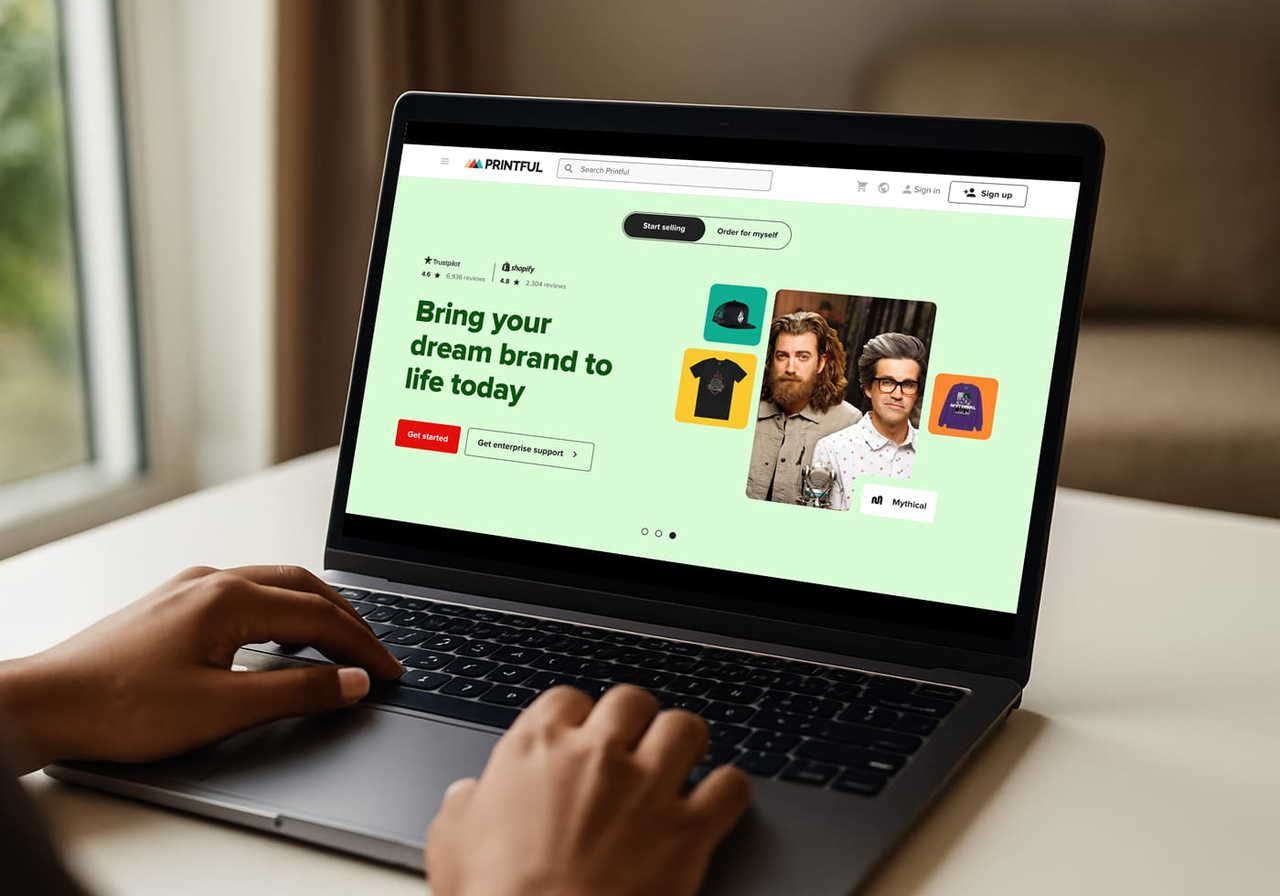
Printful gives brands the flexibility to create products that Gen Alpha and their millennial parents will love. To engage Gen Alpha, your product offering needs to go beyond basic, and Print on Demand is the perfect way to give them personalized everyday essentials.
Custom products that reflect Gen Alpha fashion
This new generation’s love for self-expression shows up in their style. Think bold graphics, playful typography, color blocking, and trend-driven fits. Gen Alpha fashion is shaped by YouTube, TikTok, and games, not store shelves.
Target Gen Alpha by offering oversized tees, matching sets, embroidered hats, and all-over prints (now, also available on cotton!) with relevant pop culture references, on-trend colors, and personalization options.
Printful makes it easy to:
-
Design on youth-sized apparel, baby clothing, backpacks, and accessories.
-
Tap into seasonal trends quickly before they’re already yesterday’s news.
-
Offer fresh designs without overstock thanks to print-on-demand production.
For young consumers, fashion is a playground. Printful lets your brand become their favorite slide.
Personalization tools that drive purchasing decisions
Generation Alpha wants options, and generic stuff won't cut it. Printful’s design tools let you tweak colors, add names, switch elements, or choose from pre-made templates, giving brands the power to deliver personalized experiences at scale.
This kind of micro-customization heavily influences purchasing decisions. Even if Gen Alpha’s parents are the ones clicking “buy,” it’s the child’s input that seals the deal.
Use these features to build shopping flows that feel more like play:
-
Interactive design previews
-
Add-your-name templates
-
Collaborative design options for groups or schools
Personalization makes your store part of the generation’s web experience – one they want to return to.
Fueling the creator economy for the next generation

Creators are driving what kids wear, watch, and want. Printful lets influencers and micro-brands launch instantly without needing inventory or handling fulfillment.
Whether it’s a kid YouTuber’s merch line or a Roblox creator’s IRL hoodie drop, Print on Demand helps creators meet their target audience where they already are.
Why it works:
-
Launching new products takes as little as five minutes.
-
You can test new designs without financial risk.
-
It’s easy to use mockups or behind-the-scenes tutorials to create interactive videos.
Sustainability and uniqueness baked in
Printful’s print-on-demand model means no overproduction, no bulk waste, and products made only when ordered.
For a generation growing up in the climate conversation, this matters. And because each item is made-to-order, every product has a unique feel – something that socially conscious Generation Alpha and Gen Z consumers value deeply.
With Printful, you can:
-
Offer on-demand products that align with Gen Alpha’s ethics.
-
Promote eco-conscious options (like organic cotton or recycled materials).
-
Emphasize quality over quantity in your brand message.
Ready to start?
Whether you're an emerging creator or a growing brand, Printful gives you unlimited access to all the tools you need to create and sell products that speak to Gen Alpha and the people buying for them.
Create a free account today, link your storefront, and launch products that young consumers can’t resist.


Building trust and loyalty with Gen Alpha

Generation Alpha expects brands to be safe, relevant, and honest right from the start.
Privacy is non-negotiable
Brands must avoid invasive tracking, respect parental controls, and ensure safe UX. Platforms like YouTube Kids and Epic! set the standard for secure, supervised digital spaces.
-
No hidden data collection
-
Clear parental oversight
-
Responsive technology with privacy built in
Loyalty comes from relevance
Gen Alpha responds to brands that evolve with them. Static messaging fails. Keep it personal, interactive, and fast.
-
Use personalized experiences.
-
Align with their favorite YouTube creators.
-
Design dynamic and engaging experiences.
Ethics are always visible
They notice representation, sustainability, and tone. Every touchpoint reflects your values.
-
Be clear and consistent.
-
Avoid performative claims.
-
Prioritize accessibility.
Build trust early, and you’ll stay in their world longer than most.
Future marketing trends 2026: Prepare for Gen Alpha's rise
Gen Alpha is growing into a highly influential generation, already reshaping how brands build, speak, and sell. Reaching them means mastering social media, personalization, interactive content, and ethical clarity.
To market toward them effectively, ensure your brand adapts early, stays relevant, and shows up with purpose – it’ll earn their trust now and loyalty for the long haul.
Frequently asked questions about marketing to Gen Alpha
Gen Alpha includes children born from 2010 onward. They’re the first generation exposed to digital devices from birth.
Unlike Gen Z, Gen Alpha expects instant feedback, personalized experiences, and constant interaction through digital technology.
Gen Alpha purchases super oversized clothing, steering away from millennial and Gen Z's more body-accentuating preferences.
YouTube Kids, TikTok, Roblox, and mobile-first games – anywhere content is visual, interactive, and built for emerging technologies.
Yes. With strong storytelling and smart use of creator collaborations and short-form videos, small brands can reach Gen Alpha on the same platforms as major players.
Print on Demand supports personalization, sustainability, and creator collabs – key values for Generation Alpha and their families.

Zane is a sharp-witted writer with a deep interest in eCommerce, branding, and creative entrepreneurship. With a knack for blending humor, insight, and no-nonsense advice, she crafts engaging content that helps merchants learn and businesses grow. When she’s not dissecting industry trends, she's exploring philosophy, music, and the perfect balance between solitude and connection.

