



Table of contents
Finding the right small business idea comes down to matching your skills and available capital with a proven market need. This guide breaks down 25 small business ideas across online, service-based, local, and creative categories – with real startup costs, earning potential, and time-to-launch insights for each.
Key takeaways:
-
The most successful small business ideas come from existing skills – the faster you can deliver value, the faster you generate revenue.
-
Many of the best new business ideas have low startup costs under $500, meaning capital is rarely the biggest barrier to getting started.
-
Conducting market research before launching helps you avoid building something no one wants.
-
Service-based businesses that focus on strong client relationships tend to generate more repeat business than most other models.
-
Choosing the right online platform for your product or service is one of the most important decisions for long-term growth.
Best small business ideas for 2026
The best small business ideas this year focus on high-demand niches that prioritize efficiency and scalability. Here are five top picks from the 25 ideas below:
-
Print on Demand (POD): A scalable way to build a custom brand without holding inventory.
-
AI implementation consulting: Helping businesses integrate automation and improve workflows.
-
Sustainable eCommerce: Selling eco-conscious physical products.
-
Professional services (SEO/development): High-margin, expertise-driven business models.
-
Micro-SaaS development: Building software that solves specific niche problems.
What type of business should I start? The ideal business aligns your existing skills with a proven market need. If you’re working with limited capital, consider starting with a service-based business model or a POD store.
What is the easiest business to start for a beginner? Print on Demand remains one of the most accessible options, as it removes the logistical challenges of manufacturing, inventory, and shipping.
How to choose the right small business idea
Selecting a good small business to start takes more than gut instinct; it requires thoughtful market research. To find a profitable business idea, evaluate these four key pillars:
-
Skills vs demand: Do you have the design skills or technical knowledge that people are actively paying for?
-
Startup cost: Are you aiming for low startup costs (under $500), or can you invest in equipment, tools, or paid ads?
-
Time commitment: Can you run this alongside a job, or does it require full-time focus?
-
Online vs offline: Do you prefer reaching global markets or working within a local community?
The success framework: Skills + demand + scalability = best idea
Online small business ideas
Online ventures offer the greatest flexibility and access to a global target audience.
Start a print-on-demand business
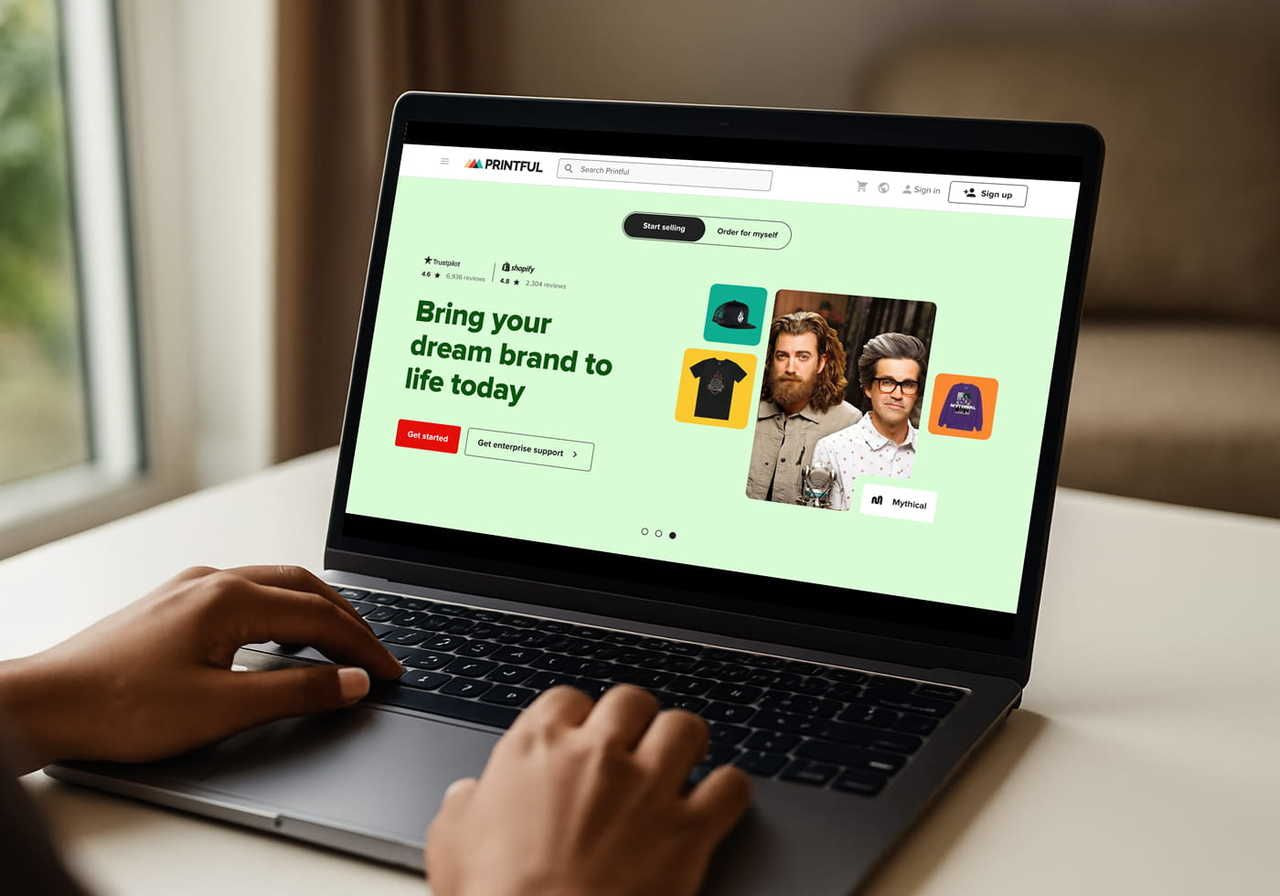
Print on Demand (POD) is a business model where you design products that are only printed once a customer places an order. By partnering with a company like Printful, you can sell everything from custom apparel to home decor – without ever touching a sewing machine or a shipping box.
This allows you to focus entirely on what matters most: building your brand and digital marketing.
Why it works: Eliminates the financial risk of unsold inventory and allows you to quickly test new business ideas.
-
Startup cost: $0-$500 (mainly for samples and setting up an online store)
-
Earning potential: $1,000-$20,000+ per month
-
Time to start: One to three days


Create and sell digital products
Digital products like templates, stock photos, or eBooks offer near 100% profit margins after the initial creation. Once created, they can be sold to repeat customers with no additional production costs.
-
Startup cost: Under $100
-
Earning potential: $500-$10,000+ per month, depending on niche, pricing, and marketing reach
-
Time to start: One to two weeks
Start a blog or niche website
While it takes three to six months to see significant traffic, a blog built on topical authority can generate passive income through ads and sponsorships.
-
Startup cost: $50-$200
-
Earning potential: Established blogs with 50,000-100,000+ monthly visitors generate $5,000-$20,000+ per month
-
Time to start: Ongoing
Launch a YouTube channel
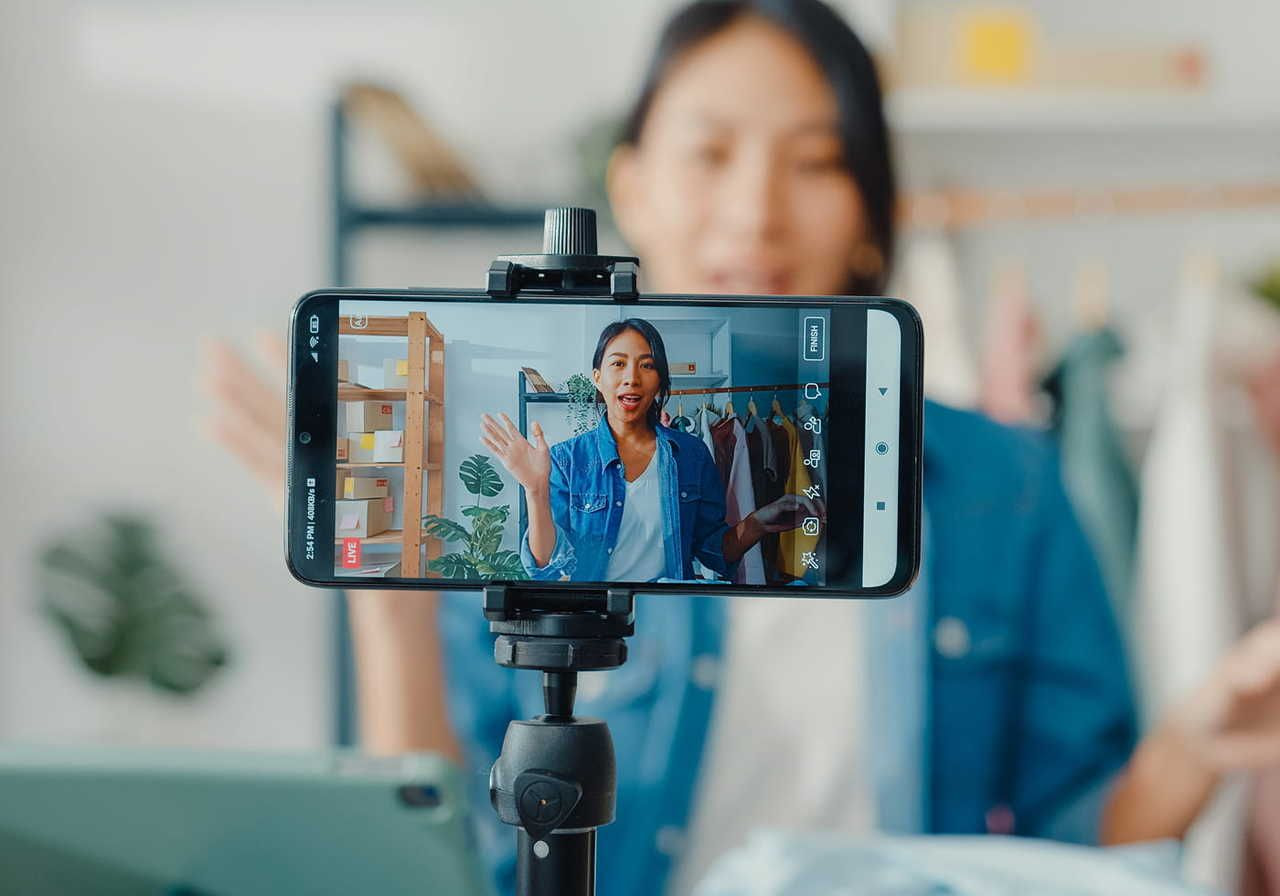
Content creation is a cornerstone of the creator economy. High-quality video content can build a loyal target market that you can eventually monetize through merchandise or brand deals.
-
Startup cost: $0-$1,000+, depending on equipment – a channel itself costs as little as $15 to start, though most creators spend around $625 on initial setup
-
Earning potential: Channels typically earn $2-$25 per 1,000 views from ads alone (depending on niche and audience location), with additional income from sponsorships, memberships, and merchandise
-
Time to start: Immediate (monetization requires 1,000 subscribers and 4,000 watch hours)
Start affiliate marketing
By promoting products you believe in, you earn a commission on every sale. It is an excellent way to learn marketing strategies without managing a supply chain.
-
Startup cost: $0-$200 to start (domain: $10-$20/year; optional hosting: $3-$30/month)
-
Earning potential: Beginners typically earn $0-$1,000 per month; intermediate marketers earn $1,000-$10,000; advanced marketers $10,000-$100,000+
-
Time to start: Immediate (SEO-based income takes six to 12 months to compound)
Sell online courses
If you have mastered a specific skill – from software engineering to learning strategies – you can package that knowledge into online courses. Platforms like Teachable or Thinkific make hosting simple.
-
Startup cost: $500-$2,000 for a DIY setup (microphone, webcam, course platform subscription, and basic marketing); assuming you already own a computer
-
Earning potential: $1,000-$50,000+ per month, depending on niche
-
Time to start: Two to four weeks
Start an eCommerce store

Building a dedicated online store using platforms like Shopify or WooCommerce allows you to own your client relationships and customer data.
-
Startup cost: $500-$2,000 to launch a functional store (Shopify plans start at $39/month, plus domain, apps, and initial marketing)
-
Earning potential: The average Shopify store generates around $5,583 per month globally, with private label and branded stores reaching $2,000-$50,000+ per month
-
Time to start: One to two weeks
Build a dropshipping business
Similar to POD but involving third-party physical goods. It’s a high-volume business model that relies heavily on your ability to run profitable paid ads.
-
Startup cost: A realistic first-month budget is $200-$300, covering store setup, product sourcing, marketing, and essential tools
-
Earning potential: $1,000-$3,000 per month in the first year, scaling to $10,000+ per month for advanced dropshippers
-
Time to start: One week
Service-based small business ideas
Service-based businesses are often among the most successful small businesses because they rely on human expertise, which is harder to commoditize than physical products.
Freelance writing business
From technical whitepapers to SEO-optimized blog posts, businesses are in constant need of clear, authoritative writing.
-
Startup cost: $500 median (a computer, portfolio website, and basic tools)
-
Earning potential: Beginners average $28-$35/hour; experienced writers in niche fields charge $50-$100/hour
-
Time to start: One to two weeks
Graphic design services

Help brands establish and refine their visual identity. This is one of the best small business ideas for people with a background in design, marketing, or fine arts.
-
Startup cost: Under $2,000 (Adobe Creative Cloud at ~$660/year, a basic portfolio website, and a computer you likely already own)
-
Earning potential: Junior designers charge $45-$75/hour; mid-level designers earn $75-$130/hour; senior specialists command $130-$200/hour
-
Time to start: One to two weeks
Social media management
Manage the social media presence for local businesses that don't have the time to engage with their community daily.
-
Startup cost: $0-$500 (scheduling tools, basic design software, and a website)
-
Earning potential: Beginners charge $300-$800/month per client; experienced managers earn $1,500-$5,000/month per client
-
Time to start: One week
SEO consulting
Help small business owners rank on the first page of Google. As an SEO consultant, you focus on conducting market research and technical audits.
-
Startup cost: $2,000-$5,000 for a lean home-based model (SEO tools, a professional website, and initial client acquisition)
-
Earning potential: Entry-level consultants charge $500-$1,000/month per client; established consultants earn $2,500-$5,000/month per client
-
Time to start: Two to four weeks
Virtual assistant services
Provide administrative support, manage scheduling, and handle tasks like data entry or basic accounting software updates for busy entrepreneurs and executives.
-
Startup cost: Under $500 (assuming you already own a computer; primarily covers reliable internet, basic website setup, and optional software subscriptions/hosting)
-
Earning potential: New VAs start at $15-$25/hour; experienced US-based VAs earn $30-$75/hour, with specialists reaching $50-$100+/hour
-
Time to start: One to two weeks
Web design services

As more businesses move online, the need for professional, high-converting websites is at an all-time high.
-
Startup cost: Near zero if you already own a computer; optional tools and portfolio website typically cost $200-$500/year
-
Earning potential: Most freelance web designers charge $2,500-$9,999 per project; hourly rates run $50-$130
-
Time to start: Two to four weeks
AI automation services
A surging niche business involves setting up automated workflows using AI to save companies time and increase revenue.
-
Startup cost: $500-$2,000 (AI tool subscriptions, a website, and initial marketing to secure first clients)
-
Earning potential: Entry-level retainers start under $2,000/month; established agencies charge $2,500-$20,000/month
-
Time to start: Two to four weeks
Local small business ideas
For those who prefer working within their community, these local businesses offer high-intent customer bases and the chance for repeat business.
Cleaning business
A cleaning service for residential or commercial properties is always a profitable business idea.
-
Startup cost: $2,000-$6,000 for a solo residential operation (supplies, insurance, and basic marketing)
-
Earning potential: A solo residential cleaner operating at full capacity can generate $12,000-$18,000/month in gross revenue
-
Time to start: Two to four weeks
Lawn care or landscaping

A landscaping business is seasonal in some areas but offers high repeat business and predictable revenue.
-
Startup cost: $8,000-$20,000 for a solo residential operation (trailer, mower, and basic tools)
-
Earning potential: A solo operator at full capacity generates $8,800-$9,500/month in gross revenue, with new businesses averaging a 15% profit margin
-
Time to start: Two to four weeks (seasonal in colder climates)
Mobile car detailing
By traveling to clients' homes, you provide a premium convenience that allows for higher pricing than a standard car wash.
-
Startup cost: $5,000-$15,000 (equipment, vehicle setup, and legal requirements)
-
Earning potential: Part-time detailers earn $1,000-$4,000/month; full-time solo operators commonly achieve profit margins of 60-80%
-
Time to start: Two to four weeks
Home repair or handyman services
If you’re skilled with tools, a handyman business or handyman services are always in high demand for odd jobs.
-
Startup cost: $2,000-$10,000, depending on the scale of your operations and the quality of tools you purchase
-
Earning potential: Solo handymen who manage overhead efficiently can reach profit margins of 40-50%
-
Time to start: Two to four weeks
Pet sitting or dog walking

A dog walking business or mobile pet grooming service caters to the $152 billion pet industry.
-
Startup cost: Under $500 for most people starting a pet sitting or dog walking company
-
Earning potential: Most dog walkers earn $1,167-$4,458/month, with a median of around $2,980/month
-
Time to start: One week
Personal fitness training
Offer group classes or one-on-one personal training sessions. You can also transition this into a health coaching model online.
-
Startup cost: $1,000-$10,000, depending on business model and location (certification, insurance, equipment, and marketing)
-
Earning potential: Personal trainers typically earn $150-$500 per client monthly; full-time trainers in major cities earn $4,500-$5,500/month or more
-
Time to start: Two to four weeks (includes getting certified)
Creative and product-based business ideas
Handmade products business
Sell unique items at farmers' markets or on online platforms like Etsy.
-
Startup cost: As little as $15-$29 to open an Etsy shop; most sellers budget $200-$1,000 for initial inventory and materials
-
Earning potential: Full-time sellers treating their shop as a business earn $2,000-$7,000/month; the median Etsy shop earns $574/month in revenue
-
Time to start: One to two weeks
Custom clothing brand

Launch a premium apparel line focusing on quality and niche markets. By using Print on Demand, you can scale a custom clothing brand without the overhead of a factory.
-
Startup cost: $0-$500 (same POD model – no inventory required)
-
Earning potential: $1,000-$20,000+ per month, depending on brand building and marketing
-
Time to start: One to three days
Candle or skincare business
These are excellent home-based business options with high repeat customers once you establish a signature scent or formula.
-
Startup cost: $1,200-$1,500 for a candle business; $2,000-$10,000 for a skincare line, depending on formulation approach
-
Earning potential: Skincare businesses can sustain profit margins of around 70%; candle brands scale with repeat customers and product line expansion
-
Time to start: Two to four weeks
Photography business
Specialize in local events, weddings, or commercial product photography.
-
Startup cost: $2,000-$20,000, depending on equipment, niche, and whether you rent a studio
-
Earning potential: The national average sits around $49,400/year; top-performing businesses earn significantly more
-
Time to start: Two to four weeks
Art commissions or prints

Turn your illustrations into a growing business by selling limited edition prints or taking custom commissions.
-
Startup cost: Under $500 (digital tools, an online store or Etsy shop, and initial print runs)
-
Earning potential: Individual painting commissions typically range from $300-$3,000+, depending on size, complexity, and experience; art business owners overall can earn anywhere from $50 to six figures, with income scaling directly with audience size, pricing strategy, and platform
-
Time to start: One to two weeks
Best small business ideas for beginners
If you’re just starting, these ideas offer the lowest barrier to entry and the best learning strategies:
-
Print on Demand: No inventory risk.
-
Virtual assistant: Learn how businesses operate from the inside.
-
Pet sitting: Minimal startup costs.
-
Affiliate marketing: Focus purely on sales skills.
-
Freelance writing: Use your existing communication skills.
Comparison of the best small business ideas
|
Business |
Startup cost |
Difficulty |
Profit potential |
|
Print on Demand |
Low |
Easy |
High |
|
Consulting |
Low |
Moderate |
Very high |
|
Cleaning service |
Moderate |
Easy |
Moderate |
|
Software dev |
Low |
Hard |
Very high |
|
eCommerce |
Moderate |
Moderate |
High |
How to start a small business with Printful
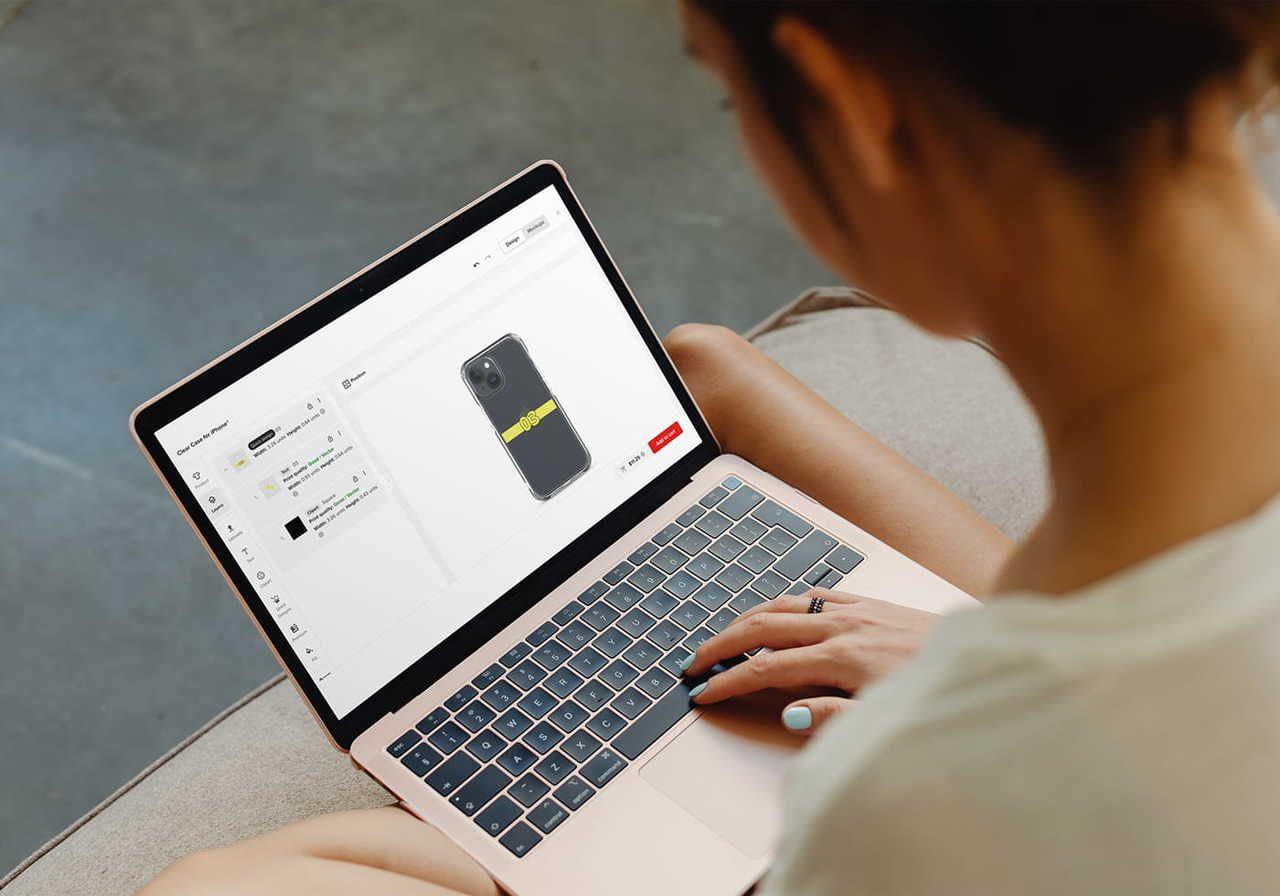
Starting your own small business doesn't have to be complicated. If you’re leaning toward a product-based brand, Printful provides the infrastructure you need to scale professionally.
-
Sign up for Printful for free
-
Identify your niche: Use market research to find a target market with specific interests (e.g., eco-conscious hikers).
-
Create your designs: Use your design skills or hire a pro to create unique artwork.
-
Connect your store: Integrate Printful with platforms like Shopify, Etsy, or TikTok Shop.
-
Add products: Choose from hundreds of high-quality items in the Printful Catalog.
-
Market your brand: Use social media and paid ads to drive traffic. We handle the fulfillment.
Common mistakes to avoid when starting a small business
Many successful small businesses fail early because they skip the basics. Avoid these common pitfalls:
-
Ignoring market research: Never build a product without confirming people want to buy it.
-
Underestimating startup costs: Even a low-investment business idea has hidden costs, such as domain names or samples.
-
Poor time management: Trying to do everything yourself can lead to burnout.
-
Neglecting SEO: If your online store isn't optimized for search, you’re leaving money on the table.
To summarize
The most successful small businesses in 2026 are those that prioritize professional brand building and customer experience. Whether you choose a service-based business model or launch a business in eCommerce, the key is consistency.
Use the tools available today – like Printful for fulfillment or accounting software for finances – to automate the technicalities so you can focus on the big picture.
Frequently asked questions about small business ideas
The most successful small businesses typically fall into high-margin service sectors or scalable eCommerce models. Consulting business models, software development, and specialized niche businesses like Print on Demand tend to have the highest success rates because they solve specific problems with manageable overhead and high demand.
The 50/100/500 rule is a framework for growth: reach $50 in daily profit to prove the concept, $100 to stabilize the business model, and $500 to consider it a fully successful small business. It helps business owners focus on gradual milestones rather than becoming overwhelmed by long-term revenue goals.
With $10,000, you can start a professional mobile car detailing business, a boutique eCommerce store with initial inventory, or a specialized cleaning business with high-end equipment. This budget allows for more aggressive paid ads and professional web design to establish immediate authority in your target market.
The best small business to start is one that uses your existing skills while requiring low startup costs. For most beginners, Print on Demand is the optimal choice because it lets you build a professional brand with zero inventory risk, so you can focus on digital marketing and design.

Published author, scholar, and musician, Andris draws on over 11 years of experience in and outside academia to make complex topics accessible – from SEO and website building to AI and monetizing art. Devoted to his family and self-confessed introvert, he loves creating things, playing musical instruments, and walking around forests.

