


Table of contents
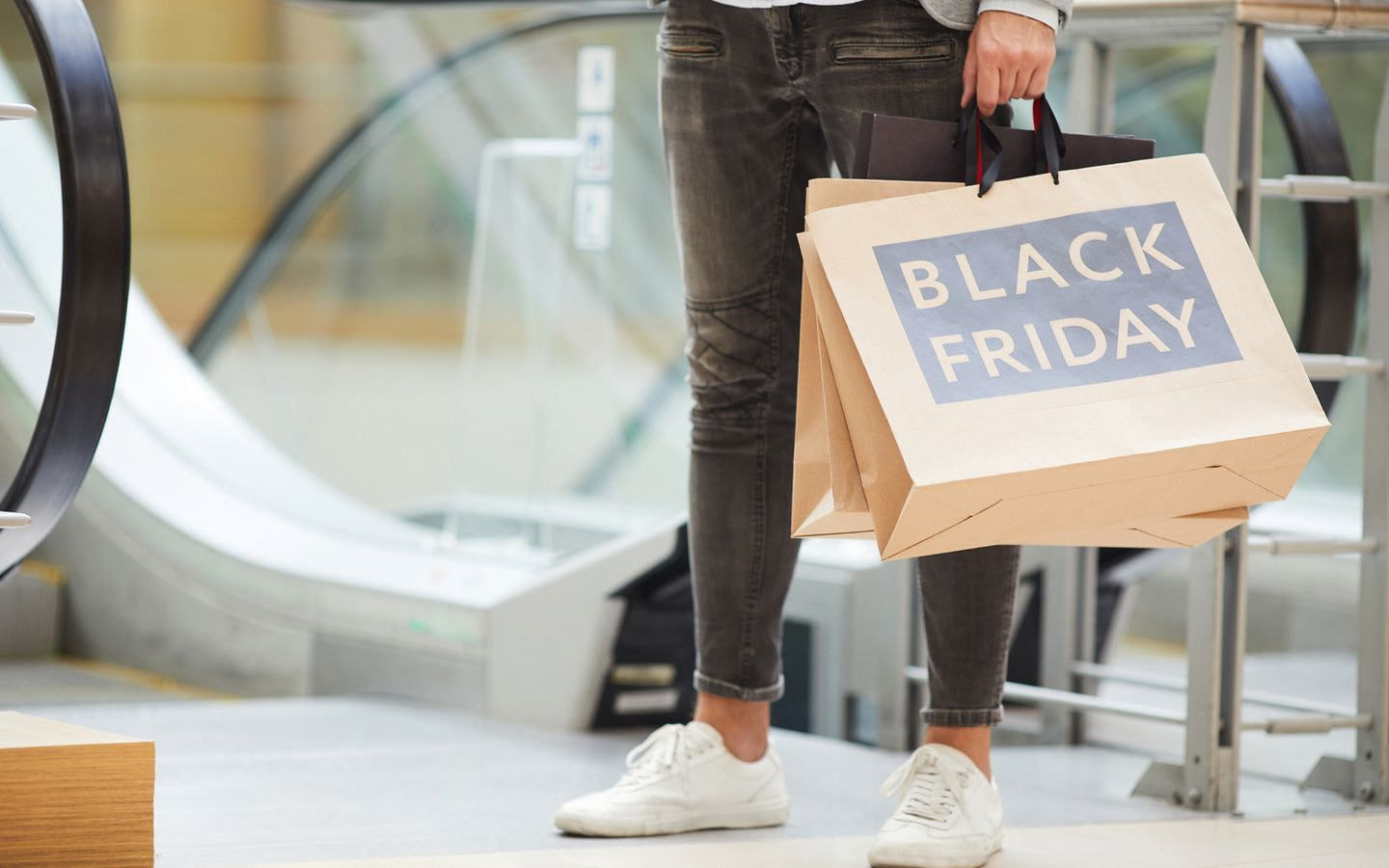
Black Friday falls on November 27, 2026, and Cyber Monday follows on November 30. Yet 71% of US shoppers plan to start shopping early, before Black Friday arrives. These Black Friday tips show print-on-demand (POD) sellers and growing brands how to prepare marketing, offers, and fulfillment early enough to win those first orders and deliver every gift on time.
Key takeaways
-
Black Friday 2026 falls on November 27, and Cyber Monday on November 30. Shoppers start browsing in October, so stores need offers ready way before Black Friday week.
-
Early Black Friday sales for newsletter subscribers and loyalty members spread revenue across November instead of a single weekend.
-
Free shipping is a top holiday purchase motivator for 76% of shoppers, so build shipping into your prices or set a free-shipping threshold before the sales events start.
-
Tie your Black Friday deals to order size. Bundles, tiered discounts, and free gifts over a set amount only kick in when customers spend more, while a sitewide price cut eats into every order.
-
Published holiday order deadlines reduce late-delivery complaints and give Cyber Monday campaigns a built-in sense of urgency.


How to prepare for Black Friday: 2026 Timeline
The holiday shopping season starts well before Black Friday. According to the National Retail Federation (NFR), 42% of holiday shoppers plan to begin browsing and buying before November. 63% plan to do most of their holiday shopping over Thanksgiving weekend.
So plan for both waves: open early access in early November, save your best deals for November 26-30, and work backward from the key dates below.
|
Date |
Milestone |
What many retailers do |
|
Early to mid-October |
Product and store prep |
Finalize the holiday product range, order samples, and add an email sign-up incentive |
|
Late October |
Campaign teasers |
Announce the early access date to email subscribers and social followers |
|
Early November |
Early access sales |
Open early sales for newsletter subscribers and loyalty members |
|
November 26 |
Thanksgiving |
Schedule emails, test discount codes, and check product pages |
|
November 27 |
Black Friday |
Launch public Black Friday deals across all channels |
|
November 28 |
Small Business Saturday |
Promote personalized products and the brand story |
|
November 30 |
Cyber Monday |
Run online-only offers and remind shoppers of delivery cutoffs |
|
December |
Holiday order deadlines |
Switch messaging from discounts to delivery dates and express shipping |
Black Friday marketing tips to build demand early
Demand for the best Black Friday deals forms weeks before the sale goes live. The first five tips focus on reaching people while they’re still building their shopping list.
1. Grow your email list before November
Shoppers sign up for emails from their favorite retailers to catch online deals first, and those newsletter subscribers give sellers a direct channel that algorithms don’t throttle during the year’s busiest ad weeks.
Start collecting emails now with a clear reason to join, such as early access to Black Friday deals or a first-order discount code.
Practical steps:
-
Add a sign-up form to the homepage, product pages, and checkout. Most stores built on Shopify, Wix, or Squarespace can add one with the platform’s built-in email capture tools.
-
Promise a specific benefit, for example, access to the sale 24 hours before the public launch.
-
Segment subscribers into past buyers and new sign-ups, then give past buyers early access to the best deals.
-
Track subscriber growth weekly from October onward. A list that grows before November turns into first-day orders once your sale launches.
-
Turn on abandoned cart emails. Holiday buyers compare prices and leave carts behind. An automatic reminder email brings some of them back to finish the order.
2. Reward loyalty program members with exclusive deals
Repeat customers already know and like your brand, so they’re the easiest people to sell to on Black Friday. Loyalty programs give them a reason to shop online from you during upcoming sales before they check their other favorite stores.
Sellers on Shopify can tag repeat customers and offer them member-only deals, or run a loyalty app with double points during Black Friday and Cyber Monday sales. Membership programs with a paid tier work for brands with high repeat-purchase rates, such as apparel brands that release seasonal drops.
3. Schedule flash sales on social media
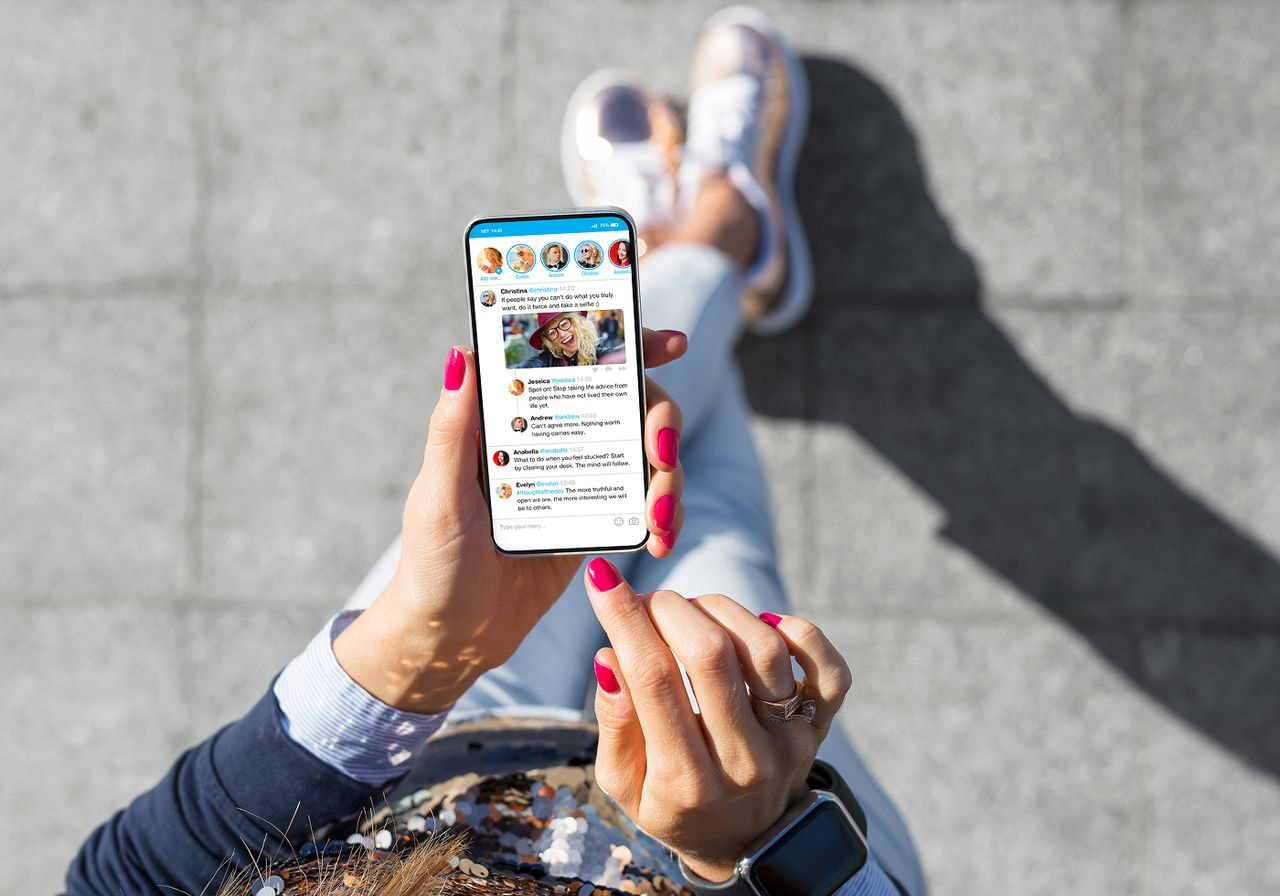
Shoppers follow their favorite brands on social media to catch flash sales and limited drops. Plan short sales windows of two to six hours, announce them a day in advance, and post a countdown so followers act fast when the window opens.
Timed drops in the early hours of Black Friday sales or late on Cyber Monday evening give followers a reason to check back. TikTok Shop lets people buy directly on the app, shortening the path from video to purchase. Printful’s TikTok Shop integration currently supports only US-based stores.
Tip: Partner with creators whose audiences match your niche. Learn how to run a microinfluencer campaign for BFCM and explore Printful’s social commerce options.
4. Help shoppers compare your products
Before buying, people compare prices for the same product across many stores, and more of them now start that search in AI assistants like ChatGPT and Gemini. Traffic to US retailers’ sites from generative AI tools grew 693% during the 2025 holiday season, according to Adobe Analytics. Those AI referrals converted 31% better than other traffic.
These tools pull from product data, so the more complete your listings are, the better your chances of showing up.
-
Submit products to Google Merchant Center for free Google Shopping listings. Shopify’s Google & YouTube app automatically syncs the product feed.
-
Write descriptive product titles that include the product type, material, and personalization option.
-
Answer common questions in the description. Cover fit, fabric, care, and delivery time, since buyers want to know all four before they order.
-
List shipping costs and return windows on every product page – shoppers factor them into the total price.
-
Keep prices consistent across your store, Etsy, and Amazon listings. Shoppers check so many stores for the best price – they will also spot gaps between your own channels.
5. Speak to Small Business Saturday shoppers
Small Business Saturday falls on November 28, 2026, and draws shoppers looking for unique gifts and personal service from smaller brands. Independent sellers compete for these shoppers with personalization and brand storytelling.
Show the people behind the brand in social posts and emails, and feature personalized products as a separate collection. Etsy suits this audience well, as Etsy shoppers actively search for made-to-order and custom items.
Printful supports personalization on Etsy and Shopify. Orders import automatically, and personalized ones wait for your quick review before production, so every name and date prints right, even at the peak of the holiday shopping season. On Shopify, add instructions to the product description so customers know to share their details in the order notes at checkout.
Black Friday deals that protect your margins
Discounts drive volume, but a poorly planned offer can leave you with almost no profit per order. These three tips for Black Friday focus on deals shoppers value without cutting deep into margins.
6. Build free shipping into your prices
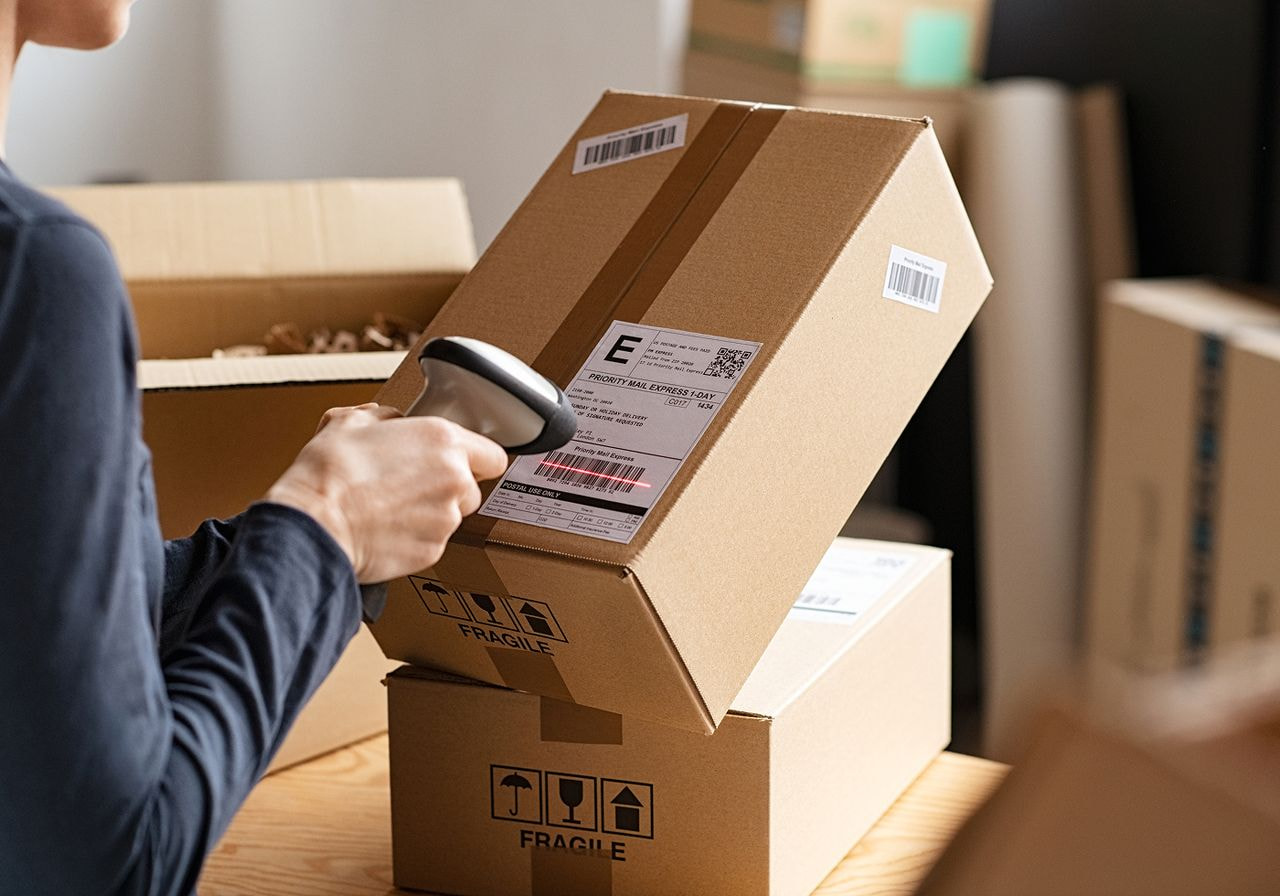
Free shipping tops the list of holiday purchase motivators for 76% of shoppers. Hidden costs at checkout send people to compare prices elsewhere, so show the full cost upfront.
You can do it two ways:
-
Price it in. Printful’s standard US shipping for one t-shirt costs $4.95, and each additional shirt adds $2.20. Add $5 to a tee’s retail price to cover it, and you can offer free shipping on every order. Multi-item orders cost less per shirt to ship, so they leave you extra margin.
-
Set a threshold. Keep your regular prices and offer free shipping on orders over a set amount, like $50. People add one more item to qualify, which raises your average order value.
Tip: Check Printful’s shipping rates by product category and region before setting free-shipping thresholds.
7. Offer honest discounts instead of doorbusters
US online retailers offered an average discount of 28% on Black Friday 2025, the same as in 2024. Buyers increasingly verify those numbers with price-tracking extensions and AI assistants, which show whether a sale price reflects a genuine reduction.
Raising prices in October to discount them in November damages trust with exactly the customers you want to keep.
Offer structures that protect margins:
-
Tiered discounts: 15% off orders over $50 and 25% off orders over $100 raise the average order value.
-
Gift with purchase: A free sticker sheet or mug with orders over a set amount adds value without lowering the product price.
-
Bundles: A hoodie and a matching beanie priced together ship two products at once.
-
Promo codes for subscribers only: Exclusive deals reward the email list without lowering public prices.
8. Package gifts by budget and recipient
Many shoppers set a budget and make a Black Friday shopping list to avoid overspending and impulse buys. Stores that organize products the same way make the purchase decision faster.
Create gift guides by price tier (e.g., under $25, under $50, premium gifts) and by recipient (e.g., parents, coworkers, pet owners). Personalized holiday gifts with a name, date, or photo deserve their own section, as people buying for loved ones search for them specifically.
Tip: Browse Printful’s holiday season collection and gift ideas for products that fit each gift guide category.
Store and product prep for the Black Friday shopping

Once your marketing brings shoppers to the store, your product range and photos do the selling. These two tips cover what to sell and how to present it.
9. Pick products from your own sales data
Sales from previous years show what your audience buys during the holiday season. Export last November and December orders, rank products by units sold and profit per order, and give the top performers the most space on the homepage and in emails.
No sales history yet? Start with products that sell in almost every store during the holidays: hoodies, embroidered beanies, mugs, ornaments, and blankets. Printful’s catalog includes 577 products, with new products added regularly. Embroidery adds raised, textured detail to winter accessories like hats and beanies.
Tip: Explore Printful’s embroidery products for winter accessories with a premium finish.
10. Order samples and refresh mockups
Sample orders show exactly how a design looks printed, how the fabric feels, and how the product arrives. Order samples of your bestsellers now, photograph them in holiday settings, and update product pages before early access opens.
For the wider catalog, Printful’s Mockup Generator creates lifestyle images without a photoshoot. Real product photos of bestsellers and consistent mockups for the rest give shoppers an accurate picture of what they order, which helps prevent returns in January.
Cyber Monday tips for delivery and repeat sales

Cyber Monday deals were the biggest US online shopping occasion of 2025, with $14.25B in online spending. Those orders still need to arrive before the holidays, so put your delivery dates front and center.
11. Publish your holiday order deadlines
Anyone buying a gift wants to know if it’ll get here in time. Printful fulfills orders in two to five business days on average, and standard US shipping takes three to four business days after fulfillment. Express shipping cuts transit to one to three business days.
Add order-by dates to product pages, the cart, email footers, and social posts. Once the standard shipping cutoff passes, switch campaigns to express shipping or digital gift cards, so last-minute shoppers still have a way to buy. Brands with high-volume bestsellers can stock them in Printful’s warehouse for next-day fulfillment on orders placed by 12 pm.
Tip: Printful publishes exact cutoff dates by product and destination in the holiday order deadlines article. Our holiday shipping and order deadline guide shows how to share them with customers.
12. Brand the post-purchase experience
Black Friday shoppers who receive a well-presented order come back in January and beyond. Branding turns a one-time deal hunter into a repeat customer.
-
Packaging inserts: Add a thank-you card with a discount code valid in January to bring buyers back after the holiday rush. Printful offers branded packaging inserts.
-
Inside labels: Custom inside labels replace the manufacturer’s tag with your brand name.
-
Tracking page: Printful’s white-label tracking page carries your logo and store links instead of carrier branding.
-
Return policy: Publish the return window and holiday exchange terms on every product page, since shoppers check return policies before buying gifts.
Build your Black Friday game plan now
Most of these tips need time to work. Samples can take a week or more to arrive, and an email list takes weeks to grow. Sellers who finalize products in October, open early access in November, and publish delivery cutoffs before Cyber Monday spread holiday revenue across all of November and December.
Once the shipping deadlines pass, digital gift cards keep the store selling to last-minute shoppers until December 24.
FAQs
Black Friday 2026 falls on Friday, November 27, the day after US Thanksgiving. Small Business Saturday follows on November 28, and Cyber Monday closes the weekend on November 30.
Many retailers launch special deals in the first weeks of November, so sellers should schedule campaigns and email sends by late October.
Online sellers should start preparing for Black Friday in early October. That window leaves time to order samples, photograph products, grow an email list, and test discount codes before shoppers start browsing.
With 71% of US shoppers planning to start holiday shopping before Black Friday, stores offering great deals in early November capture more early demand.
Small stores compete on Cyber Monday by running online-only offers, emailing subscribers early in the day, and promoting products that still ship before holiday deadlines. Bundles and spend thresholds protect margins better than sitewide discounts. Clear delivery dates on product pages also reassure shoppers buying gifts for loved ones in December.
Yes, but they don’t need deep sitewide cuts to compete. Targeted offers like tiered discounts, bundles, free shipping over a set amount, and subscriber-only promo codes give shoppers a reason to buy without giving away margin on every order. Whatever the discount, make it a genuine reduction from your regular price, since shoppers increasingly check price history before they buy.
Cyber Monday. In 2025, US shoppers spent $14.25 billion online on Cyber Monday and $11.8 billion on Black Friday. Black Friday grew faster, though (9.1% vs 7.1% YoY), so plan ahead strong offers for both days.

Published author, scholar, and musician, Andris draws on over 11 years of experience in and outside academia to make complex topics accessible – from SEO and website building to AI and monetizing art. Devoted to his family and self-confessed introvert, he loves creating things, playing musical instruments, and walking around forests.

