



Table of contents
If you want to learn how to make phone cases, this guide shows you exactly what to do – from choosing the right phone case types to creating print-ready designs, ordering samples, and selling your cases online.
Whether you’re making one for yourself or building a custom phone case business, the steps below cover everything you need.
Why sell custom phone cases?
Custom phone cases are a strong product to sell because the global phone accessories market was valued at $89.7 billion in 2024 (set to nearly double by 2034), with phone cases driving a significant share of that growth. With billions of smartphone users and new iPhone and Samsung models released each year, demand stays steady and often spikes during device upgrades.
For entrepreneurs, cases are affordable to produce through Print on Demand, lightweight to ship, and don’t require you to hold inventory. Most stores price cases between $25-$40, making them a profitable option for anyone starting or growing an online custom phone case business.
How print-on-demand simplifies custom phone case creation
Print on demand (POD) removes the biggest barriers to making custom phone cases. You don’t need equipment, materials, or upfront inventory. Simply upload your design, choose the phone case type, and let the provider (like Printful) handle printing, packing, and shipping.
POD keeps costs low because you only pay when an order comes in. It also gives you instant access to cases for leading iPhone and Samsung models, plus built-in tools for mockups, product descriptions, and store integrations. This makes it straightforward to create, order, and sell custom phone cases online from a single platform.
How to make phone cases in 4 steps
Let’s get into the step-by-step guide, breaking down how to create a phone cover, prepare your files, and set up everything you need to sell phone cases online with zero inventory.
1. Choose a phone case type and model
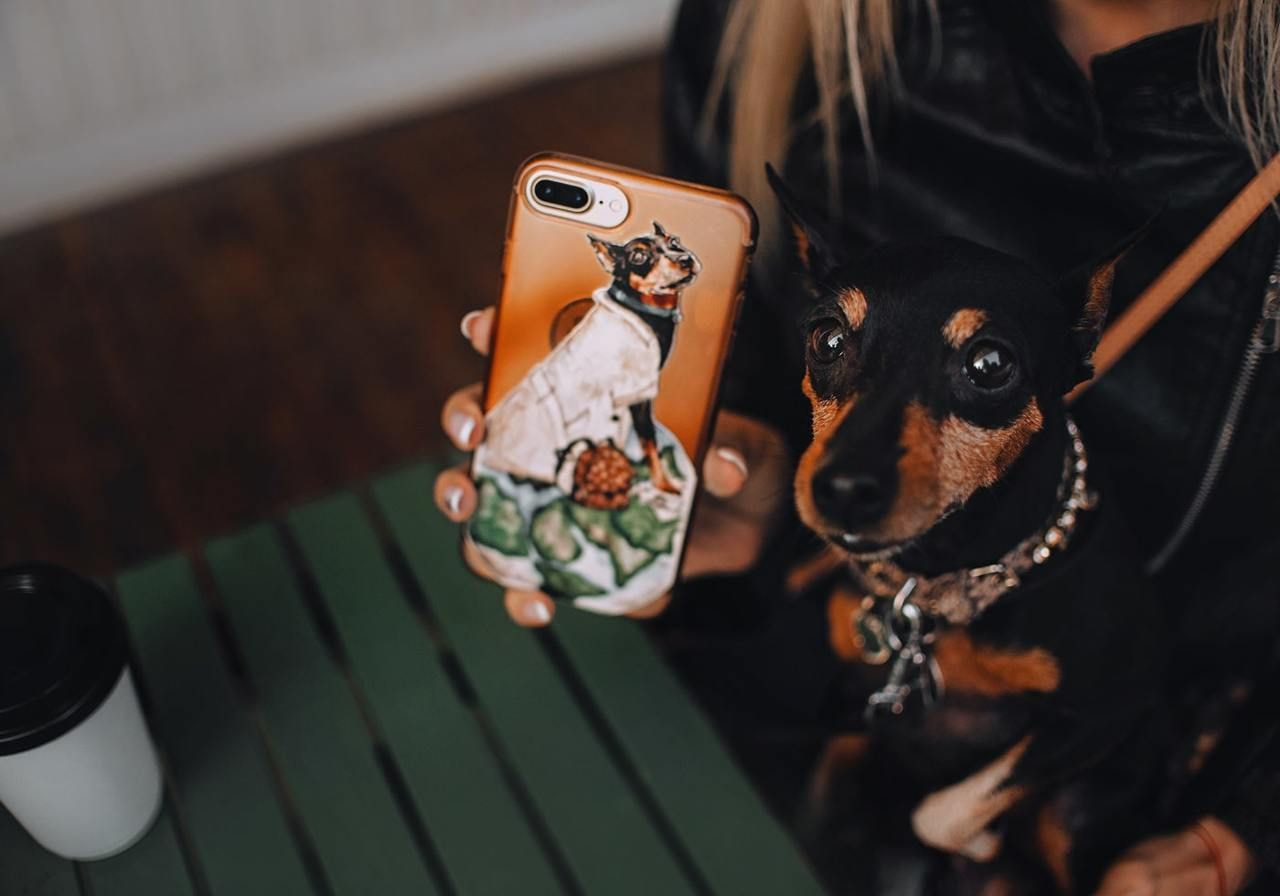
Start by selecting the phone case type you want to create. Printful offers multiple phone case options, including:
-
Clear
-
Tough
-
Snap
-
MagSafe® cases
Next, choose the device model. Printful supports leading iPhone and Samsung models, including the latest releases and several older generations. This helps you match your target audience and ensure the case fits their exact screen size and shape.
Carrying both matters. Android users account for 72.47% of the global smartphone market, while iOS leads in the US with 57.97%.
The more models your store supports, the wider your potential customer base. Listing designs for multiple models also signals reliability – customers trust brands that offer exact fits for their screen size, shape, and preferred phone case types.
2. Design your case
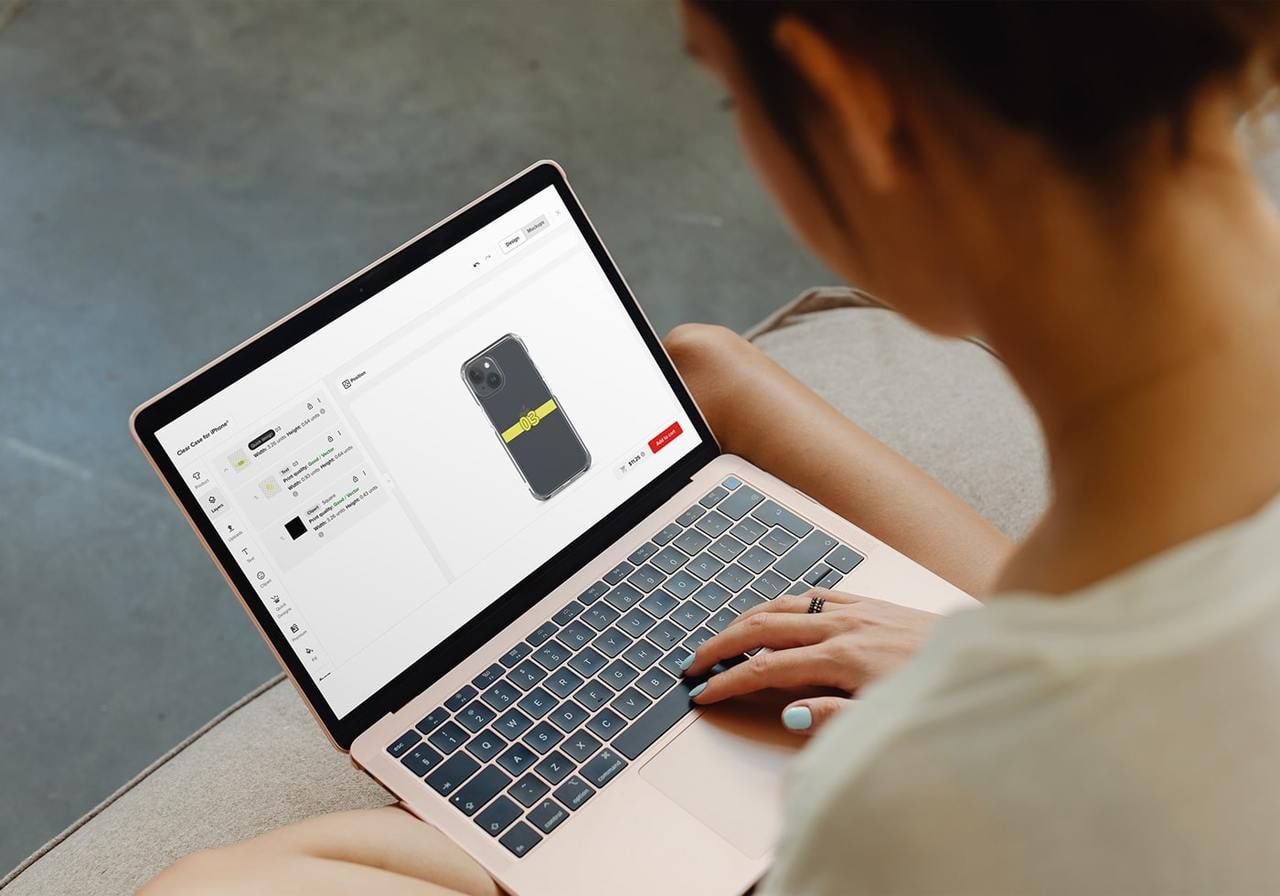
Upload your custom designs using Printful’s free Design Maker or external tools like Adobe Illustrator, Photoshop, or Canva. To get the best print quality:
-
Use high-resolution images (300 DPI recommended).
-
Extend your artwork to the full print area, including bleed, so graphics reach the edges.
-
Keep key details and text within the safe area to avoid trimming.
-
Use contrasting colors for clarity on glossy or matte covers.
-
Export your file in PNG for transparency or JPEG for full-color designs.
Printful’s Design Maker includes built-in mockups, patterns, clipart, and an AI tool to create unique artwork without external software.
Read more:
3. Order your phone case
Once your design’s ready, order a sample before you sell phone cases online. This step helps you catch mistakes and ensures the final product matches your design.
A sample lets you check:
-
Print quality: Look for sharp graphics, accurate color, and clean edges.
-
Design placement: Confirm how the artwork wraps around the shape of the case, especially on curved models.
-
Fit and function: Test button alignment, screen openings, and overall device protection.
-
Materials: Clear, snap, tough, and MagSafe® cases display color differently depending on the materials and plastic finish.
-
Durability: Evaluate basic protection and grip so your phone case brand can confidently describe what customers should expect.
This step also helps you refine your product descriptions, choose the best choice for each target audience, and enhance your listings before adding them to your store or promoting them on your website.
Sellers who sample products upfront reduce returns, improve sales, and build trust – especially when running a long-term business model or expanding into other products within the same print-on-demand business.
4. Sell custom phone cases with Printful

Now, you’re ready to sell online. With Printful’s print-on-demand services, you can publish your custom phone cases across your online store, your website, or multiple platforms without worrying about inventory, storage, or shipping.
Here’s how to start a custom phone case business with Printful.
1. Create a free account
Sign up for a free Printful account to access phone case products, design tools, mockups, and store integrations. There are no setup fees or monthly costs – you only pay when you make a sale.
2. Connect your store
Launch your store with Shopify, Etsy, WooCommerce, TikTok Shop, or any other Printful integration. Once Printful is connected to your store, everything syncs automatically, making it the best choice for creators who’d rather build than manage logistics.
3. Set your margin
Decide on your profit margin per sale. Use competitor research, your market positioning, and product materials to choose a retail price that makes sense for your target audience.
Read more: What is a good profit margin for Print on Demand?
4. Let Printful handle fulfillment
When a customer buys, we print, pack, and ship the order. You stay focused on refining your product descriptions, improving images, and driving sales. We make sure every order arrives safely, with secure tracking and accurate location updates.


Best-selling phone case design ideas
If you want phone case design ideas that actually sell in 2026, you’ll need to combine visual innovation, on-trend aesthetics, and niche appeal. The ideas below work whether you’re launching a custom phone case business, expanding your online store, or creating a few cases for your existing product line.
1. Ultra-clear cases with bold graphic layers
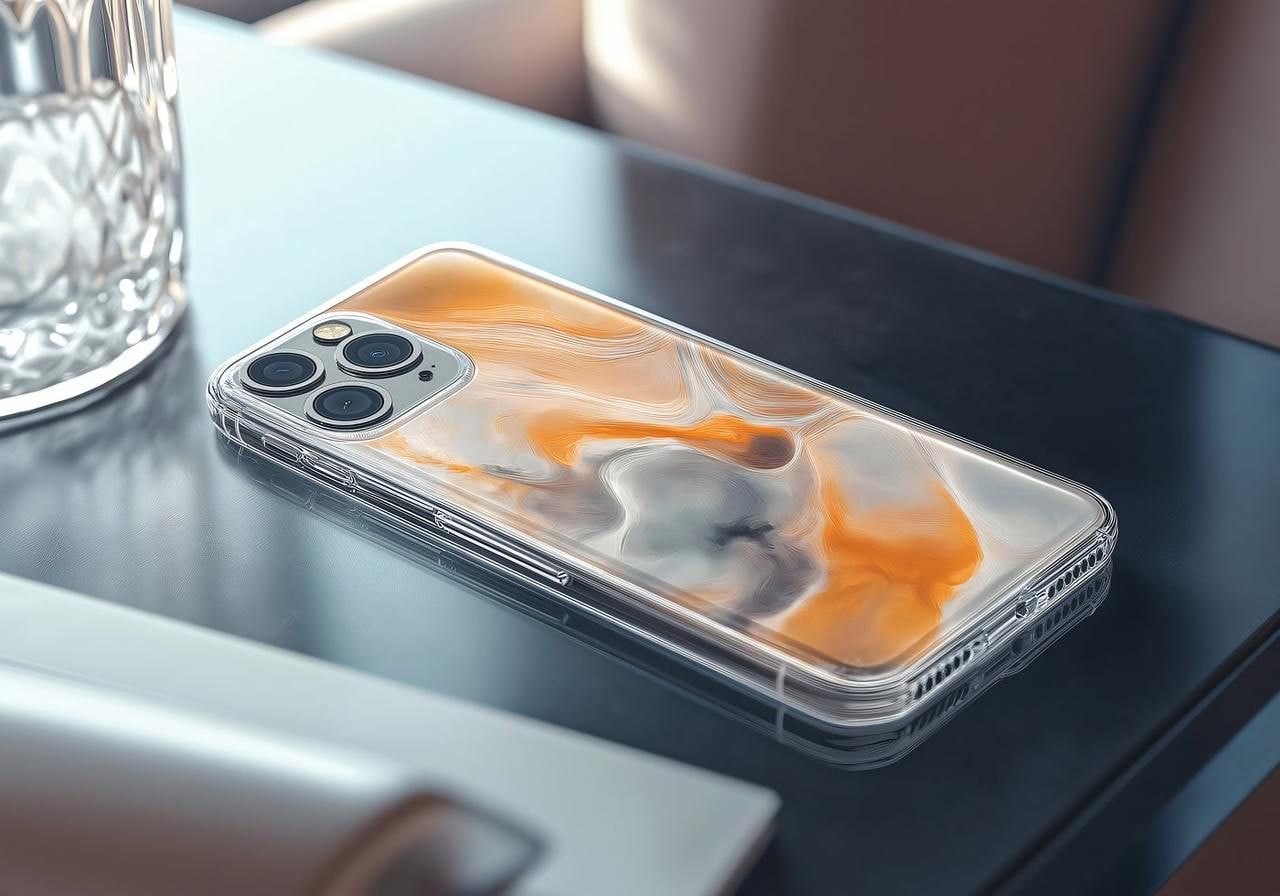
Clear and semi-transparent phone covers remain top performers, and in 2026, they’re evolving into “layered clarity”: full-bleed graphics, floating shapes, neon edge accents, and subtle light-reactive films.
These styles let sellers build bold visuals while still showcasing the device color and shape, which buyers increasingly value.
Why it works: Clear bases highlight your artwork without hiding the premium look of new iPhone and Samsung models – a combination proven to drive higher conversion rates for phone case businesses.
2. Circular-economy materials plus minimalist art
Eco-focused phone case types – recycled plastic, bio-resins, plant-based blends – are gaining traction. Their natural textures pair best with restrained artwork: crisp linework, small illustrations, minimalist typography, and quiet, considered palettes that don’t compete with the material surface.
Why it works: Sustainability is a deciding factor for many buyers, and minimalist artwork photographs exceptionally well in mockups – helping your custom phone case business build trust and strong product descriptions.
3. 2026 aesthetics – vibrant pastels, kinetic shapes, AR-ready patterns
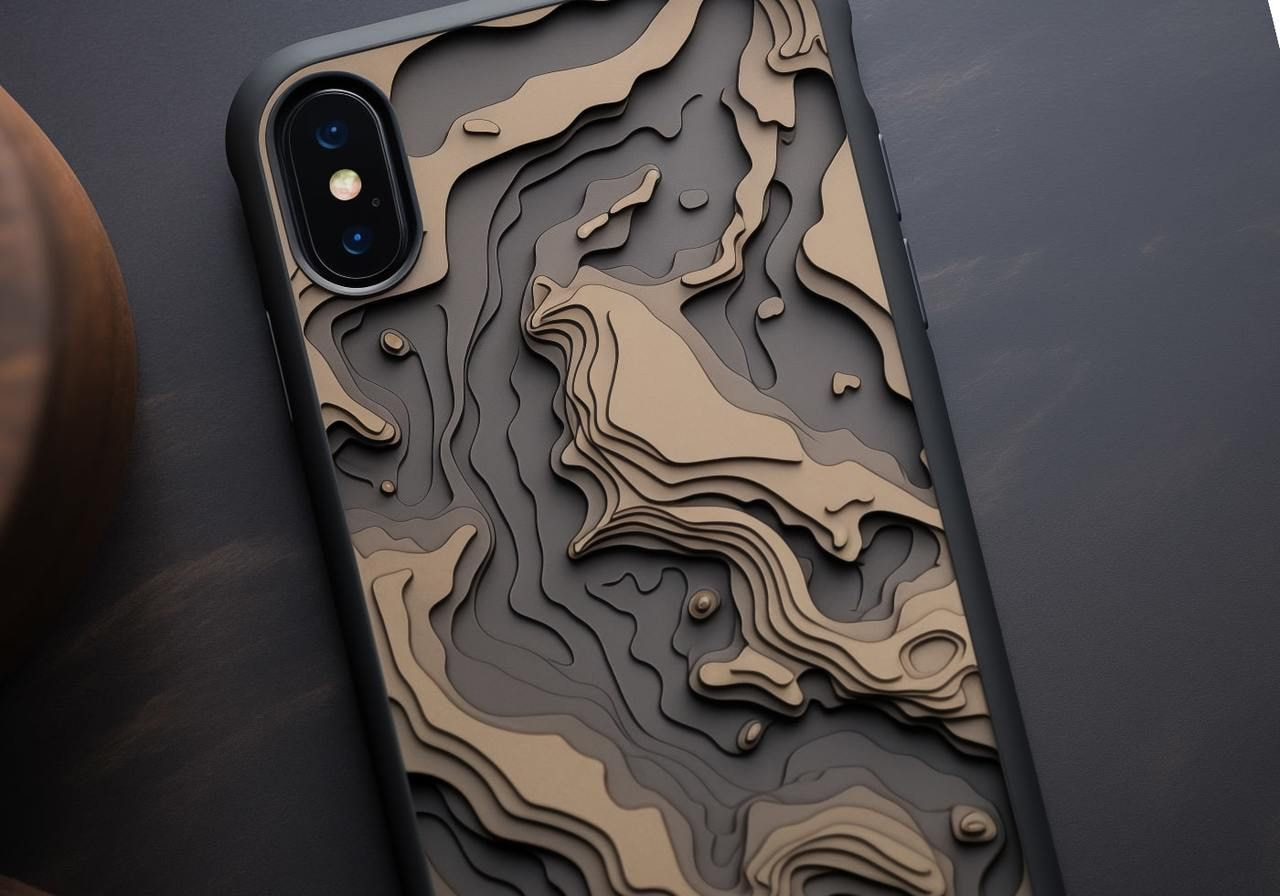
Visual style in 2026 leans into movement and digital culture – kinetic patterns, illusion-based elements, pastel-neon blends, glitch effects, layered gradients, and AR-friendly artwork designed to pop in social content. These designs look premium on both matte and glossy finishes.
Why it works: These styles dominate social feeds and trend reports, making them ideal for sellers who want designs that feel modern and have built-in “shareability” – key for growing a phone case brand through organic reach.
4. High-functionality cases with style
Buyers increasingly want cases that work harder. Top sellers in 2026 include MagSafe-compatible cases, slim rugged styles, and modular designs with optional components (wallets, kickstands, straps). Artwork for these cases is intentionally placed to complement hardware features.
Why it works: Functional models attract high-intent buyers who are willing to pay more for durability or convenience – giving you stronger margins and a more versatile product line.
5. Micro-niche themes and hyper-personalization
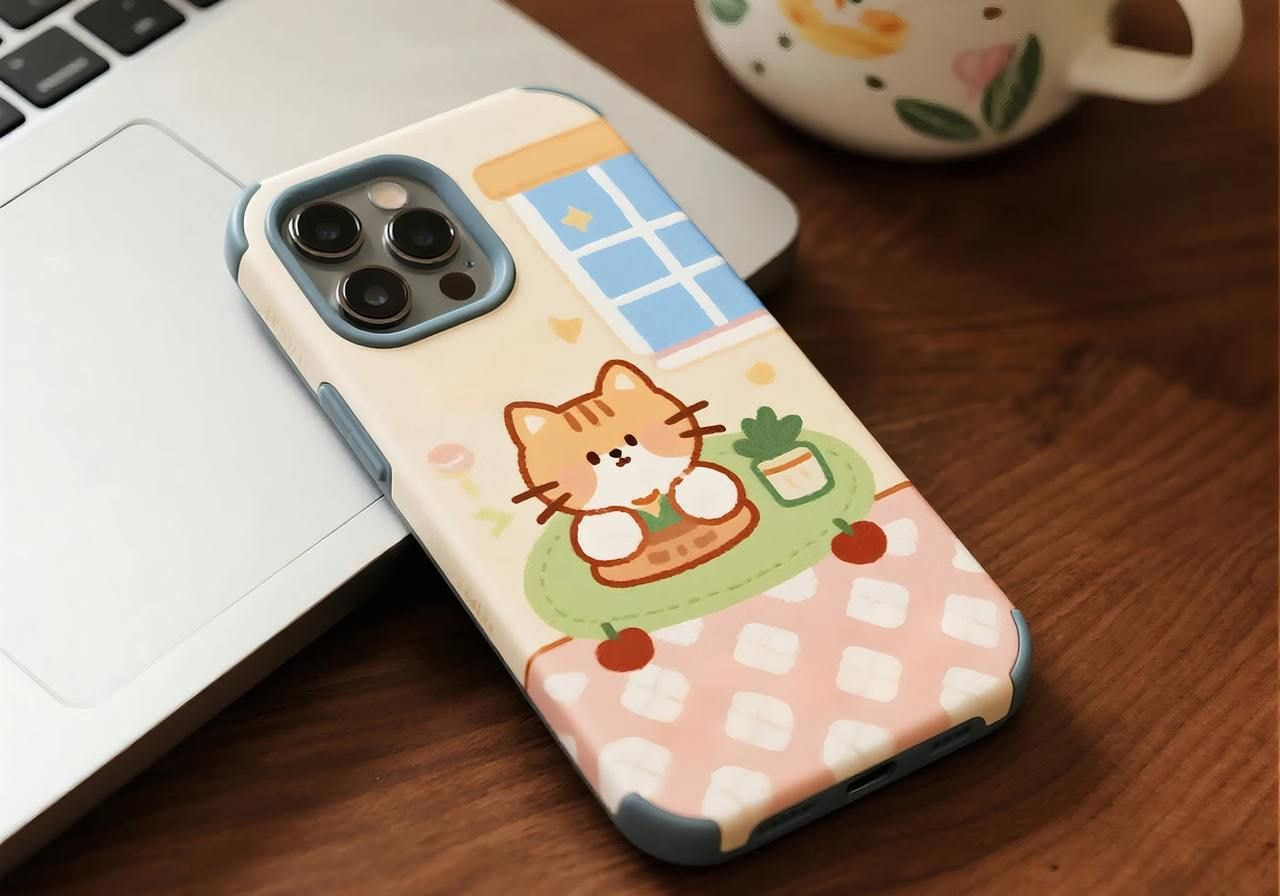
The strongest performers speak directly to specific lifestyle groups: travel, pets, wellness, gaming, retro-tech, niche sports, local pride, or identity-specific aesthetics.
Instead of trying to appeal to everyone, successful sellers build focused collections that reflect a specific identity or interest – making their phone case brand easier to market, easier to remember, and far more competitive across marketplaces.
Why it works: Niche collections convert better than generic art. They give your store a clear market position, improve click-through rates, and help you develop consistent demand within defined communities.
6. Launch with device drops and collector editions
New iPhone and Samsung models consistently create the largest spikes in demand for phone cases. When a new device is released, buyers immediately start searching for phone covers that fit the updated shape, camera placement, and overall design.
This is one of the easiest opportunities for sellers to get in front of real, time-sensitive demand.
For Printful sellers, the smartest approach is to treat every major device launch like a planned drop:
-
Prepare designs in advance so you can publish them as soon as new models become available.
Update your product descriptions to call out compatibility with the newest iPhone or Samsung release. -
Create small themed collections like limited colors, seasonal artwork, or trend-driven design ideas, so your phone case brand stands out during a crowded launch window.
-
Refresh your images and mockups to clearly show the new camera layout and screen proportions.
Why it works: Customers look for cases the same day they receive a new phone. By timing your custom phone designs to these releases, you tap into a surge of purchase-ready traffic. And because Printful runs on an on-demand business model, you can launch quickly without needing to hold inventory or predict which versions will sell the most.
Action checklist for your custom phone case business

1. Build clear-case designs that use layered visuals
Create artwork specifically for transparent bases – full-bleed graphics, floating shapes, or neon accents that keep the device color and shape visible while making your designs stand out.
2. Add an eco-focused collection with minimalist artwork
Pair recycled or plant-based materials with clean linework, small illustrations, and quiet palettes. These designs look polished in mockups and attract sustainability-minded buyers.
3. Incorporate 2026 aesthetics into your core design ideas
Use saturated pastels, kinetic patterns, gradients, and AR-friendly graphics to give your cases a modern visual edge – ideal for both social content and marketplace visibility.
4. Offer functional case variants for high-intent customers
Design specifically for MagSafe-compatible, slim, rugged, or modular phone case types. Place artwork intentionally around hardware features to justify higher prices and broaden your product line.
5. Focus on micro-niches that match your target audience
Build collections around clearly defined interests – pets, travel, gaming, wellness, retro-tech, local pride, etc. Niche designs improve your market position and strengthen consistent demand.
6. Time your case drops with major device releases
Publish new artwork and updated product descriptions as soon as new iPhone or Samsung models become available. Launching early helps you capture high-intent shoppers the moment they start searching.
To summarize
Selling custom phone cases is one of the easiest ways to add a profitable product to your online store without equipment or inventory. With Print on Demand, you pick your phone case types, design for the top iPhone and Samsung models, and upload high-quality images that meet print requirements.
The strongest results come from pairing clear audience insight with 2026 trends. Once your listings are live, Printful handles production and fulfillment, so you can focus on improving your designs, sharpening your positioning, and meeting real customer demand.
FAQ
Yes. You can create your own phone case either as a DIY phone case project or through a print-on-demand provider like Printful. With POD, you upload your custom designs, choose the phone case types you want to sell, and order a sample – no equipment or inventory required.
It’s the simplest way to get high-quality, durable cases for yourself or for a professional online store.
If you’re selling phone cases, physically making them yourself isn’t cost-effective. Producing cases in-house requires equipment, materials, and time – none of which scale well.
Using a print-on-demand business model is almost always cheaper for sellers because you don’t buy equipment, hold inventory, or commit to bulk orders. You only pay for each case when a customer buys it, which keeps upfront costs low and your margins predictable.
To start your own phone case brand, identify a target audience, choose a niche, and create unique custom phone case designs.
Next, set up an online store, upload your products, and use a print-on-demand business model so you can launch without upfront inventory.
Then promote your brand through social media, phone case design trends, SEO, and partnerships to drive sales.
You can print your own images on phone cases using print-on-demand services like Printful or Printify. These platforms let you upload artwork, offer a variety of phone case types, and allow you to buy a custom phone case with no minimums.
Top platforms include Printful, Printify, and Fourthwall, which let you upload artwork, design phone cases, preview mockups, and sync products to your online store.
For more advanced graphics, tools like Adobe Express or Canva help you create brand-consistent designs before uploading them to your preferred print-on-demand service.

Karlina is an SEO Content Writer specialist at Printful. As a firm believer in attitude over aptitude, Karlina gives her 100% whenever she works on something new. Karlina spends her free time reading, traveling, and doing yoga.

