



Table of contents
All clothing brands decide when to pay for production: before the first sale or after each order comes in. This guide compares Print on Demand vs bulk printing in terms of cost, risk, and speed for first-time sellers and growing brands alike. Print on Demand (POD) suits new designs and untested markets, while bulk printing suits proven designs with steady demand. The choice determines your upfront costs, your per-unit margin, and how much money stays tied up in inventory.
Key takeaways
-
Print on Demand prints each item after a customer orders it, without minimum orders or upfront inventory costs.
-
Bulk printing produces a set quantity in one run. Brands pay upfront and usually have to meet a minimum order quantity.
-
Bulk lowers the cost per unit at high volumes and lets you ship straight from stock.
-
Bulk orders can leave unsold stock when demand falls short of the forecast.
-
Printful offers both models in one account, with volume discounts on larger orders of the same product.
-
Many brands run a hybrid model – they test new designs with POD and move bestsellers to bulk.

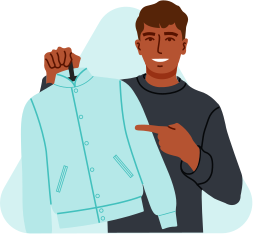
Print on Demand vs bulk printing: Quick comparison
The two models differ in when production happens and who carries the inventory risk. POD produces after the sale, and bulk produces before it. The table below compares them side by side.
|
Factor |
Print on Demand |
Bulk printing |
|
Upfront costs |
None for inventory |
Full payment for the run before any sales |
|
Minimum order |
None |
Usually a set quantity per design |
|
Cost per unit |
Higher, fixed per item |
Lower as quantity rises |
|
Inventory risk |
None |
Unsold stock if demand falls short |
|
Storage |
Handled by the print partner |
Your space or a paid warehouse |
|
Speed to launch |
As soon as mockups go live |
After production and delivery of the batch |
|
Delivery |
Production time plus shipping |
Ships straight from stock |
|
Best for |
New designs, testing, personalization |
Proven designs, events, steady demand |
POD fits brands that want to start selling quickly and keep cash free for marketing. Bulk fits brands that already know which design sells and in what quantities.
How Print on Demand works
Print on Demand prints each item only after a customer places an order. The customer pays at checkout, and the order goes to the Print Provider, who then prints, packs, and ships the product under the store’s brand. Each item sells before it’s made, which removes inventory risk from the business model.
From customer order to doorstep
Printful connects to an online store through integrations with Shopify, Etsy, WooCommerce, Wix, Squarespace, Amazon, eBay, and many other platforms. When shoppers buy t-shirts from a Shopify store, their orders sync to Printful automatically.
Printful produces the order in its own facilities and checks each item for print quality, color, and placement before packing. Orders ship from the fulfillment center closest to the delivery address. That routing lets customers around the world get their orders from a nearby facility. Sellers never handle the shirts, and shoppers see only the sellers’ branding.
What POD makes possible
POD lets creators build independent clothing brands without paying for stock upfront. Sellers design products for free, list them in their shop, and pay Printful for production only after a customer places an order.
That structure opens up several strategies:
-
Testing new designs: Sellers list a design, monitor the response, and remove it if it doesn’t sell, so there’s no leftover stock.
-
Limited edition drops: Brands run a design for a set period and close it with no leftovers to clear.
-
Custom products: Each order can carry a different name, date, or photo, since every item prints individually. On Etsy, shoppers can request personalization directly from the listing.
-
A whole catalog from day one: Printful’s Catalog offers 611 products. Brands can sell shirts, hoodies, hats, mugs, and paper products like posters across a full-size range without buying any of them.
Order samples before you launch
Printful’s print-on-demand setup lets you order samples as a final check before launch. Samples show the real print quality, fabric weight, fit, and packaging. They also give brands their own photos for product pages and a social media post announcing the launch.
How bulk printing works
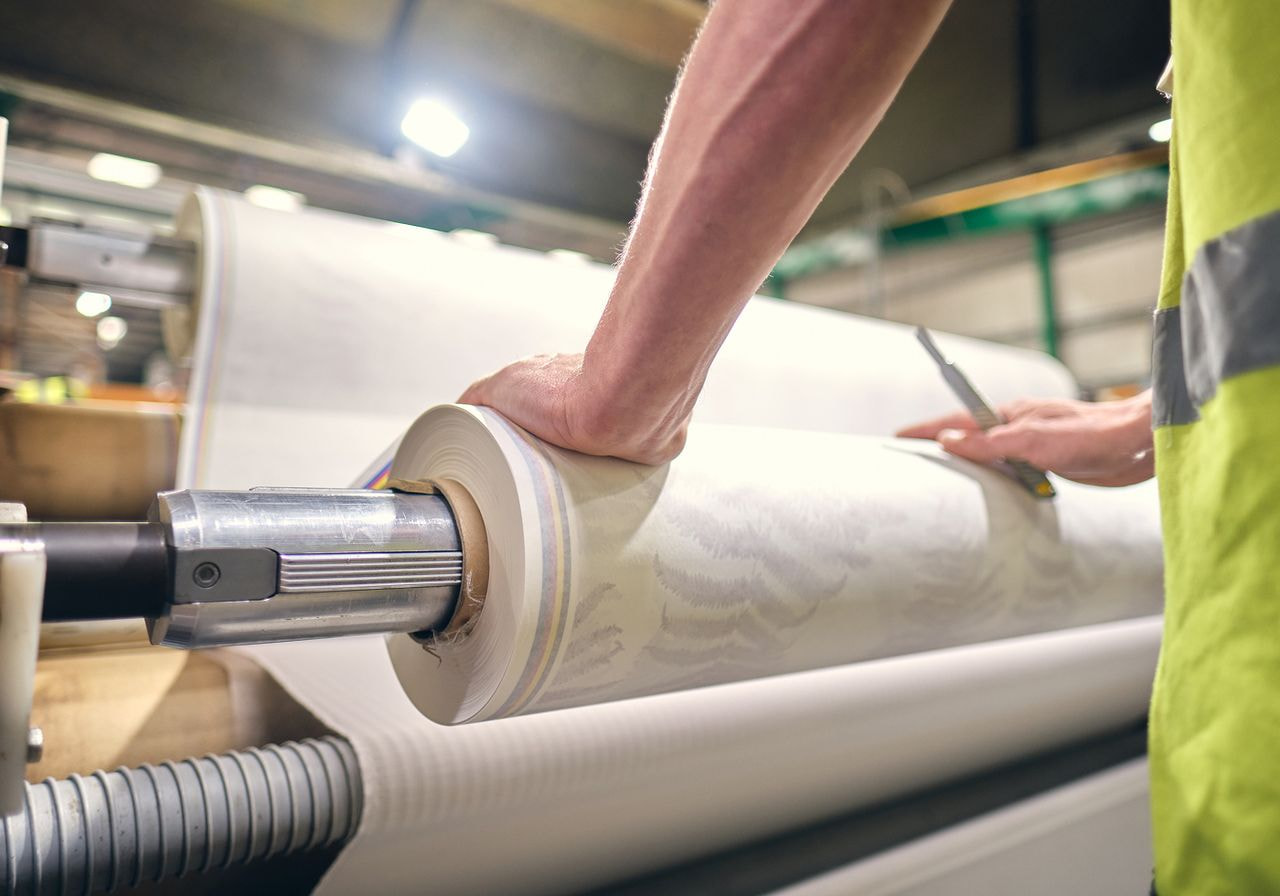
Bulk printing produces a set quantity of a single design all in one go. The brand pays for the whole batch before selling a single piece. Most bulk apparel production uses screen printing, and screen printers usually set a minimum order quantity per design.
The process trades flexibility for a lower unit price. Here’s how production and storage work.
Screen printing and batch printing
Screen printers create a separate screen for each ink color in a design, then press ink through each one onto the garment. Setup work stays the same whether the shop prints a short run or a long one. Screen printers charge a setup fee per color and per design. Spread across a larger bulk run, that fee shrinks per unit, making every additional shirt cheaper.
Read more: How much custom t-shirts cost in bulk
Batch printing splits production into smaller runs. A small batch lets you commit to a smaller quantity of a design, sell through it, and reorder. Batch printing lowers the risk of a single large order while keeping some volume savings.
Storing and shipping bulk stock
Bulk stock needs a home. Brands store boxes at home, rent storage, or pay a warehouse for receiving, storage, and pick-and-pack. Inventory management becomes a daily task – counting sizes, tracking which colors run low, and reordering before a design sells out.
The upside is having stock ready on the shelf. Orders ship immediately, and brands can bring inventory to events, pop-ups, and markets. Bulk also gives more control over packaging, from tissue paper and stickers to printed inserts.
Misjudge demand, though, and the opposite happens. Unsold sizes and colors tie up money until they sell at a discount or not at all.
Print on Demand vs bulk printing pros and cons
Neither model wins on every point. Here’s where each one shines and where it costs you more.
Print on Demand pros
-
Zero upfront payment for inventory.
-
Orders start at a single unit, so one design can launch with one listing.
-
Zero risk of unsold stock and no storage costs.
-
Fast launches, since new designs go live as soon as mockups are ready.
-
Personalized and custom orders are printed one at a time.
-
The print partner handles printing, packing, and shipping.
Print-on-demand cons
-
A higher cost per unit than in large bulk runs, leaving smaller margins per item.
-
Production time adds to delivery time on every order.
-
Packaging options depend on what the print partner offers.
Bulk printing pros
-
A lower cost per unit at high volumes, which means more profit per sale.
-
Orders ship right away from existing stock.
-
More control over packaging, inserts, and shipping carriers.
-
Inventory on hand for events, wholesale, and in-person sales.
Bulk printing cons
-
Full payment before any sales.
-
Minimum order quantities that rule out small tests.
-
Unsold stock when demand falls short.
-
Storage costs and ongoing inventory management.
-
Slower reaction to trends, since every new design needs another production run.
In short, POD costs more per unit, and bulk carries more risk. The cost savings from bulk only appear once the design sells through.
Print on Demand bulk orders: Volume pricing without a warehouse
Printful runs POD and bulk orders from the same account and Catalog. Brands can order in volume without signing up with a separate screen printer.
Printful’s bulk order pricing applies automatically from 25 units of the same product. Discounts grow with quantity and reach up to 55%, depending on the product. On a standard postcard, for example, the discount starts at 30% for 25 units and climbs to 55% at 500 units.
Orders can mix sizes, colors, and designs within the same product, and more than 220 products qualify, including apparel, mugs, stickers, and tote bags. For select apparel, Printful adds screen printing on orders of 500 units or more.
For team apparel, bulk custom clothing from Printful includes MerchShare. Brands design an item once and share a link, then each team member picks their own size, color, and delivery address.
How to place a bulk order on Printful
Placing a bulk order works just like a single order, only bigger:
-
Create a Printful account: Sign up for free.
-
Pick products from the Catalog: Choose the garments or accessories and the colors you need.
-
Add your design: Upload a logo or artwork, or build one in the Design Maker.
-
Set quantities: Enter the amounts for each size and color. The bulk discount applies at checkout once your order qualifies.
-
Place the order: Printful prints, checks, packs, and ships the whole order.
Each bulk order undergoes the same quality checks as a single POD item, keeping the customer experience consistent across both models.
Which model makes the most sense for your business?
The right model depends on how much you know about demand. Brands with no sales data gain the most from POD, and brands with predictable sales gain the most from bulk.
Choose POD when
-
You’re launching a brand and haven’t made your first sale yet.
-
You want to test the market and new designs before investing in stock.
-
You sell personalized products, where every item is different.
-
You want a wide range of products and sizes without having to buy stock for each one.
-
You plan limited edition releases and don’t want leftovers.
Choose bulk when
-
One design sells steadily month after month.
-
You have loyal fans or a community that buys every drop on release day.
-
You sell at events and need stock on the table.
-
You want full control over packaging and unboxing.
-
You sell enough that the per-unit savings outweigh storage costs.
Run the numbers before switching
A simple comparison shows whether bulk pays off for a specific design.
Here’s how to work it out in four steps:
-
Find the POD margin: Subtract the POD production and shipping cost from the retail price.
-
Find the bulk margin: Subtract the discounted bulk unit cost, plus storage and fulfillment per item, from the same retail price.
-
Estimate sell-through: Use past sales to predict how many units of the design will sell before demand fades.
-
Compare totals: Multiply each margin by the expected units sold, then subtract the cost of any units likely to stay unsold in the bulk scenario.
If the total after that last subtraction still comes out higher, the design has earned a bulk run. If it’s close, POD keeps the cash free for marketing and new designs.
Bulk makes the most sense once people notice a design and keep ordering it. Until then, POD keeps the risk off the books.
The hybrid model: Test with POD, scale with bulk
Many brands run both models and use each where it works best. A hybrid approach keeps POD’s flexibility for new ideas and adds bulk’s lower costs for best-sellers.
Here’s how it usually works:
-
Launch with POD: List new designs across the online store and marketplaces without buying stock.
-
Track sales: Watch which designs sell consistently, in which sizes and colors, and through which channels. Store analytics in Shopify, Etsy, and other platforms show units sold per variant. Those numbers show which sizes to stock up on for a bulk order.
-
Move proven designs to bulk: Order the best-sellers in bulk to cut unit costs and raise margins.
-
Keep testing: Create new designs on POD while the bulk stock covers steady demand.
Brands can also switch between models as demand shifts. If a bulk design slows down, it can go back to POD without waste. If a POD design spikes, a bulk order covers the next wave. With Printful handling both, the same products and print quality appear in every order, regardless of which model produced them.
Conclusion
Print on Demand and bulk printing solve different problems. POD removes upfront costs and inventory risk, which suits new brands, new designs, and personalized products. Bulk lowers unit costs and speeds up shipping, which suits proven designs with steady demand.
Many growing brands use both – POD to find out what sells and bulk to sell more of it. As the business grows, the share of bulk orders rises, and POD keeps the new designs coming. Printful runs both on a single account and one Catalog, so your business can switch models without switching partners.
FAQs
Print-on-demand products are items that a print partner produces only after a customer orders them. Sellers design t-shirts, mugs, or posters and list them in their stores. When an order arrives, a print partner like Printful prints, packs, and ships the product under the store’s brand. Sellers never buy or store inventory upfront.
To print in bulk, choose a product, add your design, and order a set quantity in a single run. With Printful, create an account, select a product from the Catalog, upload your artwork, and enter quantities for each size and color. Bulk discounts apply automatically once the order reaches the threshold for that product.
Print on Demand costs more per unit than bulk printing, but it costs less to start. POD starts without upfront payment, minimums, or storage fees. Bulk printing lowers the unit price as quantity rises. It becomes cheaper overall only when brands sell most of the batch they ordered.
Yes, many print-on-demand companies accept bulk orders. Printful automatically applies volume discounts to larger orders of the same product and lets buyers mix sizes, colors, and designs. Brands can use the same account and Catalog for single POD orders and bulk runs, which keeps product quality consistent.
<p dir="ltr"><strong>Batch printing means producing items in separate, smaller runs.</strong> Brands print a modest quantity of a design, sell through it, then reorder. It lowers upfront costs compared with a full bulk run and keeps some of the volume savings, which suits designs with moderate demand.</p>

Published author, scholar, and musician, Andris draws on over 11 years of experience in and outside academia to make complex topics accessible – from SEO and website building to AI and monetizing art. Devoted to his family and self-confessed introvert, he loves creating things, playing musical instruments, and walking around forests.

