



Table of contents
Not having money to invest doesn’t mean you can’t launch a business. With the dropshipping business model, you can open an online store, reach your target audience, and start selling products to customers worldwide – all without paying for inventory upfront.
In this step-by-step guide, you’ll get practical insights on how to start dropshipping with no money – from picking a niche and finding reliable suppliers to making your first sale.
We’ll also cover how Print on Demand fits in as an alternative worth considering along your dropshipping journey.
Key takeaways
-
Anyone can start dropshipping with no money tied up in inventory, but expect small costs like subscriptions, transaction fees, and samples along the way.
-
Product research helps you pick a profitable niche and understand your target audience.
-
Free channels like social media, blogs, and influencer collabs can drive traffic without spending money early on.
-
Automation and AI tools save hours on admin so you can focus on growing a successful dropshipping business.
-
Print on Demand is a smart alternative for anyone who wants to build a brand around original designs, not resell a generic catalog.
What is dropshipping and how does it work?

The dropshipping business model lets you sell products without buying inventory or dealing with shipping. When a customer places an order on your store, it goes straight to your dropshipping supplier – like AliExpress – which sources, packs, and ships the product directly to the buyer.
In other words:
-
You never handle the products yourself – Customer orders route to the supplier automatically.
-
No inventory management or storage headaches – You don’t need to stock products or rent warehouse space.
-
Low overhead costs – Dropshipping lets you skip the biggest upfront expense, which is production and physical inventory. You only pay for a product once a customer buys it.
Can you start dropshipping with no money? In some aspects, you can. The dropshipping model removes the highest cost of running a traditional retail business – holding stock in a warehouse waiting to sell.
While the supplier handles the logistics, you focus on growth – connecting with your audience, improving profit margins, making your store stand out, and keeping customer satisfaction high.
That said, “zero money” isn’t always possible. Some dropshipping platforms charge a monthly fee to access their catalog and import products.
So if you’re wondering where to start dropshipping, the answer is with a reliable supplier. They’re the foundation of the whole model – sourcing or producing the item, packaging it, and shipping it to your customer under your store’s brand.

Print on Demand and dropshipping: Similar business model, different approach
Print on Demand (POD) and dropshipping share the same fulfillment logic – the supplier holds the inventory and ships directly to your customer. The difference is what you’re actually selling.
In the traditional dropshipping business model, you resell generic items that are already in a supplier’s warehouse. That means every other seller in your niche has access to the same catalog, and the competition is high.
With Print on Demand, products are made to order with your designs. You sell your own branded merchandise – custom t-shirts, hoodies, mugs, posters, tote bags – rather than reselling someone else’s stock. That means:
-
Your designs, your brand – No one else can list an identical product.
-
Made-to-order production – Nothing is printed until a customer buys, keeping waste and risk low.
-
Less competition – Since no one else carries your exact product, you’re not competing on price against sellers listing the same generic item.
If POD sounds like the smarter path, Printful is one of the easiest places to start.
With worldwide fulfillment centers, free design tools, and integrations with major eCommerce sales channels, we handle production and shipping so you can focus on design and marketing.
The best part? There are no upfront costs and no minimum orders, and you can access our Catalog for free.
How to start dropshipping for free
Starting a dropshipping business with no money is entirely possible – it just means investing time instead of cash. You’ll use a mix of free and optional paid tools, find reliable suppliers, and build a lean, profitable business model from the ground up.
The basics still apply:
-
Know your audience
-
Sell high-quality products
-
Promote smartly

Here’s how to start a dropshipping business with no money.
1. Pick a profitable niche using free tools
Before designing anything or opening your own store, figure out who you’re selling to and what you’re selling. Learning how to make money dropshipping starts with this step – the wrong niche can make every other decision harder down the line.
Define your ideal customer. Consider age, income, job, shopping habits, and which social media platforms they use. The more specific your customer profile, the easier it is to choose products they’ll actually buy.
Identify market demand. Look for a profitable niche with consistent or rising search interest. Pair this with a competitor analysis to see who’s already selling in this space, what they charge, and where their listings fall short.
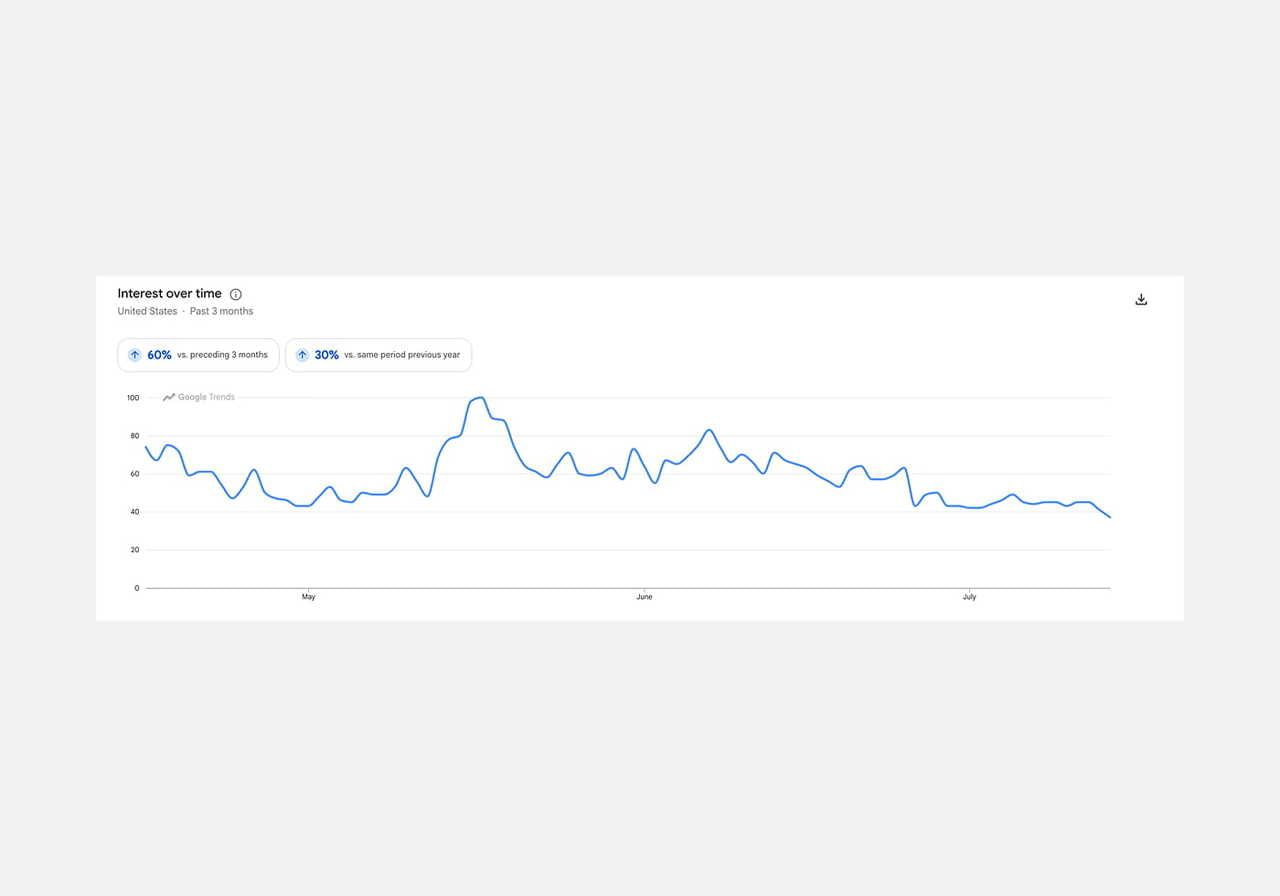
Source: Google Trends
Free tools to validate your niche:
-
Google Trends – A keyword research tool for comparing search terms, spotting rising queries, and checking regional demand.
-
Pinterest Trends – Research trending products, visual styles, and what potential customers save or share.
-
Instagram – Follow niche hashtags (e.g., #customtshirts, #walldecor) for quick product research on what designs are getting engagement.
-
Etsy – For POD sellers, browse the best-selling print-on-demand products across categories. Etsy doesn’t allow selling generic dropshipped items, but it lets you work with POD production partners.
Choose something you’re passionate about. If you love the niche, it’ll show in your branding and help you attract customers who genuinely connect with your product offerings.
For example, if you love animals, explore the pet supplies niche. The market is on track to reach $369.85 billion by 2030 globally, reflecting people’s love of splurging on their furry friends.
Valuable read:
Profitable dropshipping business ideas to try
Once your niche is solid, it’s time to pick products that fit:
-
Design trending products – What are people already searching for?
-
Start testing products early – Order a few samples, list them, and see which ones have the potential to become bestsellers.
-
Spot the gaps – Offer what other online stores don’t. Underserved sub-niches face less competition, letting you rank faster for specific searches.
Use Printful’s Bestseller section in the Product Catalog to explore high-demand items.
Final step? Find a reliable dropshipping partner with a proven track record of high-quality products and fast fulfillment.
Valuable read:
Print-on-demand niches to watch
2. Select a reliable supplier with zero upfront fees
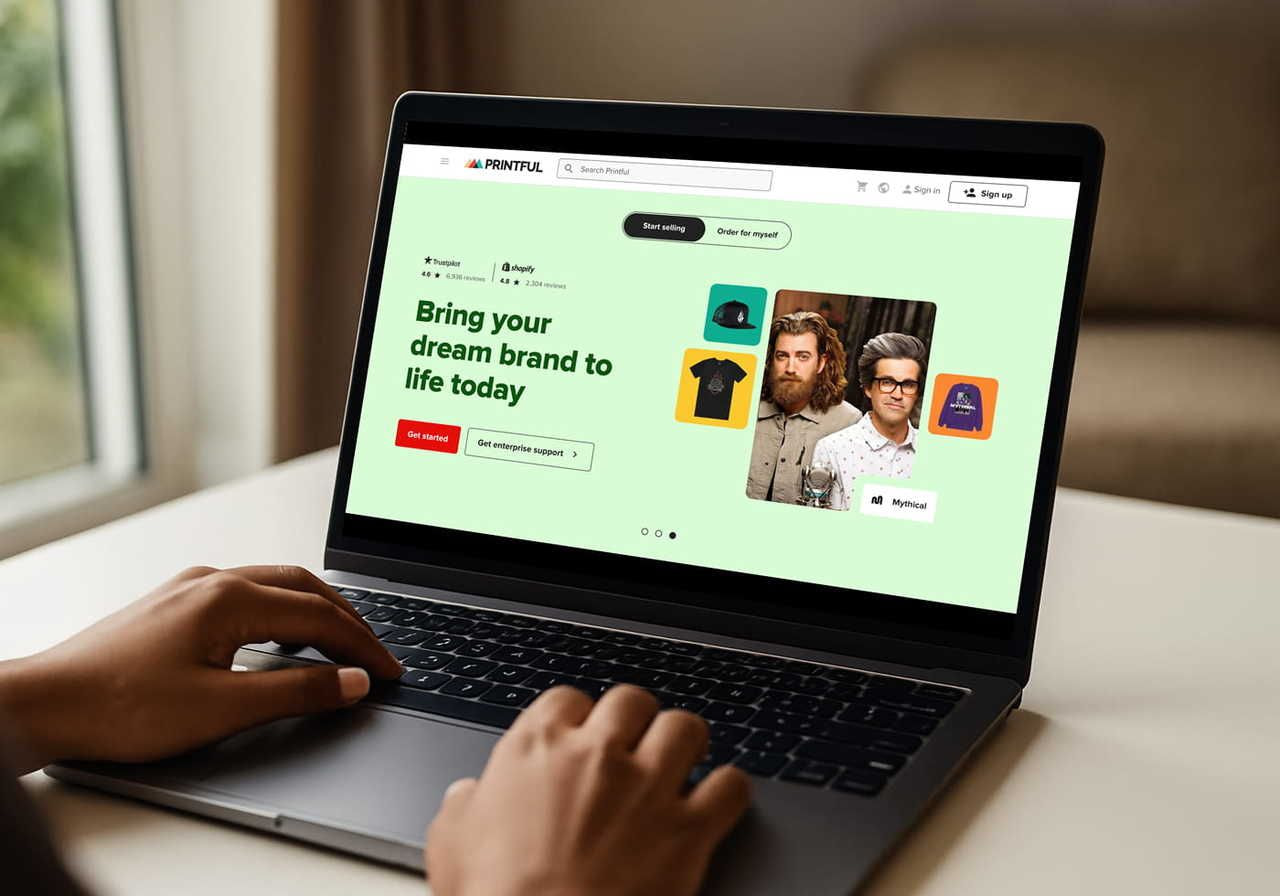
If you’re figuring out how to be a dropshipper without sinking money into the wrong partner, use these criteria to filter your options:
-
Speed – How fast can they create and ship products? 90% of US consumers are willing to wait two or three days for delivery, especially if it means avoiding shipping costs.
-
Product quality – Look for positive reviews on the supplier’s website or in seller communities, then order samples to check the quality yourself.
-
Reach – Their fulfillment network determines which markets your online business can serve.
-
Customer support – Issues can happen, so choose a partner who resolves them fast.
-
Cost structure – Look for suppliers with no upfront investment, no minimum order quantity, and no monthly fees to access their catalogs.
If you want to stand out with custom, high-quality products, go with a print-on-demand partner instead.
Printful has been in the industry for 13 years, is free to use, and customer reviews consider us as one of the top choices for brands looking to build beyond a basic dropshipping business.
For a broader comparison, see the best print-on-demand companies.
3. Get samples
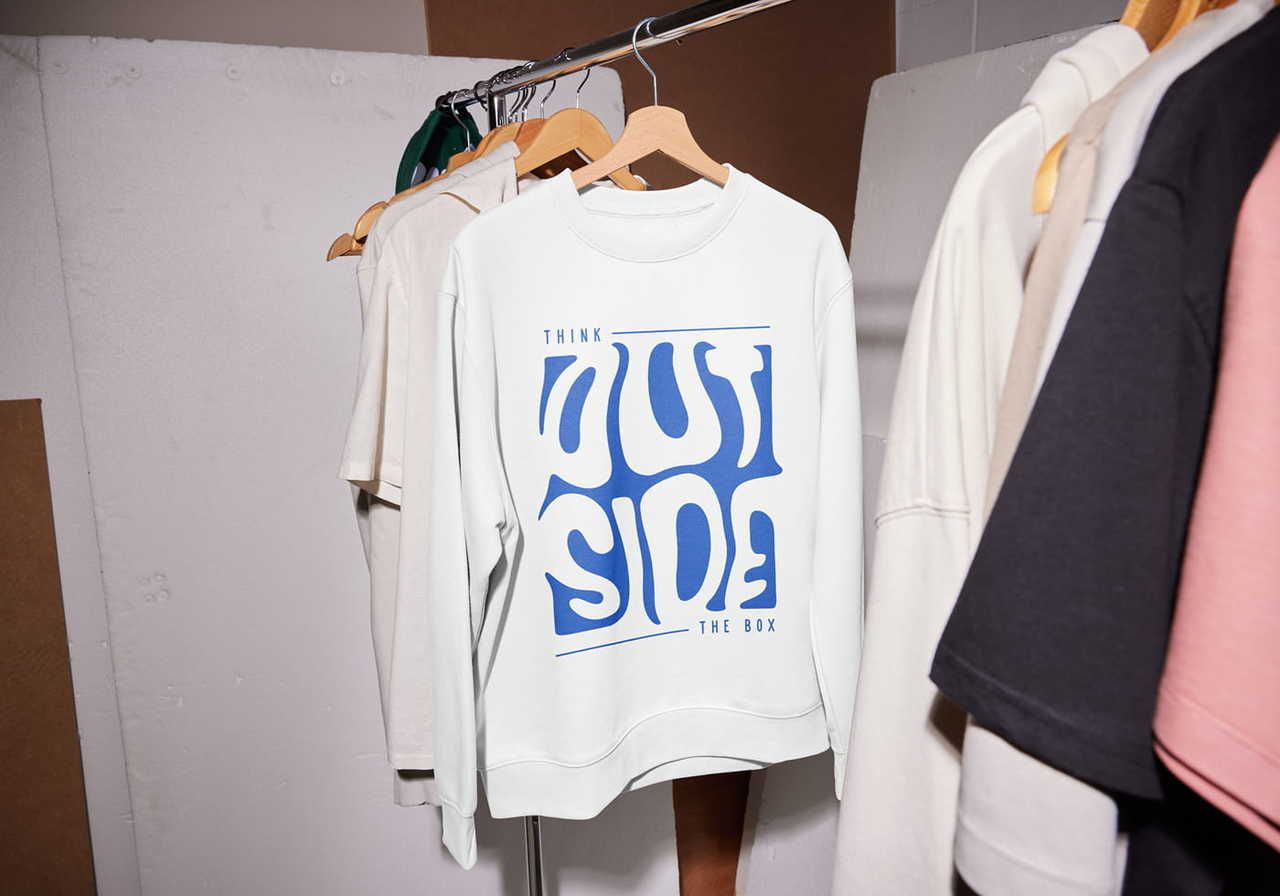
Product quality can make or break your online business – shoppers will either make another purchase or never return. That’s why partnering with a dropshipping supplier who takes quality seriously is essential to building customer loyalty.
The best way to check is to see the products in real life, so always order samples. It’s an expense worth investing in, and a core part of product research most new dropshippers skip.
With Printful, you get 20% off product samples, with up to five sample orders per month and a maximum of five items per order, depending on your sales volume.
Here’s how to make the most of your samples:
-
Evaluate quality – Check fabric, print quality, colors, and overall craftsmanship.
-
Create marketing content – Use samples to make high-quality photos and videos for your store, social media, and content marketing.
-
Gather feedback – Share samples with friends and family to get honest opinions on quality and appeal.
To order samples with Printful, go to the Product Catalog, select a product, and click Start new order. Then, choose the Test your designs option.
4. Set up your store using free platforms

Wondering how to get into dropshipping without spending money on a storefront? While the most common routes are online marketplaces or eCommerce platforms, there are also free tools like Printful’s Quick Stores.
You can start selling with zero upfront costs and launch a free online store in 10 minutes or less with just a few clicks.
Why choose Quick Stores?
-
Fast setup – Start selling in minutes, no coding required.
-
Ease of use – Skip technical headaches or complex design work.
-
Simple management – Manage products and operations in one dashboard.
-
Cost-effective – Open your online store without monthly subscriptions.
Note: Quick Stores is currently only available to US-based sellers targeting US shoppers.
If you want to sell on a marketplace or an eCommerce platform, here’s the difference:
-
Marketplaces (Etsy, Amazon, eBay) don’t charge monthly subscriptions, but you’ll pay selling fees.
-
eCommerce platforms (like Shopify) usually require monthly plans to launch a standalone store.
To keep startup costs low, check whether the platform has a free option or trial. For example, Shopify doesn’t have a free version, but you can test it for 3 months at just $1/month.
Valuable read:
Marketplace vs eCommerce platform: Which is best?
Best online marketplaces for print-on-demand sellers
Best eCommerce platforms: Top contenders
5. Add products to your store
Once you have your online store, it’s time to fill it up with winning products. Some dropshipping platforms let you push products directly to your store through a native integration or app. Others require you to import products manually or through a CSV file.
If you’re starting a print-on-demand business with Printful, adding products is simple through our integrations:
-
Go to your Printful Dashboard.
-
Select Product templates on the left sidebar.
-
Hover over the product you want to sell and click Add to store.
-
Pick your store and follow the instructions.
This will automatically sync customer purchases, as well – we’ll print, pack, and ship as soon as orders come in.
When adding products, make sure they stand out:
-
Write strong titles and descriptions that clearly explain what the product is and why customers need it.
-
Use eye-catching photos. Detailed, high-quality images build trust and help shoppers picture the product in real life.
-
Research competitors. See what’s working for them, then find ways to improve on it.
-
Follow platform rules. Each marketplace or platform has its own product listing requirements – stick to them to avoid issues.
Valuable read:
How to find dropshipping products that boost sales
6. Drive traffic through organic channels

After learning how to dropship, you need to drive people to your store.
Instead of resorting to paid advertising immediately, lean on organic marketing channels. The trade-off? You’ll spend time instead of money. But with consistency and creativity, you can grow your dropshipping business without emptying your wallet.
Online communities
Join Facebook groups, Reddit threads, and niche forums. Share value, answer questions, and only promote your store when it’s relevant. This builds trust and puts your brand in front of a target audience without looking spammy.
Social media
Use platforms like Instagram, TikTok Shop, and Facebook to showcase your products and build a following. Post photos, reels, and behind-the-scenes clips, and jump on trends with niche hashtags.
Blogging
Launch a blog on your eCommerce website to increase organic traffic and share your expertise. Write about topics your customers care about – think styling tips, how-to guides, or behind-the-scenes stories.
Follow search engine optimization basics like keyword research, internal linking, and readability. Tools like Ubersuggest, AnswerThePublic, or Yoast SEO can help structure your content.
Content marketing takes time to compound, but it’s one of the most reliable ways to bring in free traffic long after the post goes live.
Valuable read:
What is SEO and how it works – A beginner’s guide
Influencers
Work with micro-influencers in your space. Send them free samples in exchange for authentic content to attract organic traffic. It’s a low-cost way to build trust and expose your products to buyers who already trust the person recommending them.
Valuable read:
Steps for running the perfect microinfluencer campaign
Other smart moves
-
Run limited-time discounts or freebies in exchange for shares or follows.
-
Post in local and interest-based Facebook Marketplace groups.
-
Answer questions on Quora or comment on relevant TikToks.
It’s all part of your broader marketing strategy. The more consistent and thoughtful your marketing efforts, the better your chances of getting noticed – even if you’re figuring out how to start dropshipping with no money.
7. Save hours with automation and AI

One of the smartest ways to run a dropshipping business with little money is to lean on automation tools and AI. They save time, cut manual work, and let you focus on building your brand instead of drowning in admin.
The best part? Many come with free trials, low or no monthly fees, and only require an internet connection.
Here’s how to start automating today.
-
Product descriptions and SEO
Use AI tools like ChatGPT, Jasper, or Copy.ai to generate product descriptions, SEO copy, and blog posts – you’ll sound polished in minutes.
-
Visuals and content
Design social media posts, mockups, and ad creatives with tools like Canva (free plan available), Adobe Express, or Placeit. Use templates to maintain consistent branding.
-
Social media scheduling
Tools like Buffer, Later, and Planoly let you schedule posts across multiple platforms, freeing you from daily manual posting.
-
Email marketing
Use platforms like MailerLite, Brevo, or Sender to create automated email flows for customer onboarding, abandoned cart recovery, and promotions. Most have free plans for new stores.
-
Customer service
Set up automated replies and chatbots using Tidio, ManyChat, or even basic Facebook and Instagram tools. This helps you stay responsive and provide excellent customer service around the clock.
Automation doesn’t just streamline your workflow – it helps you grow smarter. If you’re starting a dropshipping business and want to scale without blowing your budget, automation and AI are your secret weapons.
Start selling online with no upfront investment
So, do you need money to start dropshipping? The short answer is no. The dropshipping business model is built to keep upfront costs low – no inventory, no warehouse, no bulk orders sitting around waiting to sell.
But if you’re ready to think beyond a basic dropshipping setup, Print on Demand is worth a closer look.
Instead of reselling the same generic catalog available to every other seller, you sell products that carry your own designs. Same low-overhead model, but with margins that support building an actual brand.
Sign up with Printful for free today – all you need is your design ideas to get started.
Read next:
How to start a dropshipping business
Weighing dropshipping pros and cons: The ultimate breakdown
Frequently asked questions
Technically, you can start dropshipping without tying up any money in inventory. That said, expect small operational costs along the way – some dropshipping platforms charge subscriptions, and marketplaces take a fee on each sale.
If you’re looking for a genuinely free entry point, print-on-demand platforms like Printful have no upfront fees or minimum orders. Plus, our Quick Stores feature lets you launch an online store without extra charges.
Most dropshippers fail because they picked an oversaturated niche, treated dropshipping as passive income, relied too much on paid ads, and skipped product research or sample testing.
The ones who succeed start with a solid business plan, back it up with consistent marketing, and pay close attention to suppliers and product quality.
$100 is enough to launch a basic dropshipping store and sell products from platforms like AliExpress. However, it won’t stretch far once you factor in other costs like sample orders.
Plan to lean heavily on organic channels like social media, SEO, and community engagement to make that budget work.
Some dropshippers do reach $10,000 per month, but it’s not the norm, and it doesn’t happen quickly. Getting there typically takes at least six months to two years of consistent work, strong product-market fit, a solid marketing strategy, and healthy profit margins on each sale.

Maisha is a content writer with 6+ years of experience in turning complex topics into clear, search-optimized content. She believes readability always wins, no matter how SEO trends shift. Outside of writing, she’s usually trying new recipes (but never following them), watching niche YouTube videos, or planning food-fueled adventures.

