



Table of contents
The global dropshipping market was valued at over $464B in 2025 and is set to grow by more than 20% annually through 2033. This makes choosing the right dropshipping business idea more important than ever for staying profitable and outshining the competition.
In this guide, we’ll explore the best dropshipping business ideas and profitable niches, learn how to assess market demand, and identify which high-quality dropshipping products offer the strongest profit potential. You’ll also find simple tools to guide your product research and niche selection.
How to choose the right dropshipping business opportunity
Not every niche suits every seller. Your goals, audience, and resources all determine the right fit. Here’s a quick cheat sheet.
If you want fast first sales
Pet supplies, baby products, and fitness and wellness have proven high demand and strong gifting angles that convert quickly. These evergreen niches have consistent search interest, repeat buyers, and broad target audiences, so you can start making money without waiting for a trend to peak.
If you want a niche with a community built in
Gaming, indoor gardening, and music and audio accessories all have active, passionate communities online. These niches reduce dependence on paid advertising because buyers already gather on social media, Reddit, Discord, and YouTube. A well-positioned online dropshipping business can tap into the existing conversation rather than build an audience from scratch.
Go with Print on Demand as a dropshipping alternative
Print on Demand is similar to dropshipping, but gives you a more competitive edge. You’ll still never have to hold inventory or purchase stock up front, but with the added bonus of adding your own designs to products. This makes your store more unique and lets you set higher prices since you won’t be selling the exact same things as others.
The supplier, like Printful, handles fulfillment automatically, so you get to spend your time on designing and marketing. Printful’s Product Catalog has 584 customizable items, including apparel, accessories, gifts, and home decor, so you’re sure to find something for every niche.
1. Clothing and custom apparel

Clothing is one of the most reliable dropshipping products to sell online. It holds the largest share of the global dropshipping market, and demand stays strong throughout the year, especially for sports and fitness clothing, streetwear, and custom designs.
Best products to sell
-
Leggings, sweatpants, and dresses
-
Sports bras, swimwear, and knitwear
Who’s buying and where to reach them
Everyone buys clothing, and they buy a lot of it. The global per capita spending on clothing in 2024 was about $296.2 per person, with a 17.8% increase expected by 2029. This shows just how frequently people refresh their style.
Social media is your most effective marketing channel. Instagram and TikTok drive strong purchase intent for fashion, while Pinterest works well for lifestyle and seasonal styles. Use content marketing to showcase real people wearing your products and lean on Print on Demand to test new designs without risk.
Read more:
Alternatives to Etsy dropshipping Top 11 dropshipping statistics you need to know
2. Personalized gifts

Personalized gifts are a popular dropshipping business idea because gifting is seasonal but never stops – birthdays, holidays, anniversaries, and milestones happen year-round. That steady rhythm of occasions keeps demand consistent and attracts repeat customers.
Best products to sell
-
Photo mugs, frames, and blankets
-
Monogrammed accessories and customized clothing
Who’s buying and where to reach them
Personalized gifts have a huge customer base as trends shift toward gifting items with deeper meaning. The global market is projected to reach $52.9 billion by 2035, with Millennials being the biggest spenders.
Pinterest and Google are strong marketing channels, especially around gifting occasions, like the winter holidays, Mother’s and Father’s Day, graduation season, and wedding season.
Clear personalization instructions and accurate preview images make it easier for customers to order with confidence and reduce support queries. Transparent pricing also matters here – shoppers want to know exactly what customization costs before they commit.
3. Home decor and wall art

The home decor market was worth $243.9B in 2025 and continues to grow as shoppers look for ways to personalize their spaces. Social media and home improvement content keep market demand steady, making this niche a fantastic dropshipping business idea.
Best products to sell
-
Candles, throws, and comforters
Who’s buying and where to reach them
Consumers in the US buy the most home decor, with China and Germany close behind. Gen Z is the primary shoppers in this category, and women purchase more than men.
Pinterest and Instagram are your strongest marketing channels here. Room inspiration posts, styling guides, and before/after content all drive organic traffic. Lightweight products like art prints and organizers are easy to test and ship, while personalized items increase average order value.
To stay competitive, curate products that match your audience’s customer preferences and follow decor trends closely.
4. Fitness and wellness
The wellness market is projected to reach $9.8 trillion by 2029. Shoppers continue to invest in products that support strength, mobility, and stress relief, making this a strong, profitable dropshipping business idea.
Best products to sell
-
Yoga mats and foam rollers
-
Resistance bands, dumbbells, and pickleball paddles
-
Essential oils and diffusers
Who’s buying and where to reach them
Fitness and wellness items appeal to a broad target audience – from beginners to dedicated athletes. Yoga mats, resistance bands, and water bottles sell well through social media, especially Instagram and TikTok, where workout content thrives. Curate a focused selection and highlight product quality with detailed imagery to build trust with wellness-focused customers.
Read more:
How to design your own sportswear without breaking a sweat
5. Beauty and skincare products
The global cosmetics market is expected to pass $644.17B by 2034. This fast-growing beauty and skincare niche is powered by social media. Over half of US shoppers are exposed to personal care and beauty products on social platforms – more than any other online channel.
Best products to sell
-
Bath and body items and makeup basics
-
Shampoos, conditioners, and nail care tools
-
Sun care, men’s grooming, and beauty supplements
Who’s buying and where to reach them
Women make up the largest share of cosmetics purchases worldwide, but men’s skincare products are starting to gain popularity. While there’s high global demand, the Asia Pacific region tops the charts for cosmetics purchases.
Content marketing through tutorials, skincare routines, and review-style posts performs particularly well, and you should find reliable dropshipping suppliers who can consistently meet safety standards.
6. Pet supplies

The pet product market is projected to grow at 7.06% annually through 2032, driven by rising pet ownership and the trend of treating pets like family. Pet accessories and personalized pet products are strong performers because they feel special and make good gifts.
Best products to sell
-
Pet toys, treats, grooming items, and healthcare products
Who’s buying and where to reach them
Dog parents spend the most on products for their furry friends, taking up over 48% of the market. North America is the region with the highest sales, with Gen Z and Millennials leading the charge.
Instagram and TikTok are goldmines for this niche – pet content is some of the most shared on social media. Premium treats, durable toys, and personalized tags convert well as gifts and everyday purchases. This niche offers strong dropshipping opportunities for sellers who prioritize quality and customer satisfaction.
7. Baby products

The baby product market is worth around $375 billion in 2026, and is projected to exceed $579 billion by 2033. This growth is driven by steady demand from parents seeking safe, high-quality items for their children. Educational materials and toys for early development are a particularly strong subcategory.
Best products to sell
-
Educational toys and baby care items
-
Baby safety products, strollers, and carriers
Who’s buying and where to reach them
Most baby product buyers are parents of newborns and toddlers, and mothers tend to be the primary decision-makers. Millennial and Gen Z parents, in particular, favor digital-first shopping with lots of product info and reviews before buying.
The best channels to reach them are social media and online parenting communities and groups, where recommendations spread. It’s also essential to have good search engine optimization (SEO) to ensure your products are easily discovered on marketplaces like Etsy and Amazon.
Read more:
How to start a kids’ clothing line
11 Kidswear business ideas for your online store
8. Eco-friendly products
Print on Demand is a great fit for sellers who want to offer sustainable products without holding inventory. This niche continues to attract eco-conscious consumers looking for everyday items made from safer materials and lower-impact production methods.
Best products to sell
-
Organic cotton clothing and sustainable home décor
-
Bamboo toothbrushes, biodegradable cutlery, and organic personal care
Who’s buying and where to reach them
Eco-friendly products are most popular with Gen Z, with over half preferring to purchase from sustainable brands over other options. Up to 73% are willing to pay more for sustainable products, so they’ll be your primary customer base for this dropshipping business idea.
Gen Z loves to discover products on social media, so establishing a presence on Instagram, TikTok, and Pinterest is a must. Show your products in lifestyle settings, and be sure to have the receipts to back up your sustainability claims.
Read more:
5 Eco-friendly products to sell in 2025
How to avoid greenwashing in your eco-friendly marketing
9. Home office and productivity
The global office supplies market is projected to exceed $79.3B by 2032, shaped by remote work and the growing need for functional home workspaces. Rising interest in self-improvement and study culture adds even more dropshipping product ideas to explore in this space.
Best products to sell
-
Mouse pads, desk organizers, and ergonomic accessories
-
Habit trackers, study planners, LED study lamps, and highlighter sets
Who’s buying and where to reach them
This niche appeals to freelancers, remote workers, students, and small businesses – making it an online store tailored for a wide demographic. Gen Z and college students are especially active here, searching for tools that simplify routines and improve focus. Bundles like a planner paired with a timer or study lamp boost average order value and keep customers engaged throughout the academic year.
Focus on SEO to reach your audience, as most shoppers turn to search engines to find their office essentials.
Pro tip: Offering home office supplies at different price points helps attract customers and increases the chances of long-term success in your dropshipping business.
10. Fashion accessories
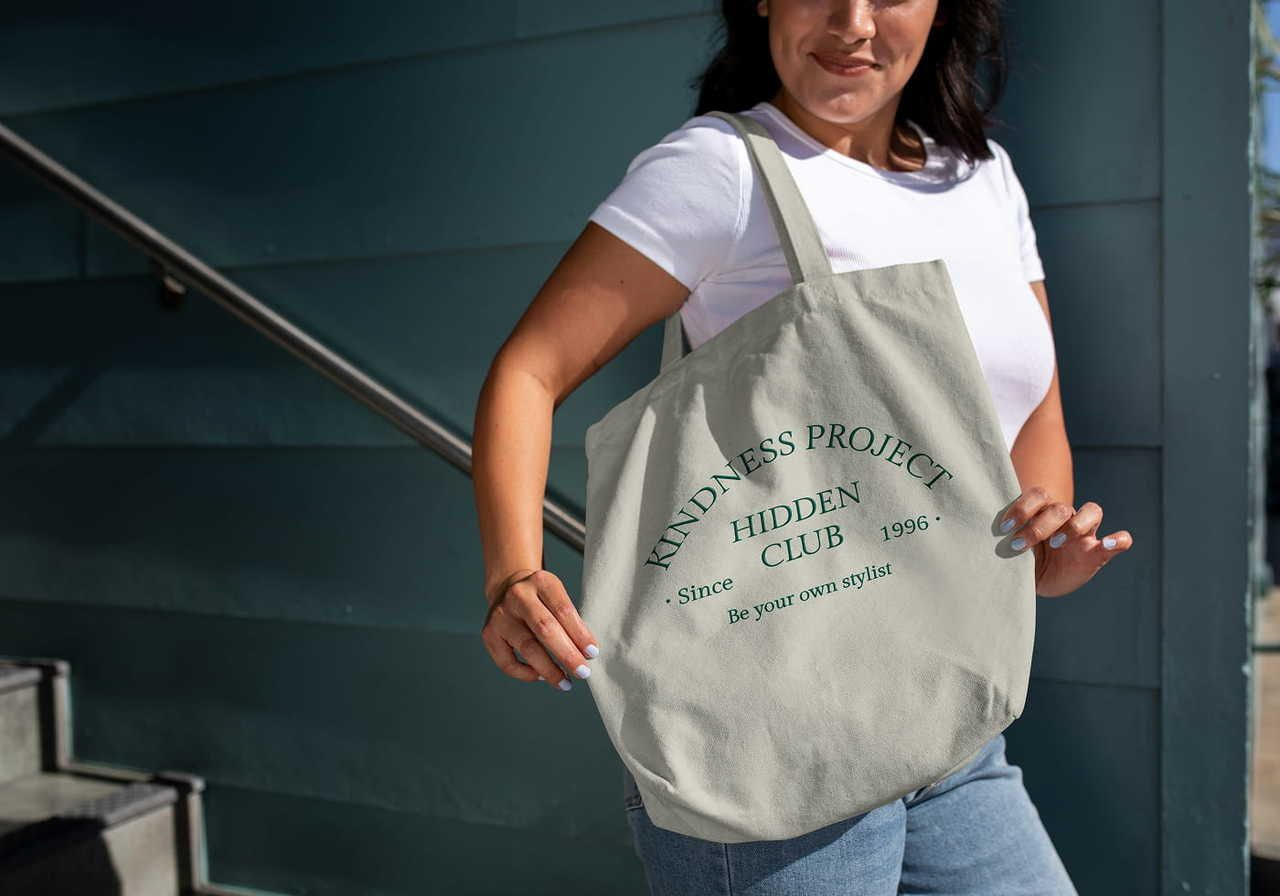
Fashion accessories continue to perform well online, with the market expected to reach $1259.43B by 2030. Driven by constant style cycles and social media discovery, fashion accessories offer competitive pricing flexibility and strong profit margins.
Best products to sell
-
Handbags, backpacks, and fanny packs
-
Socks, pins, patches, and hair accessories
-
Watch bands, jewelry, and footwear
Who’s buying and where to reach them
Women are the primary audience for this category, and they often discover fashion accessories through Instagram, TikTok, and Pinterest. Implement marketing strategies through influencer partnerships and social selling to introduce new items and build brand awareness quickly.
11. Gaming merchandise

The global gaming market is projected to reach $505.17B by 2030, fueled by mobile gaming, eSports events, and steady interest in PC and console play. This creates strong opportunities for sellers exploring dropshipping business ideas in the gaming space.
Best products to sell
-
Gaming accessories – keyboards, mice, controllers, and headsets
-
Gaming chairs, VR accessories, and cables
Who’s buying and where to reach them
Gaming isn’t limited to any specific age group. Women now make up approximately 48% of the global gaming population, and this niche stays active year-round.
Discord communities, Twitch, YouTube, and Reddit are highly effective for reaching gaming audiences and building a craft item dropshipping business around branded merchandise without heavy reliance on paid advertising.
12. Travel accessories
The travel accessories market was valued at $57.50B in 2025 and is set to exceed $108B by 2035. It’s a strong niche for online stores offering lightweight, easy-to-ship dropshipping products, and one where you can sell portable power banks, RFID wallets, and other high-demand everyday items.
Best products to sell
-
Luggage and travel bags
-
Neck pillows, packing cubes, and toiletry kits
-
Portable chargers, travel adapters, and waterproof phone pouches
-
Compression socks, luggage trackers, and travel luggage tags
Who’s buying and where to reach them
Travelers worldwide purchase these products, but the US and South Korean markets are growing the fastest.
Curating items by trip type – business travel, adventure travel, or beach destinations – helps your online store reach a wider audience.
Travel content performs well on Pinterest and Instagram, where people look for inspo for their next adventure.
Pro tip: Show products in real-life contexts to help shoppers picture how items fit into their routines. Clear product details and simple bundles make it easier for customers to decide.
13. Music and audio accessories
The music and audio accessory market is growing quickly thanks to the creator economy. Podcasters, streamers, and hobby musicians invest heavily in gear that improves audio quality, making this a strong niche with competitive pricing.
Best products to sell
-
Microphone arms, pop filters, and shock mounts
-
Portable sound panels, audio interfaces, and budget studio lights
-
Drum practice pads, foldable music stands, and instrument accessories
Who’s buying and where to reach them
Musicians and content creators are your primary audience here, and they frequently upgrade their gear, so if you win their trust, you’ll get a lot of repeat sales.
This niche often bases its purchasing decisions on word-of-mouth recommendations from others in the industry. Build up a social media presence and form partnerships with creators that others in the space look to for advice.
14. Indoor gardening accessories
The indoor gardening market is set to reach $3.11B by 2030, trending consistently across social media, especially in urban areas where outdoor space is limited. With steady demand and less seasonality than traditional outdoor gardening, it’s a strong online business niche.
Best products to sell
-
Grow lights, mini planters, and propagation stations
-
Soil meters, pruning tools, and plant mister bottles
-
Self-watering spikes, macramé plant hangers, and herb-growing kits
Who’s buying and where to reach them
Your primary customer base will be those living in apartments or in climates where outdoor gardening is a challenge. For example, a family that wants fresh herbs year-round but lives in Alaska, where growing them outside is impossible.
The “plant parent” community is active on TikTok, Instagram, and Pinterest, where strong visuals and clear product benefits significantly influence purchasing decisions. Adding eco-friendly options or beginner-friendly bundles helps attract customers and supports long-term growth in this niche.

Dropshipping business ideas at a glance
| Niche | Printful fit | Startup cost | Time to first sale | Best for |
|---|---|---|---|---|
| Clothing and custom apparel | ★★★★★ | Low | Medium | Brand builders |
| Personalized gifts | ★★★★★ | Low | Medium | Gifting stores |
| Home decor and wall art | ★★★★★ | Low | Medium | Creative sellers |
| Fitness and wellness | ★★★★☆ | Low–med | Medium | Health audience |
| Beauty and skincare | ★★☆☆☆ | Low–med | Fast | Repeat buyers |
| Pet supplies | ★★★★☆ | Low | Fast | Pet owners |
| Baby and family | ★★★★★ | Low | Fast | Gifting stores |
| Eco-friendly products | ★★★★★ | Low | Medium | Values-led brands |
| Home office and productivity | ★★★★☆ | Low | Medium | Remote workers |
| Fashion accessories | ★★★☆☆ | Low | Fast | Style audiences |
| Gaming merchandise | ★★★★★ | Low | Medium | Community stores |
| Travel accessories | ★★★☆☆ | Low | Medium | Travel audience |
| Music and audio | ★★★☆☆ | Low–Med | Medium | Creator economy |
| Indoor gardening | ★★★☆☆ | Low | Medium | Urban plant parents |
Challenges to know before you start a dropshipping business

Each niche comes with its own challenges. Understanding them early helps you evaluate product quality, shipping needs, safety rules, and the fulfillment process before committing.
Supplier reliability
A business idea only works if you find reliable suppliers. Compare communication speed, product samples, and shipping accuracy. Finding reliable dropshipping suppliers who offer regional fulfillment reduces delays and keeps customers happy. Red flags to look out for include slow replies, vague shipping details, or no sample availability.
Product quality control
Poor product quality leads to refunds and bad reviews fast. Always test product quality before adding any item – check stitching, print quality, scent, texture, or sound. If a supplier refuses to send samples, treat that as a warning sign.
Safety and compliance
Some categories come with stricter rules, like baby products, beauty, supplements, and certain electronics. Check ingredient lists, age warnings, and region-specific requirements for your main markets.
Returns and sizing issues
Apparel and fitted accessories often have higher return rates. Use detailed size charts with measurements, describe fabric weight and stretch, and show products on different body types where possible.
Shipping costs and speed
Customers expect fast, predictable shipping. Check where your supplier ships from, typical delivery times to your main markets, and how they handle tracking. Choose dropshipping services with reliable fulfillment that make sense for your target audience.
Seasonality and trend cycles
Some niches are evergreen, while others spike at specific times of year. Use Google Trends to check long-term search stability and monitor market trends on social media and online marketplaces. Seasonal niches can still be profitable – you just need a plan for what to sell the rest of the year.
How to find your winning dropshipping niche
Choosing the right niche matters more than the size of your catalog. Use these steps to evaluate any dropshipping business idea before you commit.
Start with your interests
The best dropshipping business ideas are ones you can talk about confidently. Your interests help you understand what buyers care about and make it easier to create product descriptions, content, and marketing materials that resonate with your target audience.
Validate demand
Before adding products, confirm that people are actively buying in your chosen niche. Search Google Trends for long-term interest, look for steady or rising market trends over at least a year, and review forums and comments to understand what problems your product ideas could solve.
Analyze real shopper behavior
Search volume tells part of the story – buyer intent tells the rest. Check how shoppers interact with your niche across platforms. TikTok is great for spotting viral product types and emotional buying triggers. Pinterest Trends reveals early signals in design, fashion, home decor, and lifestyle. Trend Hunter helps you find new angles in tech, culture, and product innovation before they hit mainstream platforms.
Study the competition
Look for what dominates page one, whether listings look identical (a sign of saturation), common product bundles, pricing ranges, and gaps in reviews or product information. If every item looks the same, find a smaller angle inside the niche.
Confirm realistic profit potential
Check shipping costs, average order value, weight, and dimensions, and whether you can add personalization or bundles. A winning niche must support simple, profitable pricing and encourage repeat customers.
Test before you commit
Add three to five products instead of 30. Run a small TikTok or Meta ad to gauge early interest. Product research at a small scale prevents costly mistakes.
Make your final decision
You’ve found a strong niche when you have:
-
Clear, steady interest backed by market trends.
-
A way to differentiate from competitors.
-
Reliable dropshipping suppliers you can grow with.
-
Healthy margins and reasonable shipping costs.
-
A target audience you genuinely understand.
When these pieces align, you have a niche with real staying power and the potential to build a truly successful dropshipping business.
How to position your dropshipping store inside a niche

Picking a niche is only part of the work. You also need a clear angle – what your store focuses on and why customers should choose you.
Start by defining one specific segment inside your niche. “Fitness” is too broad. “Beginner home workouts” or “office workers fixing back pain” give you a direction. When your audience is specific, your product selection, photos, and descriptions make sense instantly.
Then decide on one or two things you want to win with, such as:
-
Clearer product information.
-
Better sizing guidance.
-
Simple bundles that solve a full problem.
-
Better visuals.
Build everything around your chosen advantage. To win on clarity, use close-up images, real measurements, and honest details about material and texture. To win on simplicity, sell ready-made kits instead of individual items.
Finally, simplify the buying experience. Use clean categories, accurate photos, and transparent pricing. Offer responsive customer support and set clear shipping expectations. Consistency across your eCommerce store and social content builds trust quickly, and trust is what makes a niche dropshipping business work, even with a small catalog.
Final thoughts
Choosing a niche you understand is the strongest way to start a dropshipping business. When your dropshipping business idea aligns with your interests, it’s easier to understand your target audience and choose successful products they actually want.
Focus on dropshipping business ideas that are profitable enough to support strong margins, then validate market demand before adding items to your store. Work with reliable suppliers, implement marketing strategies that suit your niche, and keep testing. The most successful online businesses grow through steady improvement – not one-time decisions.
Read next:
7 Dropshipping alternatives for your online business
Frequently asked questions about dropshipping business ideas
It's technically possible to get a store live on a very small budget, but $100 is unlikely to give you enough room to test properly. A more realistic starting point is $200–$300 for your first month, which covers a platform subscription, a domain, and a small amount of ad spend or product sampling.
With Print on Demand through Printful, you can keep startup costs lower since there's no inventory to buy upfront – you only pay when a customer places an order.
Start by choosing a niche you understand and can research confidently. Validate that there's real market demand using Google Trends and social media. Then pick a platform – Shopify is the most beginner-friendly option – connect a dropshipping supplier or print-on-demand service, and add a small selection of products to your store. Focus on clear product descriptions, accurate pricing with room for decent profit margins, and testing a few marketing channels before expanding. The goal early on is to learn, not to launch a perfect store.
The most consistently strong performers are clothing and custom apparel, personalized gifts, pet supplies, home decor, and fitness and wellness products. These niches have broad target audiences, year-round demand, and strong repeat purchase potential.
Phone cases and tech accessories also sell well due to high search volume and frequent device upgrades. Products that are lightweight, easy to ship, and have clear use cases tend to sell best in online shopping environments.
No – the global dropshipping market is projected to reach $476B by the end of 2026 and continue growing. What has changed is the business model.
The era of generic stores selling cheap, unbranded products is largely over. What works now is niche focus, reliable dropshipping services, solid product quality, and brand-led positioning. Sellers who build a recognizable store identity, invest in content marketing, and offer exceptional customer service are still building profitable businesses with this model.

Chan is a copywriter, creative writer, and technical writer with 15 years of experience creating everything from training courses to compelling marketing copy. A self-confessed research nerd, she loves digging deep into a subject and bringing it to life on the page. When she’s not writing, she’s exploring forest trails or walking the beach with her dog, or in the kitchen experimenting with homemade pickles and jams.

