


Table of contents
The future of fashion is evolving. As the true environmental cost of inexpensive clothing becomes impossible to ignore, the choice between custom apparel and fleeting fashion trends has shifted from a matter of style to one of global impact.
This article breaks down the resource consumption of mass production versus the made-to-order model, showing you how custom clothing eliminates inventory waste, lowers your personal carbon footprint, and helps ensure a greener future.
What is fast fashion?
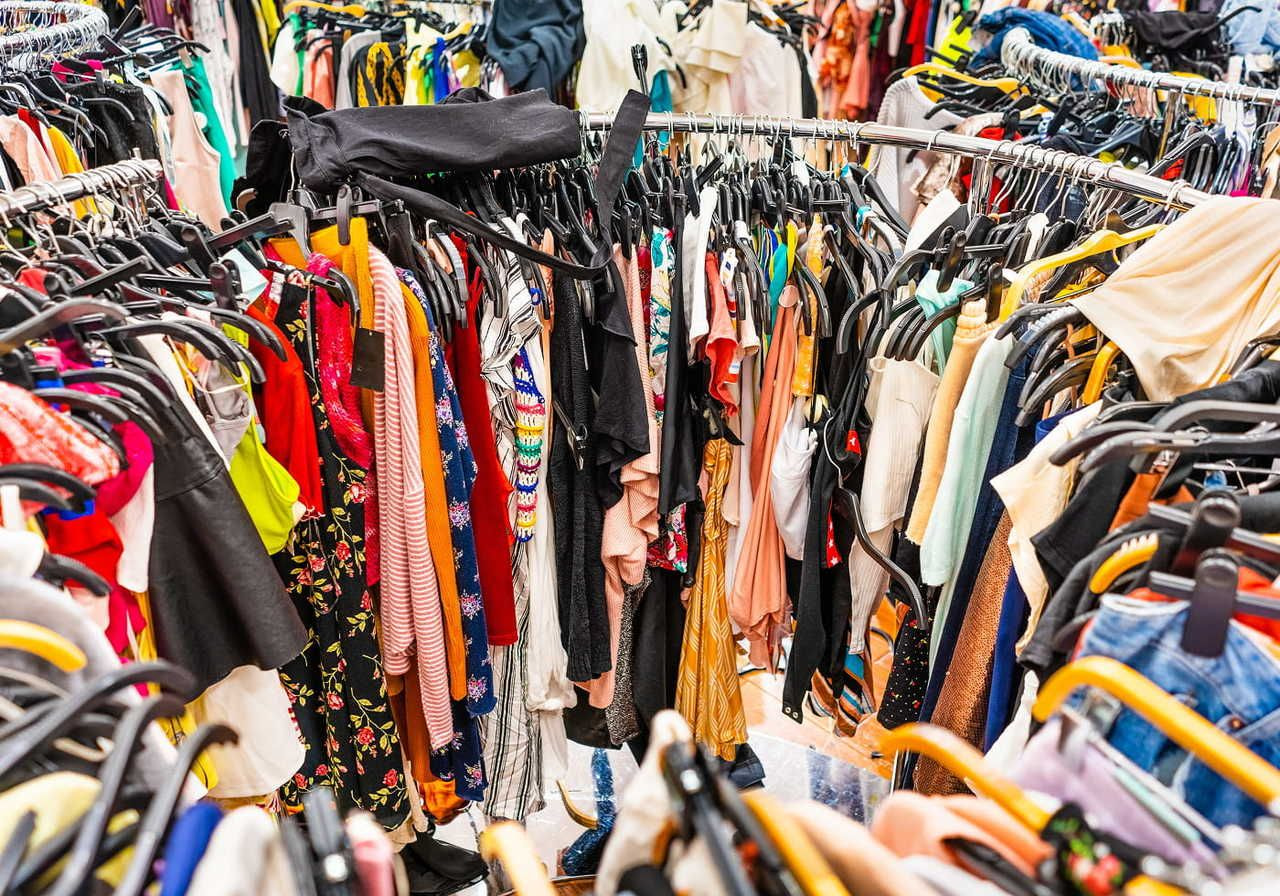
Fast fashion is a high-volume retail strategy built on speed and low costs. By using cheap materials and simplified construction, brands can move runway-inspired looks to stores in just weeks.
The fast fashion model relies on massive production cycles to meet anticipated demand. This focus on quantity over quality keeps the consumption cycle spinning, churning out constant new styles that are designed to be trendy rather than durable.
Environmental impacts of fast fashion
This waste makes fast fashion one of the biggest environmental problems today. When clothing is designed to be disposable, it fuels a cycle of overconsumption that leaves a staggering mark on our planet.
The numbers behind mass production reveal the true cost of cheap fashion:
-
92 million tons: The amount of textile waste the industry discards annually.
-
2,700 liters: The volume of water required to produce just one conventional cotton shirt.
-
Hundreds of years: How long synthetic fabrics take to decompose in landfills, leaching chemicals into our soil and water.
-
Massive carbon footprint: Driven by energy-intensive factories and long-distance global shipping for items often destined for the trash.
This rapid production model drains resources and creates waste across the supply chain, from toxic dye pollution to global shipping emissions, highlighting the need for sustainable, made-to-order apparel.
Labor and ethical concerns
Behind the low price tags lies a troubling reality. To keep costs down, many brands rely on factories with minimal labor protections to meet the sky-high demand.
Workers often face:
-
Exposure to harmful chemicals
-
Long hours
-
Low wages
-
Exploitation
-
Job-related injuries
Downsides for consumers
While fast fashion seems appealing because of its low prices, consumers ultimately pay a hidden price.
The poor quality means that garments:
-
Fall apart quickly
-
Lose their shape
-
Develop holes within a few wears
This puts a strain on consumers’ wallets and encourages overconsumption.
What is custom apparel?
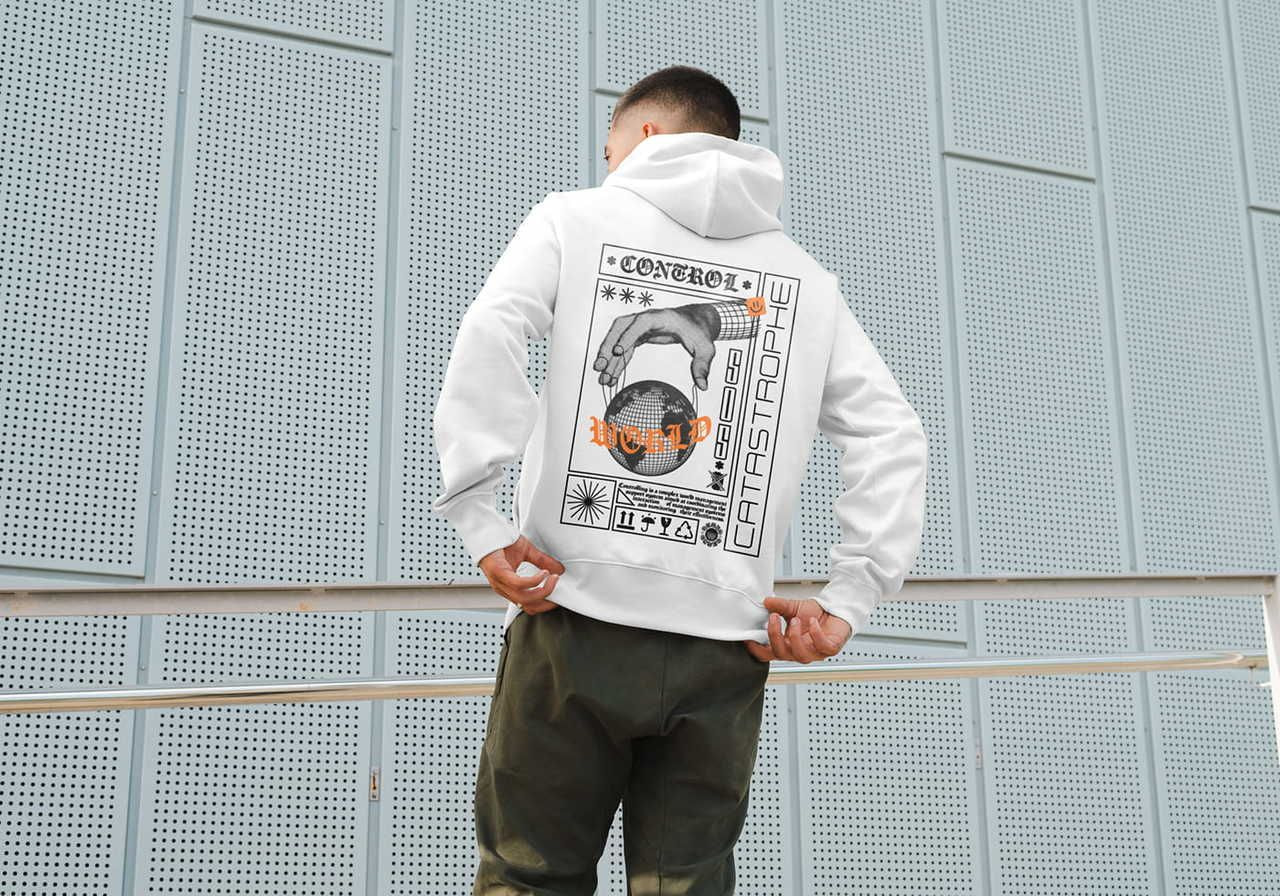
Custom apparel is created specifically for individuals, unlike fast fashion, which relies on mass clothing production. This shift fuels ethical consumerism, allowing buyers to reject fleeting fashion trends in favor of the future of fashion: a model built on quality and intention.
Custom clothing ensures better material sourcing and a reduced environmental cost. By choosing made-to-order pieces, consumers avoid contributing to the piles of discarded clothing while supporting local economies and sustainable growth.
Quality over quantity
Choosing custom clothing means investing in durability and quality craftsmanship. Unlike mass-produced clothing designed for short lifecycles, custom garments use higher-quality materials, eco-friendly practices, and construction that lasts much longer.
Custom clothing often features recycled fabrics, organic cotton, and other sustainable materials that have a much lower environmental impact and are more comfortable to wear than cheap alternatives.
Individual style and expression
In a world of mass-produced apparel, expressing personal style can be difficult when everyone wears the same trendy pieces. Custom apparel solves this by offering unlimited opportunities for self-expression. Whether designing graphics, choosing specific colors, or creating garment customization reflecting your brand identity, custom clothing lets you stand out.
For entrepreneurs, custom apparel provides opportunities to bring unique visions to life. Small businesses can develop distinctive product lines, setting them apart, creating deeper connections between people and their clothing.
Made-to-order production also allows for adjustments based on individual needs, ensuring better fits and pieces you'll actually want to wear. This personalized approach means your clothing stays in your closet for years instead of ending up in a landfill after a few months.
Ethical production and sustainability
21% of the textiles produced remain unsold and end up in landfills, unworn. Made-to-order production is the knight in eco-conscious armor, eliminating this waste.
Many custom clothing businesses prioritize sustainable practices throughout their operations:
-
Using eco-friendly materials like organic cotton or recycled fabrics
-
Partnering with manufacturers that follow environmentally friendly practices
-
Choosing production methods that minimize water usage and pollution
-
Supporting local economies with fair wages and safe working conditions
This commitment to ethical production sets custom clothing apart from fast fashion.
The slow fashion movement embraces values at the heart of custom apparel. Rather than chasing trends that encourage constant consumption, slow fashion emphasizes thoughtful consumption: buying less but choosing better pieces made ethically, designed to last, and produced with minimal environmental impact. This represents a more sustainable fashion industry approach.
Print on Demand in custom apparel
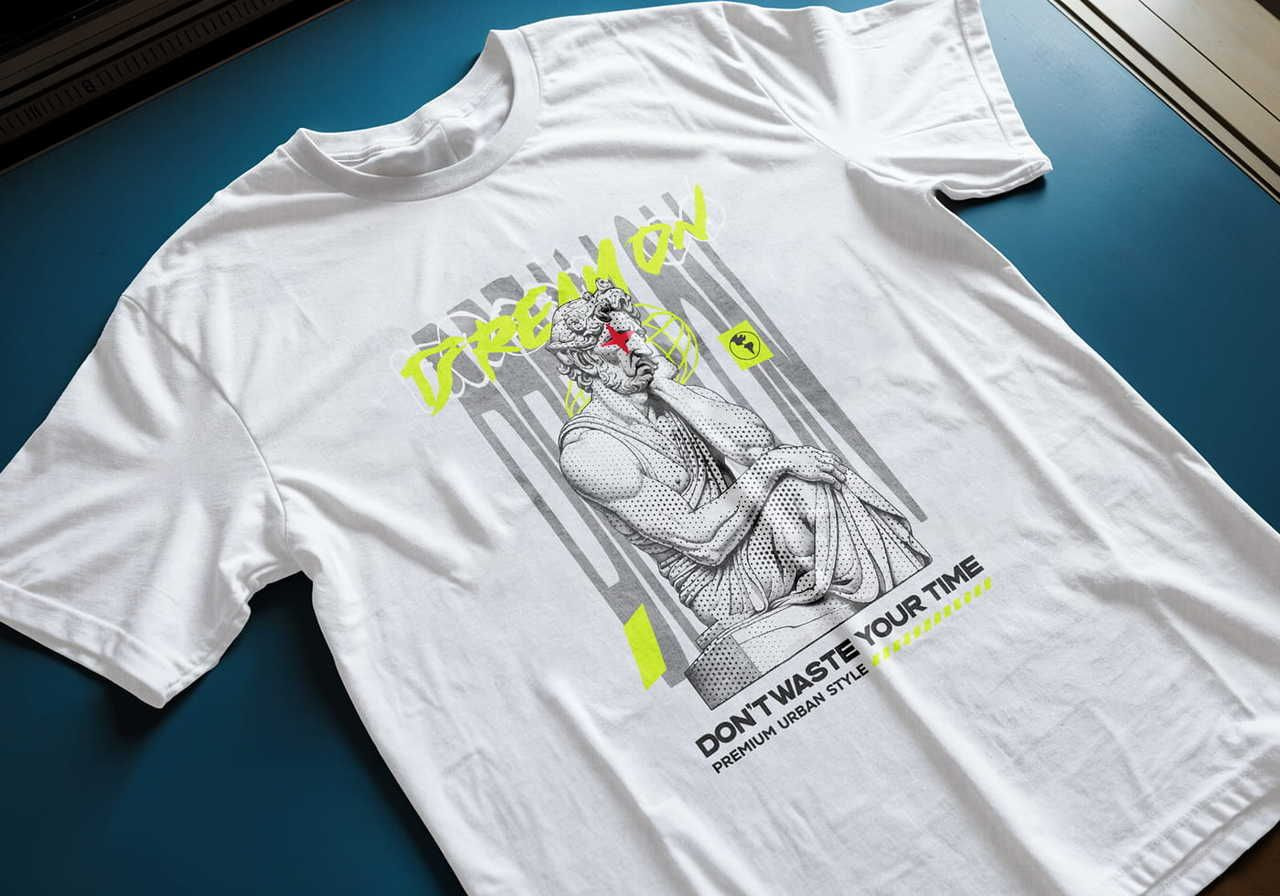
Print on Demand has revolutionized custom apparel access, making it possible for anyone to create and sell customized clothing without upfront investment. The print-on-demand business model produces items only after they're ordered, aligning with sustainable fashion practices.
For small businesses, Print on Demand offers major economic and environmental benefits:
-
No minimum order quantities
-
No inventory investment
-
No risk of unsold stock
-
Reduced long-distance shipping through localized production
-
Alignment with sustainability goals
This makes the custom clothing industry accessible to everyone, allowing designers and entrepreneurs to turn their ideas into reality without the traditional barriers that once kept them out of the fashion industry.
Custom apparel vs fast fashion: An overview
|
Criteria |
Custom apparel |
Fast fashion |
|
Production model |
Made-to-order production, items created only when purchased |
Mass production, large quantities to meet anticipated demand; surplus inventory |
|
Customization options |
Extensive personalization, unique designs, colors, and sizes |
Limited to mass-produced options; standardized sizes |
|
Quality and durability |
High-quality materials like organic cotton, superior craftsmanship |
Cheap materials and construction; short-term use |
|
Environmental impact |
Lower carbon footprint; reducing waste; sustainable materials |
High greenhouse gas emissions; massive resource consumption |
|
Labor and ethics |
Fair wages, ethical production, supporting local artisans |
Poor working conditions, low wages, minimal oversight |
|
Price approach |
Value-based; higher upfront cost but better long-term value |
Low-cost focused, frequent replacement needed |
|
Best for |
Individuals seeking unique style, small businesses, environmentally conscious consumers |
Consumers prioritizing immediate affordability, trend followers |
How custom apparel benefits small businesses
Custom apparel also enables small businesses to serve niche markets that fast fashion ignores:
-
Creating designs for specific communities
-
Offering extended size ranges
-
Producing specialized products for unique interests
-
Supporting local communities and underserved customers
This flexibility allows small businesses to thrive in ways that mass-market retailers simply can't match.
Why choose custom apparel over fast fashion?
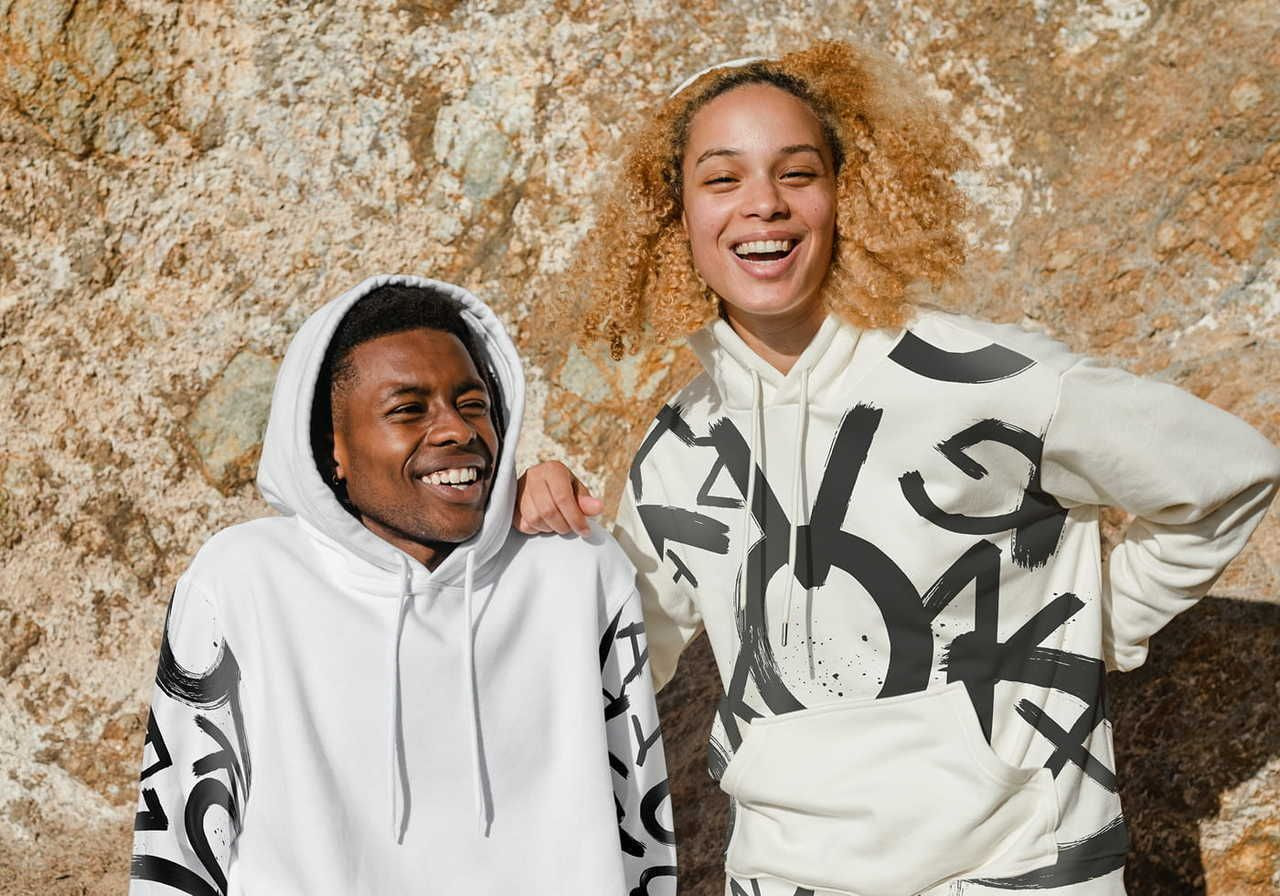
Choosing between custom apparel and fast fashion ultimately comes down to priorities. For those who value durability, responsible production, and a reduced environmental footprint, custom clothing offers a more intentional alternative to mass-produced fashion.
By shifting from a volume-based model to a made-to-order approach, the cause-and-effect benefits are clear:
-
Elimination of surplus: Custom clothing production ensures that every garment has a destination, directly preventing the millions of tons of unsold inventory that traditional retail sends to landfills.
-
Resource efficiency: Since production only begins after an order is placed, raw materials and water are used with precision, significantly reducing the waste associated with over-forecasting.
-
Longevity as sustainability: Higher-quality construction and personalized fit mean garments remain in use longer, slowing the cycle of consumption and decreasing the frequency of replacement.
Selecting custom apparel is a logical transition toward a more efficient supply chain where fashion operates with greater accountability and environmental responsibility.
How Printful supports custom apparel and sustainable practices
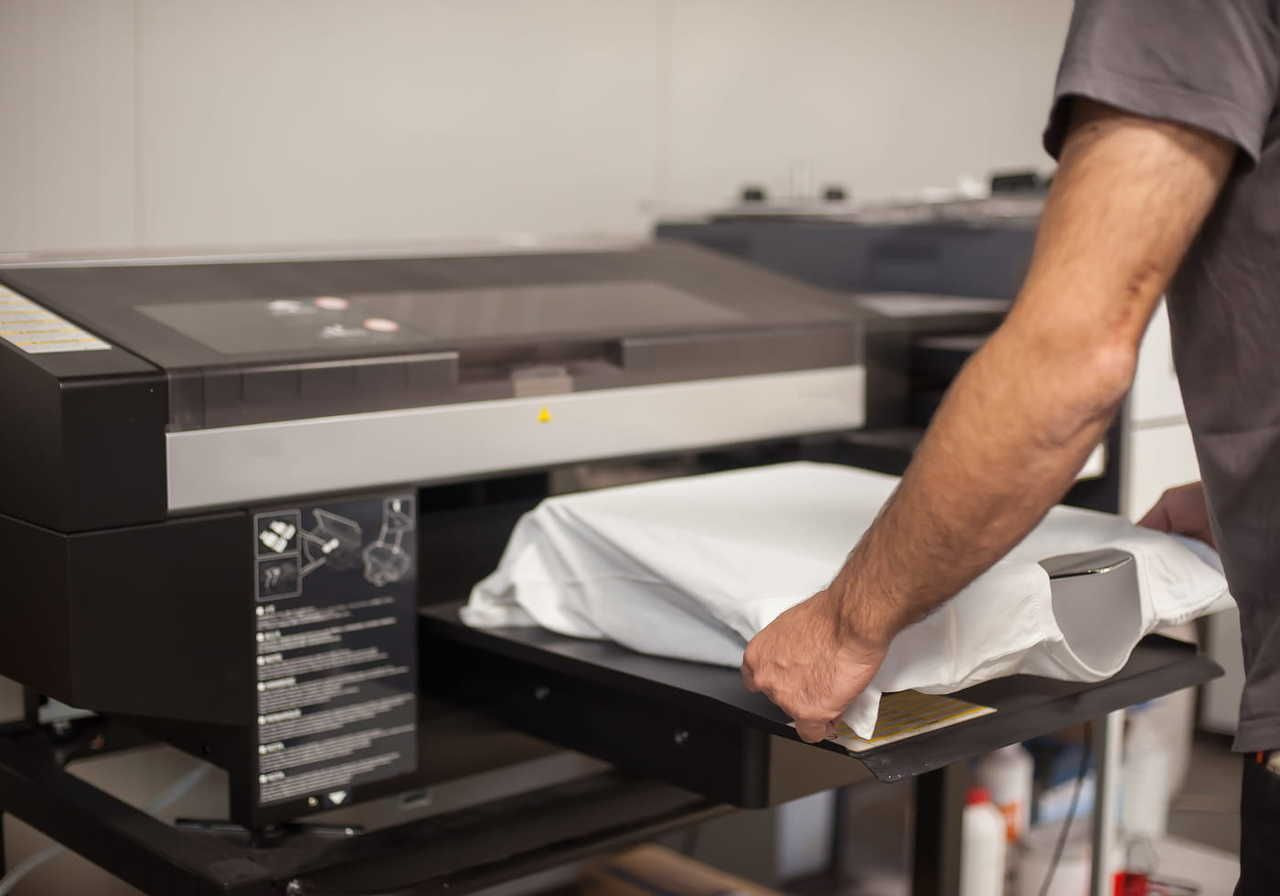
Printful is a leading print-on-demand platform, offering tools to make custom apparel accessible while supporting sustainable practices.
Print-on-demand benefits
Printful's print-on-demand model creates distinct environmental benefits and logistical advantages by shifting away from traditional retail forecasting:
-
Inventory elimination: Products are manufactured only after a customer makes a purchase, eliminating the need for warehouse stock and the energy required to maintain it.
-
Waste prevention: This model avoids the "burn or bury" practice common in fast fashion, where millions of tons of unsold seasonal inventory are discarded annually.
-
Resource precision: By producing based on actual data rather than estimated demand, raw materials and water are only used for garments that already have a destination.
This made-to-order approach directly addresses one of the fashion industry's most significant challenges: overproduction. While traditional brands often over-produce to ensure availability, Printful’s model ensures that every item manufactured is intended for a specific user.
Beyond sustainability, Print on Demand makes customization accessible. Research shows 81% of consumers prefer brands offering personalized experiences. Printful's platform delivers this at scale:
-
Hundreds of customizable items, from hoodies to home goods
-
No minimum order requirements
-
Tools that let creators and small businesses compete with larger brands
-
Support for both personalized apparel creation and eco-friendly clothing options
Sustainable options at Printful
Printful recognizes that environmentally conscious consumers and business owners want options aligned with their values. Here's how they support sustainable practices:
Eco-friendly materials:
-
Products in the eco-friendly collection contain at least 70% organic or recycled materials
-
Partnerships with suppliers that follow sustainable practices and ethical production standards
Sustainable packaging:
-
Post-consumer recycled plastic packaging for in-house facility orders
-
North American apparel packaging is now 90-100% PCR plastic
Reduced emissions:
-
Multiple fulfillment centers worldwide for localized production and shipping
-
24% reduction in operational emissions since 2021
-
Energy-efficient, water-saving printing equipment
-
Direct-to-film printing with water-based inks that produce minimal waste
This commitment to sustainable practices makes Printful a brand consumers can support with confidence.
Start a sustainable print-on-demand business with Printful
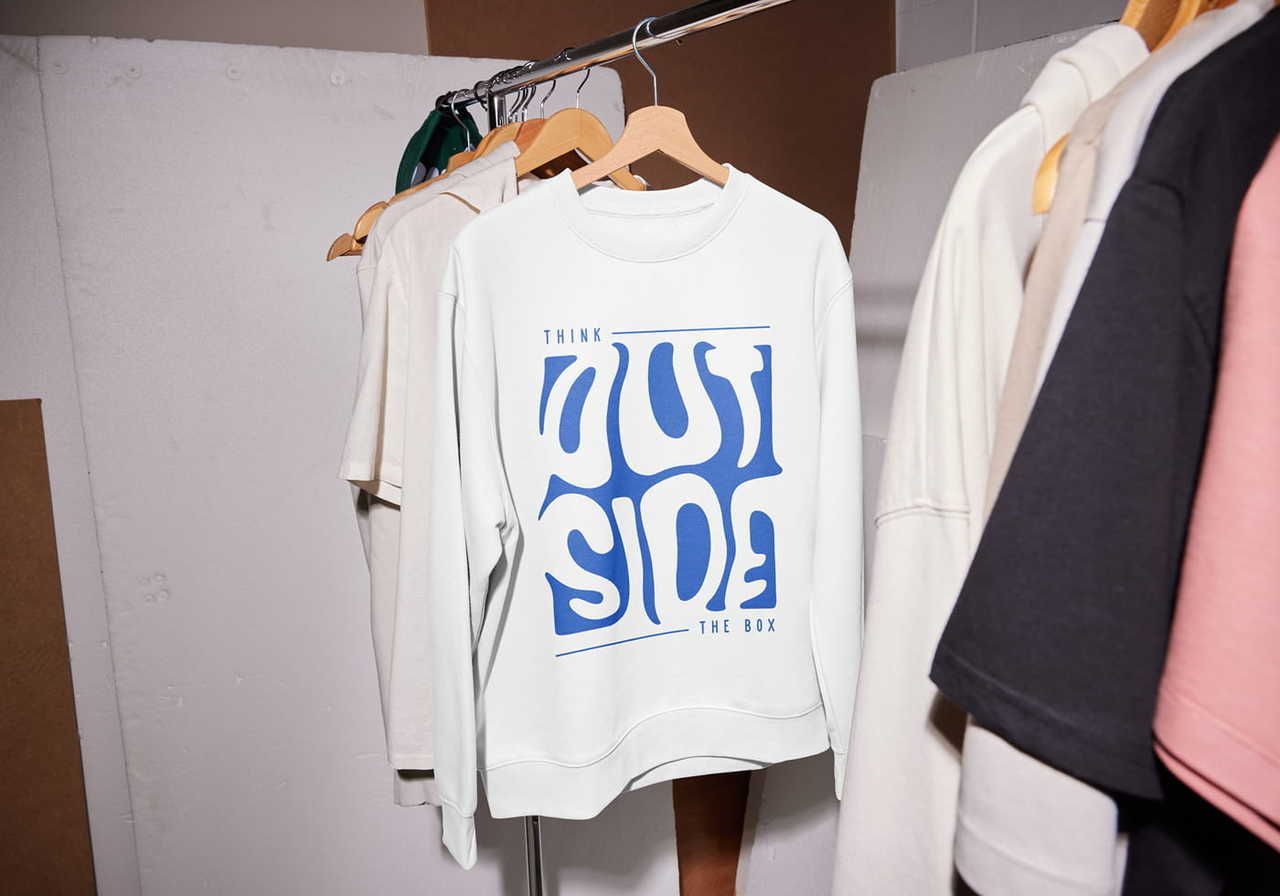
Ready to launch your custom apparel business and be part of the solution?
Step 1: Sign up
Create your free Printful account. No upfront costs or monthly fees.
Step 2: Define your niche
Decide what makes your brand unique, guiding design and marketing decisions.
Step 3: Choose sustainable products
Browse Printful's eco-friendly collection, selecting items made from organic cotton, recycled fabrics, or other eco-friendly materials.
Step 4: Create designs
Develop original artwork reflecting your brand values and appealing to your audience.
Step 5: Set up your store
Printful integrates with Shopify, Etsy, and WooCommerce. Connect your store and list products.
Step 6: Tell your story
Be transparent about sustainable practices. Explain how made-to-order reduces waste.
Get started today and join small businesses proving fashion can be profitable and sustainable.
Summary
Custom apparel vs fast fashion represents a defining choice for 2026. Fast fashion drives waste, environmental harm, and unethical labor through rapid, low-quality production, while custom apparel offers a more sustainable alternative through made-to-order manufacturing, higher-quality materials, and ethical practices.
Print-on-demand platforms like Printful make this model accessible, helping creators and small businesses reduce waste, support fair labor, and build a more responsible future for fashion.
Frequently asked questions
The biggest difference is production. Fast fashion relies on mass production, generating massive waste and using unethical labor. Custom apparel is made-to-order, eliminating excess inventory while prioritizing quality, sustainable materials, and ethical practices.
Custom apparel typically has higher upfront costs due to better materials, ethical production, and quality craftsmanship. However, it's more economical in the long term. Fast-fashion items may be inexpensive initially, but their poor quality means frequent replacements. Well-made custom garments last years, making the cost per wear significantly lower.
Fast fashion is characterized by rapid production, turning trends into mass market products quickly, the use of cheap materials keeping prices low, high-volume production based on anticipated demand rather than orders, and a disposable culture model where clothing is worn briefly before discarding.
Print on Demand is a key factor making sustainable fashion accessible. Producing items only when ordered eliminates excess inventory waste that plagues traditional retail. This approach means no unsold clothing ends up in landfills, no wasted resources, and a smaller environmental footprint for businesses.
Yes, but not on price. Small businesses compete on uniqueness, quality, values, and customer connection. While fast fashion relies on mass production and questionable practices, it can't match the personalization, quality craftsmanship, and authentic sustainability that custom clothing offers. Small businesses succeed by serving niche markets and building strong identities around sustainability and ethics.

Chan is a copywriter, creative writer, and technical writer with 15 years of experience creating everything from training courses to compelling marketing copy. A self-confessed research nerd, she loves digging deep into a subject and bringing it to life on the page. When she’s not writing, she’s exploring forest trails or walking the beach with her dog, or in the kitchen experimenting with homemade pickles and jams.

