


Table of contents
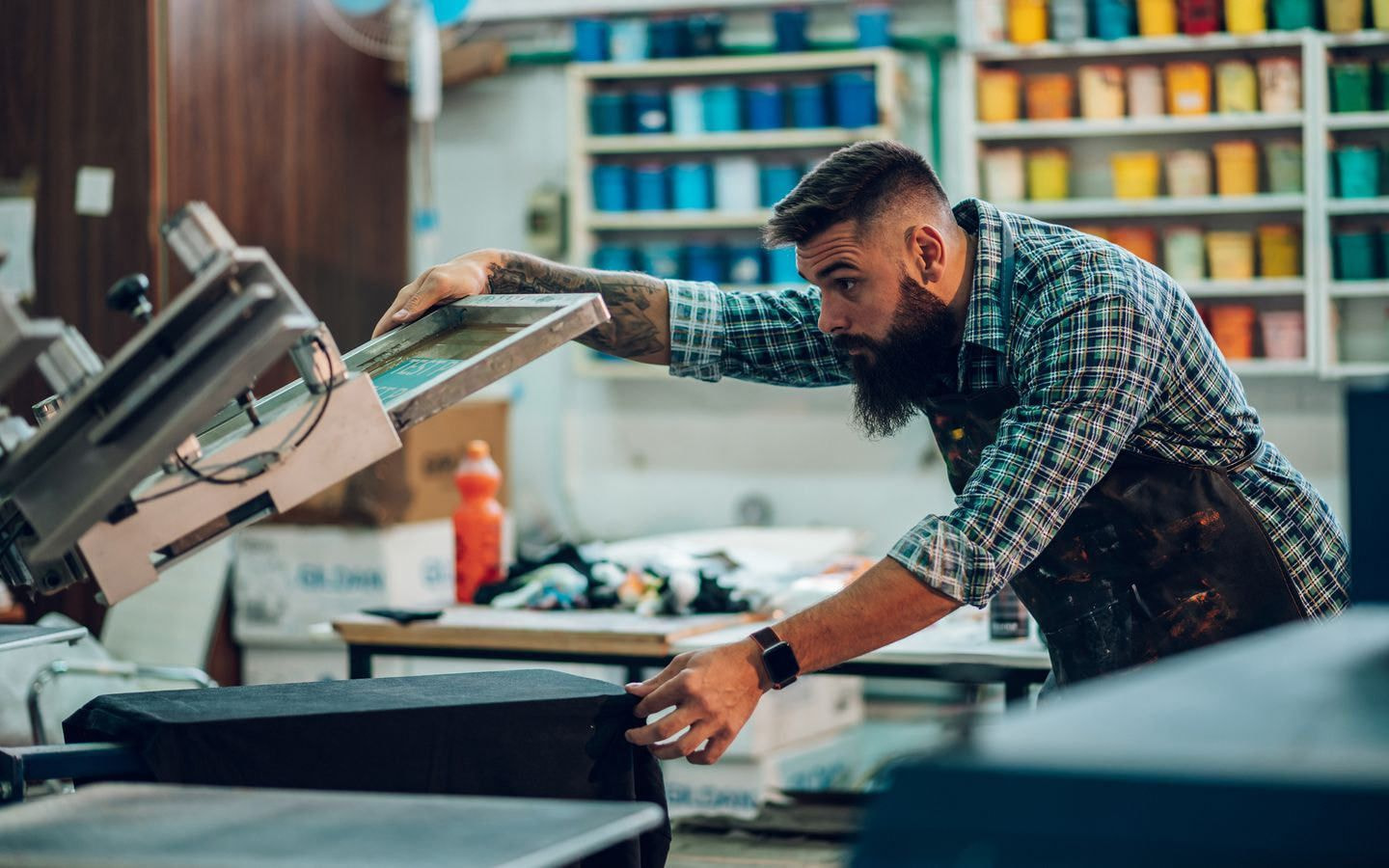
When you’re scaling merch for a concert, outfitting a sports team, or stocking shelves for retail, the right printing method will directly affect your margins.
In this guide, we’ll unpack the leading custom printing methods for bulk orders, from tried-and-true screen printing (also known as silkscreen printing) to digital printing and other printing techniques, so you know which method fits your high-volume production goals. The global custom printing market reached $38.10 billion in 2024, and screen printing alone accounted for 54.4% of that revenue – proof that this decades-old method still leads bulk production.
| Screen printing | DTG (direct to garment) | Sublimation printing | Heat transfer/vinyl printing | Embroidery | |
|---|---|---|---|---|---|
| Best for | Large runs with few solid colors | Detailed, colorful custom designs | All-over prints, patterns | Personalization, small to mid runs | Premium branding, corporate merch |
| Fabric compatibility | Best on cotton and blends | Works best on cotton | Polyester and synthetics | Cotton, polyester, blends | Works best on thicker fabrics |
| Design complexity | Limited (flat, bold designs) | High (photos, gradients) | High (full-color, seamless) | Moderate to high (varies by type) | Limited (simple logos, text) |
| Durability | Very high – wash-resistant | Moderate to high | Extremely high | Good, but can peel/crack | Highest – thread won’t fade |
| Hand-feel | Slightly raised texture | Soft, smooth finish | No added texture | Raised, plasticky feel | Textured, stitched feel |
| Cost-effectiveness at scale | Excellent for 100+ items | Moderate for small/medium | Cost-effective for polyester | Less cost-effective at scale | High cost per unit |
| Typical use cases | Band merch, promo tees, uniforms, wholesale stock | Boutique brands, drops | Sports jerseys, event gear, mugs, phone cases | Names/numbers on jerseys, promo tees, custom items | Polos, caps, jackets, high-end apparel |
Key factors to consider before choosing a bulk printing method

Cost per unit
The cost per unit is the amount you’ll pay for each item when producing in bulk. It includes setup fees, ink usage, and labor, averaged across the total order.
Some printing methods, like screen printing, have high setup costs but become more cost-effective at scale. Other printing methods, such as DTG printing, have no setup costs but maintain a fixed per-item price regardless of quantity.
Understanding cost per unit helps businesses plan for campaigns, retail margins, and event budgets, especially when balancing volume against profitability and cost efficiency.
-
Screen printing: High upfront cost, but the most cost-effective method once volume climbs into large-scale production
-
DTG: No setup costs, better for small to mid runs
-
Sublimation: Efficient when producing many polyester items
-
Heat transfer: Lower entry cost, not ideal for high volumes
-
Embroidery: Higher per-unit cost, premium value
Design complexity
Design complexity covers the number of colors, the level of detail, and effects like gradients or photographs in your artwork.
Some t-shirt printing methods – like screen printing – handle solid logos and bold shapes with ease. Meanwhile, others, such as DTG printing, excel at intricate or photorealistic images.
The more complex the design, the more you need a method that can handle fine detail without losing clarity. Choosing based on complexity ensures your custom t-shirt printing aligns with the brand identity you’re aiming for.
-
Screen printing: Great for bold, simple designs like logos, solid shapes, or line art
-
DTG: Handles complex details and full-color, detailed prints, including photos, gradients, and multi-color art
-
Sublimation: Best for seamless all-over artwork
-
Heat transfer: Flexible for moderate complexity, such as multi-layer logos
-
Embroidery: Limited to simple logos, text, and lining
Material and product variety
The fabric and product type directly affect which shirt printing methods will work best. Cotton, polyester, and blends react differently to inks and t-shirt printing processes.
Some methods are fabric-specific, like dye sublimation, which bonds only with synthetic fibers. Screen printing, DTG, and heat transfer printing are more versatile across cotton and blended materials. Embroidery, on the other hand, works best on thicker garments like jackets and caps.
Considering the material helps ensure your design looks and feels the way you expect, whether you’re making custom shirts, jerseys, mugs, or hats.
-
Screen printing: Best on cotton and blends
-
DTG: Works well on natural fabrics and cotton blends
-
Sublimation: Only works on white or light-colored polyester and synthetics – dark or natural fabrics don’t retain the dye
-
Heat transfer: Adaptable across fabrics and hard products (like mugs)
-
Embroidery: Ideal for thicker garments and caps
Turnaround time and logistics
Turnaround time measures how quickly a bulk order can be completed, including setup, production, and delivery. Some printing methods are fast once prepared, while others slow down at high volumes.
Logistics matter too, including shipping deadlines, event schedules, and retail launches. Choosing based on turnaround time can help avoid delays and improve customer satisfaction with your t-shirts and other products.
-
Screen printing: Slower setup, but quick once running
-
DTG: Steady pace, better for smaller orders
-
Sublimation: Reliable speed for mid-size runs
-
Heat transfer: Fast for small batches, slower at scale
-
Embroidery: Longer turnaround for big volumes
Durability
Durability refers to how long prints maintain their color, detail, and quality through washing and daily wear. Some t-shirt printing methods produce durable prints that last for years, while others may fade or crack more quickly.
For uniforms, sports gear, or promotional t-shirts, durability determines whether a method is worth the investment. Picking the right approach keeps your brand looking fresh long after the first wear.
-
Screen printing: Highly durable and long-lasting
-
DTG: Good lifespan, but can fade with time
-
Sublimation: Permanent and resistant to cracking or peeling
-
Heat transfer: Holds up but may peel eventually
-
Embroidery: Highly durable and can outlast the garment itself
Feel and finish
Feel and finish are the tactile results of printing – whether the design sits on top of the fabric, blends into it, or adds texture. This factor affects comfort and perception, especially for retail-ready apparel.
A soft, breathable t-shirt feels very different from one with a plasticky surface. Considering this helps align the final product with your brand’s desired look and customer experience.
-
Screen printing: Slightly raised, textured feel
-
DTG: Soft and smooth to the touch, blends into the fabric
-
Sublimation: No extra texture, breathable
-
Heat transfer: Plasticky or smooth finish, depending on vinyl type
-
Embroidery: Stitched, textured surface
Minimum order quantity
Minimum order quantity (MOQ) is the smallest number of items you can order for a particular printing method. Some t-shirt printing methods work well for one-off or small runs, while others only pay off once you order 50, 100, or more.
Knowing the MOQ helps businesses balance flexibility with cost and avoid overspending on the wrong shirt-printing approach.
-
Screen printing: Efficient for 50-100 or more units, and cost-effective for large quantities beyond that
-
DTG: No minimums, ideal for 1-50 items and larger orders
-
Sublimation: Better for medium to large polyester runs
-
Heat transfer: Great for small, personalized orders
-
Embroidery: No MOQ, but costs rise per piece
Tip: Partner with Printful and forget about minimums. Our in-house production keeps quality consistent across large runs and lowers reshipment rates, whether you need embroidery, DTG printing, or another bulk printing technique.
Eco-friendliness
Eco-friendliness covers the environmental impact of different printing methods, from ink type to waste levels. Brands today consider whether inks are water-based, if production minimizes leftovers, and how long the design lasts before replacement is needed.
Sustainable printing options help your business appeal to eco-conscious buyers and reduce waste, making them increasingly important when choosing a shirt printing approach.
-
Screen printing: More sustainable with water-based inks
-
DTG: On-demand, prevents excess stock
-
Sublimation: Long-lasting, minimal waste
-
Heat transfer: Vinyl may be less eco-friendly
-
Embroidery: Low waste, depends on thread sourcing
5 Leading printing methods for bulk orders
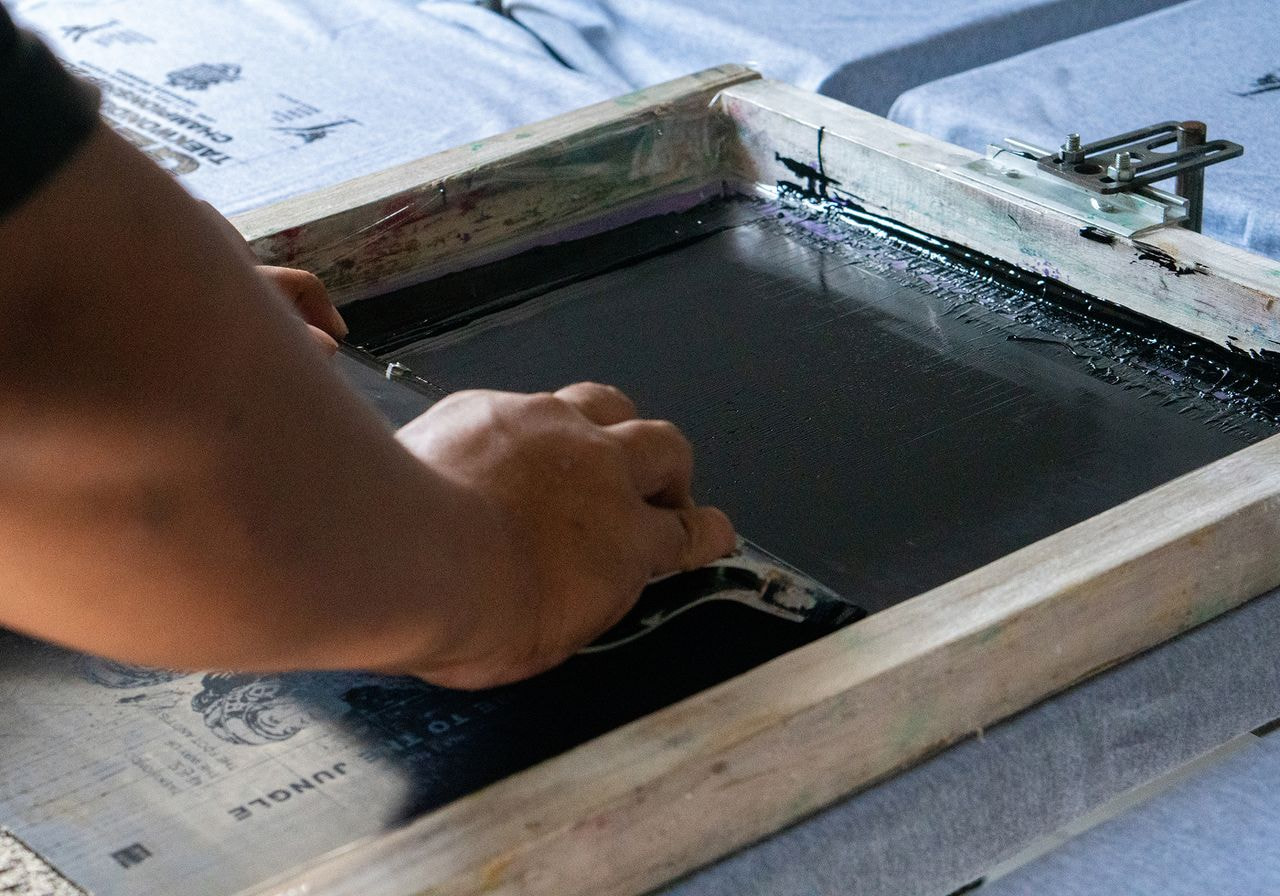
Bulk screen printing
Screen printing is the most established printing method for bulk t-shirt production. The screen printing process involves creating stencils (screens) for each color and pressing water-based inks or plastisol through the mesh directly onto the fabric. This makes it ideal for custom t-shirts with bold, simple graphics.
Best for: Large runs of custom apparel like t-shirt lines, uniforms, promotional wear, and custom merchandise, where designs use limited colors.
Result and durability: Prints come out bold, with vibrant colors, sharp edges, and a slightly raised texture. It’s one of the best high-volume printing solutions, lasting through dozens of washes with minimal fading.
Pros
-
Extremely cost-effective at scale (perfect for bulk t-shirt printing)
-
Long-lasting, sturdy screen-printed designs
-
Excellent for bold logos and solid color designs
Cons
-
Slow and expensive initial setup
-
Not suited for complex designs or gradients
-
Limited flexibility for short runs
Feel and products: The design sits on top of the fabric with a noticeable texture. Traditional screen printing works best on cotton and cotton blends, making it the go-to option for wholesale custom t-shirts.
DTG (direct-to-garment) printing
DTG printing is a modern technique that uses a specialized DTG printer to print directly onto fabric. Unlike traditional screen printing, direct-to-garment printing supports a wide range of color combinations and fine detail.
Best for: Custom t-shirt printing with detailed artwork, gradients, and colorful designs. Meant for brands that want sample print runs or bulk DTG printing with multiple design variations. It’s also a strong fit for on-demand printing, where small quantities and frequent design changes are the norm.
Result and durability: DTG produces soft, high-quality prints with excellent detail. They’re washable and reliable, though less durable than screen printing.
Pros
-
Excellent for complex designs and photo-quality graphics
-
Ideal for short to medium runs with many variations
-
No setup screens required
Cons
-
Slower than screen printing for huge runs
-
Limited to cotton and other natural fabrics
-
Higher per-unit cost for thousands of t-shirts
Feel and products: Because the inks soak into the fibers, DTG feels smooth and lightweight. It shines on 100% cotton t-shirts – ideal for branded apparel lines that need intricate designs and varied printing methods across collections.
Sublimation printing
Sublimation printing (dye sublimation) uses sublimation ink and special transfer paper to embed designs into polyester fibers. Heat and pressure turn the ink into gas, bonding it directly with synthetic fabrics.
Best for: All-over printing designs on white or light-colored polyester t-shirts, sports jerseys, performance wear, and promotional items like mugs or phone cases.
Result and durability: Creates permanent, vibrant colors that never crack or peel. Designs become part of the fabric, creating lightweight, breathable, and durable prints.
Pros
-
Seamless all-over printing
-
Extremely long-lasting with no added texture
-
Perfect for colorful designs and photographic detail
Cons
-
Limited to synthetic fabrics (polyester)
-
Not effective on cotton or dark garments
-
Requires light fabrics for good results
Feel and products: Because the print fuses with the material, there’s no extra layer – you only feel the shirt. A popular shirt printing technique for sports uniforms, event gear, and creating personalized items at scale.
Heat transfer and vinyl printing
Heat transfer printing uses a heat press to apply designs from special transfer paper or vinyl sheets to fabric. Vinyl printing specifically uses cut, colored vinyl sheets that adhere under heat and pressure.
Best for: Small to medium runs of custom t-shirts, names and numbers on jerseys, limited-edition custom designs, and personalization.
Result and durability: Heat transfer vinyl printing produces bold, opaque designs on top of the fabric with a smooth or textured finish. It’s considered a durable printing method, though heavy washing may cause peeling or cracking over time.
Pros
-
Excellent for short runs and creating personalized items
-
Works on cotton, polyester, and blended fabrics
-
Handles multi-color and photographic prints
Cons
-
Less profitable for high-volume orders
-
Thicker feel than digital printing or DTG
-
May peel or crack with frequent washing
Feel and products: These t-shirt printing methods leave a slightly raised, plasticky finish, depending on the vinyl. Perfect for sports gear, promotional tees, and custom apparel for businesses needing name or logo variations.
Embroidery
Embroidery for bulk orders is a timeless decoration method where threads are stitched directly into fabric using automated machines. Unlike other t-shirt printing techniques, it creates a textured, premium look.
Best for: Polo shirts, caps, jackets, and custom apparel where durability and brand elevation matter more than fine detail.
Result and durability: Designs are physically stitched into the garment, creating long lasting results and making embroidery one of the most durable decoration methods.
Pros
-
Long-lasting, professional appearance
-
Adds premium value to branded apparel
-
Works well on thicker materials and structured garments
Cons
-
Higher cost than other custom t-shirt printing methods
-
Not suitable for detailed or colorful artwork with gradients
-
Less ideal for lightweight t-shirts
Feel and products: Embroidery adds texture and dimension. Best for polos, hats, hoodies, jackets, and high-end custom apparel for businesses. While not the best printing method for bulk orders, it’s unbeatable for upscale custom merchandise.
Other printing methods worth knowing
Bulk buyers sometimes need options beyond the five methods above, especially for hard goods, multicolor synthetic garments, or high-speed runs.
Digital printing: Prints designs straight from a digital file with no plates or screens required, making it a strong fit for personalized merchandise and complex designs without setup costs.
DTF (direct-to-film) printing: Prints artwork onto a film, then heat-presses it onto fabric, which suits multi-color graphics and frequent design variations across different fabric types.
Offset printing: Transfers ink from a plate to a rubber blanket before it reaches the material, delivering supreme image sharpness and consistent color fidelity across large runs.
Flexography: Uses flexible relief plates on high-speed rotary presses, making it ideal for printing on non-porous or unusual materials like labels and tags shipped alongside bulk apparel orders.
UV printing: Cures ink instantly under ultraviolet light, allowing fine detail directly on hard surfaces such as mugs, phone cases, and drinkware.
Laser engraving: Etches a design into wood, metal, or leather instead of adding ink, producing a permanent mark suited to premium promotional items.
For per-unit pricing at large scale, traditional analog methods – offset, flexography, and screen printing – generally become more cost-effective than digital printing once volume climbs past a few hundred units, since their per-unit cost keeps dropping the more you print.
FAQs
The eight main methods are screen printing, digital printing, DTG, sublimation, heat transfer and vinyl printing, embroidery, offset printing, and flexography.
Bulk apparel orders typically rely on screen printing, DTG, sublimation, or embroidery, while offset and flexography suit packaging and tags that ship alongside larger orders.
Automatic screen printing presses, often multi-station carousel machines, are the most common printers for bulk orders because they run several colors and stations at once.
For smaller or highly detailed runs, a specialized DTG printer applies ink directly to garments without screens, though it processes items more slowly than an automatic press.
Custom printing spans apparel decoration methods like screen printing, DTG, sublimation, heat transfer, and embroidery, plus hard-surface techniques like UV printing and laser engraving for mugs, plaques, and promotional items. Businesses generally pick a method based on fabric type, design complexity, order size, and budget rather than a single best printing method for every job.
Major 2026 printing trends include faster, industrial-speed DTG machines with eco-friendly inks, embroidery with digital multicolor thread for more complex logos, and continued growth of on-demand production that can reduce overstock and waste.
Bulk buyers increasingly favor printing methods and suppliers that combine speed, sustainability, and consistent quality at scale.
Conclusion
There's no single best printing method for bulk orders. Each of the popular printing methods, from dye sublimation to heat transfer printing to custom embroidery, can be the right choice depending on the design, material, cost, and volume.
By comparing factors such as durability, turnaround time, and feel, any printing business can identify the right printing method to align with its goals, budget, and timelines while helping ensure prints meet expectations at scale. Partnering with Printful makes it easier, with access to multiple shirt printing methods, bulk discounts, and fulfillment support for orders of any size.

Published author, scholar, and musician, Andris draws on over 11 years of experience in and outside academia to make complex topics accessible – from SEO and website building to AI and monetizing art. Devoted to his family and self-confessed introvert, he loves creating things, playing musical instruments, and walking around forests.

