


Table of contents
People are earning serious income on Pinterest. Bloggers turning Pinterest traffic into affiliate commissions, creators getting paid by brands for sponsored Pins, and small businesses driving steady sales from a single Pin.
Whether you have a product to sell, a service to book, or just an eye for what people are searching for, here’s how to make money on Pinterest in 2026.
What makes Pinterest unique?
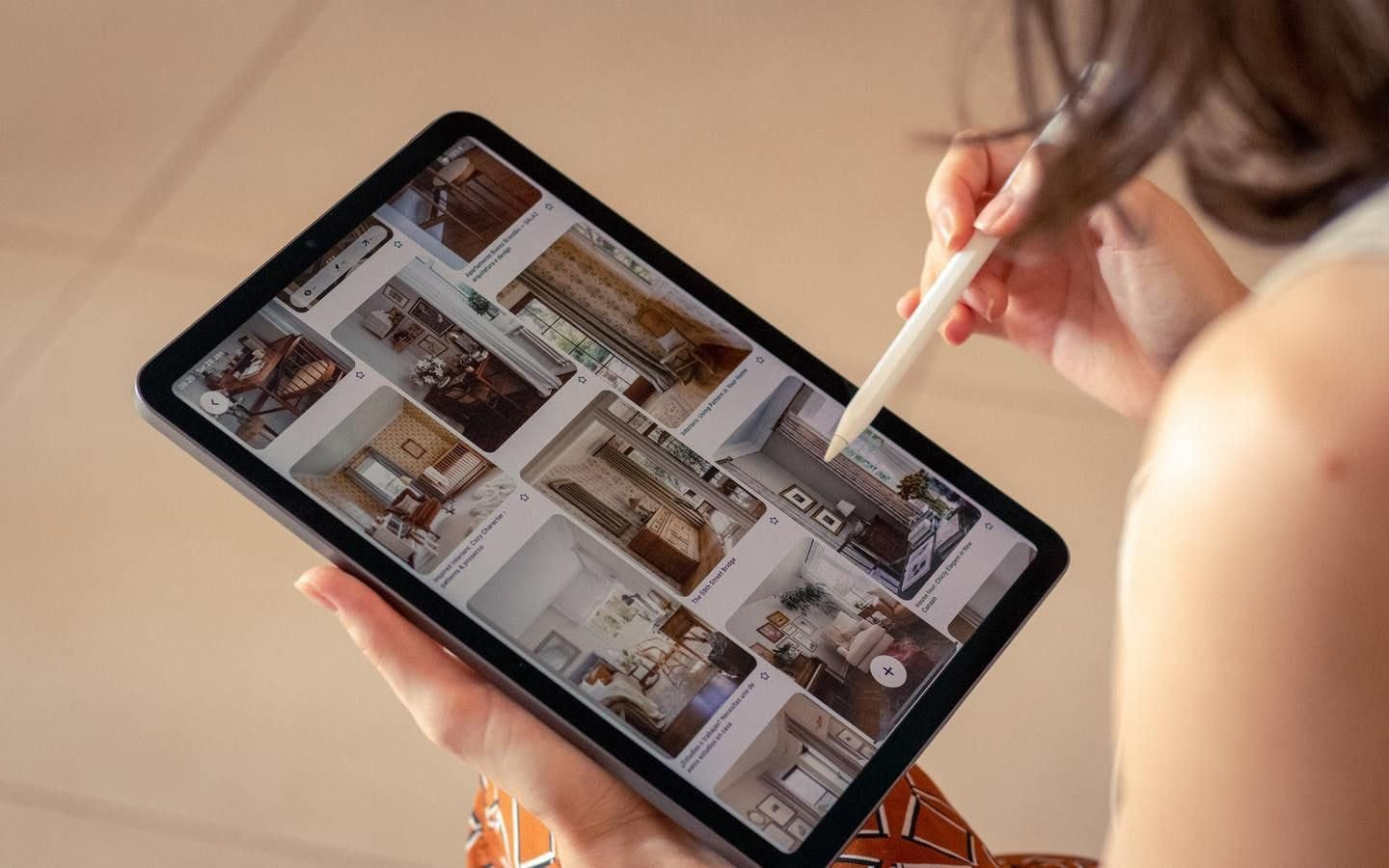
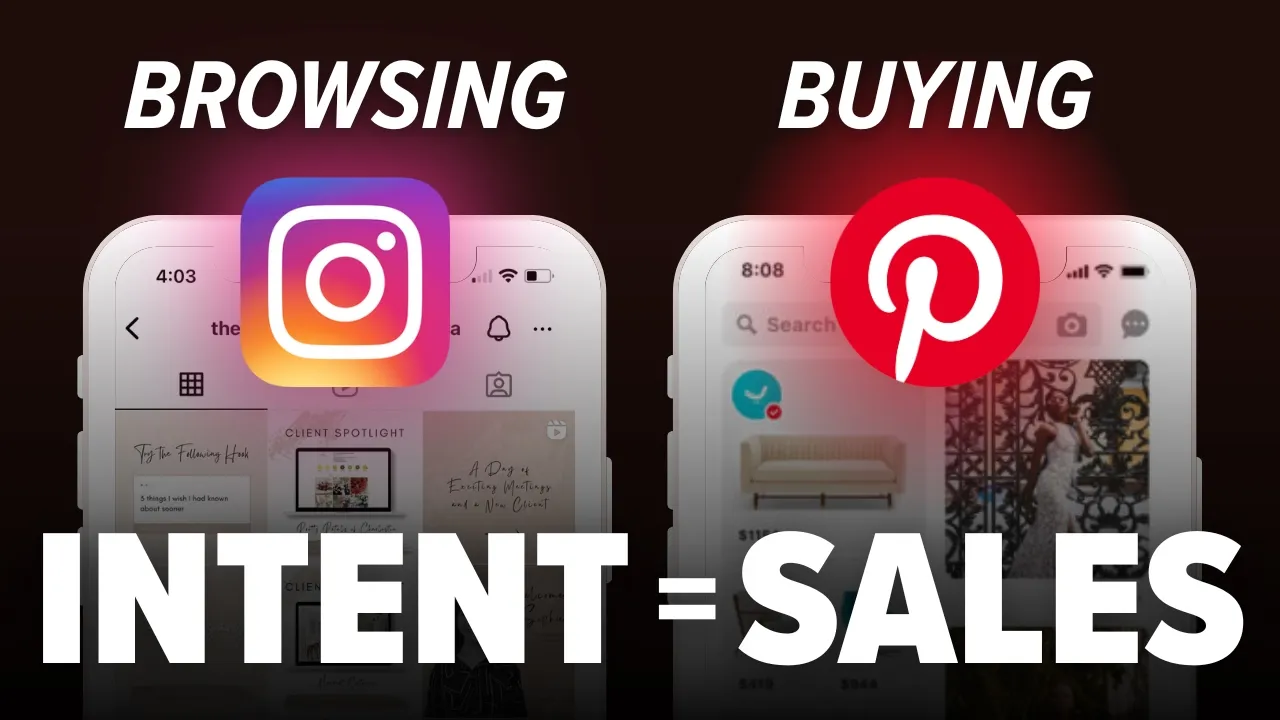
Pinterest is unique because it works more like a visual search engine than a social feed. People arrive with intent – researching a kitchen remodel, planning a wedding, building a capsule wardrobe – and they’re actively looking for products to help them achieve their goals.
That buying mindset offers plenty of opportunities to promote your offers and make money on Pinterest.
How does Pinterest make money?
Pinterest earns revenue primarily through advertising. Advertisers and merchants pay to promote Pins, run ads, and reach users based on search behavior and interests.
That ad-driven model also lets creators monetize the platform through affiliate marketing, shoppable products, and paid partnerships – which is why so many people want to learn how to get paid on Pinterest.
Read also: See the latest Pinterest statistics for the full picture.
How to monetize Pinterest: 9 ways to turn Pins into income
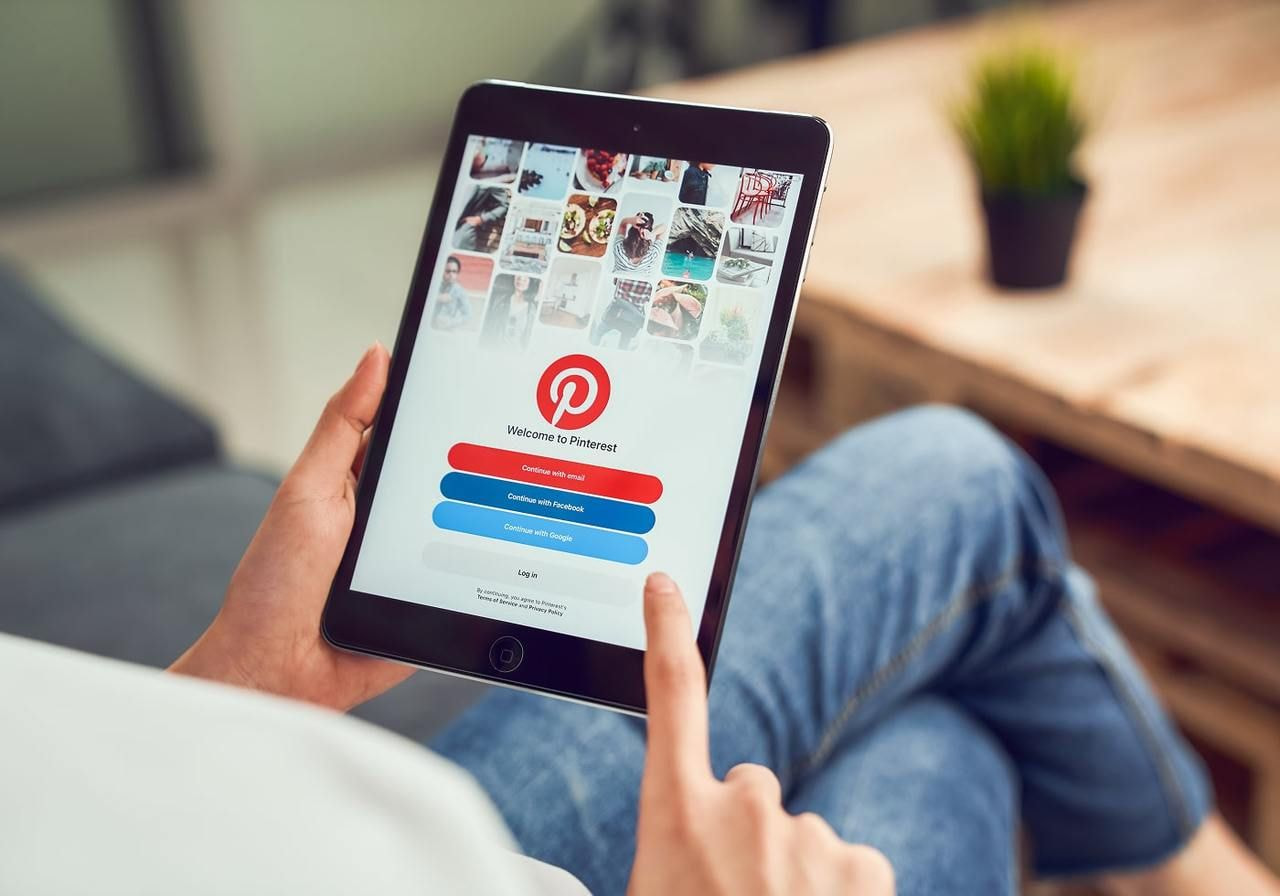
From selling your own products to landing brand partnerships, here’s how to make money from Pinterest.
1. Affiliate marketing
With affiliate marketing, you promote other brands’ products and earn a commission on each sale. Do it well, and you’ll turn your Pinterest profile into a steady passive income stream.
For a deep dive on this strategy, read our blog post on using Pinterest for affiliate marketing.
Here’s how to post on Pinterest and make money with affiliate marketing:
-
Sign up for a free Pinterest business account so you can track performance with Pinterest Analytics and access audience insights.
-
Join an affiliate network. Pinterest’s official partners include Rakuten, LTK, ShopStyle, and Amazon Associates.
-
Choose products that fit your niche and audience.
-
Build high-quality Pins with clear images and keyword-rich descriptions so they surface in search results.
-
Add your unique affiliate link as the destination URL, pointing directly to the product landing page (not a homepage or category page).
-
Tag products directly inside your Pin’s image – up to 20 tags per Pin.
-
Publish your Pin.
Important affiliate marketing tips:
-
Disclose affiliate relationships according to Pinterest’s Commercial and Branded Content Guidelines and Federal Trade Commission (FTC) rules.
-
Use the full affiliate URL or a shortener your network officially supports. Pinterest blocks certain shortener services, which means your Pin may stop driving outbound clicks without warning.
-
Check links regularly for breakage to prevent lost sales.
-
Keep visuals consistent with the product page to match users’ expectations.
2. Shoppable Pins
If you sell your own products, product Pins (Pinterest’s shoppable format) connect browsing directly to checkout. When someone discovers your item on their feed, they can buy it in a couple of clicks.
Before creating shoppable Pins, check Pinterest’s merchant guidelines.
How to make money from Pinterest’s shoppable Pins:
-
Open a free business account and claim your site.
-
Add rich Pin meta tags to your product pages so Pinterest can pull details straight from there. Or, upload your entire product list at once with catalogs.
-
Save product Pins to public boards organized by category, season, or use case so they’re easy to browse on your Pinterest account.
-
Write Pin descriptions using the terms your audience uses to find similar products. Check out Pinterest Trends to research keywords with rising search volume in your niche.
Tip: Strong product photography can make your shoppable Pins stand out in a crowded feed. See our guide on product photography trends for tips and tricks.
3. Print on Demand (POD)

Want to sell your own products without dealing with inventory or upfront costs? Print on Demand (POD) pairs naturally with Pinterest.
Simply add your design to made-to-order products, then promote them through shoppable Pins to convert Pinterest traffic into orders. When someone makes a purchase, your POD service handles production and shipping on your behalf.
How to earn money on Pinterest with POD:
-
Sign up for free with a POD company like Printful.
-
Create and integrate your online store to get automatic fulfillment. For selling on Pinterest, Shopify is the most popular pairing – it connects cleanly to Pinterest’s shoppable Pins feature.
-
Browse our Catalog of over 579 products, add your design using our Design Maker, and publish them straight to your store.
-
Open a free Pinterest business account, claim your site, and set up shoppable Pins so visitors land directly on your product pages.
Use Pinterest Trends to spot rising search volume around holidays, evergreen niches, and seasonal moments – then design products to match.
For example, if “Valentine’s Day gifts” searches start climbing in mid-December, that’s the perfect time for merchants to release a new product and have Pins indexed before shoppers start buying in late January and early February.
4. Sponsored content
If you’ve built an engaged following on Pinterest, brands will be happy to sponsor you to feature their products in your Pins.
How to get paid on Pinterest through sponsored pins:
-
Use Pinterest’s paid partnership tool to disclose every sponsored Pin and comply with FTC rules.
-
When pitching to brands, sell Pinterest as a search engine, not a social feed. Your Pins can keep surfacing in search results for months, which means brands get a much longer return on a sponsored Pin than on a single Instagram or TikTok post.
-
If your top-performing Pins are about trending summer items, pitch brands whose products fit that context – a swimsuit label, a sandal brand, a sunglasses line.
5. Ads
Pinterest Ads are for brands and creators ready to invest in growth. Instead of waiting for organic reach to build, you allocate a budget to Pins that already drive clicks.
How to make Pinterest Ads pay off:
-
Promote organic Pins that are already earning saves and outbound clicks – they have a proven audience.
-
Match the ad format to your goal. Pinterest offers several, from Image and Video for awareness to Showcase and Collections for direct shopping.
-
Stick to Pinterest’s recommended Pin dimensions so your ads display in full, not get cropped in the feed.
-
Try Pinterest Performance+ to let AI handle bidding, targeting, and creative optimization – useful for small teams running lean.
Read also: How to use Pinterest for Etsy: Tips to boost sales
6. Digital products

Digital downloads like printables and design templates are among the easiest ways to earn on Pinterest – no production or shipping costs involved. They also fit Pinterest’s audience perfectly, since people come to the platform looking for ideas they can save and use immediately.
Tips for selling digital products:
-
Save your digital product Pins to themed boards organized by use case – for example, “T-shirt design ideas” or “Meal prep guides.”
-
Show the product in context, not just the file, to help users picture how to use it.
-
Bundle related items – like a $25 “complete finance dashboard” with a budget tracker, debt payoff sheet, and monthly review template – to increase your average order value.
-
Offer a small freebie in exchange for an email subscription to build a list for future sales.
7. Services
For service-based small businesses, Pinterest works differently.
There’s no checkout button for a coaching package or design consultation – so your Pins need to lead somewhere that can do the selling for you. That’s usually a booking page or testimonial page that takes visitors from inspiration to inquiry.
Tips for selling services on Pinterest:
-
Before-and-after photos, finished client projects, and case study summaries earn more saves than “Book a discovery call” graphics.
-
Boards built around what clients search for surface in more results, which means more eyes on your work. A wedding photographer’s profile should have boards for engagement sessions and venue inspiration – not just “My work.”
-
Use Pinterest Analytics to see which Pins drive actual outbound clicks and double down on the formats that send real traffic to your site.
8. Pinterest Inclusion Fund
If you’re a creator or small brand in beauty, fashion, or lifestyle – especially if your work supports the platform’s inclusive content features – the Inclusion Fund is an excellent way to get paid on Pinterest.
This annual incubator rewards you with:
-
Cash grants to fund content production.
-
Ad credits to promote that content (merchants only).
-
Dedicated sessions with Pinterest experts on platform best practices, content trends, and analytics.
Thanks to this fund, participating merchants have seen a 250% boost in saves and a 147x increase in outbound clicks globally.
Applications open in cycles each year. Set up a free Pinterest business account now, build a focused niche profile, and keep an eye out for the next window.
9. Website and blog traffic
Pins can keep surfacing in search results for months or years after you publish them. That means one Pin can drive traffic to your site long after an Instagram post has disappeared from feeds.
While traffic on its own doesn’t make money, it can lead to:
-
Increased brand awareness.
-
Sales through product Pins or links to your storefront.
-
Ad revenue if you use blog ad networks like Mediavine.
-
Affiliate income from blog posts.
-
Email list growth.
Tips for traffic-driven monetization:
-
Write Pin titles that match the search intent of the destination page. A reader who clicks on “15 high-protein lunches under 400 calories” expects exactly that, and bounces fast if they get something else.
-
Send traffic to posts with strong monetization built in (affiliate links, email opt-ins, ads), not your homepage or about page.
How to earn money on Pinterest: Quick overview
|
Method |
Effort |
Earning potential |
Best for |
Key tip |
|
Affiliate marketing |
Low |
Moderate |
Creators promoting their favorite products |
Tag affiliate products inside your Pin’s image and link to the exact product page. |
|
Shoppable Pins |
Medium |
High |
eCommerce sellers |
Use Catalogs if you plan to run shopping ads later. |
|
Print on Demand |
Medium |
High |
Merchants who want to sell without inventory |
Use Pinterest Trends to design products around rising seasonal searches. |
|
Sponsored content |
High |
High |
Creators with an engaged niche audience |
Pitch Pinterest’s long shelf life to brands to convince them to sponsor you. |
|
Pinterest Ads |
High |
Varies |
Brands ready to invest in growth |
Promote organic Pins that are already earning saves and outbound clicks. |
|
Digital products |
Medium |
High |
Knowledge experts and creatives |
Bundle related digital downloads to boost average order value. |
|
Services |
Medium |
Moderate |
Coaches and consultants |
Create pins around before-and-afters and case studies. |
|
Pinterest Inclusion Fund |
High |
High if accepted |
US-based beauty, fashion, and lifestyle creators |
Build a focused niche profile and watch for the application window. |
|
Site and blog traffic |
Medium |
High over time |
Bloggers and content publishers |
Send traffic to content with built-in monetization, like posts with affiliate links. |
How to pick a profitable Pinterest niche

The fastest way to monetize Pinterest is to pick a niche that users are actively searching for – then position your content to meet that demand.
High-converting Pinterest niches:
-
DIY and crafts
-
Home decor
-
Food and recipes
-
Fitness and wellness
-
Beauty and style
-
Personal finance
To spot where demand is heading, use the Pinterest Trends tool to track real-time search behavior, and check Pinterest Predicts to plan content around what’s gaining cultural momentum for the year ahead.
What kind of content works on Pinterest?
The Pins that earn the most saves and clicks often fall into a few patterns:
-
How-to content
-
Listicles and roundups
-
Before-and-afters
-
Seasonal content
-
Templates and checklists
Regardless of format, focus on quality images, clear text, and relevant keywords in Pin titles and descriptions.
How to make your Pinterest profile recognizable
Use the same fonts, colors, and visual style across every Pin so your content is instantly identifiable in a crowded feed. Pair that with a clear bio that tells visitors exactly what you do. Consistency in look and language builds trust and keeps your Pinterest account memorable.
Best tools to monetize Pinterest

After learning how to make money on Pinterest, here are the essential tools and resources for success:
-
Pinterest Analytics. Track which Pins drive saves, outbound clicks, and traffic to your website or landing pages.
-
Canva and Adobe Express. Design Pins with branded templates sized for Pinterest.
-
Tailwind. Create and schedule Pins in advance to keep posting consistently.
-
Pinterest Trends. Track what’s rising in search to plan seasonal content.
-
Rakuten, LTK, ShopStyle, and Amazon Associates. Join these affiliate networks to earn commissions on every purchase generated through your Pinterest links.
-
Printful. Create and sell products on your website or marketplace, then promote them through Pins that link straight to your store.
Start making money on Pinterest
And that’s how to make money on Pinterest, whether you sell your own products, promote affiliate links, or drive blog traffic.
The same rules apply across every method – post with the intent to help your users and build Pins that surface in search. Tools like Pinterest Trends and Analytics tell you what’s working, and the rest is about consistency.
If you want to start selling without inventory, sign up with Printful and turn your designs into products your Pinterest audience is already searching for.


FAQ
No, Pinterest doesn’t pay you for uploading images. You make money when those images link to something monetized, like your own store, an affiliate product, a digital download, or a blog post with ad revenue. Without that, you’re building a portfolio, not income.
No, Pinterest doesn’t pay you per view. However, views still matter for expanding your reach and feeding engagement signals that increase your visibility. This can turn into income through sponsored content, affiliate links, and product sales.
You make money on Pinterest by connecting Pins to monetization paths like affiliate marketing, shoppable product Pins, Print on Demand, digital products, sponsored content, or Pinterest Ads.
Each Pin needs a clear destination – a store, a blog post, or an affiliate link – that turns a click into income.

Maisha is a content writer with 6+ years of experience in turning complex topics into clear, search-optimized content. She believes readability always wins, no matter how SEO trends shift. Outside of writing, she’s usually trying new recipes (but never following them), watching niche YouTube videos, or planning food-fueled adventures.

