


Table of contents
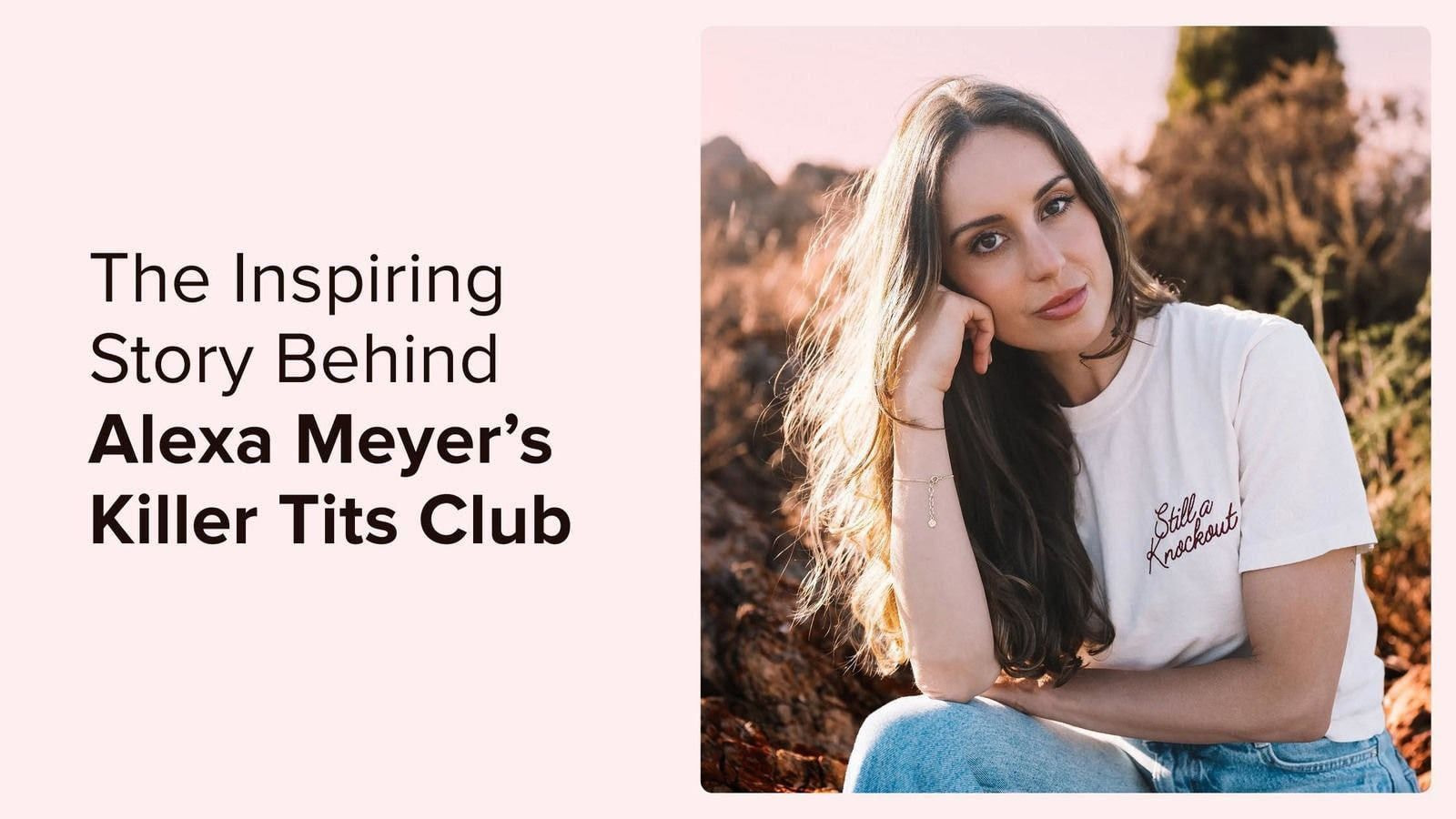
A breast cancer diagnosis is the last thing anyone expects to build a business around. But for Alexa, it was the starting point for something much bigger.
Alexa Meyer was 33 and diagnosed with breast cancer when the name of her apparel brand came to her. She wasn’t planning to sell anything. Today, women she’s never met wear her shirts through the hardest moments of their own diagnoses.
She’s built the brand on her own while still in treatment, and she spends very little on ads. So how did a shirt meant for one person find such a loyal following? Let’s find out.
From a personal idea to a brand with a purpose
Alexa had spent a decade working in brand and digital marketing, but apparel was new territory for her. The idea for Killer Tits Club came to her on the first day of chemotherapy. Her cancer was caught very early, surgery had cured it, and the chemo was a preventive step to treat it aggressively.
She wanted a distraction, something creative to focus on while undergoing treatment and caring for her one-year-old.
“I didn’t want to fall into a victim mentality. I like to stay busy. I’d just found out something that saved my life, so it felt like a second life and a chance to give back.”
She designed a logo and opened an Instagram account, hoping to pick up a few followers. Instead, people started asking where they could buy the shirt. There wasn’t one to buy yet.
Finding a gap in breast cancer merch
A diagnosis like Alexa’s affects far more than your health. Younger patients, in particular, go through changes most people around them never see.
“It strips away so much of your confidence, your identity, and your femininity. A lot of us are losing our fertility, losing our breasts, or going into menopause.”
She wanted something fun to wear to chemo, something that would help her feel like herself again. What she found fell far short.
“Everything was very literal. Hot pink, black, ‘warrior,’ ‘survivor.’ It was kind of cheesy, in my opinion, and I wasn’t about to wear that.”
So she set her own standard. The clothes had to be fashion-first and fit into a woman’s existing wardrobe. The meaning would sit within the design rather than being spelled out across the chest.
“If somebody looks at you on the street, they shouldn’t think, ‘Okay, that’s a cancer t-shirt.’ They should think, ‘That’s a cool shirt. Oh wait, what does that mean?’ I don’t want a label stamped on me.”
Discovering Print on Demand with no inventory or upfront cost
Once people started asking for the shirt, Alexa needed a way to make it, and fast. Her situation ruled out the traditional route of buying stock and fulfilling orders herself.
She’d never heard of Print on Demand. So she searched Google for ways to make clothing quickly and create merch. Then, she started watching tutorials to understand how the model worked.
“No inventory. I don’t need to front money. I don’t need to hold stock. All of these things were clicking, and I realized this might be the only way I could actually make this happen.”
Her decade in marketing helped her move quickly once she understood the model. But she credits the setup itself for making the business possible.
Launching with one sample hoodie and 10 sales in a day
Alexa's first product was a light pink cropped hoodie featuring the Killer Tits Club logo. She ordered a single sample, photographed herself wearing it, and shared the photos on social media.
Until then, Alexa hadn't known how much demand there would be. But the response to her sample gave her a reason to open the store.
About three days after launching, she made 10 sales in a single day.
“I didn't know what to expect. I had about 50 followers at that point, so that felt like a good sign. These people didn't know me. They weren't friends and family, so it felt big.”
The Founders hoodie wasn’t available in the product catalog of the platform she used earlier, so she labeled it a Founder’s Edition first print and closed it out.
She paused for a few weeks to plan, browsed Printful’s Catalog, settled on a color palette, and chose items for a small first collection.
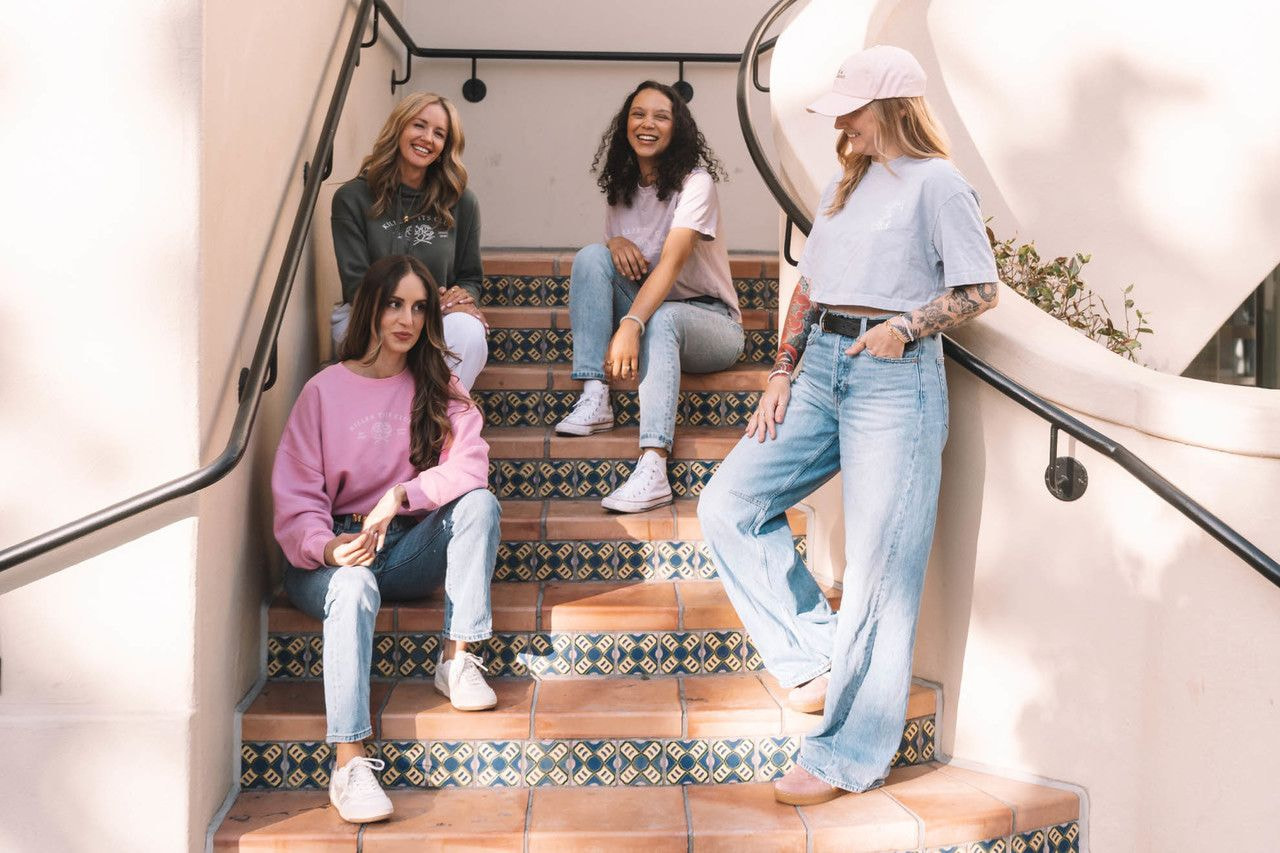
She soon reopened orders with a bigger product line. With Printful, she could customize the packing slips and the messaging inside each order, add her logo, and make every package look like it came from Killer Tits Club.
“That's kind of my love story with Printful, where it enabled me to build something that's had so much impact for other women. The barrier to entry was so low for me.”
Learning to run a store alone during treatment
Alexa had never built a website or set up products in an online store.
“It was a lot of me just watching tutorials with two screens open. Everything’s been done by me. I haven’t hired out anything. It’s crazy to think about with a one-year-old and being in chemo at the same time.”
She jokes that her husband would have a few things to say about how busy she’s kept herself.
Treatment didn’t stop when the store opened. Chemo moved into a year of immunotherapy, which means she still goes in for regular infusions while running the business.
That puts her in an unusual spot. Most brand founders study their customers from the outside, but Alexa lives the same routine her buyers do.
“I’m the patient at the same time that I’m the founder. I’m wearing these clothes every day, and I’m making clothes I want to wear, because I am the customer.”
Finding a community through humor and honest conversations
After her diagnosis, Alexa went looking for women going through the same thing. Most of what she found were dark Facebook groups and negative spaces. She understood why, since many patients are scared, but those groups didn’t help her.
So she built the space she couldn’t find. On Instagram, where she posts most, she pairs honest treatment stories with humor and pop culture references.
“It’s about making people laugh and giving them permission to feel good again. I built that community, and then the clothes came along. People want to be a part of the community, and they buy the clothes. I think that’s why I’ve seen this success.”
Her audience is specific. Many of her followers are under 50, which is young in the cancer world, and they don’t want to feel like victims. She recently passed 5,000 followers, and she says engagement is high for an audience that size.
Her years in brand marketing shaped how she thinks about it all.
“A lot of times, the emotion is what sells. When you’re creating a brand, think about how you want people to feel and what your product represents. I was never product-first.”
Why listening to customers shapes product design
Alexa doesn’t call herself a designer, and most of her ideas start from creative intuition. Even her logo has a story. The roses represent breasts and femininity, and the thorny stems stand for the hardships patients endure. She sums it up as a soft heart, savage spirit.
She tried branching out with sub-lines, including rose-only designs and a Comeback Girls line. But sales showed her that customers mostly wanted the brand’s name on their shirts.
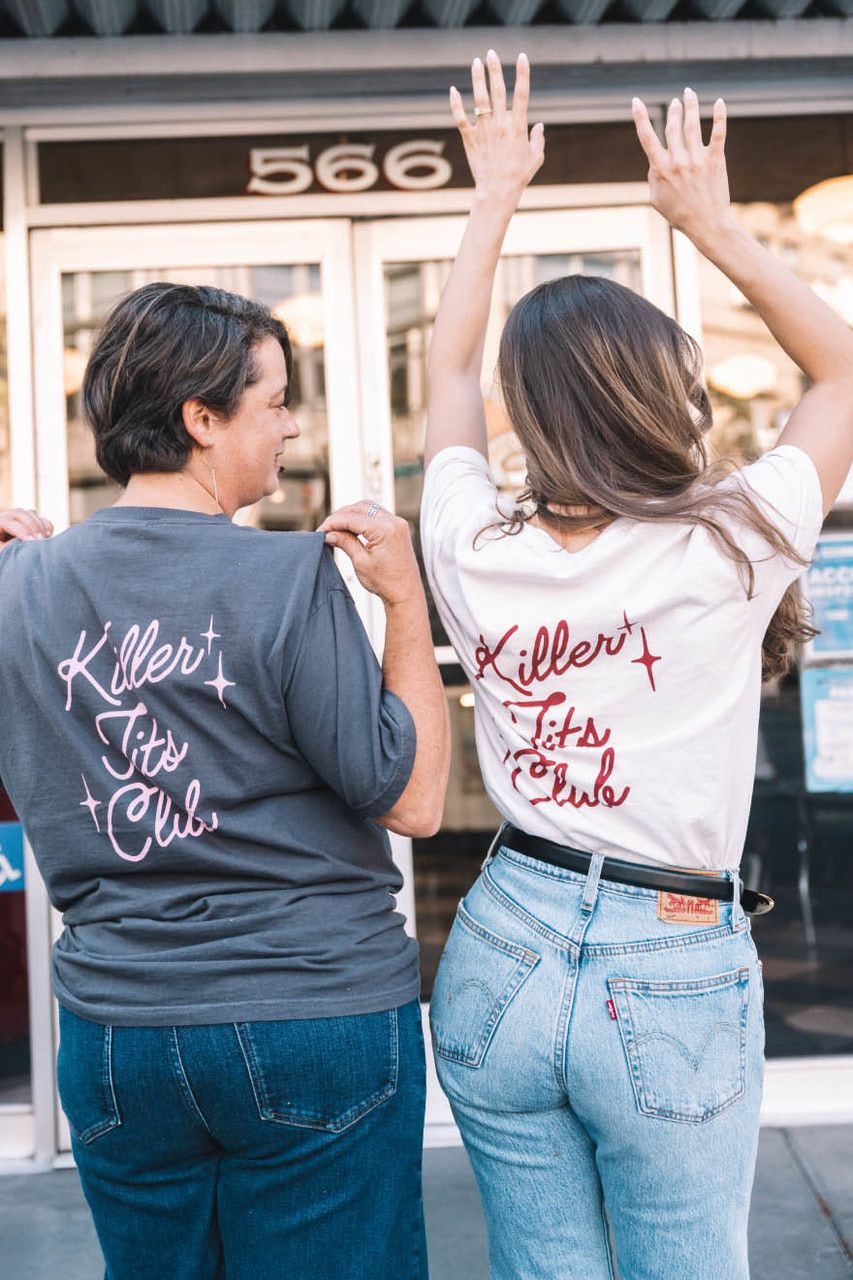
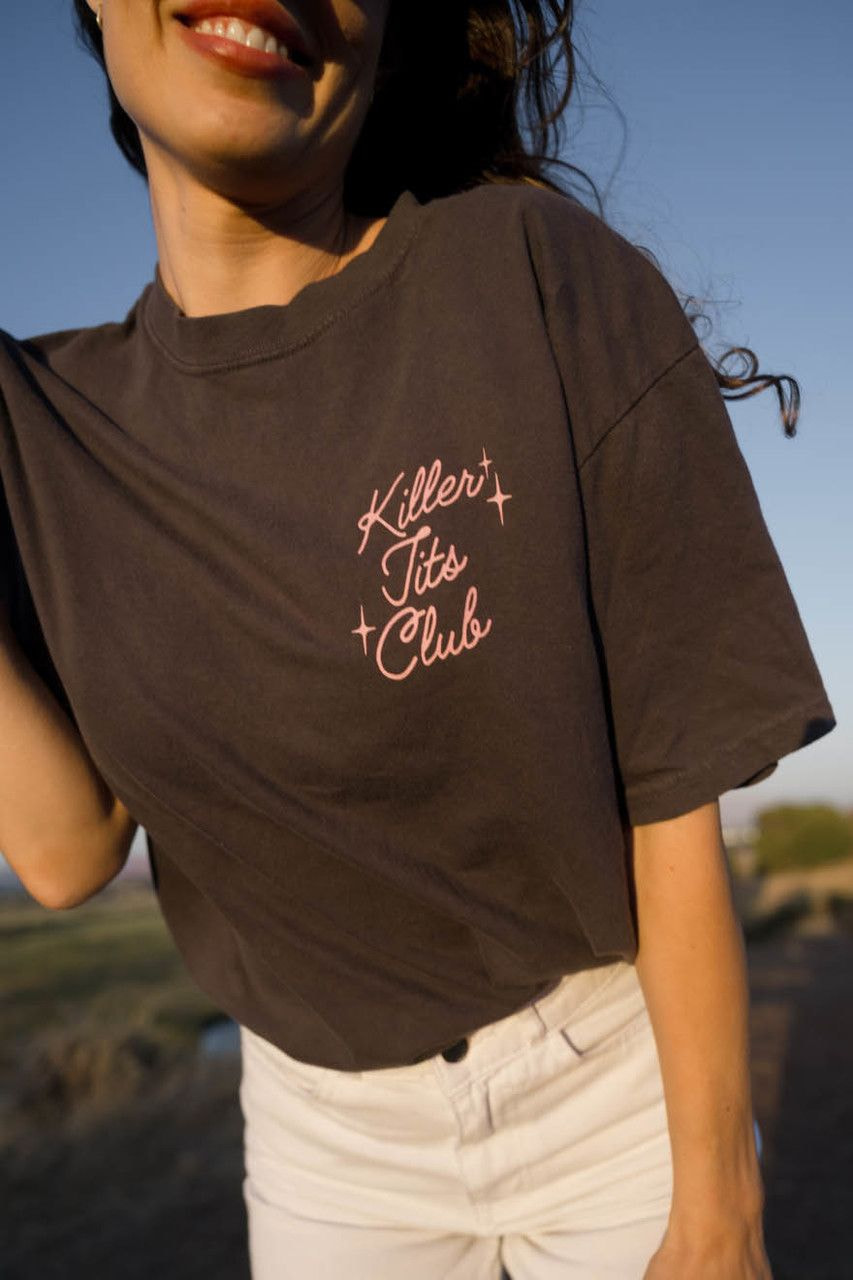
“People are buying the shirts that say Killer Tits Club because they want to associate with it. So I took that and made different versions of the logo. I have a script font instead of the roses, and that’s actually become my top seller.”
She’s also experimented with placement, from a small breast-pocket print to a big logo across the back.
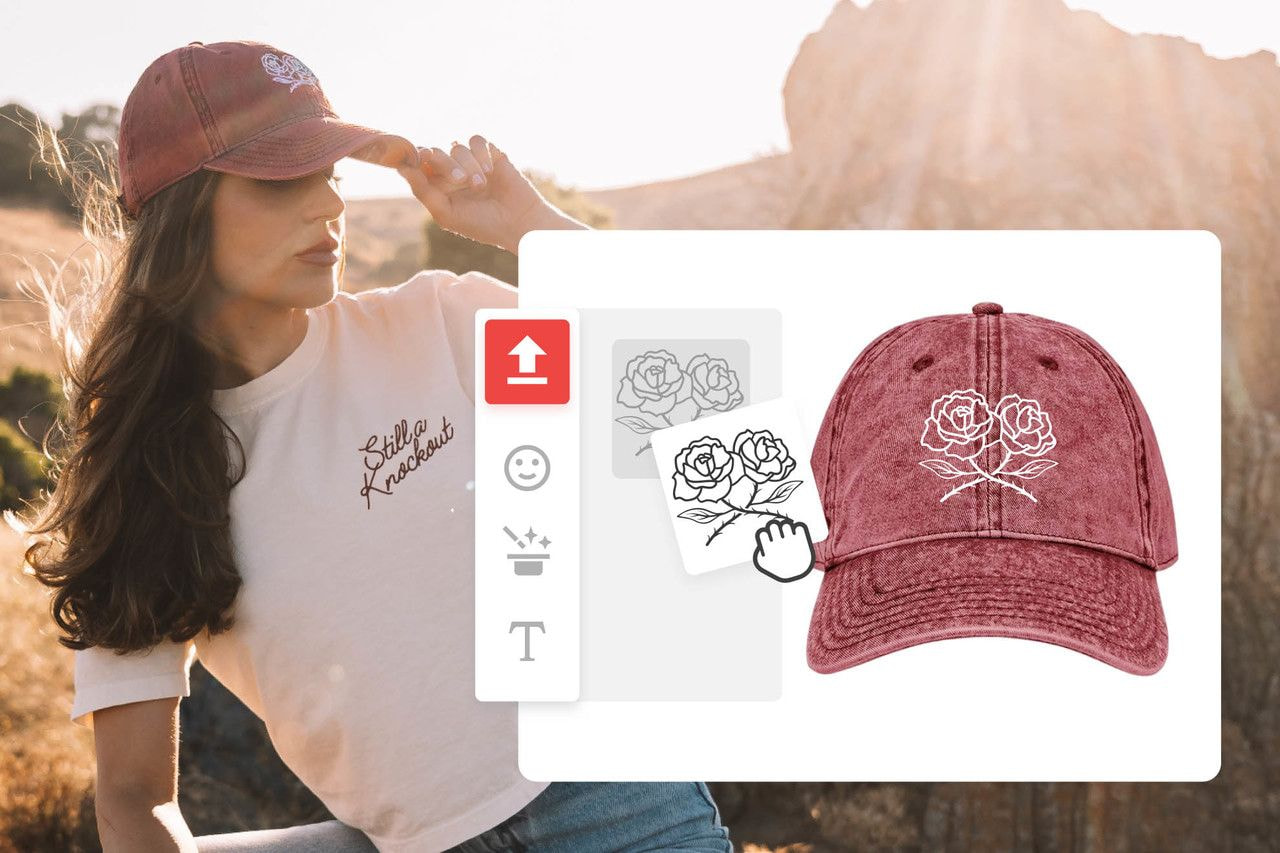
New ideas go through a low-risk test before she spends money on design work. She uses AI only for brainstorming, never for final products. Then she drops the concept into Printful’s Mockup Generator and sometimes orders a sample.
“It’s such a low cost. I can visualize it before I hire a freelancer to create it, and that’s been really helpful for me.”
Growing sales with under 2% of revenue on ads
Alexa has grown the brand almost entirely organically. Product launches bring her the biggest sales spikes. She orders samples from Printful, wears them, photographs friends in them, and builds anticipation before each release. Then she keeps a steady pipeline of new products coming, so there’s always something to talk about.
“My ad spend as a percent of my revenue is under 2%, so I have spent very, very little on paid ads. They do help, though. Instagram traffic ads and driving to my website page have been good, along with a lot of influencer marketing and collaboration.”
Consistency matters too. When she posts three to four times a week on Instagram, she sees sales go up. Alexa sometimes sends PR packages, but many of these creators find the brand and buy it themselves.
What customer stories reveal about the brand’s impact
Her first real viral moment came about two and a half months in. Jesse from The Breast Chapter filmed herself after surgery, sitting with her husband as she opened her pathology results for the first time. She read that there was no evidence of disease, and they fell back onto the bed together. She was wearing Alexa’s shirt, and Alexa had no idea it was coming.
“All of a sudden, I’m getting 20, 30 orders in an hour, and I don’t know what’s going on. She had over 120,000 likes on Instagram. Then I checked TikTok, and she had over 1.2 million.”
Customers wear Killer Tits Club to their weekly chemo sessions and their double mastectomy appointments. In a single recent week, two women filmed themselves shaving their heads before chemo while wearing the shirt.
“That’s one of the hardest things you’ll ever have to do. Before, it might have been a quiet, maybe shameful moment, and now they’re turning it into a sense of pride. They see the shirt as armor, something they put on to be brave.”
None of this was part of the plan.
“I thought maybe I’d sell a few fun shirts, and this would be a month of my life. I could never have imagined that’s what I was building.”
Learning the business side and building a career from home
Alexa didn’t set out to start a business, so she skipped the usual setup steps. She didn’t get her certificates in order or find a tax professional before her first sale. That part came later.
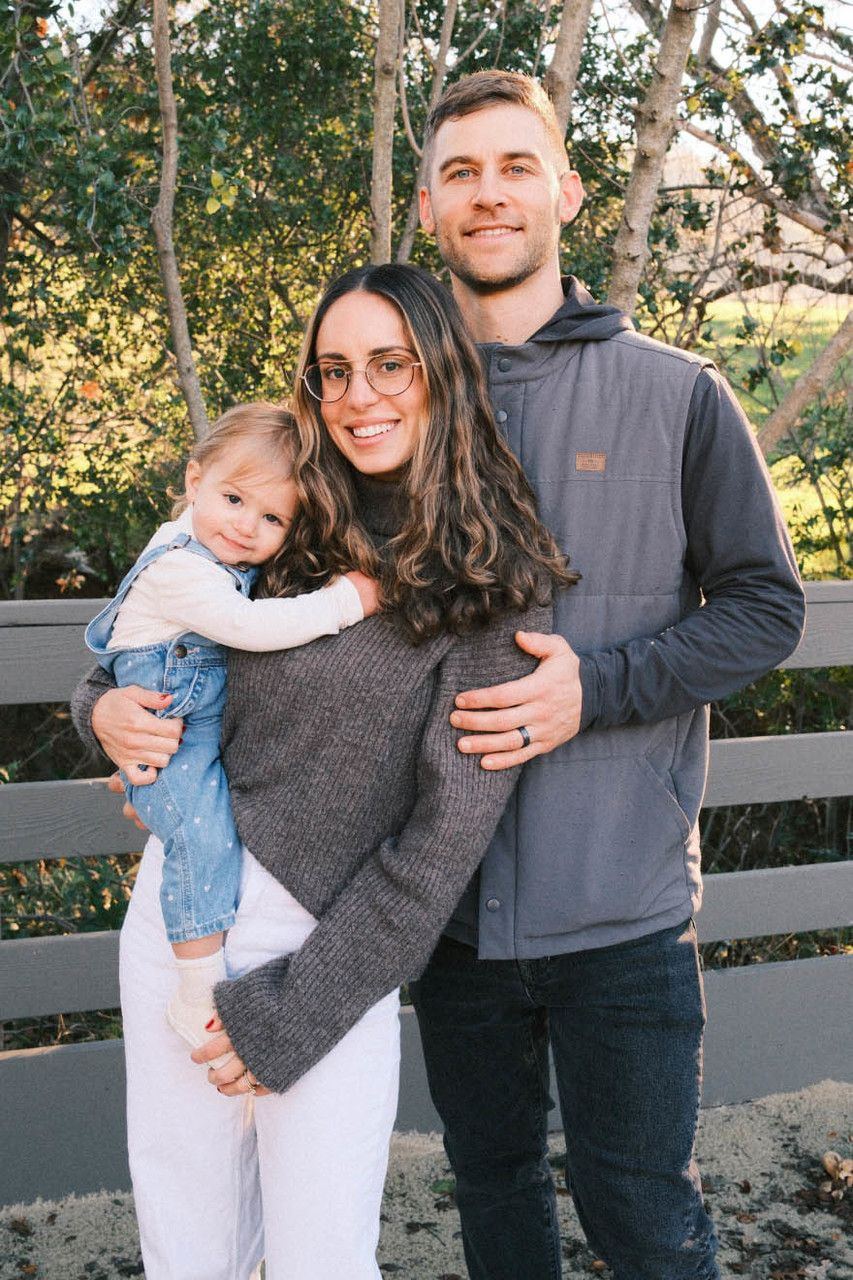
What she’s gained goes well beyond the numbers. Before the brand, she’d spent a year as a stay-at-home mom. Now she has a career again without having to return to an office five days a week, and she gets to stay home with her baby. Within her first five or six months, she was contributing financially to her family.
“Your mindset is everything. Being able to shift it into something where you have control over how you represent your diagnosis to the world has really lifted me up. And it’s so fulfilling to say I own a business. I’m an entrepreneur, and I’m making money.”
As profits grow, she wants to give back in ways her community actually needs. That could include cancer research, but she’s also looking at funds for restorative nipple tattooing after mastectomy, or for fertility treatment, which many women struggle with after chemo.
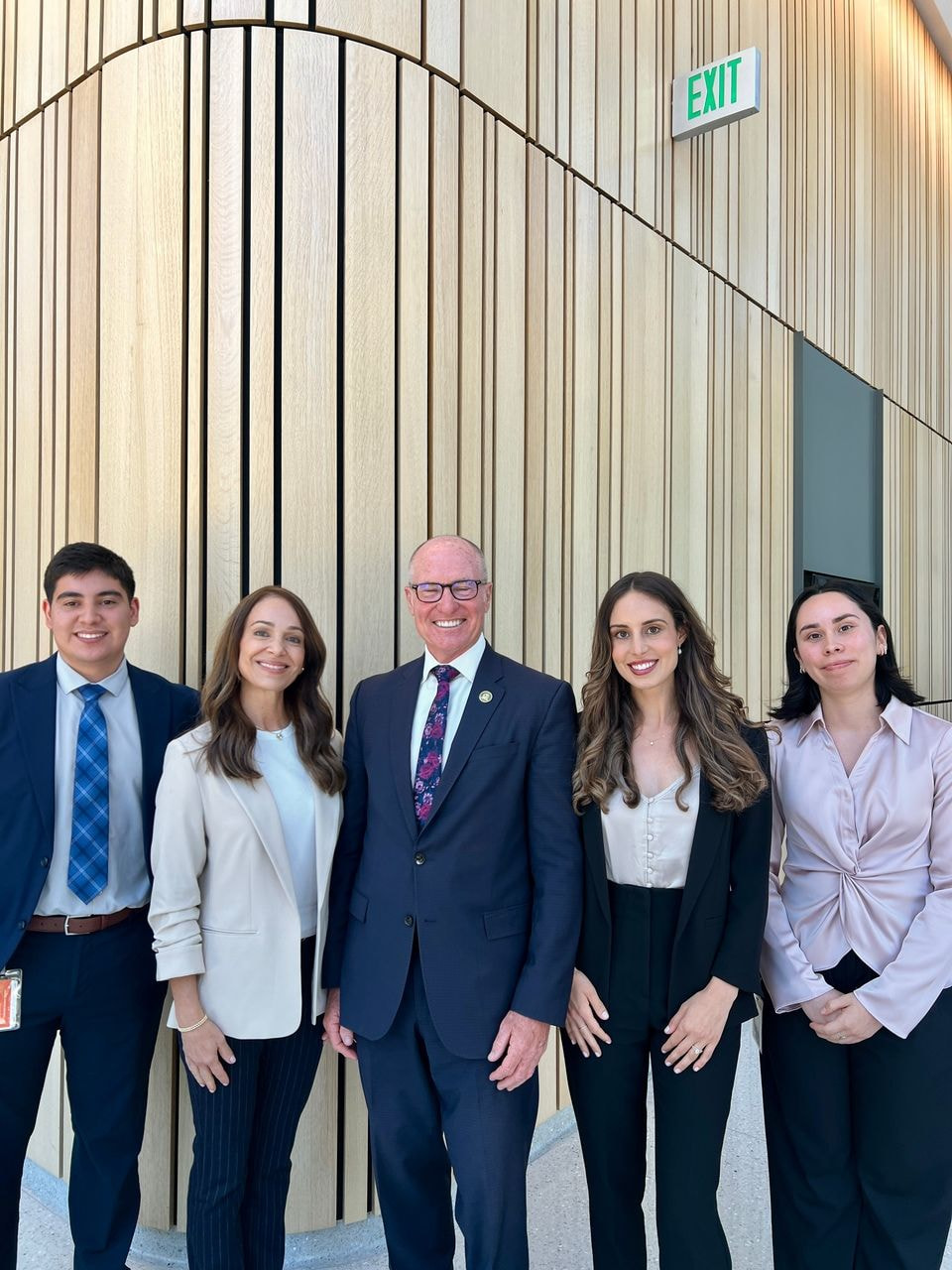
Testifying for AB1682, Scalp Cooling Access, in California
What Alexa wants every new seller to know
Alexa describes herself as a perfectionist, and she admits that it held her back a few times in the beginning. Her main advice is to start before you have all the answers, then let your customers show you what to fix.
“Don’t wait until everything is perfect. Start small, test things, and pay attention to what people respond to.”
Once something clearly lands, she says, focus on it and refine it instead of spreading yourself across too many ideas.
She also thinks new sellers underestimate how far a narrow niche can take them. Speaking to a very specific group gave her brand a clear identity from the start, even within a category as broad as breast cancer.
Her last piece of advice is about standing out. A safe brand is easy to forget.
“Make something different and bold. That name stops you in your tracks, and people will either love it or hate it.”
What’s next for Killer Tits Club
Alexa is preparing her first big campaign, timed for Breast Cancer Awareness Month in October. It centers on the Comeback Girls, the name she uses for the women in her community.
She’s chosen seven survivors for editorial-style profiles. The group includes an ultramarathon runner, an ice climber, an anesthesiologist, and a lawyer who runs her own business.
“The point is, cancer is the least interesting thing about us. I’m showcasing who they are aside from cancer, and hopefully inspiring people to see how much your life can still continue in spite of the diagnosis.”
The women will also model a few new products, which means fresh photography for her website. Until now, Alexa has mostly modeled her designs herself, so seeing other women in them is a big step.
She’s also making more room for people outside the cancer community. Supporters already buy designs like Comeback Girls, Soft Heart, and Savage Spirit, and her upcoming Onward hat is meant for anyone to wear.
“I always say it’s for previvors, survivors, fighters, and supporters. We always welcome supporters.”
Alexa launched with a single sample and no inventory. If you have an idea people are asking for, test it with Printful. Create your first product and order a sample to see it in person before you sell.


By Anita Njoki
Anita is a dynamic content operations manager with a proven record of transforming innovative ideas into impactful digital strategies. She leverages data-driven insights, expertise in case studies and brand building, and UX digital marketing to fuel growth. A former advertising copywriter, she infuses neuromarketing insights into every project with passion, creativity, and collaboration.

