



Table of contents
Is copyrighting AI-generated designs for merch allowed? Short answer: sometimes. Purely AI-generated images usually do not get copyright protection because the law focuses on human authorship, not machines.
That said, you can often sell AI art for commercial use if the platform’s terms permit it and you add real creative input on top. In this guide, we unpack the rules, gray areas, and safer paths for merch sellers.
Disclaimer
This content is for informational purposes only and does not constitute professional advice. The content is based on our understanding as of the date of publishing. Readers are encouraged to seek advice from qualified professionals for specific situations. Actions taken based on this information are at your own risk. Printify is not liable for any losses or damages.
What is AI-generated art?
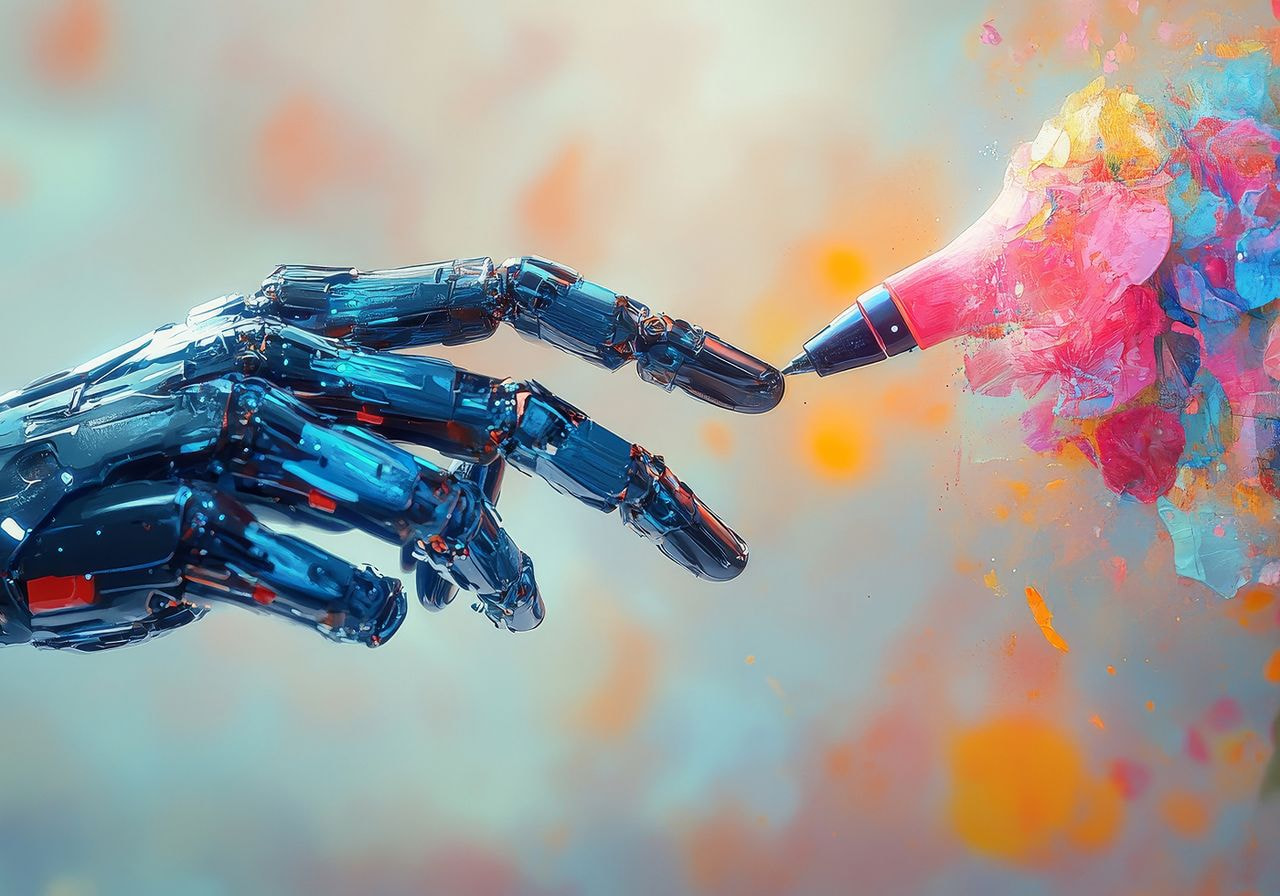
AI-generated art is artwork created by an AI system, such as Midjourney, Nano Banana, or Dall-e, that transforms your ideas or text prompts into finished visuals.
You describe what you want, and the AI model returns generated images instead of you sketching by hand. That gap between machine output and human choices is exactly why copyright law treats this kind of art differently from traditional work.
Can you copyright AI-generated designs?
In short, pure AI-only designs can’t be copyrighted under current U.S. law. The U.S. Copyright Office states that copyright law only protects creative works made by human beings.
-
If a piece of art comes straight from a generative AI system or other computer program with no meaningful edits, it won’t get copyright protection as a standalone work.
Things change when you step in as the creator. If you use AI art as raw material and then design, redraw, and direct it in a recognizable way, you may get protection for the parts you contributed.
Cases when AI designs for merch can be copyrighted
Even if an AI system helps you, some designs created for merch can still qualify for copyright protection. The more your brain, taste, and hands shape the final art, the stronger your claim as the creator.
Below are situations where AI-made visuals for commercial use on hoodies, posters, or t-shirts might fall on the “copyrightable” side.
Human creative input that qualifies
Think of AI output as a rough sketch. You turn it into merch-ready art by layering your own decisions on top. For example, your contribution might qualify when you:
-
Hand-draw over the base image. You import the AI art into a drawing app, then trace, redraw anatomy, change poses, rework lighting, and add hand-drawn textures. The final art looks obviously different from the starting image.
-
Add authentic, custom elements. You drop the AI background and build a new scene: your mascot, custom lettering, inside jokes for your niche, or brand-specific icons. These original elements can be the core of the design, not just stickers on top.
-
Heavily modify structure and composition. You rearrange characters, change angles, crop aggressively, and rebuild the color palette. The AI piece becomes one ingredient in a complex layout that reflects your creativity, not the machine’s default choices.
-
Manually composite multiple sources. You combine several AI images, photographs, and your own illustration into one cohesive poster. The way you stitch them together can itself be a protectable creative work, even if no single starting file would qualify alone.
In short, the more your creativity drives the final result, the stronger your position if you ever need to prove ownership or respond to an infringement claim.
Using AI as a tool vs AI as the creator
Here’s a simple mental check: Are you the director, or is the AI the “artist”?
-
AI as a tool. You use AI to brainstorm poses, generate rough backgrounds, or spit out reference thumbnails. Then you redraw, redesign, and manually polish the final art for your shop. The design reflects your taste, choices, and effort.
-
AI as the creator. You type a couple of text prompts into an image generator, download the first result, slap it on a mug, and call it a day. Here, the law sees almost no human involvement.
From a legal perspective, the bigger risk comes when AI outputs sit very close to another artist’s style, or when they echo famous characters or logos. That can trigger copyright infringement and disputes even if you never meant harm. It is your responsibility to ensure that the content you create by using AI tools does not infringe on third party rights.
To avoid blockages, keep your role as the human creator obvious, do not use lookalike brands or characters, and treat AI as a flexible tool in your creative process rather than a push-button replacement for human creativity.
Cases when AI designs can’t be copyrighted

Not every design that pops out of a fancy generator can sit in a copyright claim. Some art simply falls outside the current rules, even if it looks perfect on a hoodie. Below are common situations where AI images are not treated as protectable assets, and you’re mostly getting short-term visuals, not long-term rights.
Pure AI-generated images (zero human edits)
Imagine typing a prompt, clicking generate, and printing the result straight on a mug. In that scenario, a generative system – not you – shaped the final image. Under current interpretations of copyright law, that kind of art usually does not qualify for copyright protection because there’s no meaningful human creator behind the final look.
-
You might still get commercial use rights via the platform’s license, but not true ownership.
Designs that mimic copyrighted styles or characters
Trouble starts when designs lean too hard on famous characters or a recognizable style. If your piece closely mirrors copyrighted materials, like a near-clone of a superhero or an artist’s work, it can raise copyright infringement concerns even if a generator made the first draft.
-
A court might see the result as trading on original artists and infringing their intellectual property rights rather than your own ideas, and that can invite disputes or even legal action if a brand decides the use isn’t fair and an infringement has occurred.
Prompts that replicate protected imagery
Prompts like “recreate this exact movie poster I describe” or “draw a one-to-one version of [famous character]” push the system toward protected imagery, not just a loose vibe. Even if the file looks like a fresh image, you’ve asked the system to trace someone else’s homework.
-
For commercial purposes, always base prompts on original concepts or material in the public domain instead of trying to reverse-engineer specific visuals. It is your responsibility to ensure that the AI generated outputs do not infringe on third party rights and comply with applicable laws and regulations.
Potential infringement from training datasets
Another gray zone lives behind the scenes: the datasets used for training AI. Some systems have faced criticism and lawsuits over using copyrighted materials without a clear license during AI training. That debate is still evolving, and a single creator can’t fix how a company sources data.
- If you plan to build a brand around heavy AI content, pick providers that explain their data policies and talk with a legal expert before you scale.
How to sell merchandise created with AI art

Even if you can’t lock down full rights on purely machine-made visuals, you can still make money with AI-generated art by turning it into merch. Partner with a print-on-demand company like Printful or Printify, browse hundreds of blank products from mugs and tote bags to deskmats and tees, then upload your image files and place the designs.
Use a generative AI tool to create artwork that fits your niche, tweak it if needed, and publish products to sales channels like Etsy, Amazon, or Shopify. The fulfillment company prints and ships each order, so one person can run a global store while focusing on marketing and crafting fresh designs.
Even while AI copyright rules stay strict, you still function as the artist and brand behind every drop.

Ethical considerations when selling AI art merchandise
Respect intellectual property
Do not use prompts that chase famous characters or trace an artist’s work. If your design leans too close to someone else’s work and risks infringing on the intellectual property rights of others, you risk more than bad vibes – you invite arguments about fair use, potential copyright disputes, and other legal action, therefore, it is your responsibility to ensure that your use of AI tools for content generation is compliant.
Be transparent about AI involvement
Some buyers love experimental tech, others care about human craft. A simple note like “designed with the help of an AI tool and finished by hand” can set expectations and calm worries around AI art, ownership, and other issues.
Consider the ethics of how the AI was trained
Not every AI model is built the same way. Follow news around training AI systems, especially cases involving Stability AI or stable diffusion tools, and pick providers that talk openly about data sources and licenses.
Prioritize authenticity
Use AI as a tool to improve your own style, not to hide it. Remix references, incorporate hand-drawn elements, and keep your brand voice visible in every image you create. Customers remember the person behind the screen, not just another generic, robot-like design.
Conclusion
Copyrighting AI-generated designs for merch comes down to one big idea: the more your hands and brain guide the final art, the stronger your position under modern AI copyright rules. Use AI art as a springboard, add real creative decisions, respect other creators, and document your process.
Ready to test it in practice? Start selling AI-powered designs with Printful and turn your next concept into merch.
AI-generated art: Frequently asked questions
The current U.S. Copyright Office’s position is that copyright protection only covers material created by a human being. Purely AI-generated images or text (fully machine-made content) are not protected, but human-authored parts of a mixed work can qualify. It’s still evolving, so check official guidance and speak with a legal expert for your specific case.
You may get copyright for AI-generated designs if your edits involve recognizable human creativity, not just minor tweaks. U.S. copyright law focuses on the human creator, so the part of the work produced from your own creative process can sometimes be registered, while the raw AI art is not. Document your steps and consult a legal expert before filing.
Copyright protects the expressive art itself (your design layout, characters, graphic style). Trademarks protect brand identifiers like logos or taglines under intellectual property law. Patents protect functional inventions, not visuals. All three forms of intellectual property still center on human ownership, even when artificial intelligence helps. For a real product line, talk with an IP lawyer in your country.
Selling AI art is generally legal if you respect platform terms, license rules, and avoid copyright infringement. You need rights to use the AI images for commercial use, and the design shouldn’t copy protected characters or rely on a shaky fair use argument. Each company and creator treat this differently, so review the terms and get advice from a legal expert before you invest serious money.

By Baiba Blain
With 7+ years of experience in translation and creative writing, Baiba now leads a squad of talented writers, balancing research-backed storytelling with team guidance, quality assurance, and SEO processes. Outside of work, she enjoys exploring old castles, spontaneous road trips, and talking back to her cats. 10/10 arguments won so far.

