



Table of contents
Conscious consumers actively seek out everyday eco-friendly products when shopping online. From reusable essentials to responsibly made apparel, the demand for sustainable products continues to rise across industries.
In this guide, we explore eco-friendly products to sell, why the market is growing, and how you can build a profitable, sustainable eCommerce business with Printful. If you’re planning your next store update or starting from scratch, this article will help you turn eco-conscious ideas into sellable products with a positive impact.
Key takeaways
-
Eco-friendly products are in high demand as conscious consumers increasingly choose sustainable alternatives that reduce waste, lower carbon footprint, and replace single-use plastic in everyday products.
-
Sustainable product ideas span multiple categories, from organic apparel for selling and recycled materials products to zero-waste products to sell, like bamboo toothbrushes, beeswax wraps, and reusable makeup remover pads.
-
Truly eco-friendly products focus on the full lifecycle, using sustainable materials, recycled paper or recycled plastic, ethical production, and sustainable packaging to minimize environmental impact and protect human health.
-
Eco-conscious selling creates long-term brand value, helping small businesses stand out by offering eco-friendly alternatives that align with ethical consumer goods, fair trade products, and low-environmental-impact lifestyles.
-
The print-on-demand model makes sustainable eCommerce accessible, letting sellers reduce waste, avoid overproduction, and sell online using recycled materials, carbon-neutral shipping options, and eco-friendly practices.
Why should you sell eco-friendly products?
Selling eco-friendly products aligns your business with long-term consumer values while opening the door to fast-growing markets. More shoppers are actively choosing brands that reduce waste, limit environmental impact, and support ethical production.
Recent sustainability reports show that more companies are shifting toward sustainable eCommerce models as eco-conscious consumers prioritize responsible purchasing. Shoppers want friendly products that fit their daily life without contributing to plastic waste, toxic chemicals, or harmful chemicals that harm human health.
From a business perspective, eco-friendly products often come with higher perceived value, stronger brand loyalty, and better storytelling opportunities. For small businesses and print-on-demand sellers, this creates space to compete on values, not just price.
What drives the demand for sustainable products
Consumers are actively seeking eco-friendly products that offer the best alternatives to plastic-heavy, disposable options. This shift creates real opportunities for eco-conscious selling.
Several factors are fueling the demand for sustainable products:
-
Growing awareness of environmental issues like packaging waste and single-use plastic.
-
Increased concern for human health and exposure to toxic chemicals.
-
A shift toward eco-friendly lifestyles and practices. According to the Euromonitor Voice of the Consumer: Sustainability 2025 report, roughly 61% of global consumers are actively trying to have a positive impact on the environment through their daily choices.
-
Rising interest in ethical consumer goods and fair trade products, particularly among Gen Z, where 81% have changed their purchasing decisions based on a brand’s reputation for ethical labor.
-
The desire to reduce waste and protect natural resources for future generations.
What makes a product eco-friendly

An environmentally friendly product is designed to minimize environmental impact throughout its entire production process. This includes sourcing, manufacturing, shipping, use, and disposal.
Common characteristics of eco-friendly products include:
-
Use of sustainable materials or organic materials
-
Products made from recycled or reclaimed materials
-
Low carbon footprint during production and shipping
-
Durable design that supports reuse
-
Biodegradable or plastic-free packaging
-
Ethical labor practices and safe working conditions
Certifications also help identify certified textiles and materials. Labels such as the Global Organic Textile Standard (GOTS) and OEKO-TEX® STANDARD 100 indicate that certified fabrics and blank products meet specific environmental and harmful-substance criteria.
Printing materials used in certain production processes are certified under OEKO-TEX® ECO PASSPORT. This certification applies to textile chemicals, such as inks, and verifies compliance with strict safety and environmental criteria.
How to identify truly sustainable product ideas
To identify sustainable product ideas, evaluate the entire lifecycle of a product:
-
Raw materials: Look for organic ingredients, recycled paper, recycled plastic, or renewable raw materials that require less energy to produce.
-
Production process: Assess whether the manufacturing process uses less energy, avoids toxic chemicals, and limits waste.
-
Packaging: Choose sustainable, biodegradable, or plastic-free packaging to reduce packaging waste.
-
End of life: Products should be reusable, recyclable, compostable, or designed to reduce waste after use.


The best eco-friendly products to sell online
There is a wide range of eco-friendly products you can sell online, many of which fit perfectly into print-on-demand and dropshipping models.
1. Eco-friendly apparel and accessories

Apparel is one of the most popular categories for sustainable eCommerce. One in four consumers is now willing to pay a 10% premium for sustainable clothing.
-
Apparel like organic cotton t-shirts
-
Hoodies and tote bags made from recycled materials
-
Products made from recycled plastic bottles
-
Items made from recycled materials that give waste a new life
2. Reusable everyday essentials
Reusable items help reduce waste and replace single-use plastic. The global market for reusable grocery bags is projected to reach $21 billion by 2035, with a steady 4.6% growth rate starting in 2026.
-
Reusable shopping bags
-
Stainless steel water bottles and reusable water bottles
-
Coffee cups designed to replace plastic cups
-
Reusable straws that replace plastic straws
3. Zero-waste products

Zero-waste products aim to eliminate disposable items from daily life. In 2026, "skinimalism" and waterless beauty products – such as solid face wash bars – are leading trends in this category.
-
Bamboo toothbrushes
-
Beeswax wraps as a plastic-free alternative to plastic wrap
-
Reusable makeup remover pads for personal care routines
-
Eco-friendly cleaning tools made with plant-based materials
4. Sustainable home and office products
Eco-friendly stationery and home goods continue to gain traction as remote and hybrid work becomes a permanent lifestyle. These sustainable products appeal to conscious consumers looking to lower their environmental impact at home and work.
-
Eco-friendly stationery made from recycled paper
-
Notebooks made from recycled materials
-
Upcycled furniture created from reclaimed materials
5. Pet products and accessories
Sustainable pet products are an emerging category. The global market for them was valued at over $35 billion in 2024 and is expected to grow significantly through 2026 as "pet humanization" drives owners to seek the same toxin-free standards for their animals as they do for themselves.
-
Vegan pet accessories made from plant-based materials
-
Natural pet treats using organic ingredients
-
Eco-friendly pet products designed to reduce plastic waste
How to effectively market and sell your sustainable products

Marketing eco-friendly products requires transparency and education. Conscious consumers want to understand how products are made and why they are better for the planet. In 2026, radical transparency has become a standard expectation. According to NielsenIQ, roughly 94% of consumers are likely to stay loyal to a brand that offers complete transparency.
Effective strategies include:
-
Highlighting recycled and sustainable materials.
-
Explaining how products reduce plastic waste.
-
Sharing details about carbon footprint reduction.
-
Offering carbon-neutral shipping where possible.
-
Showing how your brand supports sustainable practices.
Clear messaging helps eco-conscious shoppers feel confident when they sell online or purchase from your store.
Essential tips for building a sustainable brand
Strong, sustainable brands connect values with practical benefits for daily life.
To build trust and long-term loyalty:
-
Be transparent about sourcing and production. Use your "About Us" page to tell the story of your materials.
-
Avoid greenwashing and unsupported claims. Never use vague terms like "green" or "natural" without evidence. Consumers are becoming more critical. Recent data from Capgemini shows that 62% of consumers believe companies are greenwashing (up from 33% just three years ago).
-
Share your sustainability goals and progress. According to KPMG, 54% of shoppers would stop buying from a company if they were found to have misleading sustainability claims.
-
Focus on eco-conscious storytelling and education. Use blog posts and social media to teach customers how to care for their products to make them last longer.
-
Design products that fit everyday use. Sustainability shouldn't come at the cost of functionality.
Sell eco-friendly products with Printful
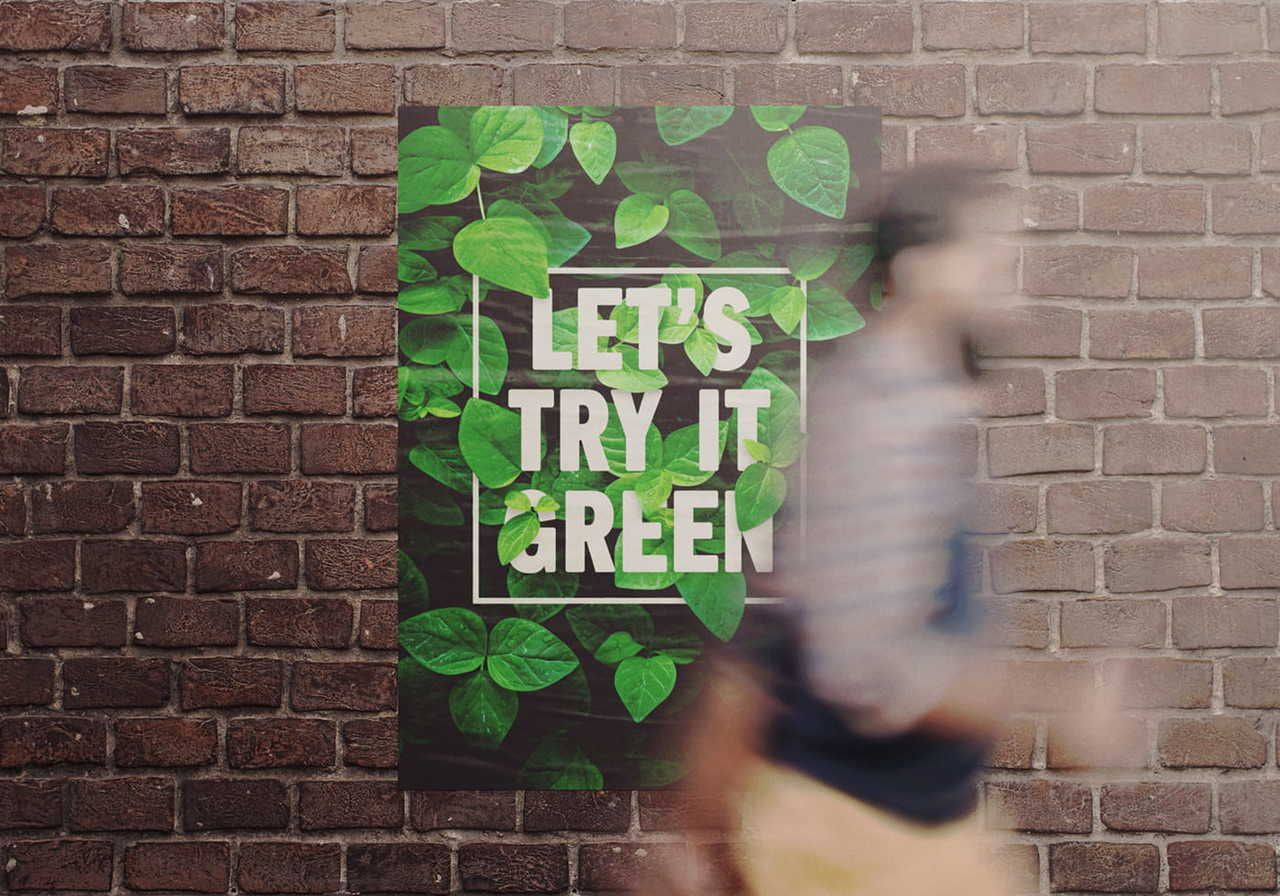
Printful makes it easier to launch and scale eco-friendly products without managing inventory. By using a print-on-demand model, you inherently reduce waste by only producing items that have already been sold.
How to get started with Printful
-
Choose eco-friendly products. Explore Printful’s Catalog for products made from recycled materials, organic materials, and sustainable materials.
-
Create your designs. Use Printful’s design tools to customize organic apparel, reusable bags, and other eco-friendly products using water-based, non-hazardous inks.
-
Connect your store. Integrate Printful with your eCommerce platform to sell online with automated fulfillment.
-
Fulfill and ship. Offer your customers sustainable packaging options and enable carbon-neutral shipping initiatives directly through your dashboard.
Why choose Printful for your sustainable business?
Printful is committed to eco-friendly practices that help you build a brand with a lower environmental impact.
In 2026, Printful continues to lead the industry with verified sustainability metrics:
-
High material standards. Printful’s eco-friendly collection features products made of at least 70% organic, recycled, or biodegradable materials, ensuring your items meet the highest market demands.
-
Localized production. Printful fulfills 86% of orders locally to the customer. This significantly reduces the carbon footprint associated with long-distance transportation.
-
Reduced plastic waste. For apparel mailers in North America, Printful uses 90–100% post-consumer recycled (PCR) plastic, and at least 70% for mailers worldwide, helping you transition to a plastic-free lifestyle for your customers.
-
Toxin-free printing. All items are printed using inks certified under OEKO-TEX® ECO PASSPORT, which are vegan, biodegradable, and safe for human health.
-
Carbon-neutral initiatives. You can provide CO2 offsetting on all standard shipping rates, funding verified projects like reforestation and renewable energy.
With eco-friendly options for Print on Demand, you can test sustainable product ideas without overproduction or excess waste.
Wrapping up
Eco-friendly products offer a powerful opportunity for small businesses and entrepreneurs who want to combine profit with purpose. From recycled materials to reusable everyday products, sustainable eCommerce continues to grow as conscious consumers seek better alternatives.
Focus on implementing sustainable practices, reducing waste, and choosing responsible production partners like Printful to build a brand that supports environmental responsibility while meeting real market demand.
Frequently asked questions about eco-friendly products
Eco-friendly products in demand include bamboo toothbrushes, reusable shopping bags, stainless steel water bottles, beeswax wraps, eco-friendly stationery, and organic apparel.
Choose sustainable products, explain their environmental impact clearly, use responsible packaging, and sell online through platforms that support sustainable eCommerce and print-on-demand fulfillment.
The best eco-friendly business aligns with your values and customer needs. Popular options include sustainable apparel brands, zero-waste stores, reusable product shops, and print-on-demand eco-friendly businesses.
Eco-shops commonly sell reusable bags, plastic-free personal care items, eco-friendly cleaning products, recycled paper goods, plant-based products, and fair-trade products, all designed to reduce waste and protect natural resources.

Published author, scholar, and musician, Andris draws on over 11 years of experience in and outside academia to make complex topics accessible – from SEO and website building to AI and monetizing art. Devoted to his family and self-confessed introvert, he loves creating things, playing musical instruments, and walking around forests.

