


Table of contents
AI art has quickly become a viable way for creators to build products, reach new audiences, and generate income online. Advances in AI tools now make it possible to produce high-quality visuals at scale, opening new paths for artists, designers, and entrepreneurs.
This article shows how to sell AI art in a compliant and sustainable way, from choosing the right platforms to turning AI images into digital products or physical items using print-on-demand. You’ll learn practical approaches for pricing, production, and promotion, along with common pitfalls to avoid as you build an online business around AI-generated creations.
Disclaimer:
This content is for informational purposes only and does not constitute professional advice. The content is based on our understanding as of the date of publication. Readers are personally responsible for complying with trademark and copyright law and are encouraged to seek advice from qualified professionals. Any actions taken based on this information are at your own risk.
We strongly recommend you consult an intellectual property attorney.
Key takeaways
-
AI art makes it possible for creators without traditional design skills to create and sell digital artwork, physical products, and other digital assets using accessible AI tools and print-on-demand platforms.
-
You can sell AI art online through multiple channels, including an online AI art shop, marketplaces like Etsy, and licensing deals, depending on whether you focus on digital downloads, wall art, or physical products.
-
Selling AI-generated art requires choosing the right platform, understanding usage rights, and avoiding legal issues by reviewing tool licenses and checking images before upload.
-
Print-on-demand allows AI artists to reach a global audience, maintain full control over branding and pricing, and generate passive income without managing inventory or fulfillment.
-
Successful AI art sales depend on strong positioning, clear product presentation, and choosing the best platforms to sell AI-generated images to art enthusiasts and buyers.
What is AI art, and why is it so popular?
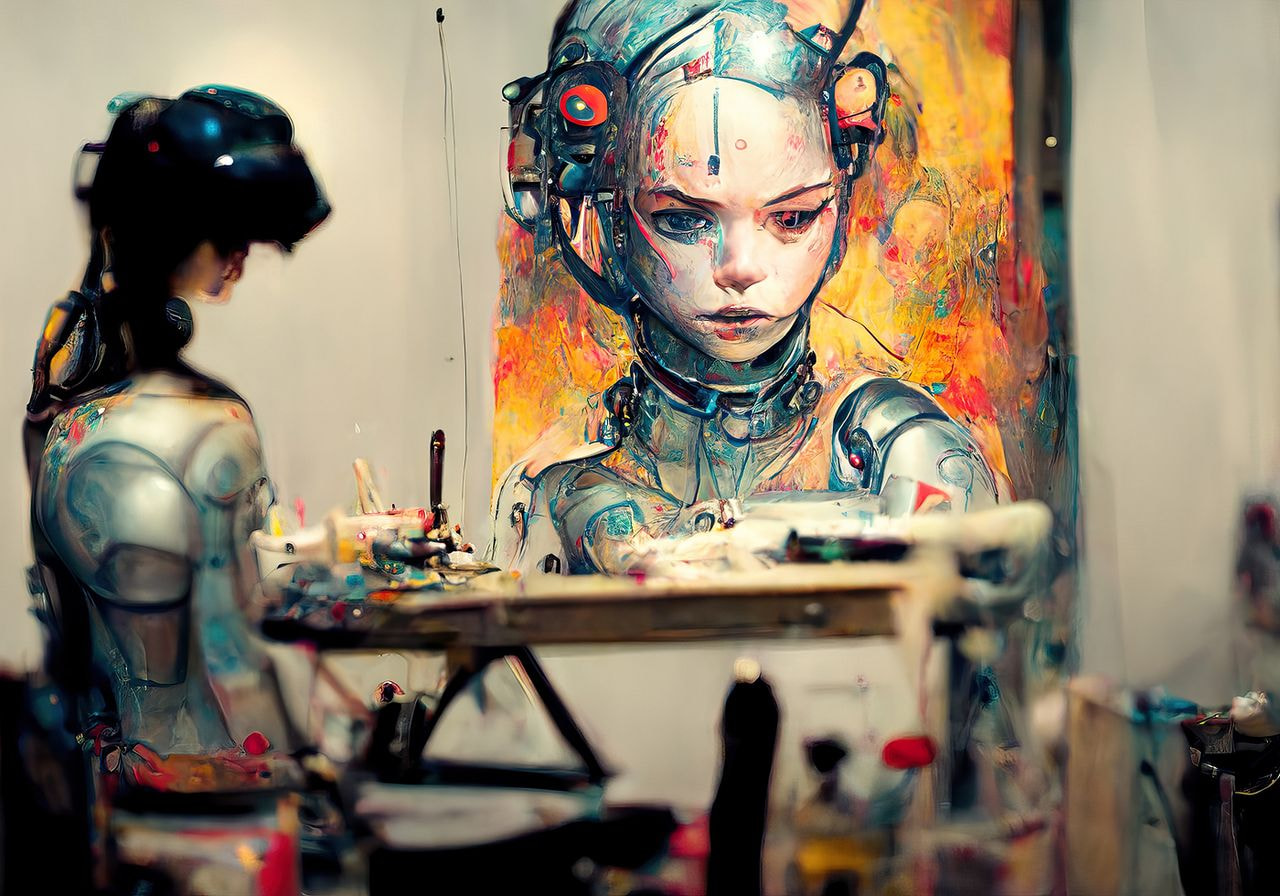
AI art refers to artwork created with the help of artificial intelligence models. These tools generate images from text prompts, based on reference images or training data. AI-generated images can range from abstract visuals to detailed illustrations, photo-realistic scenes, and stylized compositions.
AI art has grown in popularity largely because of its accessibility and speed. Modern AI tools make it possible for people without formal design or illustration skills to create polished, visually appealing images in minutes. Creators can test ideas, explore different styles, and refine results quickly, all without learning complex software or traditional artistic techniques.
Another reason AI art has gained traction is demand. Buyers are increasingly open to AI artwork for wall art, home decor, and digital downloads. Businesses also use AI-generated artworks for marketing visuals, mockups, and branding assets. This growing demand creates opportunities to sell AI art to a global audience.

Is it legal to sell AI art in 2026?
Selling AI-generated art is legal in many cases, but it depends on how the art is created and how it is used. Understanding ownership, licensing, and legal considerations is essential before you start selling AI-generated creations.
Who owns AI-generated art?
Ownership of AI-generated art usually depends on the terms of the platform or tool you use. Some AI tools grant full commercial usage rights to the person who generates the images, while others retain partial rights or impose restrictions.
If a platform allows commercial use, you can generally sell AI-generated art as digital assets or printed products. Always read the tool’s terms of service carefully. As a creator, you are responsible for ensuring your usage aligns with those rules.
Commercial use rules for popular AI tools
Different AI tools have different commercial use policies. Many widely used platforms allow selling AI-generated images, but with limitations.
For example, Adobe Stock has clear guidelines for AI-generated content, including labeling requirements and quality standards. When uploading AI images to Adobe Stock or similar platforms, you must follow their disclosure rules and usage rights.
Before you sell AI art online, verify whether the tool supports commercial licensing, resale, and print usage.
Copyright risks and how to avoid them
Copyright risks often come from prompts rather than the technology itself. Avoid generating art that directly references copyrighted characters, brand logos, or the recognizable style of living artists.
Trademarks, likenesses, and celebrity references can also create legal issues. To reduce risk, focus on original concepts, abstract styles, and generalized prompts. Ethical selling builds trust with buyers and protects your online store long-term.
Tip:
Check more about copyright and trademark on our blog.
Best ways to sell AI art
There is no single right platform for selling AI art. The best approach depends on whether you want to sell digital products, physical goods, or licenses.
Selling AI art as digital products
One of the simplest ways to sell AI-generated art is through digital downloads. These include posters, wallpapers, printable wall art, and design bundles.
Digital prints appeal to art enthusiasts who want instant access. Digital assets such as prompt packs, design templates, or themed collections also perform well. This model supports passive income since files are delivered automatically after purchase.
Selling AI art as physical products (POD)
Print-on-demand makes it possible to sell AI art as posters, canvas prints, framed wall art, apparel, and accessories. Instead of holding inventory, you upload designs, connect a platform, and let production happen only after a sale.
This approach is ideal for creators who want to expand beyond digital artwork and offer tangible products. Wall art, home decor, t-shirts, hoodies, and phone cases are especially popular categories for AI designs.
Licensing AI art to brands or creators
Another option is licensing AI-generated artworks for commercial use. Brands, content creators, and agencies often look for unique visuals they can license for campaigns or products.
Licensing can provide recurring art sales without managing an online store. Clear usage rights and contracts are essential in this model.
How to turn AI art into sellable products
Creating AI images is only part of the process. Turning them into products that sell requires strategy and structure.
Step 1: Find the best AI art tool for your business
There are many AI tools available, each with different strengths. Popular options include Midjourney, DALL·E, Stable Diffusion, and Leonardo AI. Some tools specialize in realism, others in illustration or abstract styles.
Choose tools that allow commercial use and match your desired art style. Experiment with multiple platforms to see which produces consistent results for your niche.
Step 2: Choose products that work best for AI designs
Not all AI-generated art translates equally well to print. High-resolution images work best for posters, canvas, wall art, and large-format prints.
Apparel like hoodies and t-shirts often benefits from bold, centered designs. Accessories and home decor items also perform well when designs are clean and visually striking.
Step 3: Pick your production partner
A reliable production partner is critical when selling physical products. Printful offers a scalable print-on-demand solution that supports posters, apparel, accessories, and home decor.
With Printful, creators get consistent print quality, global fulfillment, and no upfront inventory costs. This gives you full control over branding, pricing, and product selection while reducing risk.
Step 4: Prepare AI files for printing
AI-generated images must meet print standards. This includes high resolution (DPI), proper aspect ratios, and CMYK color profiles, which are suitable for print.
Upscaling tools can improve image quality, but always review files manually before uploading. Clean edges, balanced contrast, and accurate colors improve buyer satisfaction and reduce refunds.
Step 5: Create a storefront to sell your AI art
The best places to sell art include online stores and marketplaces. Many creators use easy-to-use platforms like Etsy to tap into existing demand, while other AI artists sell through online art marketplaces such as Gumroad to offer digital downloads and other digital products with minimal setup.
Some artists prefer a standalone website for full control over branding, pricing, and customer data.
Once you choose a platform for selling art, connect Printful to your ecommerce store and upload products directly. Clear product descriptions matter. Be transparent about AI-assisted creation, as honesty builds trust with buyers and helps you stay aligned with marketplace policies.
Tip:
Check more on how to make prints of your art in our blog.
Step 6: Set pricing that attracts customers
Make sure each price covers production, shipping, platform and marketplace fees, and still leaves you with a profit worth the effort.
Before setting numbers, search similar products on the platforms you plan to sell on and note price ranges, formats, and what actually sells, not just what is listed.
Resist the urge to compete on price alone. Undercutting often signals low quality and makes growth harder. Instead, focus on strong visuals, a consistent style, and clear product presentation. Buyers are willing to pay more for artwork that feels intentional, well-finished, and professionally branded.
Step 7: Ensure legal and ethical compliance
Before selling AI-generated art, confirm that your AI tool explicitly allows commercial use, resale, and print distribution. Save a copy of the current licensing terms in case policies change later.
Run reverse image searches on final designs using tools like Google Images, Bing Visual Search, or Tineye. If similar images appear that reference known brands, copyrighted characters, or recognizable artist styles, revise or discard the artwork. This step helps catch issues that prompts alone may not reveal.
Avoid prompts that reference living artists, franchises, celebrities, or trademarked names. Instead, describe visual elements like color, mood, composition, and technique to create unique designs and original results.
When selling on marketplaces or your own website, clearly disclose that designs are AI-assisted or AI-generated in the product description. Some platforms require this transparency, and it helps reduce disputes or takedowns. Review marketplace policies regularly and launch new designs in small batches to monitor compliance.
Step 8: Launch and market your AI-powered products
Selling AI art does not end at creation. How you launch and promote your products determines whether they get seen or ignored.
-
Launch with a small, focused collection instead of uploading everything at once.
-
Share behind-the-scenes content showing your prompt process, AI image generation, and how designs look once printed. Short-form video on TikTok, Instagram Reels, and YouTube Shorts works well for highlighting texture, color, and scale.
-
Optimize product pages with lifestyle mockups, clear use cases, and keywords buyers actually search for.
-
Run low-budget ads only on designs that already show organic traction.
-
Actively request early reviews to build trust, then double down on styles and formats that generate consistent engagement and sales.
Conclusion
Selling AI art in 2026 is about more than technology. Success comes from creativity, ethical practices, and choosing the right platform. Whether you focus on digital downloads, physical products, or licensing, AI opens new opportunities for creators worldwide.
Print-on-demand allows AI artists to scale without inventory, reach new audiences, and turn digital portfolios into real products. With the right tools, legal awareness, and marketing strategy, selling AI-generated art can become a sustainable source of passive income.
FAQ – Frequently asked questions
Yes, in many cases, it is legal to sell AI art online, as long as the AI tool allows commercial use and the artwork does not infringe on copyrights or trademarks. Always review licensing terms and legal considerations before selling.
Popular options include Midjourney, DALL·E, Stable Diffusion, and tools supported by Adobe Stock guidelines. The best choice depends on style, control, and licensing needs.
You can reduce misuse by watermarking preview images, selling lower-resolution files for digital downloads, and using platforms that offer seller protection.
Before publishing new designs, run reverse image searches using tools like Google Images or Bing Visual Search to check for close matches and avoid accidental duplication.
After launch, occasional reverse image checks can also help you spot unauthorized use. Clear branding, consistent style, and transparent product descriptions further discourage copying and make it easier to defend your work if issues arise.
AI images should be high-resolution, free of artifacts, and optimized for print or digital display. Clean composition and consistent style help attract buyers and improve long-term sales.

Published author, scholar, and musician, Andris draws on over 11 years of experience in and outside academia to make complex topics accessible – from SEO and website building to AI and monetizing art. Devoted to his family and self-confessed introvert, he loves creating things, playing musical instruments, and walking around forests.

