


Table of contents
A decade ago, influencer marketing was dominated by celebrity endorsements and big-budget campaigns. Today, a 20-year-old with 8,000 TikTok followers can often outperform both.
Platforms evolve, audiences get harder to impress, and the rules keep shifting. What made an influencer campaign work two years ago looks pretty different from what works now – and the gap between brands that adapt and those that don’t is widening.
The influencer marketing trends below show where things stand right now and where they’re going. Here’s what you need to know.
Top influencer marketing trends in 2026 (Quick answer)
-
Nano and micro-influencers consistently deliver higher engagement than larger accounts.
-
Long-term creator partnerships generate stronger results than one-off campaigns.
-
Social commerce is turning creator content into direct sales through platforms like TikTok Shop and YouTube Shopping.
-
AI tools are streamlining how brands find creators, forecast campaign performance, and track results.
-
Authenticity drives purchasing decisions – audiences trust real, unscripted content over polished productions.
What is influencer marketing, and why do these trends matter?
Influencer marketing is when a brand partners with a social media influencer to reach their audience. Instead of running a traditional ad, you’re tapping into a relationship that the creator has already built with their followers.
The influencer marketing industry moves fast. The platforms people use, the content they watch, and what they expect from the creators they follow can all shift within a single year.
Think how TikTok reshaped short-form video almost overnight, and how quickly every other platform moved to follow.
Brands that keep up with the latest influencer marketing trends are better positioned to make smarter decisions: which creators to approach, what type of partnerships to offer, and whether it’s working.
The trends below cover exactly what’s changing in creator marketing right now and what it means for your brand.
Key trends in influencer marketing for 2026
1. Micro and nano-influencers continue to dominate
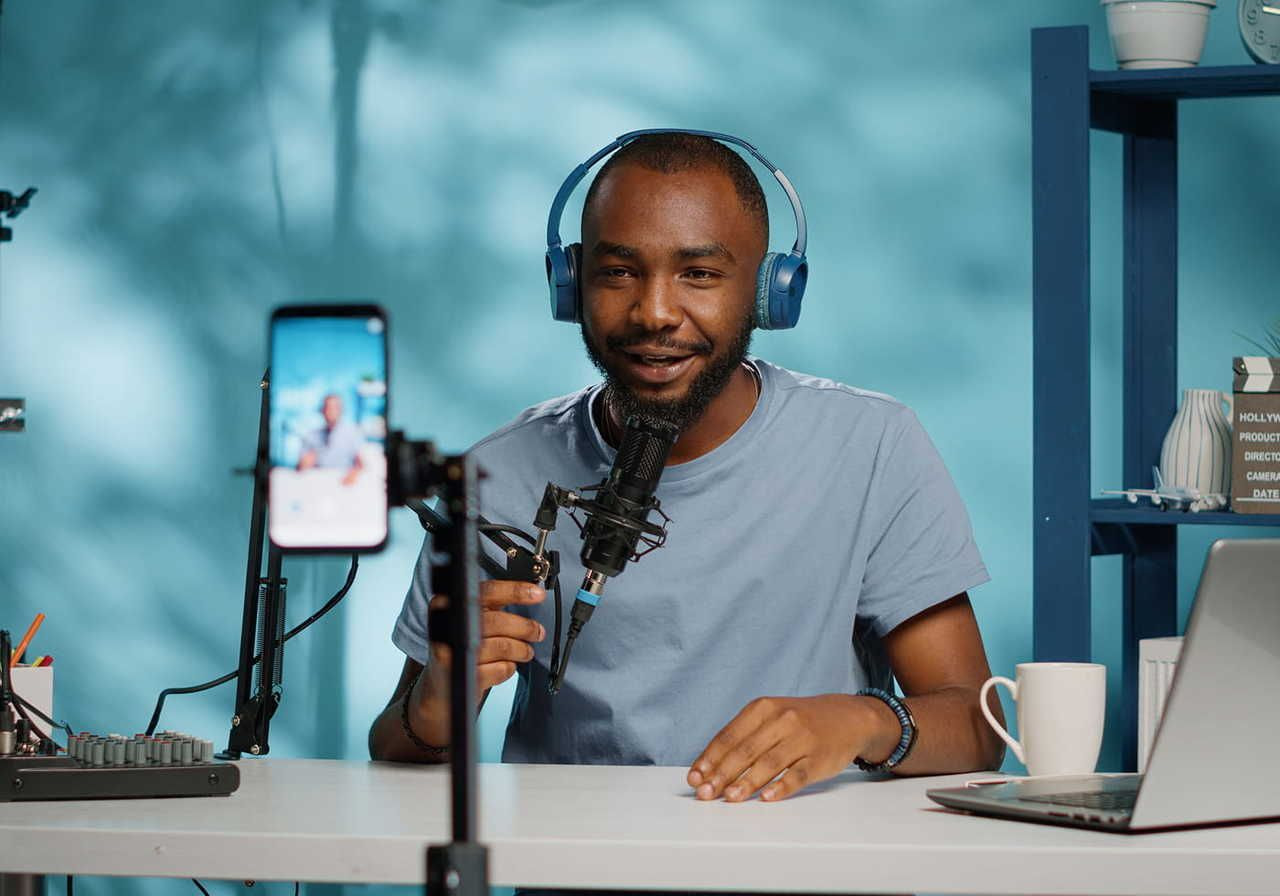
The assumption that bigger audiences lead to better results doesn’t always hold true.
-
Across all social media platforms: Nano-influencers average a 2.53% user engagement rate – compared to just 0.92% for mega-influencers.
-
Instagram: Nano-influencers average a 6.23% engagement rate – a figure that drops steadily as follower counts climb.
-
TikTok: Nano-influencers hit 10.3%, while micro-influencers at 8.7%, and mid-tier creators at 7.5%.
The explanation is simple. Nano and micro-creators tend to build tight-knit niche communities around specific interests, and their audiences see them as peers rather than aspirational or distant figures.
92% of consumers trust recommendations from people like themselves over traditional advertising. A creator with 10,000 loyal followers in a focused niche can carry more weight than a celebrity with millions.
What this means for your brand:
-
When vetting potential partners, prioritize topical relevance and meaningful engagement over audience size.
-
Find creators whose values align with your brand. One well-matched partner in your category will likely outperform a larger account with a misaligned audience.
-
Use product gifting to test new creator relationships before committing to paid deals. It’s low-cost and quickly reveals whether their audience responds to your product.
Read more: What is brand marketing? How to build a lasting brand that drives growth
2. Long-term creator partnerships outperform one-off campaigns
Successful brands don’t rely on a single social media post to do the heavy lifting. They invest in sustained influencer partnerships instead, and see 70% higher engagement than those running one-off campaigns.
And while only 35.3% of brands currently do long-term partnerships, 99% say they work.
The reason is straightforward: Internet users are good at spotting ads. When a creator mentions a product repeatedly, it stops feeling like promotion and starts reading like a genuine opinion.
What this means for your brand:
-
Don’t spread your influencer marketing budget across many short-term deals. Instead, consider working with two or three micro-influencers on an ongoing basis. Send them new products each season and give them early access to launches.
-
Start a creator program where partners earn a commission on every sale they drive. For example, Printful’s Affiliate Program gives creators a 10% commission on every order.
-
Go beyond post-level metrics (likes, views, and shares). Track customer acquisition and repeat purchases from creator content traffic to see the real return.
3. AI is streamlining influencer marketing campaigns

AI is already reshaping influencer marketing. 59% of marketers say they’re currently using it in their influencer marketing efforts, and the shift is happening across every stage of the process.
-
Creator sourcing: AI tools scan large databases to find potential partners based on audience data, content history, and brand alignment – significantly reducing manual research time.
-
Campaign forecasting: Platforms can predict how content is likely to perform before it goes live based on real-time data from comparable campaigns.
-
Workflow automation: Save time on repetitive tasks like outreach sequences, reporting, and performance analysis so that you can focus on core strategy and creator relationships.
Creator predictions point in the same direction: 28% expect AI-generated content to define the next few years, and 27% anticipate the rise of automated matching platforms that connect them directly with brands.
What this means for your brand:
-
For influencer discovery, use platforms like Modash or Upfluence to save time.
-
Repurpose high-performing creator content with tools like Opus Clip or Descript, which automatically clip, caption, and resize videos for different social platforms.
-
Use AI to handle operations, not to replace creative thinking. The human connection between a creator and their audience is still what drives results.
Read more: How AI can boost your affiliate marketing
4. Virtual influencers are emerging, but skepticism remains
Virtual or AI influencers are computer-generated personas that post content, promote products, and build followings like human creators. They’re gaining visibility across social platforms, but widespread brand adoption is still a long way off.
-
9% of marketers want to work with AI influencers in 2026.
-
2% plan to create their own AI-generated avatar or work with a digital clone of an existing creator.
-
89% have no plans to experiment with virtual influencers.
The hesitation makes sense. Audiences increasingly expect honesty and human connection from the accounts they follow, and a computer-generated persona just doesn’t deliver them in the same way.
What this means for your brand:
-
Hold off on virtual influencer strategies until consumer sentiment shifts. Audiences aren’t ready yet, and experimenting too early could do more damage to brand credibility than it delivers in return.
-
If you’re curious about AI-generated content, start by experimenting with AI tools for content creation before moving toward synthetic personas.
-
Focus on traditional influencers. Real relationships with real audiences remain the most dependable foundation for any influencer marketing strategy.
5. Social commerce is turning creator content into immediate sales
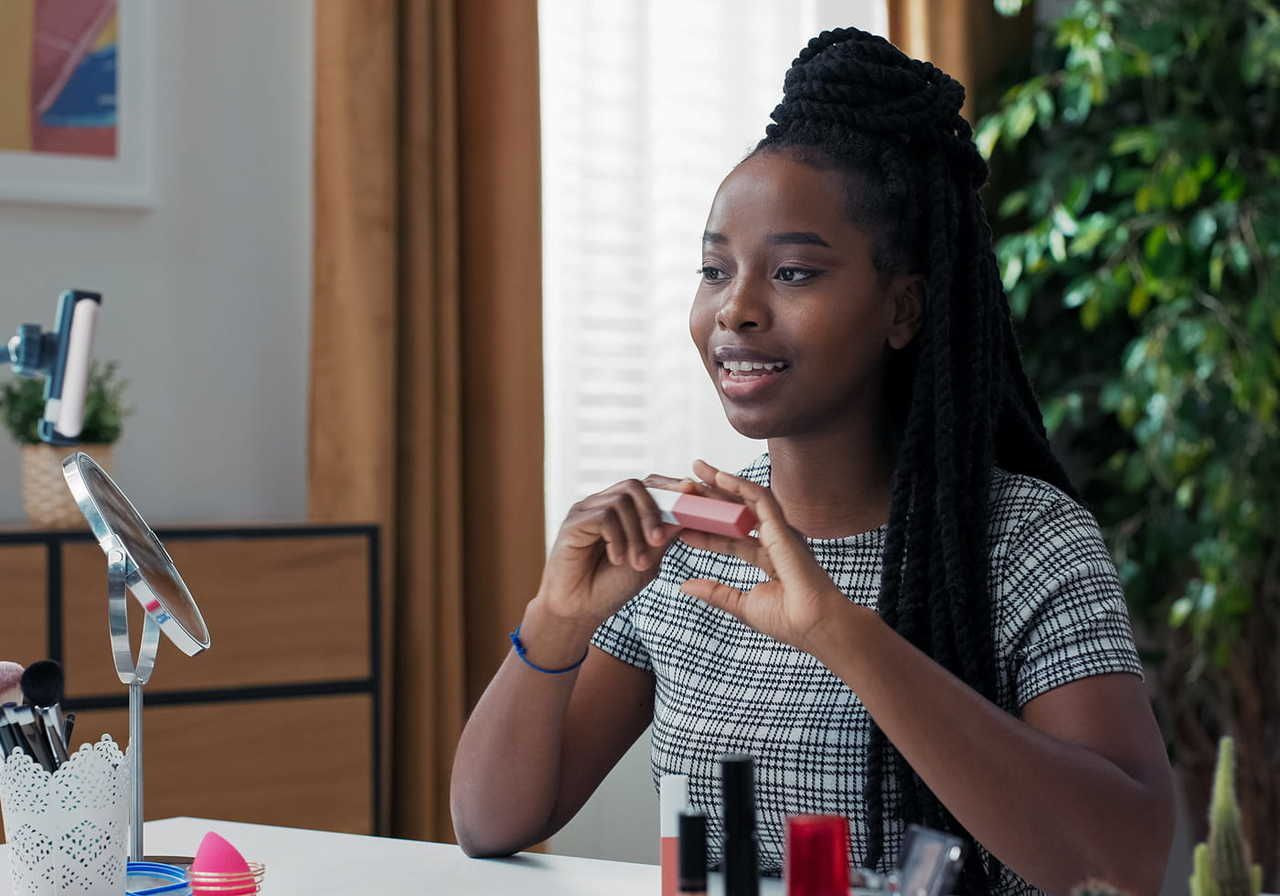
On social commerce platforms like TikTok Shop and YouTube Shopping, a creator can feature your product and give their audience a direct path to checkout without ever leaving the app.
Plus, TikTok’s live shopping events let creators showcase products in real time – answering questions, building excitement, and converting viewers on the spot.
The commercial impact is significant:
-
74% of shoppers say creator recommendations influence their purchases.
-
On TikTok, people are 27% more likely to remember an ad when it stars a creator they follow than with standard social ads.
-
78% of TikTok users have discovered new brands through creator content.
-
On YouTube, haul videos alone garnered one billion views in 2025.
-
73% of consumers say watching a live shopping event makes them more inclined to buy.
-
Nearly half of viewers make unplanned purchases during live sessions, prompted by seeing products demonstrated in the moment.
What this means for your brand:
-
If you sell custom products, make sure your fulfillment partner supports TikTok Shop integration. Printful connects directly with TikTok Shop and automatically handles every order placed through influencer content.
-
Enable product tagging across the social channels your target audience uses most, eliminating every step between discovery and purchase.
-
Partner with creators to host live shopping events around new launches or limited drops.
6. Authenticity and transparency matter more than ever
Influencer marketing continues to thrive because human voices carry something AI-generated social media content can’t replicate – but only when the partnership is genuine.
76% of marketers confirm that low-production videos outperform highly produced alternatives, because people respond to honesty, not aesthetics.
Being authentic means a creator’s partnership feels like a natural extension of who they are. No one feels that pressure more than nano and micro-influencers. Their audiences are small enough to notice when something feels off, and close enough to care when it does.
Disclosure expectations are tightening alongside this. 79% of TikTok users say clearly labeling AI content is a basic standard of responsible brand behavior – a signal that transparency is becoming non-negotiable.
What this means for your brand:
-
Ensure your brand’s values align with a potential creator before any outreach. Mismatched partnerships are obvious to audiences.
-
Encourage honest reviews, including minor criticisms. A balanced opinion builds more lasting credibility than a perfect endorsement.
-
Make AI disclosure part of your influencer content creation guidelines from the start. It signals responsibility and protects your reputation.
7. Short-form video dominates, but long-form is making a comeback
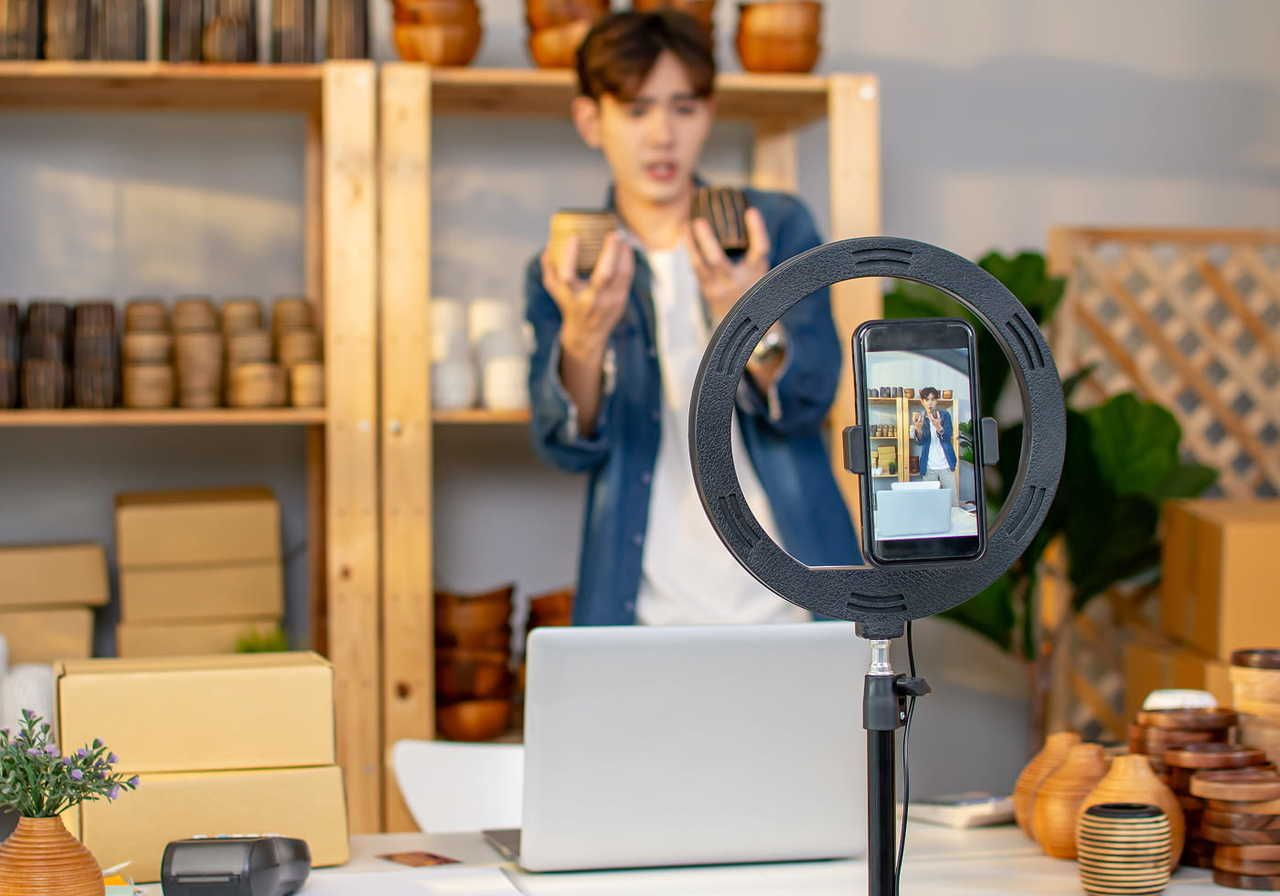
Short-form video is still the easiest way for brands to enter creator marketing. The average watch rate is 81%, meaning most viewers are making it well past the halfway point before moving on to the next content.
In short-form video, YouTube Shorts is quietly outperforming its better-known rivals. Its engagement rate stands at 5.91%, ahead of TikTok (5.75%) and Instagram Reels (2%).
But zoom out to YouTube as a whole, and the number jumps to 72.8% – it reflects how long-form content commands a deeper level of attention.
While short-form drives discovery, long-form builds the kind of sustained engagement that earns viewers’ trust over time.
What this means for your brand:
-
Use short-form creator content on TikTok and Instagram to introduce your product to niche audiences.
-
Invest in longer YouTube formats, like reviews and tutorials, for educational content that continues to generate traffic and brand visibility long after posting.
8. Brands want measurable results from their influencer campaigns
As the influencer marketing industry matures, more brands are demanding measurable revenue from their campaigns – not just likes, views, and reach.
The shift is already underway. Content performance is now the second-most-important factor brands consider when selecting a creator to work with.
When asked which metric best justifies their influencer budget to leadership, responses are split almost evenly between return on ad spend (ROAS), impressions, and engagements. In other words, the right metric depends entirely on what you’re trying to achieve.
What this means for your brand:
-
If your goal is direct revenue, focus on affiliate marketing links, shoppable content clicks, and ad conversions, as these tie creator activity to actual sales.
-
If you’re building brand visibility, track impressions, video views, and engagement rate. These metrics show whether you’re reaching the right people.
-
If you need to justify what you’re spending to stakeholders, lean on ROAS or cost per engagement. These metrics connect campaign performance to brand growth in terms that connect directly to business outcomes.
9. Creator-led brands and collaborations
One of the most significant shifts in the creator economy is that social media influencers are starting their own brands. Rhode, Summer Fridays, and Huda Beauty all started as creator-led concepts before becoming commercially successful brands.
The numbers reflect real consumer appetite:
-
30% of US adults have purchased from an influencer-founded brand.
-
80% said they’d make a repeat purchase.
-
47% rated the experience better than shopping with non-creator brands.
What this means for your brand:
-
Approach creator partnerships as product collaborations. Invite partners to co-design a limited drop and let their audience be part of the launch.
-
Start small. A co-branded product doesn’t require a full collection. A single well-designed item released to a niche audience can generate more meaningful revenue than a broad campaign.
Pro tip: If you’re an influencer looking to make more money beyond partnerships, Printful lets you design and sell custom-branded merchandise without holding inventory or managing fulfillment.
How brands can adapt to influencer trends on social media
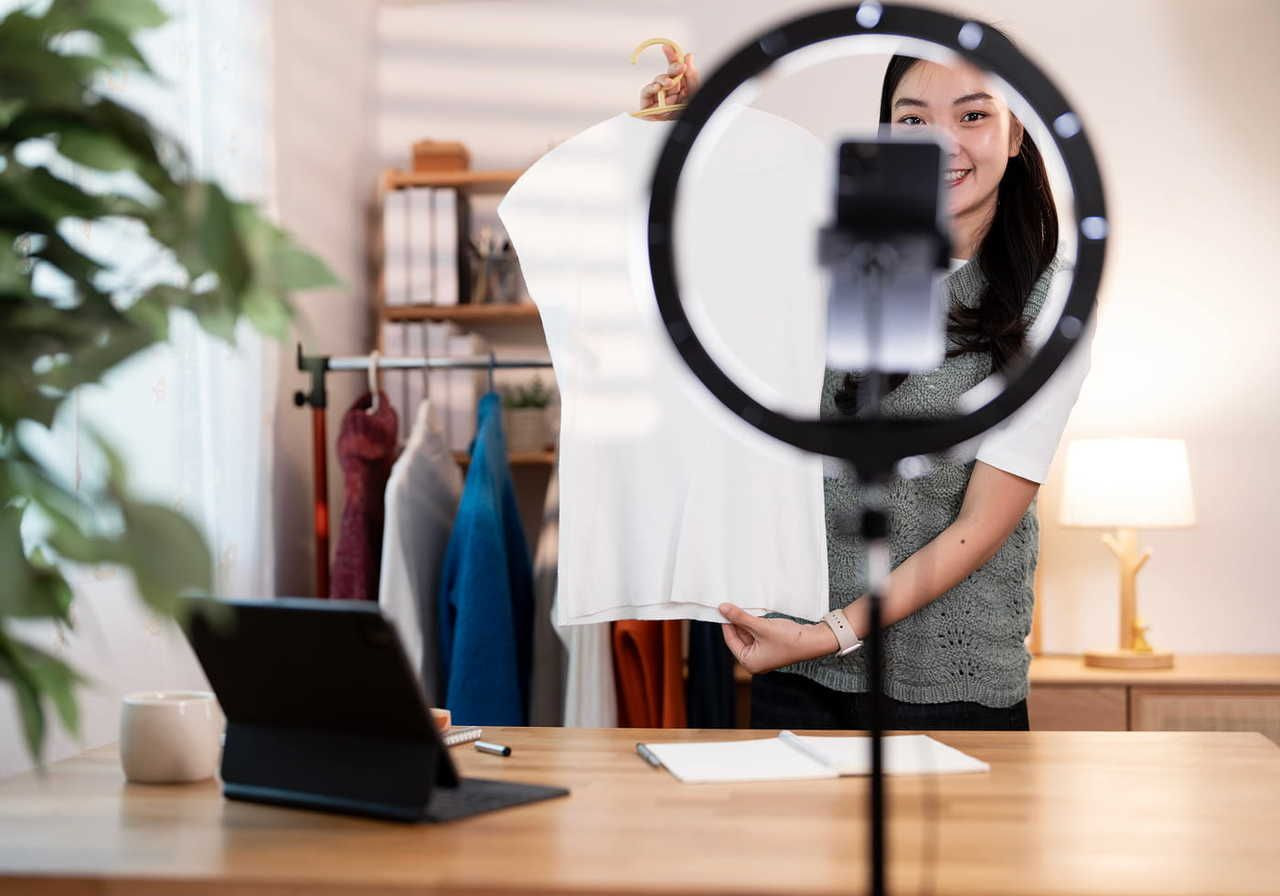
Influencer marketing efforts are shifting from broad and transactional to targeted, sustained, and measurable. Here’s how to move your approach in that direction.
-
Work with smaller, more focused creators. Nano and micro-influencers consistently outperform larger accounts on engagement – and they cost a fraction of the price.
-
Prioritize creators you can work with repeatedly, not just once. When a creator returns to the same product over months, their audience starts to believe it – and that shift in perception is what drives purchases.
-
Stop briefing, start collaborating. Over-scripted content is one of the fastest ways to damage the trust that makes creator partnerships valuable. Share your goals, set clear expectations, and let partners produce content in their own voice.
-
Spread across platforms, not just audiences. TikTok, Instagram, and YouTube each serve a different stage of the buyer journey. A creator active across multiple social platforms gives your brand visibility at multiple touchpoints.
-
Treat your influencer budget like any other performance channel. Set clear goals, track the right metrics for each objective, and make data-driven decisions.
Read more: Effective social media strategies for your print-on-demand business
How to build successful influencer partnerships

The strongest influencer partnerships start with the right match. Here’s how to find creators, work with them effectively, and build relationships that last.
-
Set a clear goal: awareness, conversions, or lead generation. Your objective determines which type of creator to approach and how you’ll measure results.
-
Look for audience fit, not just audience size. Check whether their followers resemble your actual customers by reviewing demographics and niche relevance.
-
Read viewers’ comments. Thoughtful, recurring interactions signal a community that genuinely listens and is more likely to act on a recommendation.
-
Be upfront about deliverables, timelines, and compensation from the start. Clear expectations make the collaboration easier for both sides.
-
Start with a single test activation before committing to anything ongoing. For example, if you want to promote your print-on-demand store, a gifted product or a paid post gives you real performance data at low risk.
-
Stay in touch between campaigns. Share their content, offer early product access, and check in without always asking for something in return to build trust.
Conclusion
These influencer marketing trends point to the same conclusion: the brands seeing the strongest results are those thinking beyond the next post.
Smaller creators, sustained partnerships, and honest content consistently outperform their opposites. The gap between brands that understand this and those still chasing reach is only growing.
Get those fundamentals right, and engagement, conversions, and revenue will naturally follow.
Ready to make products worth promoting? Printful lets you design and sell custom products without inventory, so you can focus on building the partnerships that grow your brand.
Frequently asked questions
The latest influencer marketing trends show that smaller, niche creators are driving better results than big-name accounts – and more brands are catching on.
Long-term creator partnerships are also replacing one-off campaigns, social commerce is making it easier than ever to buy directly through a post, and AI is changing how brands find creators and measure what's working.
The future of influencer marketing is all about measurable results. Brands are moving away from measuring success by likes and views, and focusing instead on sales, new customers, and return on spend.
AI will also keep making the process faster and smarter, but the brands that win will be the ones that build genuine relationships with the right creators.

Maisha is a content writer with 6+ years of experience in turning complex topics into clear, search-optimized content. She believes readability always wins, no matter how SEO trends shift. Outside of writing, she’s usually trying new recipes (but never following them), watching niche YouTube videos, or planning food-fueled adventures.

