



Table of contents
The best fabric for hoodies depends on the job. Cotton feels soft, polyester handles performance, cotton-poly blends balance comfort and durability, and thicker fabrics add warmth for colder months.
For most casual-wear brands, a midweight cotton-polyester fleece or French terry gives the best mix of comfort, print results, and everyday durability.
Let’s dissect hoodie fabrics, one by one.
Different hoodie materials compared by feel and use
Not sure where to start? The table below breaks down the most popular hoodie fabrics at a glance – then we’ll dig into each one.
|
Hoodie fabric |
Feel |
Best use |
Watch out for |
|
Cotton |
Soft, breathable, familiar |
Premium basics and everyday wear |
Can shrink and dry slowly |
|
Polyester |
Smooth, durable, quick-drying |
Performance merch and athletic wear |
Can feel less breathable |
|
Cotton-polyester blends |
Balanced, durable, easy-care |
Store staples and custom hoodies |
Fiber ratio affects feel |
|
Tri-blend |
Soft, drapey, lightweight |
Fashion merch and lifestyle products |
May need print testing |
|
French terry |
Smooth outside, looped inside |
Midweight layering |
Less plush than fleece |
|
Brushed fleece |
Plush, warm, cozy |
Winter hoodies and loungewear |
Can feel too warm indoors |
|
Wool blends |
Warm, elevated, textured |
Premium cold-weather drops |
Higher cost |
|
Jersey fabric |
Light, smooth, flexible |
Warm-weather layering |
Less insulating |
Common hoodie materials explained
Before choosing a hoodie fabric, look at fiber content, texture, weight, stretch, and print compatibility. The best fabric for a premium streetwear drop may fail for gym merch, while the right hoodie fabric for athletic wear may feel too “gym” for loungewear.
Cotton
Source: Printful
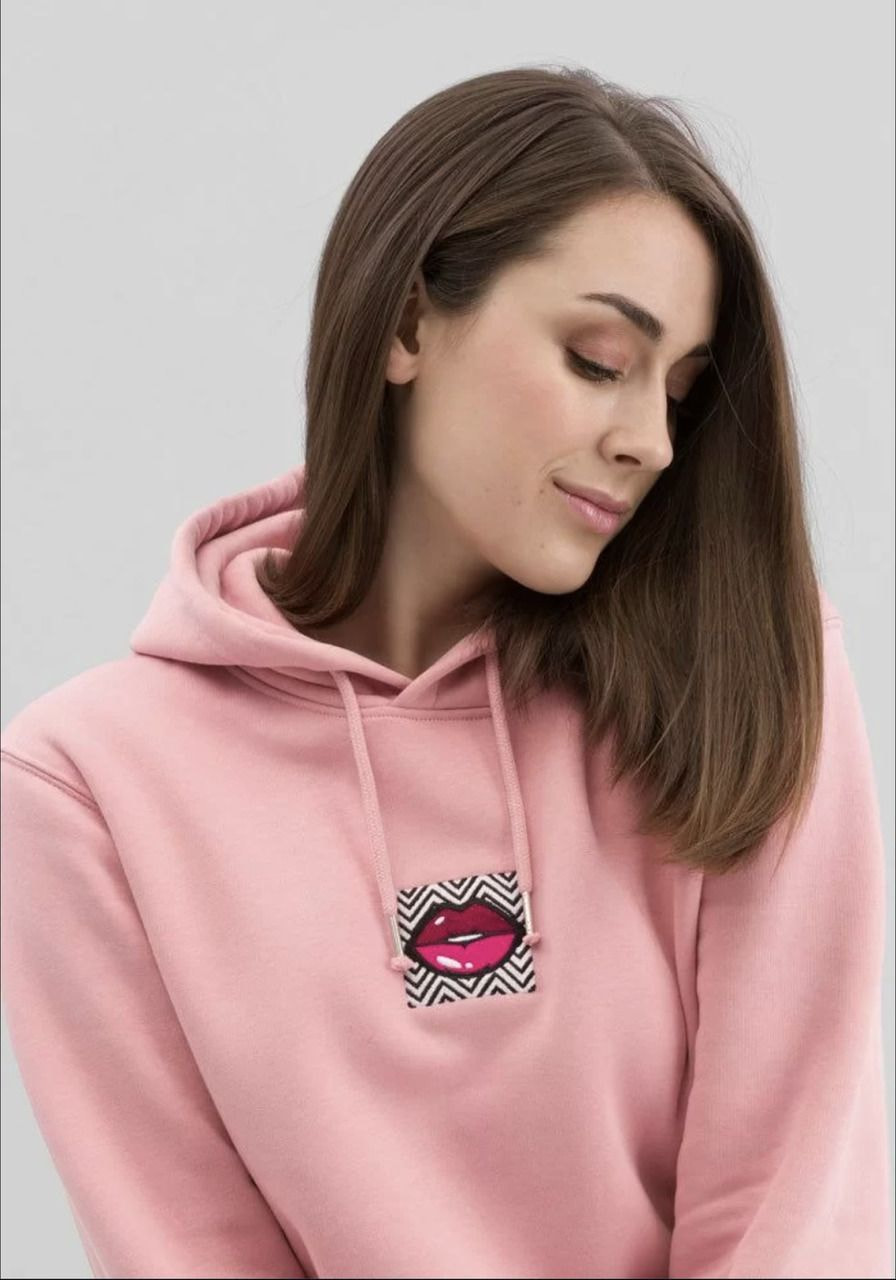
Cotton is the fabric most people picture when they think “hoodie” – natural fibers, soft, breathable, and familiar against the skin. Cotton hoodies work well for everyday wear, retail merch, school apparel, creator drops, and premium basics.
For a smoother surface, look for combed cotton or ring-spun cotton. These yarns remove shorter cotton fibers, creating a softer hand feel and a cleaner print surface. High-quality cotton also helps the custom hoodies feel more substantial without making them stiff.
The trade-off: pure cotton can shrink, wrinkle, and dry more slowly than synthetic options. It also holds moisture, so it doesn’t usually perform as well for workouts or high-sweat use.
Best for:
- Lifestyle merch
- Premium basics
- Sensitive-skin audiences
- Direct-to-garment and screen printing
- Brands that want a soft, classic hoodie material
Polyester
Polyester gets a mixed reputation among sellers – some assume it means shiny, stiff, or "not a real hoodie." In reality, polyester is a synthetic fiber woven or knit the same way cotton is, and the finish depends entirely on the construction.
A brushed-fleece polyester blend can feel just as soft and traditional as cotton, while a smooth all-over-print polyester feels different on purpose. It resists shrinking, dries quickly, and often costs less than premium cotton. Polyester hoodies work well for sports teams, school clubs, events, and performance-focused stores.
Polyester is great for Print on Demand – it supports various decoration methods, including sublimation printing, which bonds dye into the fabric instead of placing ink on top. That makes it useful for all-over designs, team graphics, and vibrant prints.
The trade-off: polyester can feel less breathable than cotton, especially in heavier constructions. Some shoppers also prefer natural fibers for daily comfort.
Best for:
- Athletic wear
- Performance merch
- All-over prints
- Fast-drying products
- Stores focused on durability and lower care effort
Cotton-polyester blends
Source: Printful
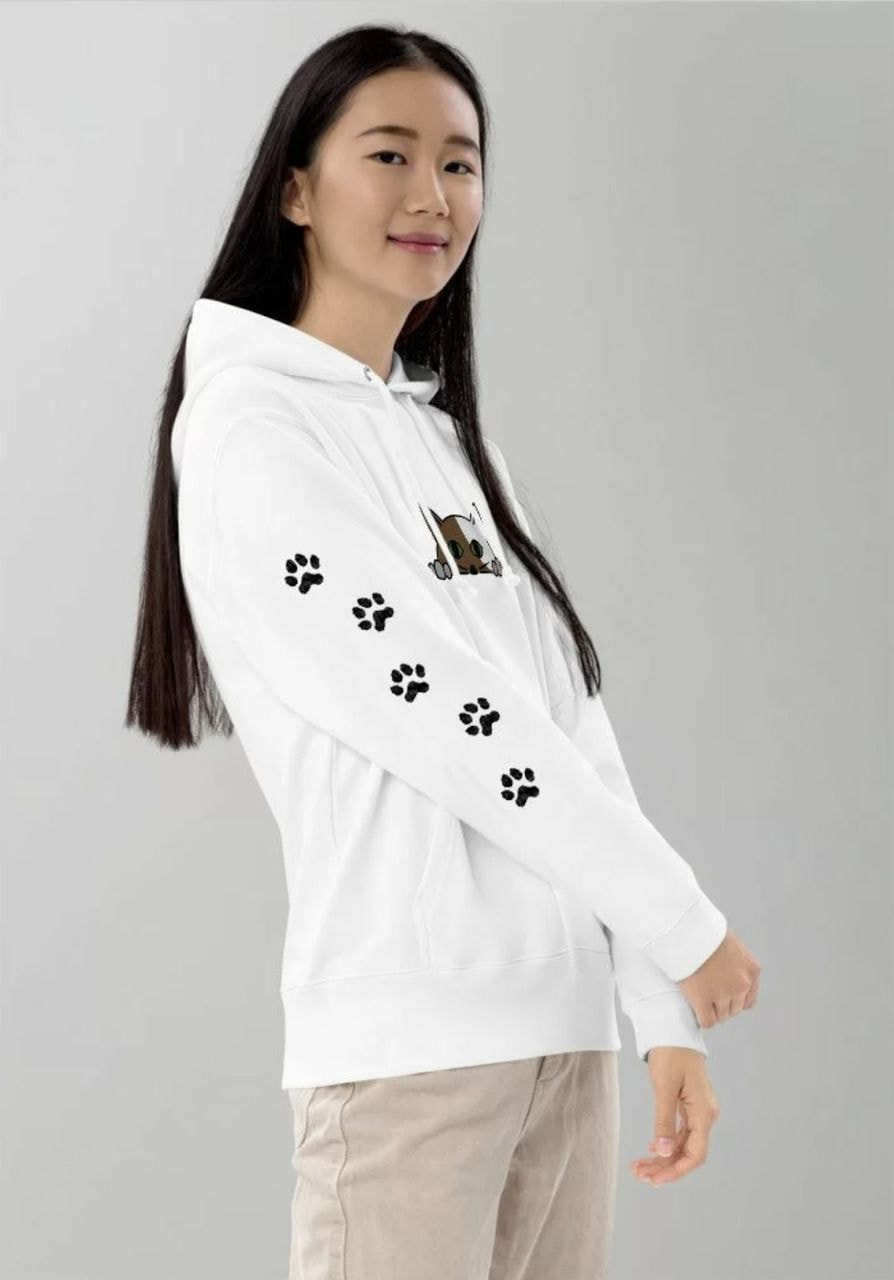
Cotton-polyester blends combine cotton’s softness with polyester’s shape retention and durability. This makes them one of the most practical hoodie materials for sellers.
A cotton polyester hoodie can feel softer than a full polyester hoodie and easier to care for than a full cotton one. Many stores use cotton-poly blends because they handle daily washing, frequent wear, and mixed customer expectations.
A common 50/50 cotton-poly mix gives balanced softness and durability, and is perfect for DTG printing. Cotton-rich blends feel more natural, while polyester-rich blends usually dry faster and resist wrinkles better.
Best for:
- Custom hoodies
- School merch
- Staff apparel
- Creator collections
- Year-round wear
- Stores that need consistent sizing and care
Great options from our Catalog:
65/35 cotton-polyester blend
This fabric choice provides a good balance between cotton and polyester’s top properties, making it on the softer side.
Our Unisex Premium Hoodie Cotton Heritage M2580 is made with ring-spun cotton and a 100% cotton face for extra softness and print vibrancy.
Other hoodies with this ratio:
Our Unisex Premium Sweatshirt Cotton Heritage M2480 is made of tightly knit 3-end fleece fabric – thicker and more insulated than the M2580, for sellers who want the same blend with more warmth.


Tri-blends

Source: Printful
Tri-blends usually combine cotton, polyester, and rayon. Rayon is a semi-synthetic fabric made from cellulose. It gives the fabric a softer, drapier feel, which can make tri-blend hoodies feel lighter and more relaxed.
A tri-blend hoodie fabric often feels ultra soft and slightly stretchy. It suits fashion-focused casual wear, lifestyle brands, and stores that want a broken-in feel from the first wear.
The trade-off: tri-blends can cost more and may need more careful print testing. The softer surface may affect print quality, especially with fine detail.
Best for:
- Lifestyle brands
- Boutique merch
- Soft retail basics
- Lightweight layering
- Fashion-driven hoodie drops
Try our Unisex Zip-Up Hoodie – it’s perfect for sports activities or layering under heftier garments.
Pro tip: Always order samples before listing your products online to check the fabric and print quality (especially after multiple washes). They’re also great for taking your own photos that will stand out from all the mockups.
Fleece
Fleece describes a fabric structure, not one single fiber. Cotton fleece, polyester fleece, and blended fleece all exist. Most fleece hoodies use a soft inner surface for cozy warmth and a smoother outer surface for printing or embroidery.
Brushed fleece has a raised, fuzzy interior. It traps warmth and feels plush, making it common in winter hoodies, college merch, and loungewear.
Fleece works well when customers prioritize comfort. The heavier the fabric weight, the warmer and more substantial the hoodie usually feels.
Best for:
- Heavyweight hoodies
- Winter wear
- Casual collections
- Premium loungewear
- Colder weather product drops
Our Bella+Canvas Unisex Pullover Hoodie is made from a super soft, warm fleece blend and works excellently with our proprietary printing method, DTFlex.
Wool and wool blends
Wool blends offer warmth, breathability, and a heavier, more structured feel that reads as premium the moment someone puts it on. They work better for premium outerwear-inspired hoodies than standard merch.
Wool can regulate temperature well, but it usually costs more than cotton or polyester. Some shoppers also find wool scratchy, especially if they have sensitive skin. For comfort, many brands choose wool mixed with cotton, polyester, or other fabric blends.
Best for:
- Premium collections
- Cold-weather capsules
- Fashion-focused drops
- Brands selling in colder climates
Other materials
Source: Bengoodsmk
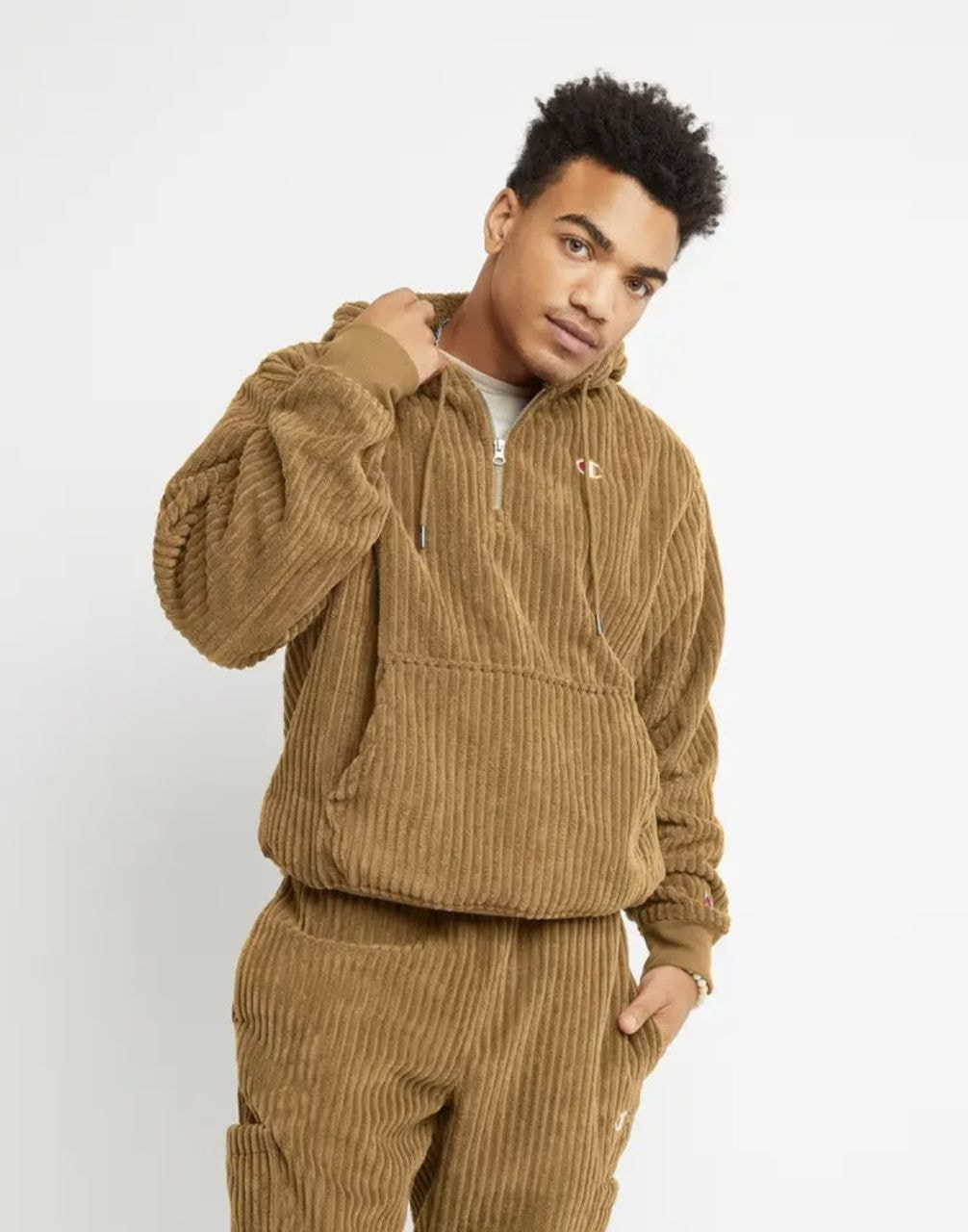
Other hoodie material types include spandex, elastane, recycled fibers, jersey, and specialty knits.
Spandex blends add stretch and recovery, helping a hoodie move with the body. A stretchy knit fabric works for fitted hoodies, dancewear, athleisure, and active collections.
Jersey fabric feels lighter and smoother than fleece. It makes a perfect light summer hoodie when customers want coverage without bulk.
Recycled polyester, like the material in our Adidas Quarter Zip Pullover, is ideal for performance-focused apparel because it’s durable, lightweight, quick-drying, and often used in moisture-wicking fabrics.
If you're marketing a recycled fabric, name the exact percentage and certification (like GRS) instead of a general "eco-friendly" claim – it's more convincing to buyers who've heard vague sustainability language before.
Best for:
- Light layering
- Activewear
- Summer collections
- Fitted silhouettes
- Products with specific material claims
- Embroidery designs
Read more:
- Sweatshirt embroidery ideas for your next designs
- Sustainable fashion in Print on Demand: What's changing and why it matters
A quick recap:
Different hoodie materials solve different problems. Cotton feels natural, polyester supports performance, French terry works across seasons, and fleece gives more insulation.
Synthetic fabrics often add durability, stretch, quick-drying performance, and easier care, while knit fabrics shape the hoodie's softness, structure, and flexibility.
Choose the right fabric based on the buyer's climate, style, and reason for wearing the hoodie – that's how you find the best hoodie material for your product.
Best hoodie fabrics for every use case
Use purpose first, then choose the hoodie fabric – whether the buyer wants a daily layer, gym piece, winter staple, or light warm-weather hoodie.
Best material for everyday wear
For daily use, choose cotton-poly blends, French terry, or midweight fleece. These are great hoodie fabrics that balance comfort, durability, and easy care.
French terry hoodies work especially well for everyday wear because the fabric has a smooth exterior and looped interior. It feels lighter than fleece but still structured enough for retail-quality custom hoodies.
Choose this route when your brand sells:
- Campus apparel
- Creator merch
- Office casual layers
- Travel basics
- Minimalist streetwear
- Local business merch
For many sellers, a cotton-rich polyester blend gives the safest all-purpose choice. It feels soft enough for daily use while resisting some shrinking and wrinkling.
Best material for workouts and activewear
For workouts, choose polyester, spandex blends, or performance-focused fabric blends. These options usually offer better stretch, faster drying, and stronger moisture-wicking properties than heavy cotton.
A moisture-wicking hoodie fabric helps move sweat away from the body, making it more useful for warmups, training, gym-to-street wear, and team apparel. Polyester also works well with sublimation printing, helping all-over graphics retain their color.
Choose this route when your brand sells:
- Gym merch
- Running-club apparel
- Sports-team warmups
- Dance or studio apparel
- Outdoor fitness collections
Avoid heavy cotton for high-sweat use. It can absorb moisture and feel wet during training.
Best material for cold weather
For colder weather, choose cotton fleece, brushed fleece, heavyweight cotton, or warm wool blends. These heavyweight fabrics hold more warmth and give a hoodie a structured, premium feel.
Hoodie fabric weight matters here. A higher weight usually means more warmth, more structure, and a heavier hand feel. For winter hoodies, buyers often expect thicker fabric, ribbed cuffs, and a hood that feels protective rather than flimsy.
Choose this route when your brand sells:
- Winter wear
- Ski-trip merch
- Holiday drops
- Outdoor event apparel
- Cold-climate streetwear
- Premium loungewear
Use thicker hoodie fabrics when warmth drives the purchase. Use a lighter fleece when the hoodie needs to work indoors, too.
Best material for lightweight, warm-weather hoodies
For lighter hoodies, choose lightweight fabrics like jersey fabric, thin French terry, tri-blends, or cotton-modal blends. These options suit breezy evenings, travel, beach shops, and summer merch.
A warm-weather hoodie should feel breathable, flexible, and easy to pack. A stretchy fabric can help if the design targets movement, travel, or layered outfits.
Choose this route when your brand sells:
- Resort merch
- Travel basics
- Festival apparel
- Summer evening layers
- Fitness-to-streetwear products
- Lightweight hoodies for year-round layering
The goal isn’t maximum warmth but coverage without weight.
How to choose the best fabric material for your brand
The best fabric for hoodies depends on your audience, print method, retail price, and product positioning. Before building a hoodie collection, compare four decision points.
Durability
Durability depends on fiber quality, fabric construction, stitching, shrinkage, and wash behavior. Polyester, cotton-polyester blends, and heavier fleece often hold up to repeated wear better than delicate, lightweight knits.
For long-term use, check:
- Fiber blend
- Fabric weight
- Shrinkage notes
- Care instructions
- Reviews
- Seam construction
- Pilling risk
One care note worth passing on to your customers: heavy use of fabric softener can wear down moisture-wicking and print finishes over time. A light hand with it helps a hoodie perform (and print) the way it did on day one.
Print compatibility
The right hoodie material depends on the decoration method.
- Direct-to-garment (DTG) – best for cotton-rich hoodie fabric and detailed full-color designs
- Direct-to-film (DTFlex) – works on cotton, polyester, nylon, and fabric blends, making it useful for sharper graphics on mixed materials
- Embroidery – best for logos, chest placements, sleeve details, and premium merch
- All-over print – best for edge-to-edge designs, especially on cut-and-sew products
- Sublimation printing – best for polyester-based all-over print products
For the best results, order samples before publishing. Test DTG, embroidery, and screen printing based on your design style, colors, and placement.
Cost
A hoodie’s cost depends on fabric, weight, brand, print area, decoration method, and fulfillment setup. Heavyweight cotton, organic cotton, combed cotton, and wool usually cost more than basic polyester or standard blends.
Higher-cost materials can make sense when the product supports a higher retail price. Use better blanks for premium merch, corporate gifts, and limited drops. Use practical blends for high-volume basics and seasonal campaigns.
Feel and comfort
Feel drives repeat wear. A hoodie can look good in mockups and still fail if customers don’t like the texture – or if the cuffs feel tight or the fabric feels thinner than expected once it arrives.
Ask what your customer wants:
- Soft and breathable? Cotton or organic cotton.
- Plush and warm? Brushed fleece.
- Smooth and active? Polyester or spandex blends.
- Light and relaxed? Tri-blends or French terry.
- Premium and structured? Heavyweight cotton or cotton blends.
The best fabric material for your hoodie is the one that customers wear again without thinking about it.
- Sign up for free
- 577 custom products
- Sell without inventory
FAQ
The best fabric for most hoodies is a cotton-polyester blend or midweight French terry. Cotton adds softness, polyester improves durability, and the blend handles everyday washing better than many single-fiber options.
Choose fleece for warmth, polyester for performance, and cotton for softness.
No, hoodies don’t need to be 100% cotton. Cotton hoodies feel soft and breathable, but they can shrink, wrinkle, and take longer to dry. A cotton-polyester blend often gives better everyday durability.
Choose organic cotton or combed cotton when softness and natural fiber content matter most.
High-end hoodies often use heavyweight cotton, premium fleece, organic cotton, ring-spun cotton, combed cotton, or dense cotton blends. Some premium labels use wool blends for colder seasons.
The higher-end feel usually comes from fabric weight, softness, construction, and how well the hoodie keeps its shape.
Yes, a 50% cotton and 50% polyester blend works well for hoodies. The cotton adds softness, while polyester improves durability, shape retention, and drying time.
This cotton-poly ratio works for casual merch, school apparel, team hoodies, and sellers who want one comfortable fabric for many buyers.
Most hoodies use cotton, polyester, fleece, French terry, cotton-polyester blends, or tri-blends. Some use recycled polyester, recycled cotton, spandex blends, or wool.
The final fabric choice affects warmth, stretch, softness, print results, and how the hoodie holds up after washing.
Brushed fleece, tri-blends, combed cotton, and ring-spun cotton usually feel the softest.
For plush warmth, choose brushed fleece. For a lighter, broken-in feel, choose a tri-blend. For natural softness, choose high-quality cotton.
The best material for a hoodie depends on the use. Choose cotton-polyester fleece for general merch, French terry for lighter daily wear, polyester for activewear, and heavyweight fleece for cold weather.
The best hoodie fabric should match the buyer’s climate, fit preference, and care expectations.
Choose the best fabric for hoodies with Printful
The best hoodie material depends on how customers wear them. Choose cotton for softness, polyester for performance, blends for durability, fleece for warmth, and French terry for easy layering.
With Printful, you can compare fabric details, create custom hoodies, and order samples to build a hoodie collection your customers will actually wear again.

Zane is a sharp-witted writer with a deep interest in eCommerce, branding, and creative entrepreneurship. With a knack for blending humor, insight, and no-nonsense advice, she crafts engaging content that helps merchants learn and businesses grow. When she’s not dissecting industry trends, she's exploring philosophy, music, and the perfect balance between solitude and connection.

