



Table of contents
Knowing the latest print-on-demand (POD) statistics helps sellers answer some big questions: Is the print-on-demand industry still worth it, and where is it heading next?
If you’re planning to launch, scale, or fine-tune your POD business, solid data matters. You need numbers to inform decisions about your customized products, pricing, platform choice, and growth strategy – not guesses.
This list of print-on-demand statistics for 2026 breaks down what’s driving demand, competition, sustainability, and profitability today.
1. The global print-on-demand market is on track to reach $118.85 billion by 2035
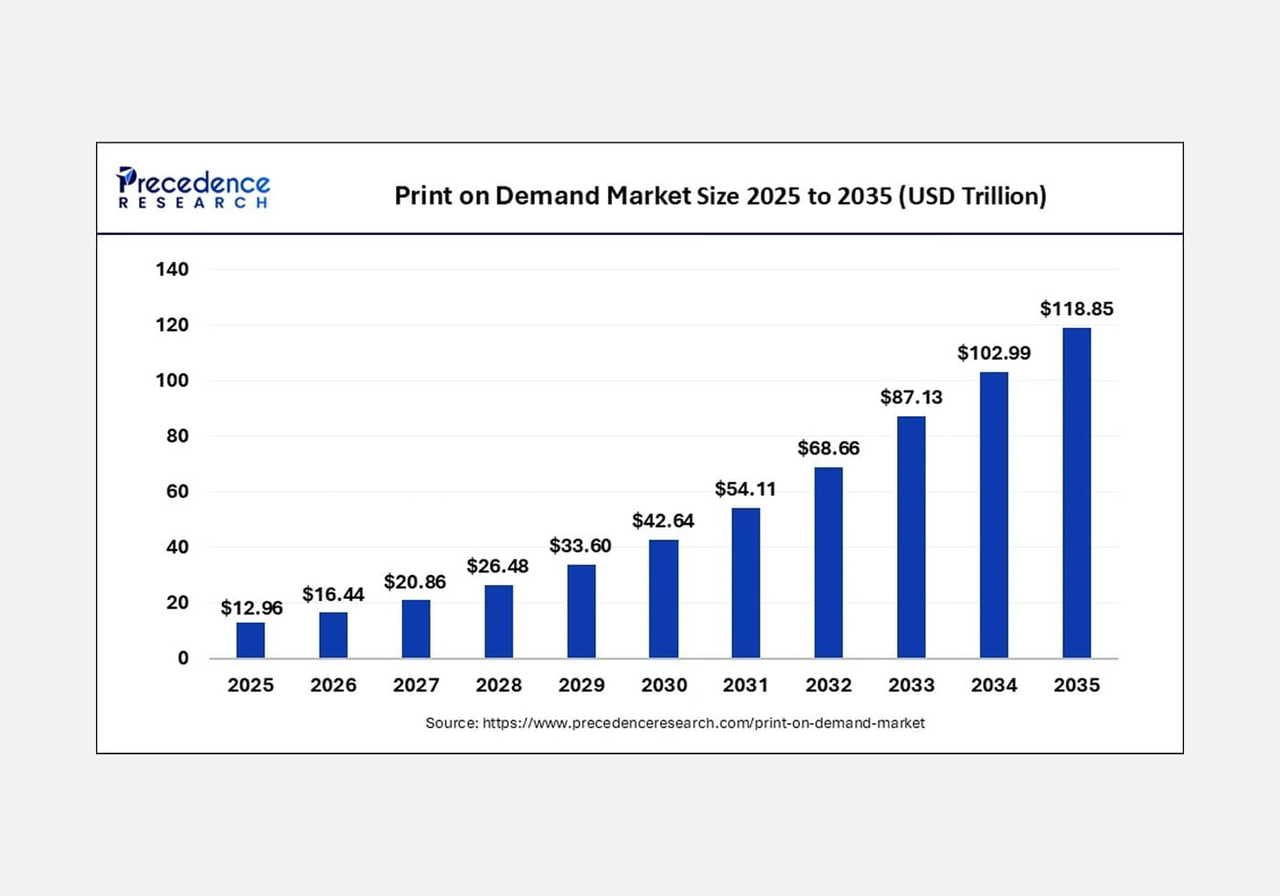
The global print-on-demand market size is currently valued at $16.44 billion and is projected to reach $118.85 billion by 2035, growing by roughly 25% annually. That puts POD among the fastest-growing segments of the eCommerce landscape.
Source: Precedence Research
This growth trajectory comes from simple shifts in consumer behavior. Buyers want personalized and unique products, faster delivery, and less waste.
On-demand printing solutions like Printful check all three boxes. Products are made only after a sale, which means lower upfront costs, less inventory waste, and far less guesswork than traditional manufacturing.
What this means for you: For sellers, POD makes it easier to test ideas and follow trends while growing an online business. As the print-on-demand market expands, brands that launch quickly, stay consistent, and respond to changing consumer preferences will gain a competitive edge.
2. North America leads the global POD market
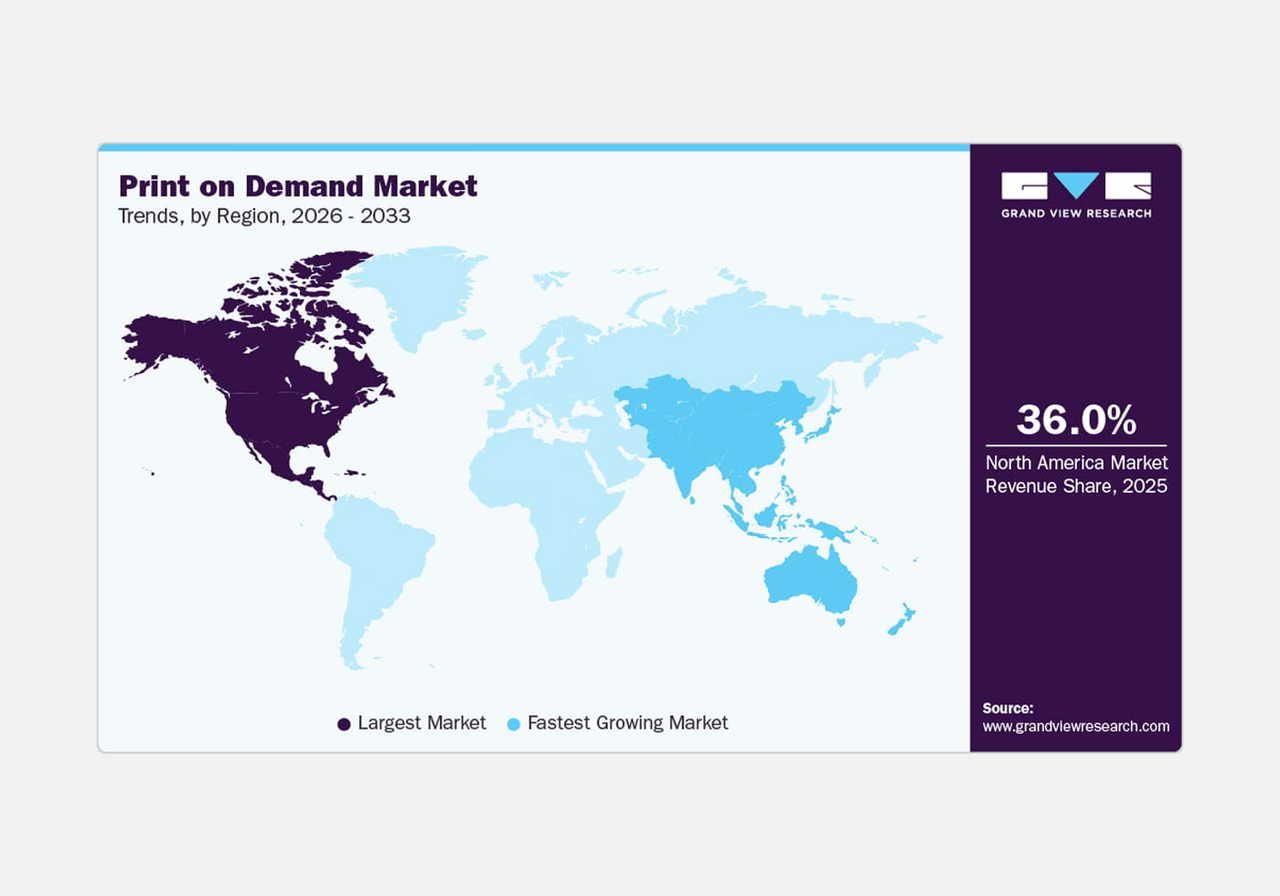
North America holds the largest print-on-demand market share, accounting for 36% of the global total. The region benefits from a strong eCommerce infrastructure, high online shopping adoption, and close proximity to fulfillment and production facilities.
Many established print-on-demand services, including Printful, operate in North America, which helps sellers deliver faster shipping and more consistent product quality.
For merchants selling to a US-based audience, this regional strength translates into smoother fulfillment and a better customer experience.
While North America leads today, other regions are gaining momentum. Asia-Pacific is projected to grow the fastest, with a 24.8% POD industry growth rate, driven by rising internet access, mobile shopping, and broader eCommerce adoption.
Source: Grand View Research
What this means for you: Working with print-on-demand platforms that offer a global production network helps you fulfill orders closer to your customers.
Learn more: Is Print on Demand profitable?
3. Personalized products are driving the US print-on-demand market trends
The US personalized gifting market was valued at $9.69 billion and is projected to reach $14.56 billion by 2030, growing roughly 7% annually.
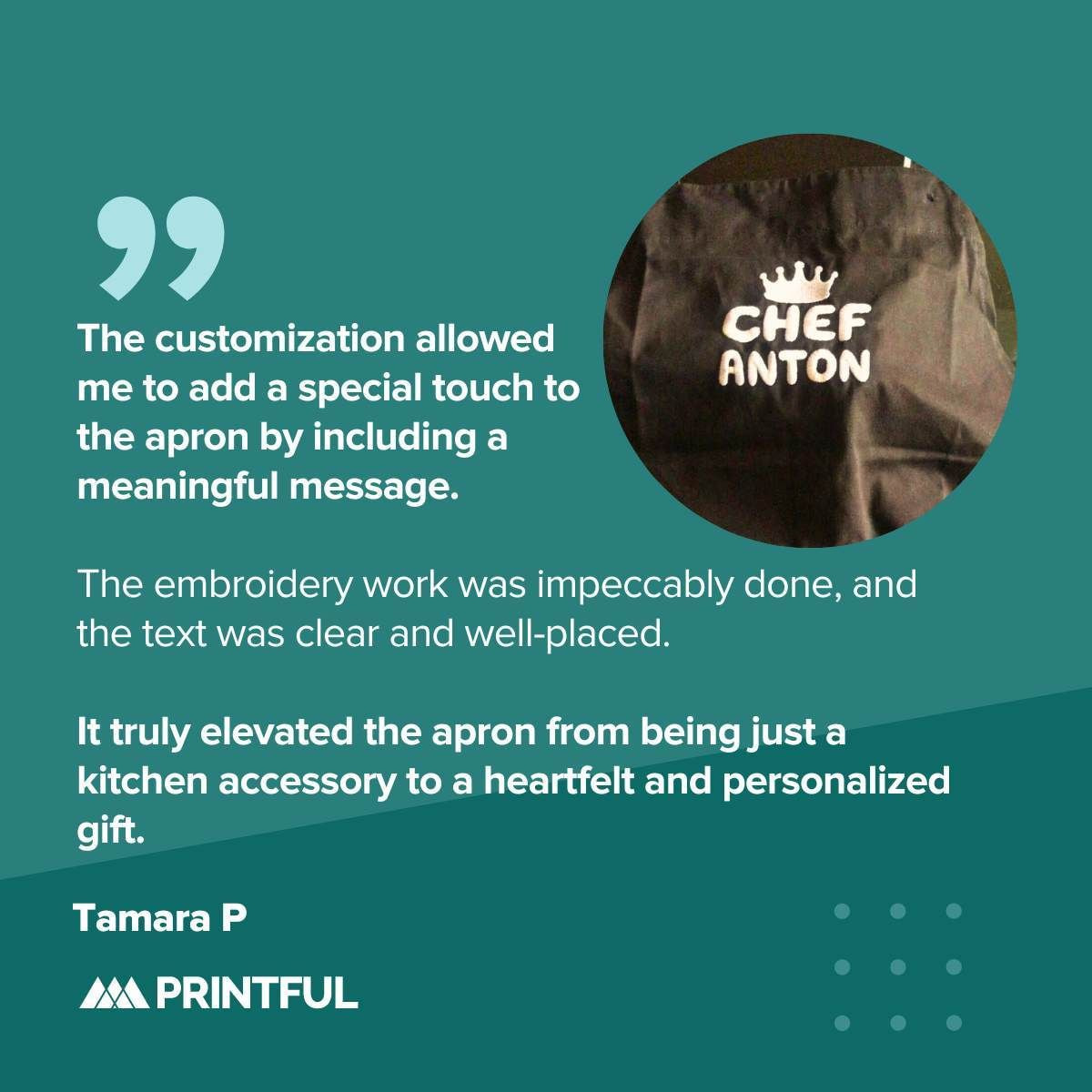
Categories like custom clothing, home decor, wall art, and personalized t-shirts are driving this significant growth. Consumer interest continues to shift toward more meaningful, personalized, and unique products that don’t feel mass-produced.
Source: Printful
This shift favors the print-on-demand business model, where products are made to order and customization doesn’t require bulk production or upfront inventory.
Personalized products also tend to build stronger customer loyalty and repeat purchases, since buyers form an emotional connection to something made specifically for them.
What this means for you: Personalized gifts sell. With Printful, you can take advantage of these print-on-demand statistics by letting customers add names, initials, or special messages to your product offerings.
Learn more: Customized product examples: Going beyond the ordinary
4. Sustainable fashion is on track to become a $27.96 billion global market by 2034
Globally, the sustainable clothing segment is valued at $12.44 billion and is projected to reach $27.96 billion by 2034, growing by roughly 11% annually.
For anyone tracking print-on-demand statistics, it means there’s real, rising demand for products where sustainability is the main selling point – not just a nice-to-have add-on.
What this means for you: Sustainable fashion isn’t just a trend – it’s here to stay. With Printful, you can filter the Catalog by eco-friendly products to cater to evolving consumer preferences.
Learn more: What is sustainable fashion, and can I dress cool while the earth is on fire?
5. 80% of consumers say they’re willing to spend more for sustainable products
And just how much more? On average, consumers are willing to pay 9.7% more for eco-friendly products. In fact, 46% of consumers say they’re already buying more sustainable products to reduce their environmental impact.
But stated intent and actual behavior don’t always line up. Consumers only follow through when products maintain conventional quality standards and back up their sustainability claims with specific, verifiable attributes.
That means using named certifications, providing exact percentages of recycled or organic content, and maintaining quality that holds up against non-sustainable options.

Source: Printful
The print-on-demand model fits this direction well. Since products are made to order, POD avoids the overproduction and excess inventory that drive waste in fast fashion.
Some of the fabrics and blank products in the Printful Catalog are certified according to OEKO-TEX® STANDARD 100, and the inks used in DTG and sublimation printing are certified under OEKO-TEX® ECO PASSPORT.
What this means for you: If you want to reach buyers who care about sustainability, lead with specific product attributes rather than blanket claims. That specificity is what turns interest into actual print-on-demand sales.
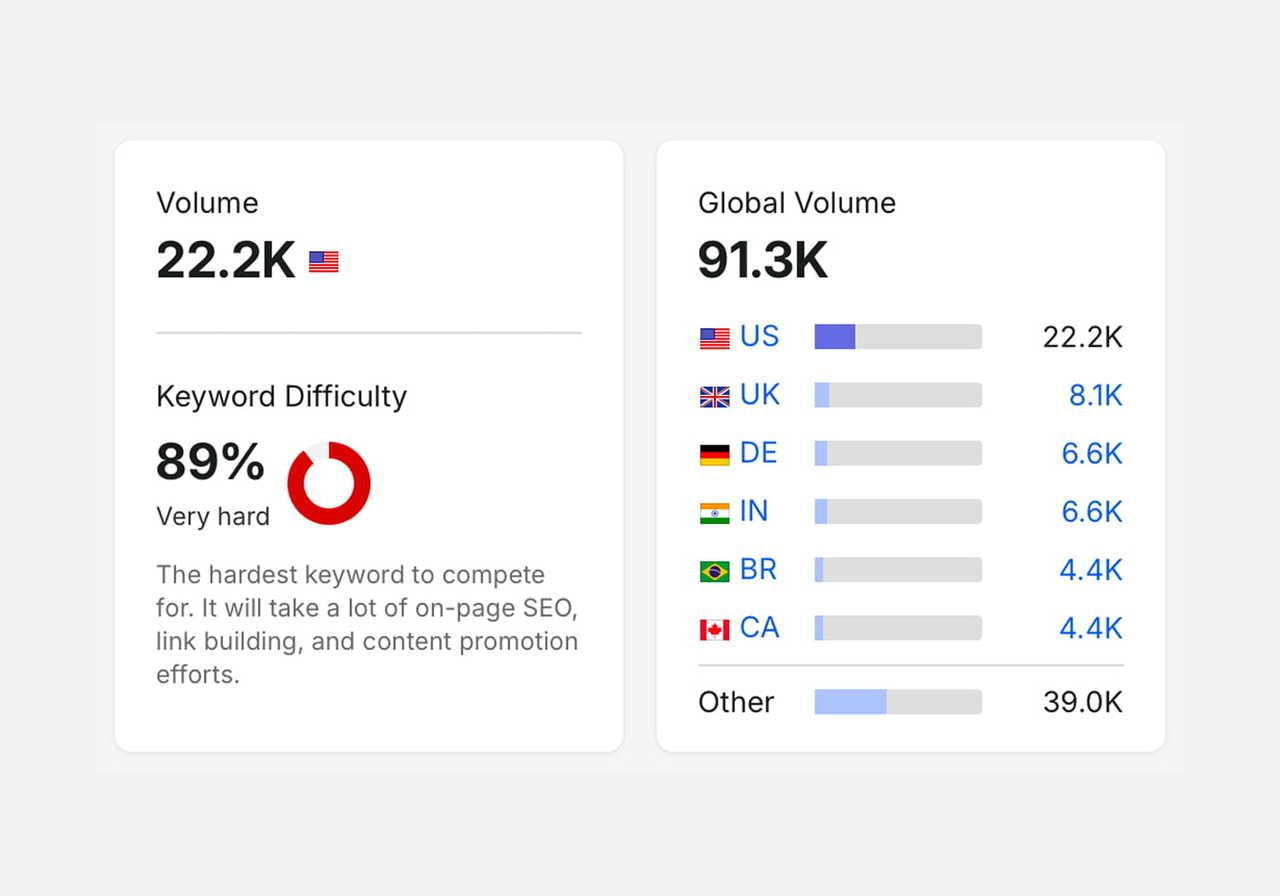
6. “Print on demand” gets over 91,000 global monthly searches, per Semrush
Source: Semrush
Every month, “print on demand” is searched on Google around 91,300 times worldwide, with the US accounting for the largest share. That reflects both a growing seller base exploring the business model and increasing buyer awareness of made-to-order products.
What this means for you: With more online sellers moving away from traditional manufacturing and entering the print-on-demand world, standing out takes a clear niche and product quality that keeps buyers coming back.
7. Apparel, home decor, drinkware, and accessories lead POD product trends
These products share a common trait: they’re everyday-use items shoppers replace, gift, or refresh often. Their ease of customization and broad design possibilities also enable sellers to respond quickly to emerging trends, from popular designs and color schemes to seasonal drops.
Apparel holds the largest revenue share of the global print-on-demand market, while home decor is the fastest-growing segment, projected to expand at roughly 28% annually through 2035.
What this means for you: Anchor your online store in proven categories like apparel and home decor for reliable demand. From there, experiment with other items like accessories and drinkware to stay ahead of shifting print-on-demand market trends.
Check out our customer Millian Couture, who started a clothing brand and made their debut at New York Fashion Week with print-on-demand products:


8. The top trending print-on-demand apparel products are t-shirts, sportswear, and leggings
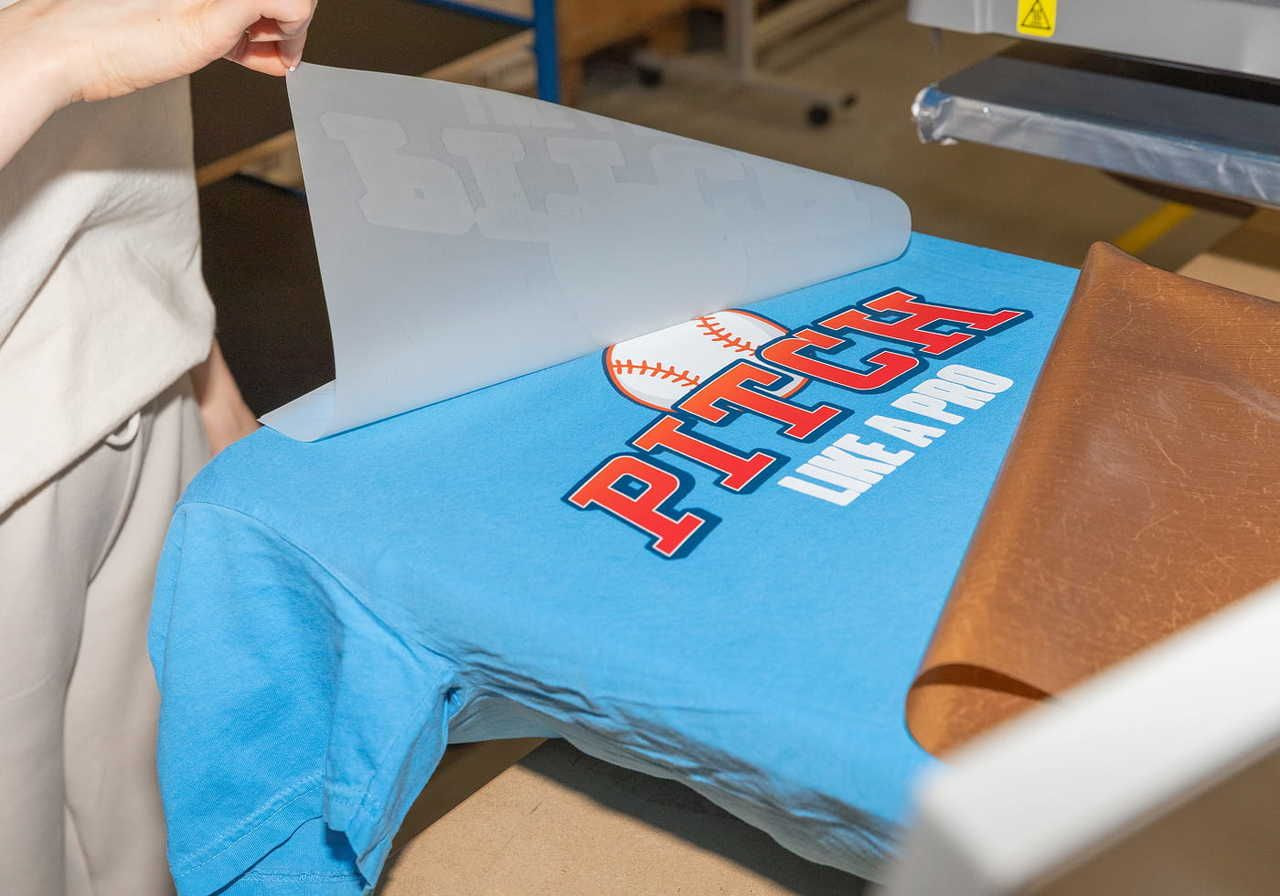
While print-on-demand companies have expanded into other printing techniques and products, custom t-shirts continue to lead apparel sales. Our own bestseller list tells the same story, with leggings, sportswear, and hoodies close behind – showing people still favor laid-back, comfortable fashion.
Learn more: T-shirt design trends
What this means for you: These print-on-demand statistics back up what most sellers already know: t-shirts, sportswear, and leggings are familiar to shoppers and ideal for testing new ideas. Once you find designs that sell, you can expand your product offerings.
9. Most print-on-demand sellers target profit margins between 20% and 40%
These print-on-demand profit margins give sellers enough room to cover fees and marketing in 2026 without sacrificing flexibility for discounts or growth.
That said, the exact percentage varies by the product, niche, and perceived value. Some print-on-demand sellers report profit margins as low as 10% for competitive basics, while others reach 50% or more on niche, premium, or personalized products.
What this means for you: Price your products in a way that supports your business growth without scaring customers away. As your brand grows, you can raise margins by offering personalization, premium materials, limited-edition designs, or product bundles.
10. Etsy hosts 5.7 million active sellers
That number has been growing 5.9% year over year.
Etsy is a primary storefront for independent creators in the print-on-demand space. Its production partner policy allows sellers to work with outside manufacturers, so you can offer custom apparel, home decor, and accessories without handling fulfillment yourself.
What this means for you: With millions of sellers already on Etsy, standing out means finding your own corner – a micro-niche or design style that gets you recognized at a glance. Printful integrates directly with Etsy, so you can connect your shop and sync orders automatically.
11. Fewer than 1 in 4 US retail businesses stay active long term
Roughly 25% of new retail businesses make it to their 20th year, with survival rates declining year after year as competition and operating costs increase.
While this data reflects physical and online retail stores as a whole, it lines up with what happens in POD. Getting started is easy, but staying active requires more than just launching products.
What this means for you: To increase your print-on-demand success rate, make sure to narrow your niche and stay responsive to consumer preferences. A clear focus makes it easier to stand out in a crowded market and build a brand people recognize and trust.
12. 90% of consumers say a promo product improves how they see the brand
Promotional products – commonly known as swag – represent a massive niche in POD, and consumer sentiment shows why.
On top of the 90% who say company merch improves brand perception:
-
83% say receiving one makes them feel appreciated.
-
65% keep a branded product for six months or longer.
Numbers like these show how promo products keep a brand top of mind long after the first interaction.
What this means for you: These print-on-demand statistics point to a real opportunity in the branded merch niche. With Printful and MerchShare, you can help businesses offer on-demand merch that employees are happy to wear, without dealing with bulk orders or leftover stock.
13. 35% of Etsy sellers keep 1-10 listings
Meanwhile, 25% have 11 to 30 listings, and only 3% run more than 1,000. In other words, most sellers stay lean, and the ones who succeed usually earn it through targeting rather than volume.
The same logic applies to POD. Adding products just to hit a monthly quota tends to dilute a print-on-demand store rather than grow it.
What this means for you: Treat your POD store as a testing engine. Launch new products to tap into a design gap, double down on winners, and retire underperformers.
14. Direct-to-garment printing (DTG) is growing roughly 11% annually
%20is%20growing.jpg)
The most popular POD technique, DTG, is projected to reach $9.1 billion by 2035. It prints full-color designs on cotton fabrics, requires no minimum order, and offers quick turnaround.
Providers like Kornit Digital keep pushing DTG forward with faster, more efficient equipment that helps production scale with demand.
Sublimation printing follows close behind, growing by roughly 10.7% annually, and is best for all-over prints.
What this means for you: Try different printing techniques to see what fits your products and audience best. Order samples to compare print quality in person and use them for product photography.
15. Around 10% of all Shopify stores use print-on-demand apps
Today, almost 315,000 Shopify stores use at least one print-on-demand app, out of roughly three million active Shopify stores worldwide.
Given how few steps it takes to launch a POD store on Shopify, that adoption rate makes sense. The platform’s app ecosystem makes it easy to connect an eCommerce site to a print-on-demand platform, automate fulfillment, and offer product personalization in a few clicks.
What this means for you: These print-on-demand statistics highlight why Shopify remains a strong starting point for new POD sellers. If you’re still weighing your options, check out our comparison of eCommerce platforms.
16. Online shopping now accounts for over 20.5% of global retail sales
Fueled by mobile buying habits and technological advancements, online shopping is becoming the default way people buy. Global retail eCommerce reached $6.42 trillion last year, growing 6.8% year over year and accounting for 20.5% of all retail sales worldwide.
What this means for you: You don’t need a physical storefront to build a real business. Selling online gives you global reach, lower overhead, and the flexibility to launch and scale on your terms.
17. Mobile devices drive 59% of global eCommerce sales
Mobile devices generated $2.51 trillion in global eCommerce sales last year – 59% of the total – and that share is projected to reach 63% by 2028.
Most of your buyers will find your store, browse products, and check out on a phone. A POD store that looks great on desktop but loads slowly or has a broken layout on mobile is quietly losing sales it never sees.
What this means for you: Test your storefront on your own phone before you launch. Check load speed, tap targets, checkout flow, and how product photos display on smaller screens.
18. Generative AI can lift online sales by up to 16.3%, with the biggest gains going to smaller sellers
Across seven AI-driven workflows tested on a major eCommerce platform, generative AI lifted sales by up to 16.3%, and AI-powered chatbots and search improved conversion rates by up to 22%.
Smaller, newer sellers gained more than established sellers. AI-powered chatbots handled customer questions that their small teams couldn’t, and AI-generated product descriptions closed the gap with brands that had bigger content budgets.
What this means for you: AI can take on the operational side of running an online store, freeing up time for the creative work only you can do.
Recapping print-on-demand statistics in 2026 – what’s next?
These print-on-demand statistics make one thing clear: POD has become a fast-growing, competitive space in the eCommerce industry. The key trends and market data from this list are hard to ignore:
-
The global POD market is scaling fast, with North America leading and Asia-Pacific catching up.
-
Apparel and home decor see the most print-on-demand sales, but drinkware, accessories, and branded merch open room to grow.
-
Sustainability-minded buyers respond to specific, verifiable claims, not blanket eco labels.
-
Print-on-demand stores can stand out through niche-market focus, mobile-friendly customer experiences, smart pricing, and thoughtful use of AI.
If you’re ready to turn momentum into action, sign up for Printful to sell custom products without inventory risk. Take advantage of the biggest print-on-demand trends in 2026 and build a scalable business with confidence.
Read next: Is Print on Demand worth it in 2026?
FAQ: Print-on-demand statistics
The print-on-demand market is projected to grow from $16.44 billion in 2026 to $118.85 billion by 2035, expanding roughly 25% annually. Rising consumer demand for personalization, faster fulfillment, and more efficient production is fueling this growth.
North America holds the largest share of the global print-on-demand market, accounting for 36% of the total. A mature eCommerce ecosystem, high online shopping adoption, and well-established fulfillment networks make it a leading region in the print-on-demand industry.
The most trending POD products fall into four main categories: apparel (t-shirts, hoodies, leggings, and sportswear), home decor (wall art, posters, and shower curtains), drinkware (mugs, tumblers, and travel cups), and accessories (bags, hats, and everyday add-ons).
A typical print-on-demand profit margin falls between 20% and 40%. Lower margins are common for competitive basics, while premium, personalized, or niche products can reach 50% or more, depending on pricing strategy and perceived value.
There’s no single benchmark for print-on-demand success rate statistics, but broader retail data shows that only about one in four new businesses stays active for two decades. Print on Demand follows a similar pattern – lasting success depends on niche focus, a clear selling point, ongoing testing, and adapting to consumer behavior.

Maisha is a content writer with 6+ years of experience in turning complex topics into clear, search-optimized content. She believes readability always wins, no matter how SEO trends shift. Outside of writing, she’s usually trying new recipes (but never following them), watching niche YouTube videos, or planning food-fueled adventures.

