


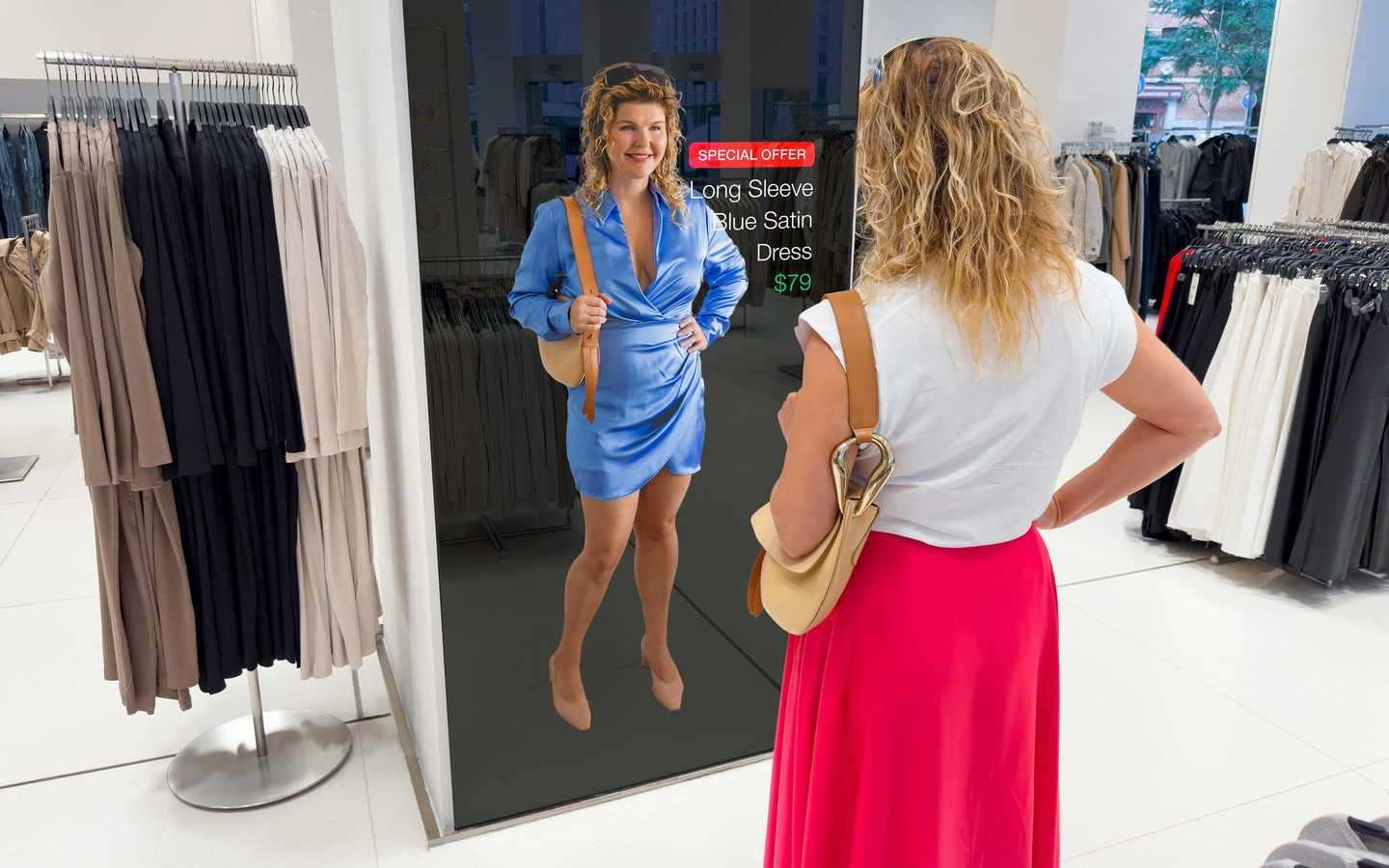
Table of contents
AI-generated prints, virtual try-ons, and hyper-personalized shopping experiences are just a few AI fashion trends shaping 2026. Today, fashion and AI go hand in hand as independent creators compete with major brands to spot trending styles, design products faster, and respond to customer demand.
Keep reading to learn how AI predicts fashion trends, which innovations are worth exploring, and how print-on-demand sellers can turn these insights into products they can launch in minutes.
What are AI fashion trends?
AI fashion trends are the styles, consumer preferences, and market shifts identified or influenced by artificial intelligence.
Unlike traditional trend forecasting, which relies heavily on manual research and expert opinion, AI fashion helps brands and independent creators identify emerging fashion trends faster.
The result? Quicker insights, decisions, and products that better reflect what customers are looking for.
How AI predicts fashion trends
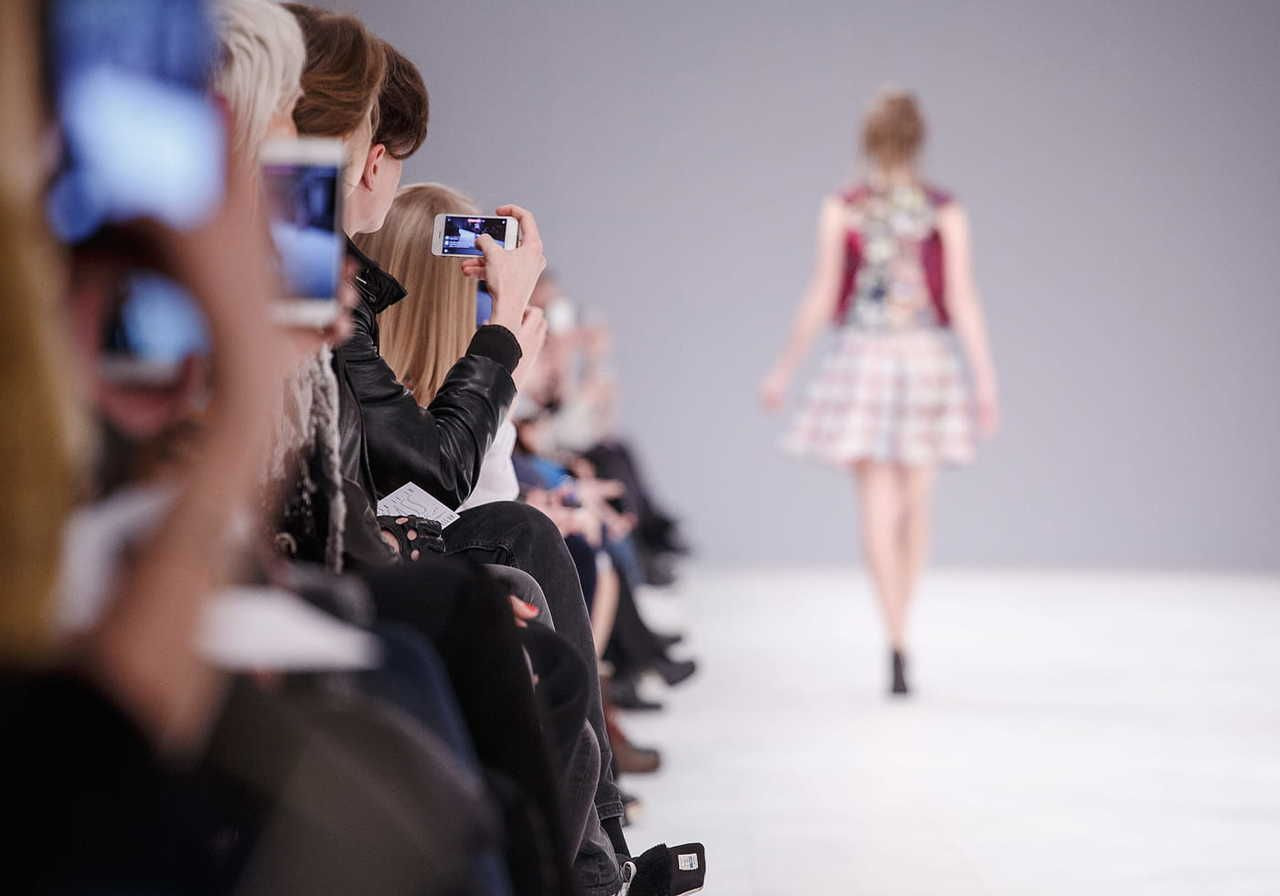
AI algorithms use trend prediction models to analyze social media, runway shows, search and purchase behavior, and cross-platform activity. Each source captures a different stage of how trends emerge, spread, and gain popularity.
Social media and image analysis
Social media is often where fashion trends take off. AI scans millions of photos, videos, captions, hashtags, and comments to spot new trends – colors, accessories, silhouettes, and styling details – before they become mainstream.
The 2026 Met Gala is a great example. The event generated nearly 1.7 billion global video views and more than 108 million social engagements, with Instagram, X, and TikTok flooded with red carpet looks and reactions.
AI can analyze those conversations and images almost instantly, picking up trends like colorful statement jewelry and bold red eyeshadow as they gain traction.
Tools like Heuritech and Brandwatch help brands monitor social media images, conversations, and customer sentiment in real time to identify future fashion trends.
Runway and fashion show data
Runway shows are often the first place where new colors, fabrics, silhouettes, and styling details appear. While not every look catches on, many runway trends inspire future collections and eventually make their way into everyday fashion.
AI compares looks across fashion shows, designers, and seasons to identify recurring patterns instead of one-off ideas. For example, peplum made a comeback in Spring/Summer 2026 collections, appearing in designs from luxury brands like Stella McCartney and ASHLYN.
When similar styles appear across multiple brands, AI can flag them as trends with broader potential.
Search and purchase behavior
While social media and runway shows reveal what’s catching people’s attention, search and purchase data show what shoppers actually buy.
AI analyzes search queries, product views, add-to-cart activity, and completed purchases to identify which styles are generating real demand instead of just creating buzz.
Early signals from tools like Google Trends, Semrush, and Exploding Topics help brands decide which products are worth developing, producing, or restocking.
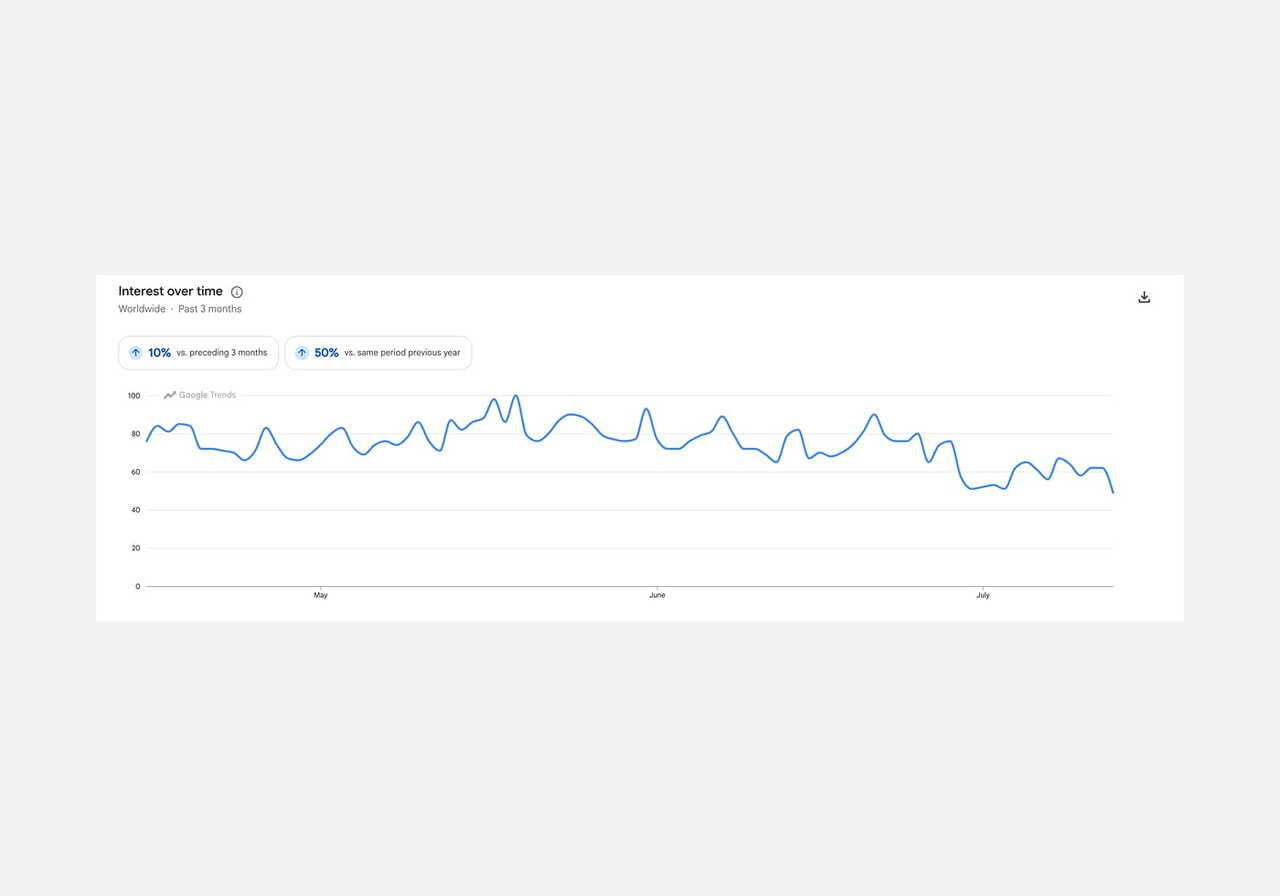
Source: Google Trends search for "summer dress"
Cross-platform trend correlation
No single source tells the whole story. A style might go viral on social media but generate little search interest, or receive plenty of searches without leading to sales.
By combining insights from social media, runway shows, and customer search and purchase behavior, AI builds a more complete picture of consumer demand.
This helps brands distinguish lasting trends from short-lived hype and make smarter decisions about product development, inventory planning, and marketing.


Key AI fashion trends shaping 2026
The biggest AI fashion trends aren’t limited to major brands anymore. Today, independent creators and smaller fashion companies can use the same technologies to design products faster, personalize customer experiences, and respond to changing demand.
Here are the top AI fashion trends you can capitalize on.
Trend 1: AI-generated prints and patterns
Generative AI makes it easy to turn ideas into original prints, patterns, illustrations, and graphics. With a simple prompt or reference image, AI tools can generate multiple design concepts in minutes.
Instead of replacing the creative process, AI helps speed it up. Designers can experiment with different color palettes, layouts, and artistic styles before refining the strongest concepts into finished artwork.
Adobe Firefly, DALL-E, and Midjourney are examples of generative AI tools that can help visualize fashion designs quickly. The ideas come from you. AI simply helps bring them to life faster.
Pro tip: If you plan to sell AI-assisted designs commercially, always check the licensing terms of your AI tool and make sure you have the rights to use every element in your final artwork. Not a designer? Read our guide on how to write prompts for AI art or hire a designer to create high-quality designs that are ready to sell.
Trend 2: Personalized product recommendations
AI stylists like Mango’s Mango Stylist and Ralph Lauren’s Ask Ralph offer personalized styling advice and product suggestions based on each shopper’s interests and preferences. These tools create a better shopping experience and give brands a better chance of converting browsers into buyers.
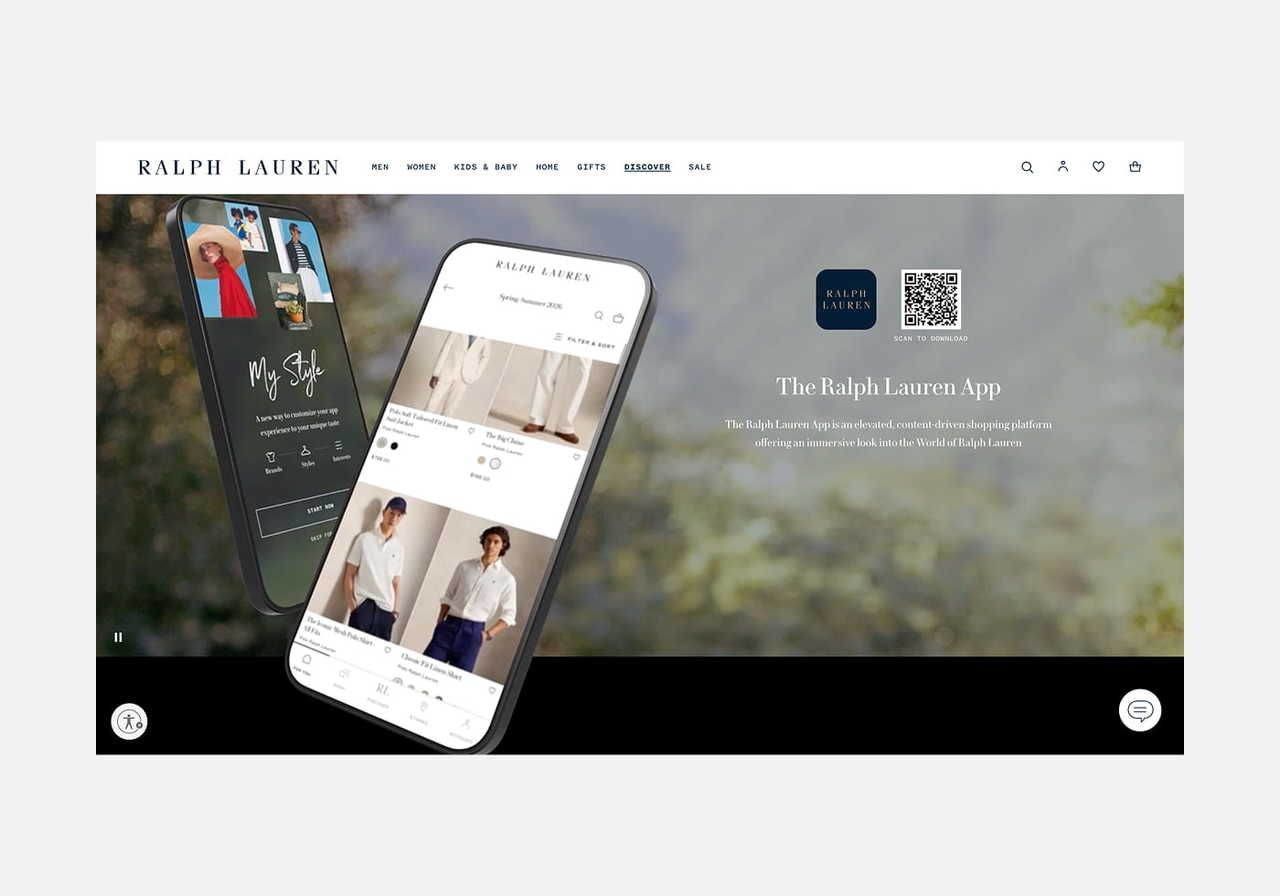
Source: Ralph Lauren
This reflects a broader shift toward AI-powered personalization. Browsing history, previous purchases, wishlists, and customer feedback help recommend products, styles, and outfits that feel more relevant to each customer.
Trend 3: Virtual try-ons and digital fitting
AI-powered virtual try-ons use augmented reality (AR) to let shoppers see how products might look before they buy. Whether it’s clothing, eyewear, or makeup, customers can preview different styles without visiting a physical store.
More confidence before checkout often means fewer returns and higher customer satisfaction.
A good example is Ray-Ban’s Virtual Try-on tool. After allowing the website to scan their face, shoppers can instantly see how different frames look on them. Customers can also receive frame suggestions based on the scan or enter their measurements manually to find a better fit.
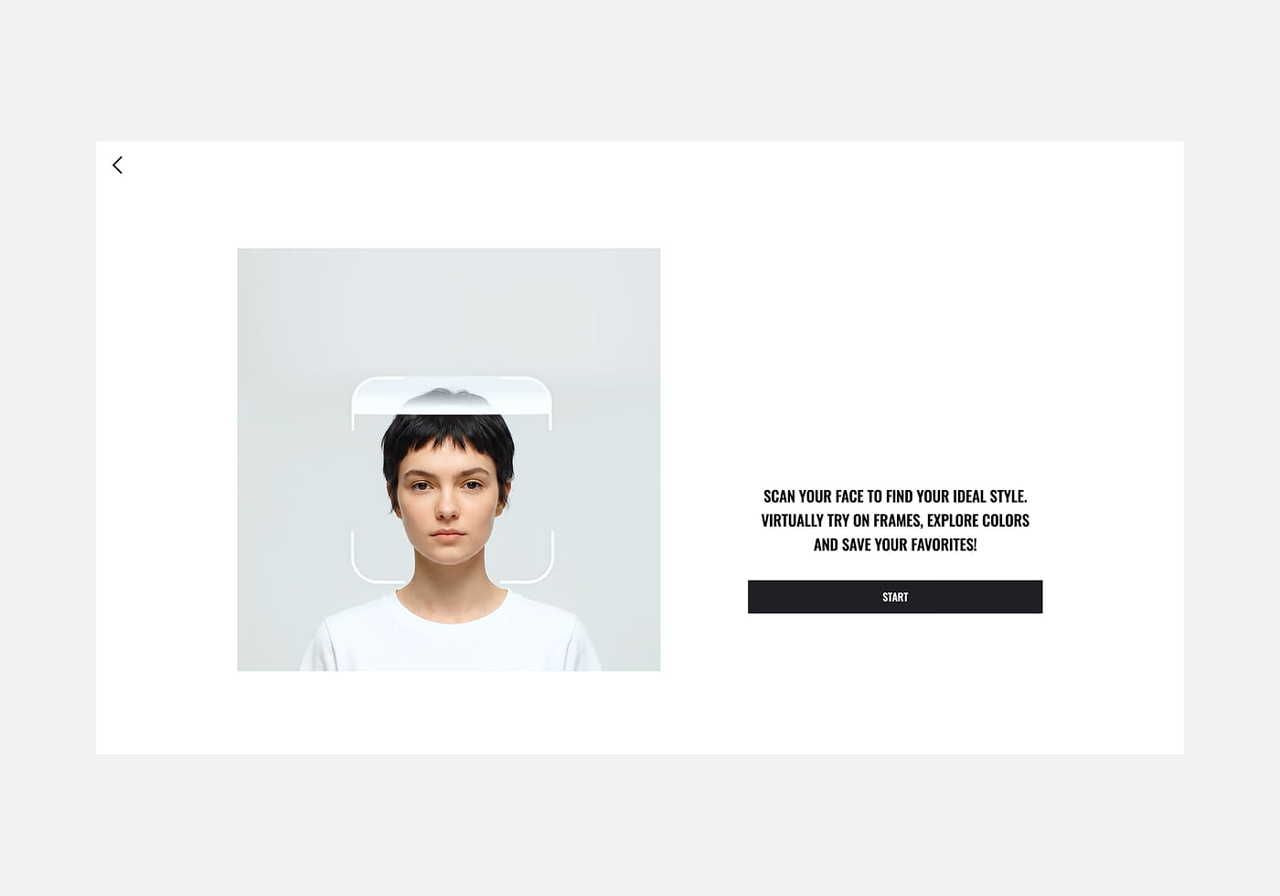
Source: Ray-Ban
Trend 4: Smarter production, less waste
Sustainability is becoming a bigger factor in how people shop, and AI helps brands keep up with those changing expectations.
Predictive analytics gives the fashion world a clearer picture of customer demand and market trends, helping brands identify promising new styles, plan production more accurately, and reduce waste.
The impact is even greater when combined with Print on Demand. We’ll revisit this when we look at what AI means for independent creators.
Trend 5: Faster micro-trends
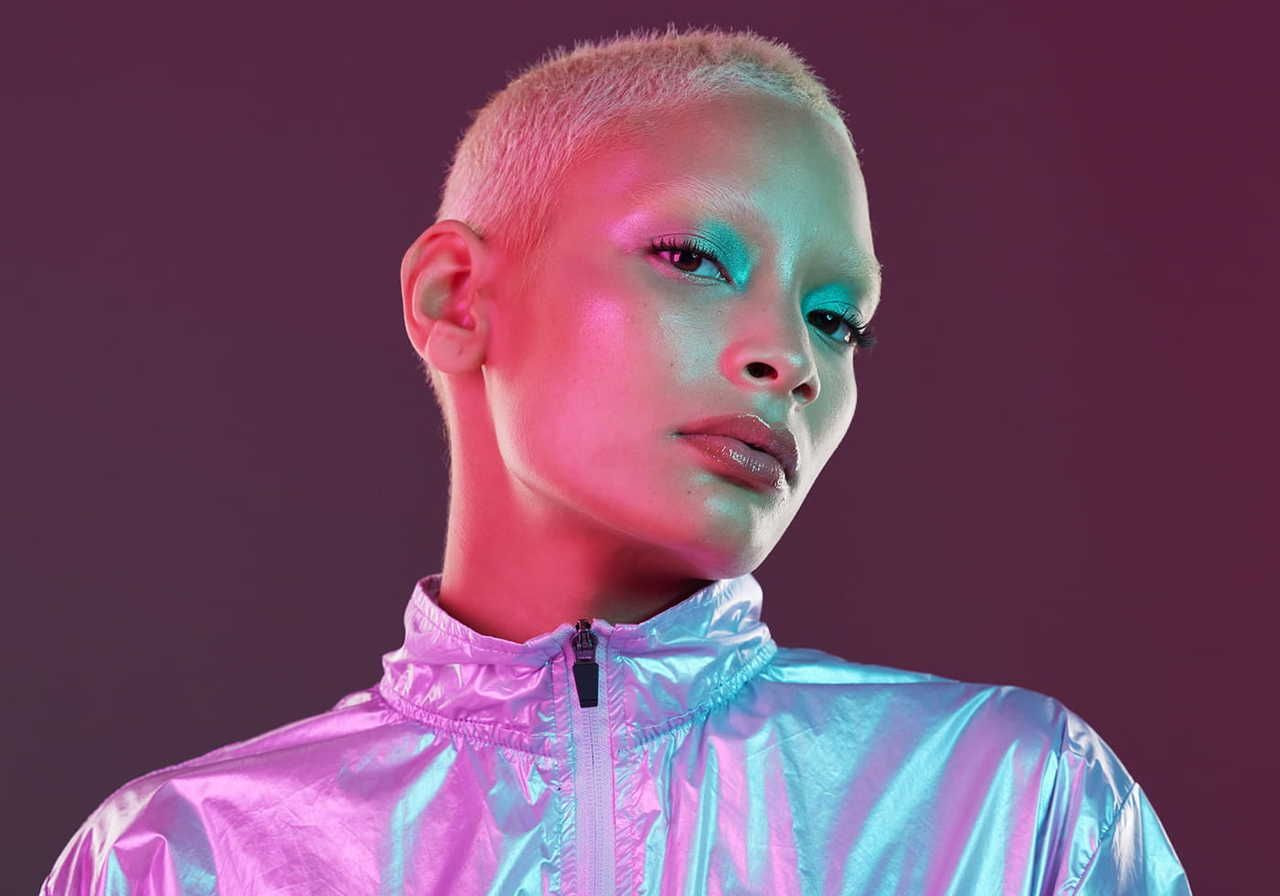
Onitsuka Tiger shows how quickly a fashion item can move from niche favorite to mainstream trend. Growing interest in Japan, rising tourism, and celebrity sightings from Bella Hadid to Hailey Bieber helped bring the brand back into the spotlight, turning its classic sneakers into a street-style staple.
This is exactly where AI makes a difference. Trends now build from several signals at once, including travel, celebrity style, social media posts, fashion bloggers, and search activity.
AI helps brands connect those signals earlier, pointing out trends before they reach the mainstream market.
Trend 6: AI-assisted design tools for independent creators
Not long ago, many AI design tools were only practical for larger companies with dedicated teams and budgets. Today, independent creators can access many of the same capabilities without a large investment.
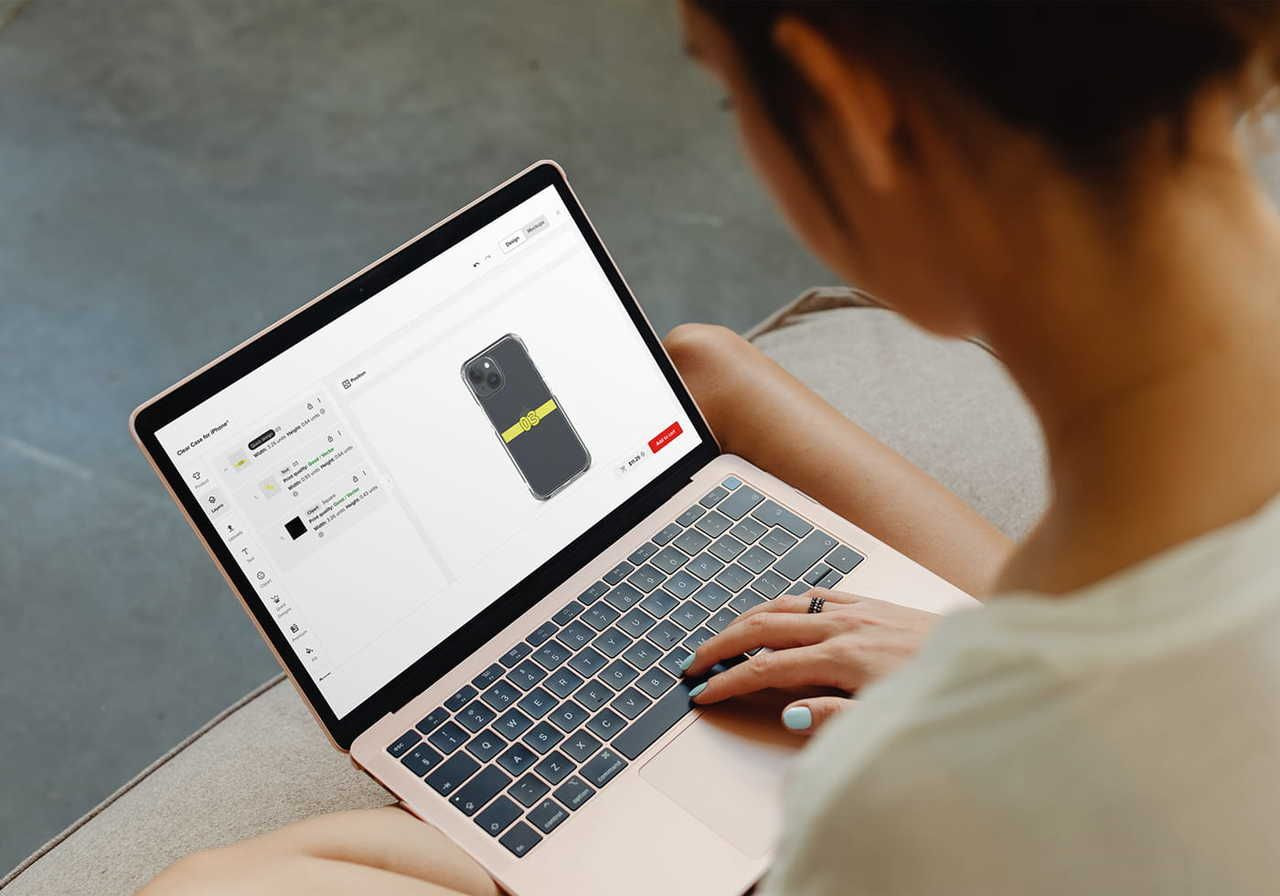
Tools like Printful’s Design Maker bring several AI-powered features into one platform. You can remove image backgrounds, upscale graphics, generate repeat patterns from your own artwork or pre-made graphics, create product mockups, and prepare designs for printing without switching between multiple tools.
Keeping everything in one place saves time, reduces costs, and lets you focus more on creating.
How the fashion industry is using AI today
Artificial intelligence is now part of almost every stage of the fashion sector. Many fashion companies use it to forecast demand, improve customer experiences, and make smarter operational decisions before, during, and after a product launch.
Trend forecasting and demand planning
Fashion companies start planning new collections months before products reach the market. AI-driven trend forecasting combines historical data, real-time market signals, and vast datasets to predict trends and forecast demand more accurately.
Machine learning, predictive analytics, and data analytics give teams the insights they need to plan collections, estimate production, and respond to changing demand with greater confidence.
Personalized recommendations and customer experience
The shopping experience doesn’t end when someone lands on a product page. AI models help brands recommend more relevant products, send personalized emails, and tailor promotions based on customer preferences.
More relevant recommendations create a better customer experience and can encourage repeat purchases. As AI continues to improve, brands can connect the right products with the right consumers more effectively.
Supply chain optimization
Modern supply chains generate so much data every day, and many companies use AI to turn it into useful insights. Brands can then align production with demand and respond quicker when market conditions change.
Better planning can reduce delays, avoid excess inventory, and keep products moving efficiently. That’s why many fashion and sportswear brands like Nike and Zara continue investing in AI across their operations.
What AI fashion trends mean for POD sellers and brands
AI is only valuable if it helps you make better business decisions. For print-on-demand sellers and smaller brands, today’s AI models make it easier to spot opportunities, validate ideas, and launch products before trends lose momentum.
AI levels the playing field
Keeping up with fashion once meant spending hours researching runway shows, social media, and market reports before you could even start designing.
AI cuts that research time dramatically, helping independent brands identify key trends and new opportunities much faster.
Faster insights mean you can design, launch, and start selling while a trend is still gaining momentum instead of after larger brands have already captured attention. AI doesn’t replace creativity – it simply gives you more time to act on your ideas.
Bring trends to market faster
Print on Demand makes it easy to turn AI-generated fashion trends into products without buying inventory upfront. Once you’ve identified a promising idea, you can create a design, publish it, and start selling without committing to large production runs.
That flexibility makes it easier to test new fashion designs, explore different niches, and respond quickly as customer demand changes. If a trend takes off, you can keep selling. If it doesn’t, you can move on to the next idea without being left with unsold inventory.
Printful makes the process even easier. In-house fulfillment helps maintain consistent product quality, reducing costly errors and unnecessary waste. As your business grows, you can expand into new apparel styles and accessories from a single platform, reach customers through global fulfillment, and strengthen your brand with white-label packaging and branding options.
Start your AI-driven POD business with Printful
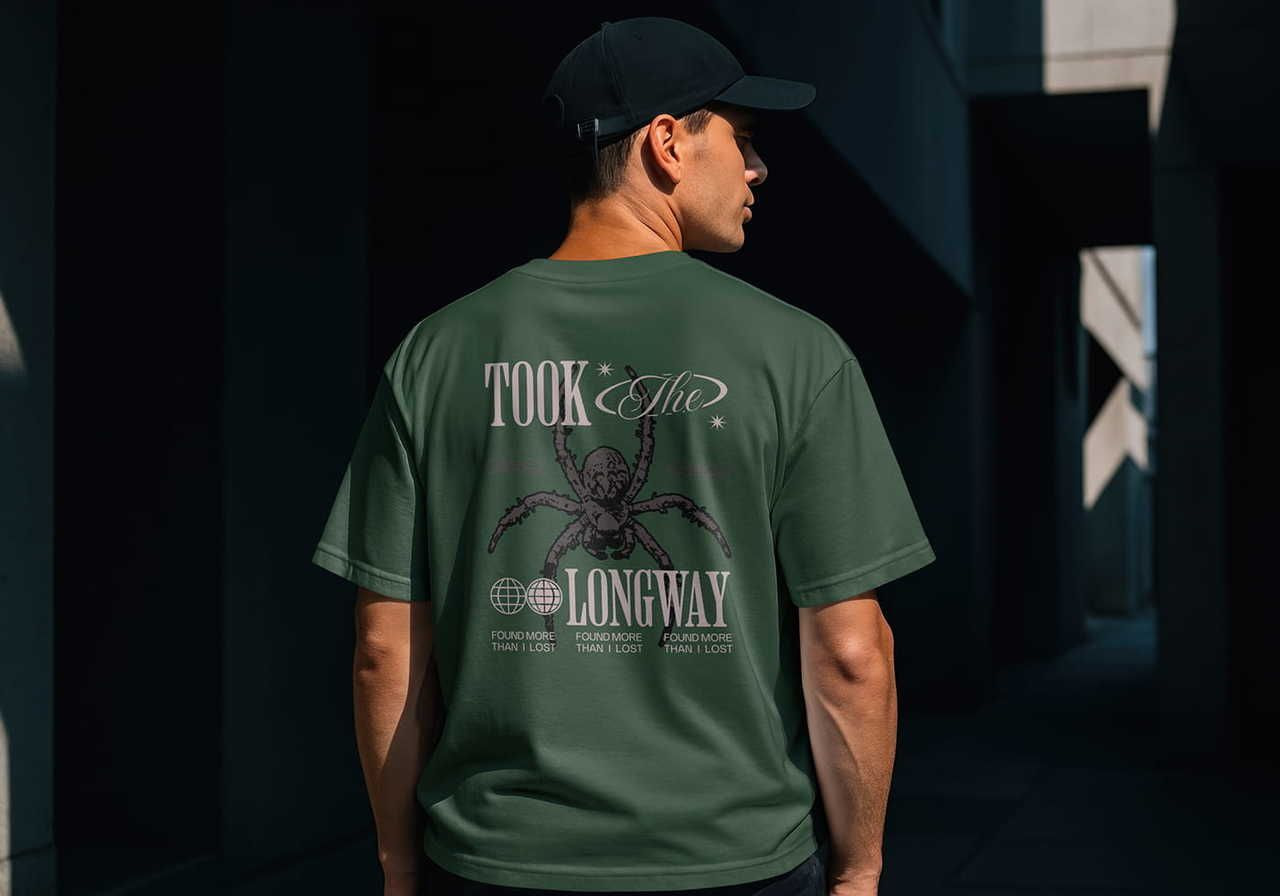
Turn AI-powered trend insights into custom clothing with Printful. From creating products to automated fulfillment, everything you need to launch and grow your business is in one place.
1. Sign up for Printful
Create your free Printful account and connect it to your preferred eCommerce platform or marketplace using our built-in integrations. This automates fulfillment from one dashboard.
2. Choose your apparel
Use AI trend insights to identify styles that are gaining momentum. Choose from Printful’s wide range of custom clothing, including t-shirts, hoodies, sweatshirts, and more to match your niche and audience.
3. Create your custom clothing
Create new outfits using Printful’s Design Maker. Upload your own artwork or create designs using built-in graphics, fonts, and AI-powered tools.
4. Publish your products
Add product descriptions, set your prices, and publish your listings to your online store or marketplace. When an order comes in, Printful prints, packs, and ships it directly to your customer.
Conclusion
Advanced artificial intelligence is changing how brands discover emerging trends, but human creativity is still what turns those insights into products people want to wear. The best results come from combining both.
Ready to put AI to work? Sign up for Printful, create your first custom clothing collection, and start selling without inventory or upfront costs.
FAQ
Some of the biggest AI fashion trends today include AI-generated prints, personalized product recommendations, virtual try-ons, smarter demand forecasting, faster micro-trends, and AI-assisted design tools.
These innovations help brands and independent creators create products faster, respond to changing demand, and improve the customer experience.
AI is used throughout the fashion industry to support design, trend forecasting, personalized shopping experiences, virtual try-ons, and supply chain management.
Brands also use artificial intelligence to analyze historical data, customer behavior, and market trends, helping designers make more informed decisions, reduce waste, and respond to changing demand more quickly.
The future of AI in fashion looks increasingly practical as more brands adopt it to improve everyday operations. Nearly 74% of fashion companies already use AI for trend forecasting and inventory management, helping them reduce waste and plan more efficiently.
As AI models continue to improve, expect faster future fashion predictions, smarter personalization, and better support for human creativity rather than replacing it.
Absolutely. Small brands can use AI to identify emerging trends, predict demand, and make more informed product decisions without a large budget or dedicated research team.
Tools like Google Trends, Semrush, and Exploding Topics help track search behavior, social media, and market trends, making AI-driven trend forecasting more accessible than ever.

Jordana is a content writer with over 6 years of experience in content writing and technical writing. Her not-so-secret passion is breaking down complex ideas into clear, straightforward content, whether it's explaining tech concepts or crafting stories that connect. When she's not writing, you'll find her enjoying good sushi or falling down movie trivia rabbit holes.

