



Table of contents
Let’s look at the best blank t-shirts for bulk printing and explore fabrics, fit, price, and finish. From premium brands to lifestyle brands, find solutions for printing company merch, event apparel, and retail-ready drops.
Keep reading to find the right blank t-shirt for your design, and get quality materials without wasting budget on shirts your customers won’t wear.
What to look for in blank shirts for bulk printing
The best blank shirts for bulk printing have the right fabric weight, a print-friendly surface, enough colors and sizes, and a price that still works at volume.
For custom printing, don’t choose based on unit cost alone. Match the shirt to the design, printing method, audience, and how people will actually wear it.
Fabric weight and blend
Fabric determines how the shirt feels, how it hangs, and how well it handles ink, film, or thread. For wholesale blank t-shirts, the usual sweet spot sits between comfort and structure – not too thin, not stiff, and not so heavy that buyers avoid wearing it.
For everyday custom tees, cotton remains the default because it feels familiar, prints well, and suits casual apparel. Ring-spun cotton feels soft because the fibers go through extra twisting and thinning before spinning. That usually gives the shirt a smoother feel than standard cotton.
Blends also deserve a place in bulk orders. Cotton-poly shirts can hold shape well and often dry faster. Tri-blends add stretch and a lighter hand feel, which suits retail merch and fitness-focused collections.
Choose fabric by use case:
-
Events and giveaways – Use durable cotton or cotton-poly shirts at a good price.
-
Retail merch – Choose ring-spun cotton, tri-blend, or premium blanks.
-
Workwear – Prioritize durability and fit consistency.
-
Activewear – Consider polyester or moisture-wicking blends.
Print compatibility
A shirt can feel good and still print badly. For bulk orders, the print surface matters because every shirt has to carry the same artwork without random texture, fading, or placement issues.
-
For direct-to-garment (DTG), use shirts with a super smooth surface and a tighter knit. DTG works especially well on cotton-rich shirts because the ink bonds with the fibers.
-
For direct-to-film (DTF), the film transfer can work across more fabric types, including cotton, blends, and polyester – useful when you need one design across different garments.
-
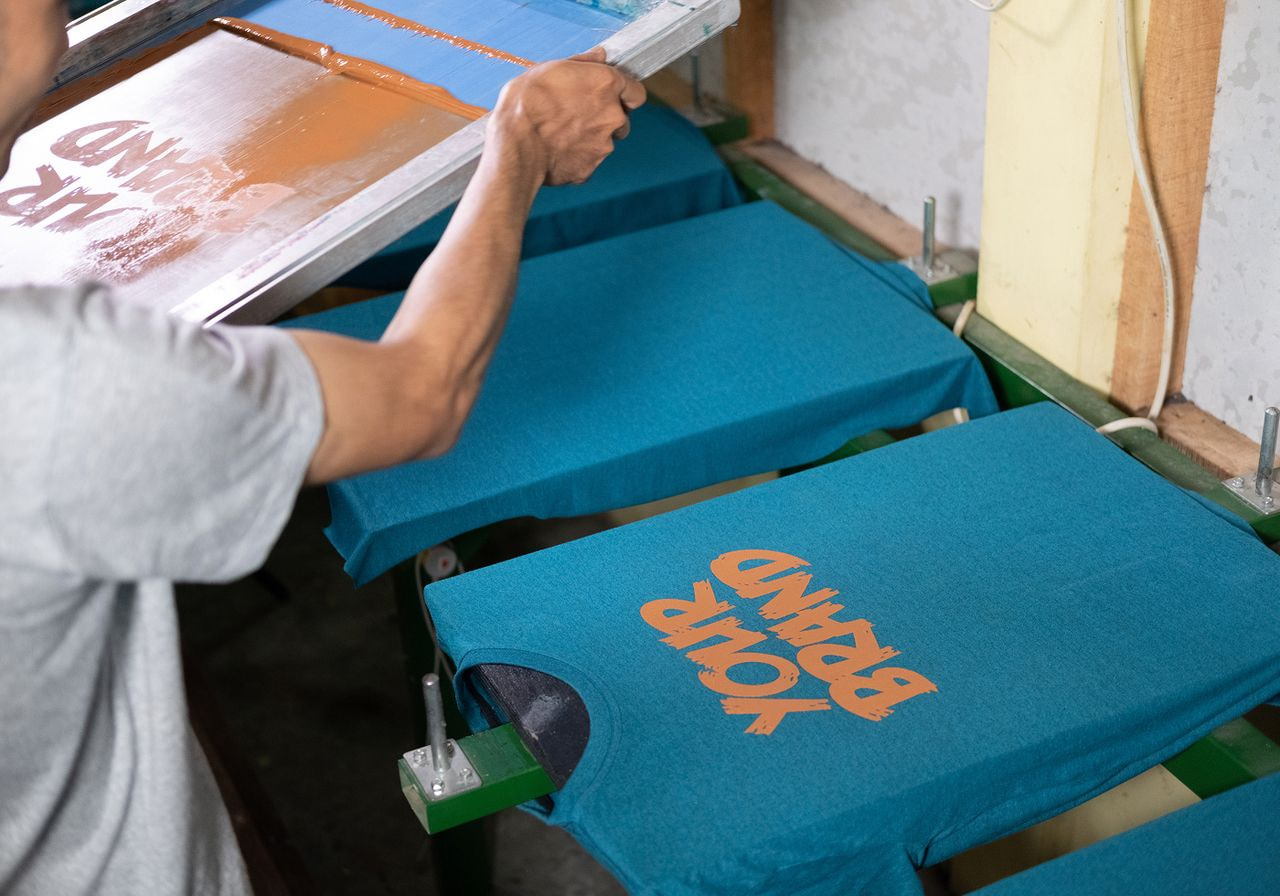
Screen printing is good for larger runs with fewer colors, especially when you want bold artwork on t-shirts in bulk.
-
All-over print (AOP) fits full-coverage artwork across the garment, but it requires specific materials – synthetic for standard AOP, cotton for Printful’s exclusive All-Over Cotton method.
A design with tiny details needs a different shirt than a bold one-color logo. Match the artwork to the method before choosing the blank clothing.
Color range and size availability
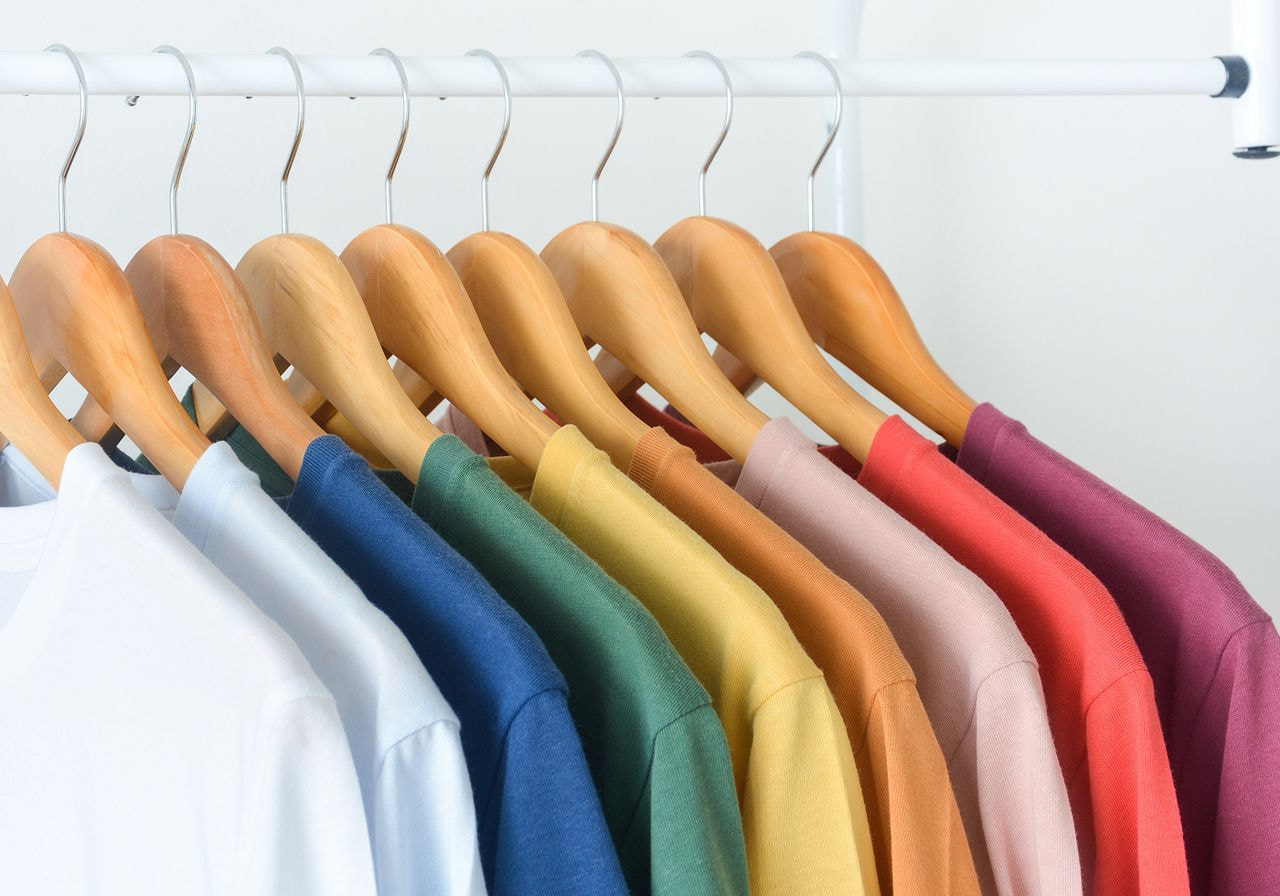
Bulk printing gets messy when a shirt looks good in one color but fails in the full order. Check color range, size availability, and how often the blank apparel stays in stock.
For staff shirts, events, and bulk orders, choose a shirt with a sufficient size range for the group. For merch drops, check whether the brand offers colors that fit your collection – neutrals, seasonal shades, bold hues, or that subtle heathered look buyers love from casual apparel.
A good color range also helps you test without rebuilding the product from scratch. Start with black, white, navy, and heather gray, then add more shades if you’re happy with the print result.
Price per unit at volume
Price matters, but the cheapest shirt isn’t always the answer. The real cost includes the blank, printing method, placement, shipping, possible setup fees, and returns if the shirt disappoints.
When buying custom t-shirts in bulk, find the best bulk discounts to bring down the per-shirt price without sacrificing quality.
Best blank t-shirt brands for bulk printing
Some shirt brands work better for budget events. Others suit fashion-forward merch, premium drops, uniforms, or retail collections. The right blank t-shirt brand depends on who gets the shirt, how often they’ll wear it, and how much margin you need after printing.
Here are the main bulk-friendly brands to compare before placing an order.
Gildan
Gildan wins when price and availability matter most. It’s a practical choice for events, staff shirts, campaigns, fundraisers, and bulk orders with a tight budget.
A Gildan t-shirt made from standard cotton won’t feel as refined as top-shelf fashion brands, but it gives you durability, extensive sizing, and a good price. That makes it useful when you need shirts for a crew, conference, school, charity run, or warehouse team.
Best for: Budget-conscious bulk orders, event merch, staff shirts, and large group apparel.
Watch for: Some Gildan styles feel more structured than retail fashion blanks. Order a single shirt before committing to 100+ pieces.
Bella+Canvas
Bella+Canvas sits in the sweet spot for sellers who want a softer hand feel without moving into luxury pricing. The Bella+Canvas 3001 uses Airlume combed and ring-spun cotton, which gives it a more refined surface than many basic event tees.
The Bella+Canvas 3001 is perfect for lifestyle brands because the fit feels more retail than giveaway. It suits minimal logos, creator merch, merch tables, brand drops, and online stores selling custom tees.
Best for: Retail merch, creator stores, custom t-shirts, and brands that want a soft, wearable staple.
Watch for: A slimmer retail fit may not work for every audience. Check size charts and order samples before bulk buying.
Comfort Colors
Comfort Colors’ garment-dyed blanks have a lived-in look before you print anything on them. That makes them perfect for vintage-style merch, band tees, beach brands, campus shops, coffee shops, and relaxed apparel drops.
The fabric has more texture and weight than many basic tees. That can make simple artwork feel more expensive, especially when the design matches the faded color palette.
Best for: Vintage-inspired merch, lifestyle brands, casual collections, and designs that feel lived-in from day one.
Watch for: The garment-dyed finish creates natural variation. That’s part of the appeal, but it may not suit brands that need exact color matching across every shirt.
Next Level Apparel
Next Level Apparel is made for sellers who want soft fabric, modern fits, and flexible style options. The brand offers cotton shirts, blends, tri-blend styles, tank tops, and other apparel suitable for retail merch, team gear, and casual brand collections.
Next Level can also make sense when Gildan feels too basic, and Bella+Canvas doesn’t quite match the fit you want. It gives sellers more room to play with silhouette and fabric blend.
Best for: Modern clothing lines, fitted shirts, activewear-focused merch, and sellers comparing mid-range premium options.
Watch for: Blends can behave differently across DTG, DTF, and embroidery. Match the garment to the print method before ordering.
Honorable mentions – from everyday to premium blanks
Other brands can fill gaps in your catalog.
-
American Apparel is great for retro-inspired basics and classic silhouettes.
-
AS Colour works for elevated everyday blanks.
-
Cotton Heritage fits heavier apparel and premium fleece.
-
Stanley/Stella works for brands that want organic cotton or recycled-material options.
Don’t treat one brand as the winner forever – choose different brands when the occasion calls for it.
Cheap t-shirts in bulk for printing: How to find the best deals?
The best deal isn’t always the lowest price. A low-cost blank saves you money initially but can end up costing more later if wearers complain about fit, the print fades after a few washes, or the shirt feels like a one-time event freebie.
To find the best deal, compare the best blank t-shirts by:
-
Fabric – Cotton, cotton-poly, tri-blend, or polyester.
-
Feel – Soft versus structured.
-
Printing method – DTG, DTF, AOP, embroidery, or screen printing.
-
Available sizes – Missing sizes can break a bulk order.
-
Colors – Pick colors that fit your brand and artwork.
-
Unit price – Compare the cost after bulk discounts.
-
Minimum order – Check when volume pricing starts.
-
Use case – Staff uniforms, merch, giveaways, retail, or events.
For sellers building a custom apparel line, Printful makes bulk ordering simple – just use the bulk calculator on qualifying products in our Catalog.
For tight budgets, start with Gildan. For a softer feel at a moderate jump in price, compare Bella+Canvas and Next Level. For a more stylish blank, check Comfort Colors.
Valuable read: How to start a clothing brand
Custom apparel printing in bulk: How does the process work?
The first step of bulk printing is deciding what you need it for. A staff uniform, merch drop, and festival tee all need different shirt styles, print methods, and price points.
Here’s how to build the order without guessing.
Choose a printing method for large orders – AOP, DTG, or DTF printing
The right blank should match the printing method and your artwork.
-
DTG is best for cotton-rich shirts and detailed artwork. DTG prints ink directly onto the blank tee, which makes it a practical option for full-color graphics, illustrations, and smaller design batches.
-
DTF printing is amazing for sharp designs across more fabric types. DTF transfers the design from film to fabric and can work well on cotton, blends, and polyester. It fits logos, text, and bold color designs on different shirt styles. Printful’s DTFlex takes it a step further, offering more vivid results and a less plastic-y feel.
-
Use AOP for full-coverage artwork. AOP works best for seam-to-seam prints. It suits pattern-based shirts, activewear, and statement apparel.
-
Choose embroidery for logos and heavier garments. Excellent on hats, polos, sweatshirts, and selected shirts when the design uses simple shapes and readable text.
-
Use screen printing for very large orders and simple artwork. Screen printing can make sense for high-volume runs with limited colors, but setup requirements and minimums vary by supplier.
Set up fees and minimum order quantities
Bulk printing often comes with two questions – how many shirts do you need, and does the method require setup fees?
At Printful, you can place a single order or buy t-shirts in bulk. Bulk discounts for t-shirts start at 25+ items and can reach up to 32%, depending on the order. That gives your shop room to test a sample first, then scale when you’re ready.
Some methods may involve extra setup work. For example, embroidery requires digitization because the design must be converted into a stitch file before production (free for bulk orders at Printful). Screen printing requires screens and setup based on the design.
Before ordering, confirm:
-
Quantity – Does the supplier require a minimum order?
-
Blank – Does the shirt match the print method?
-
Artwork – Does the file meet print requirements?
-
Placement – Chest, back, sleeve, or all-over?
-
Color count – Does the method handle the artwork?
-
Deadline – Does production plus shipping meet the event date deadline?
-
Budget – Does the final price still leave enough margin?
Order a sample first to catch any issues with fit, fabric, and print quality before committing to a full bulk run.
Find the right blank and start printing with Printful
The best blank t-shirts depend on what you need them for. Choose based on fabric, printing method, audience, budget, and durability.
Think about the final product you want to create. Cotton is a go-to for everyday tees, while polyester works well for activewear. From there, choose a decoration method – like DTG, DTF, embroidery, AOP, or screen printing – that suits your design and desired finish.
With Printful, you can test a product before committing to a larger run. Sign up and place a single order to check the fit, fabric, and print quality, then switch to bulk orders when you’re ready to outfit a team, stock merch, or launch a bigger apparel drop.
FAQ
The cheapest blank t-shirt for bulk printing usually comes from value-focused brands like Gildan.
But don’t judge by price alone. Order a sample and check the garment fabric, fit, print method, and whether the shirt withstands wash and wear well.
At Printful, bulk t-shirt pricing starts at 25+ items, and discounts can reach up to 32% depending on the order.
You can still place a single order first to test the garment, then get custom t-shirts in bulk when you’re happy with the fit, print, and quality.
The best fabric depends on the print method. Cotton and ring-spun cotton work well for DTG because they provide a better surface for the ink. Cotton-poly blends and polyester are great with DTF.
For quality tees, choose something with a great fit and soft fabric that matches your budget, artwork, and occasion.

Zane is a sharp-witted writer with a deep interest in eCommerce, branding, and creative entrepreneurship. With a knack for blending humor, insight, and no-nonsense advice, she crafts engaging content that helps merchants learn and businesses grow. When she’s not dissecting industry trends, she's exploring philosophy, music, and the perfect balance between solitude and connection.

