


Table of contents
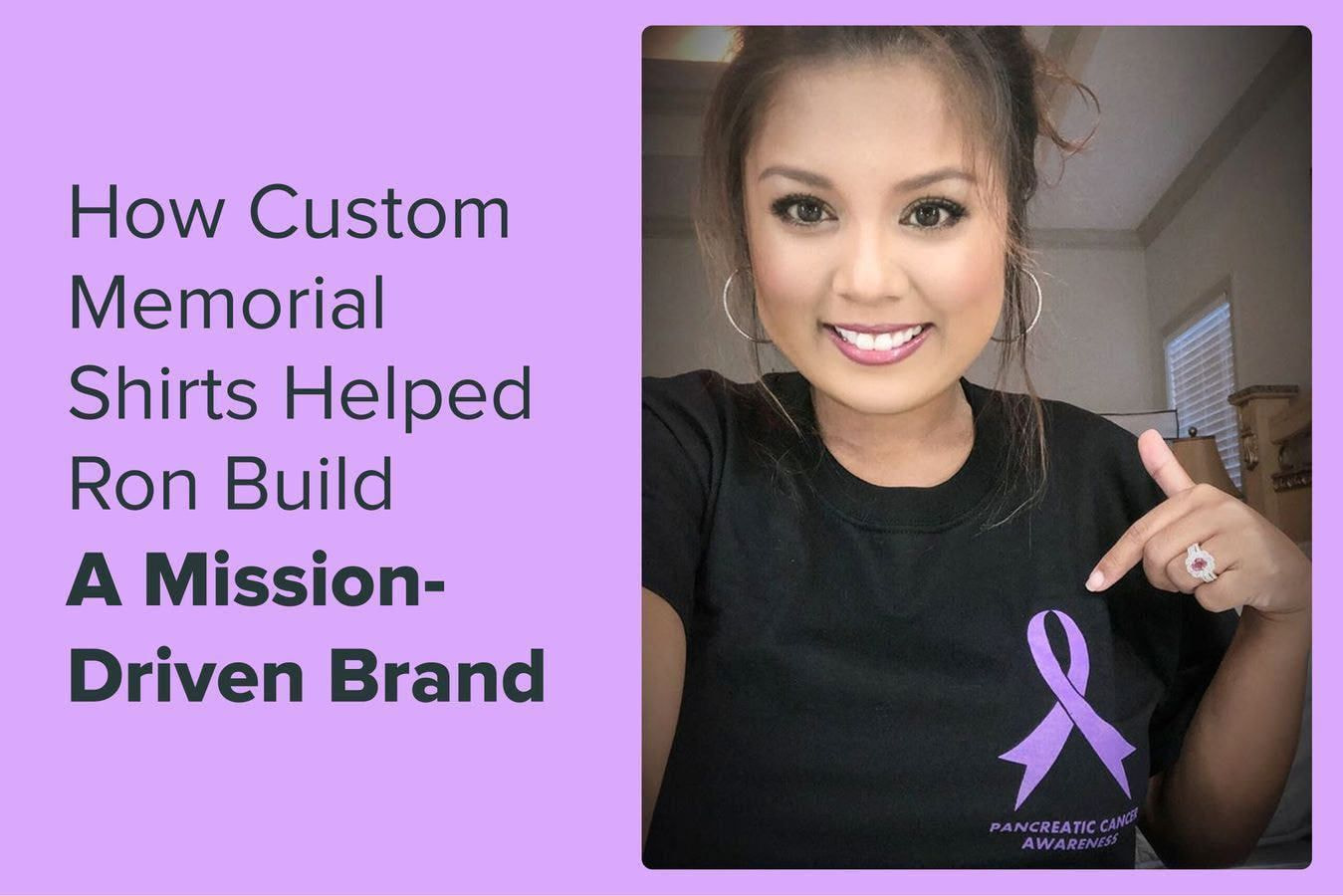
When Ronald Smith, better known as Ron, opened an online store nearly a decade ago, he wasn’t chasing trends or looking for overnight success. He was trying to give people hope.
That intention set him on a path from early experiments on Teespring to building Nameswear – a brand dedicated to raising awareness for causes that matter, most recently suicide prevention.
Over the years, his mission has grown into something much larger: a way to honor lives lost and spark real conversations around mental health.
Today, Nameswear is known for creating custom memorial t-shirts and other mental health merchandise that challenges stigma through something as ordinary – yet powerful – as a t-shirt.
Here’s a journey worth following to the end.
Starting with awareness through design
Ron’s journey into online business didn’t begin with a polished plan. Like many entrepreneurs experimenting with Print on Demand, it started with curiosity and trial. About a decade ago, he began testing designs on Teespring – mostly to learn how the platform worked and see what resonated.
Over time, he discovered a deeper purpose: using apparel as a tool to encourage and comfort people facing health struggles.
“I was always interested in health topics,” Ron recalled. “One of the first campaigns I tried was for epilepsy awareness. I created shirts with quotes that could remind people they weren’t alone; that others were going through the same thing.”
The response was stronger than he expected. Customers didn't just buy the shirts – they shared stories about their own challenges. That feedback showed Ron the power of apparel to build connection and community around difficult topics.
Expanding to over 50 causes
Once Ron saw how people connected with his epilepsy awareness designs, he realized the same approach could uplift others facing different conditions. He began broadening his catalog, creating designs for causes spanning both physical and neurological illnesses.
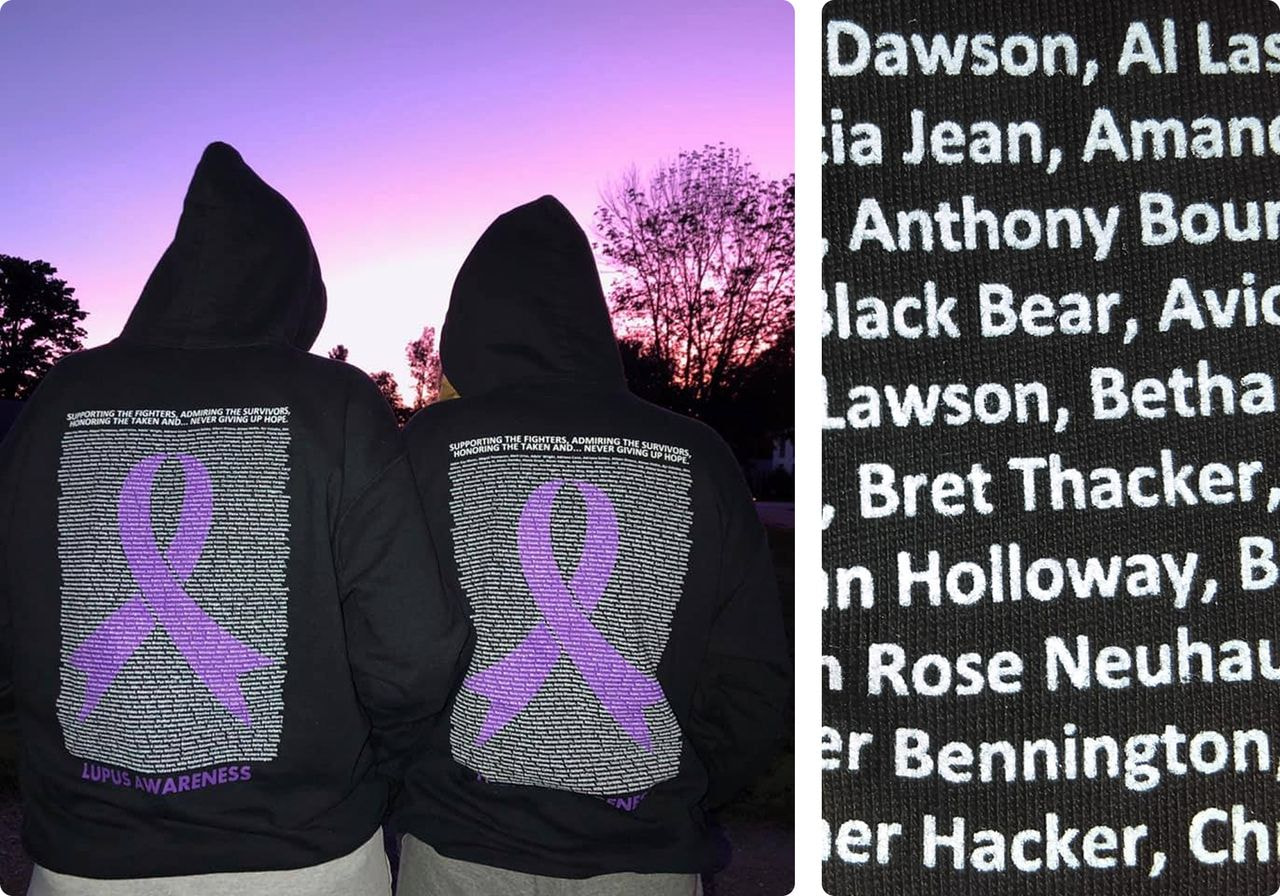
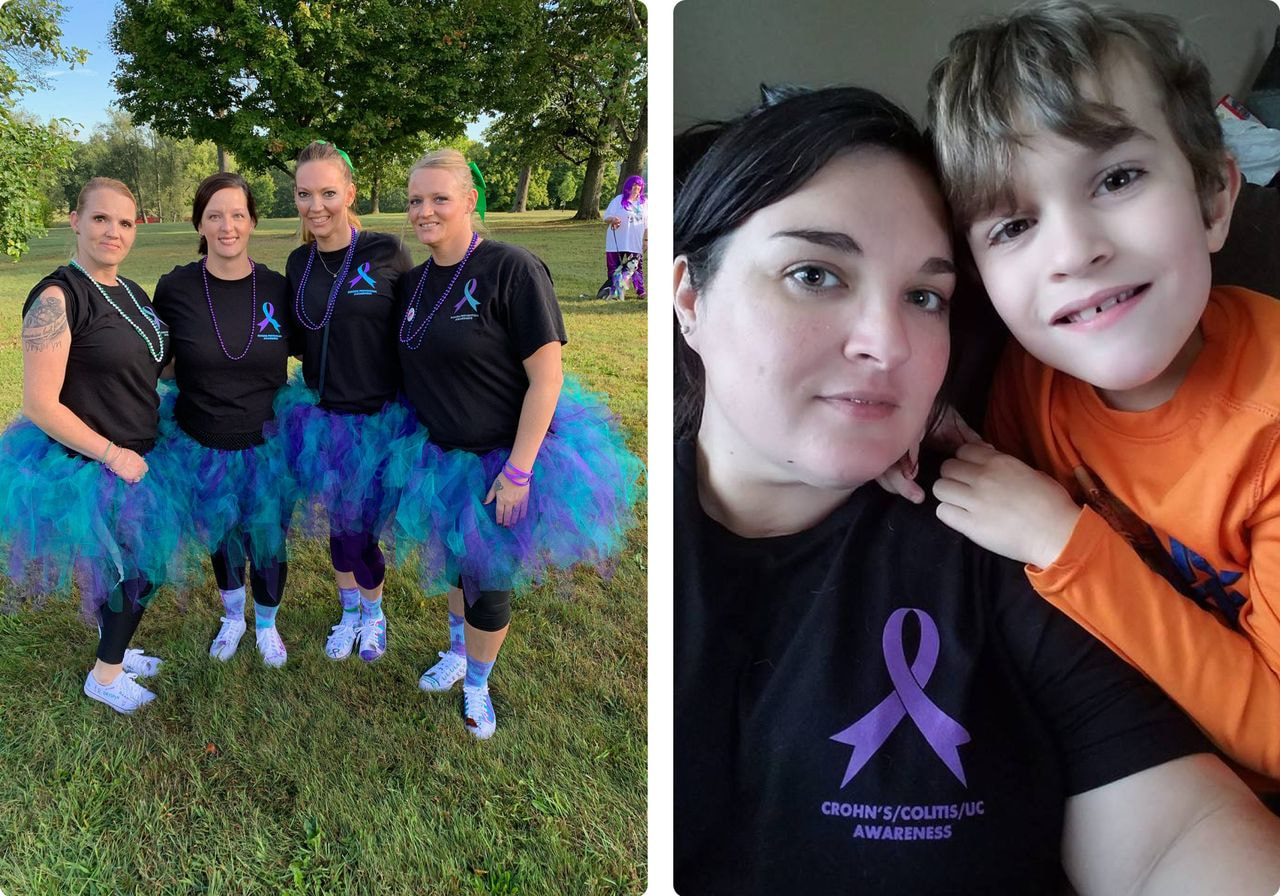
“In the early years, we covered more than 50 causes,” he explained. “Lupus, multiple sclerosis, fibromyalgia, rheumatoid arthritis, Crohn’s and colitis, Alzheimer’s, ALS, and the different types of cancers.”
Ron paid close attention to how people responded, leaning into the causes that carried the most emotional weight.
“We wanted to focus on issues where people really questioned life, where they felt isolated, and where we could give them even a little sense of hope.”
A personal loss that reshaped the mission
Even while juggling dozens of campaigns, suicide prevention had always been one of the causes Ron touched on. But it wasn’t until tragedy struck close to home that it became the central focus of his work.
“I lost my cousin to suicide several years ago,” he shared. “That hit me hard – it was very close to me. While suicide prevention was already part of what we were doing, after that loss, I decided to focus on it fully.”
What began as a broad effort across many health causes evolved into a deeply personal mission.
“Everybody knows someone affected by suicide,” he said. “It’s not something limited to a small group. That made it a natural direction for us, beyond my personal connection.”
The challenge of changing ad platforms
Ron’s early campaigns leaned heavily on Facebook ads. Interest-based targeting allowed him to reach communities connected to specific health conditions, which was essential for awareness-driven products. But when Meta overhauled its advertising policies, that control disappeared.
“Facebook stopped allowing us to target pages or interests related to diseases,” Ron explained. “They shifted the control to their system, which made it harder for advertisers to reach the right people. For us, that meant campaigns that had once worked were suddenly unsustainable. We were just spending money and not seeing results.”
The loss of control forced Ron to rethink his approach. Relying on a single platform’s algorithms was no longer enough.
Finding the right partner in Printful
When Ron decided he needed more stability, he began looking beyond Teespring for a platform that could support both his mission and his business model. What stood out about Printful wasn’t just the product range. It was the combination of automation, speed, and control.
“Printful came out as the clear winner when I compared my options,” Ron said. “The automation, the ease of use, the speed. There’s no lag. It’s simple to set up, and the variety of products available really drew me in.”
One of the most important changes Ron experienced after moving to Printful was the ability to access and manage his own customer data. For years, that level of insight was out of reach.
“That was huge for me,” he explained. “With my old provider, I didn’t even know who my buyers were. I couldn’t track orders or build a relationship with customers.“
The change also strengthened customer relationships. He could nurture them through funnels, emails, and even text messages, making every interaction more personal.
In Ron’s words, “With Printful, I finally felt like it was my business. I was the one growing it, not someone else running it for me.”

Storytelling that sparks conversation
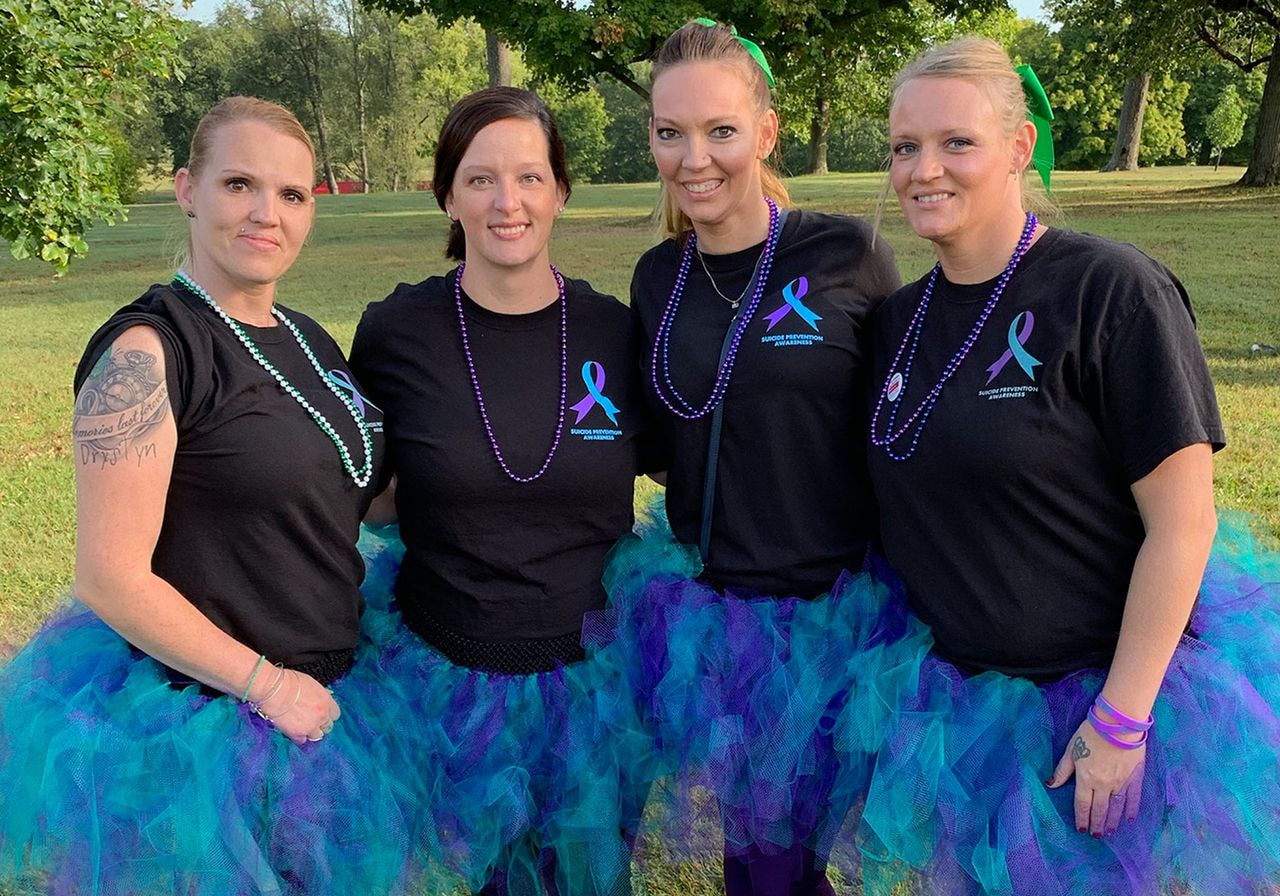
Selling a t-shirt is one thing. Turning that shirt into a way for people to honor loved ones and talk openly about suicide is another. Ron has built his campaigns around emotional storytelling that speaks directly to his audience’s experiences.
“When we create an ad, it’s not about us,” he explained. “The text and the image are meant to say, ‘I hear you. I know what you’re going through. Your loved one will be honored.’”
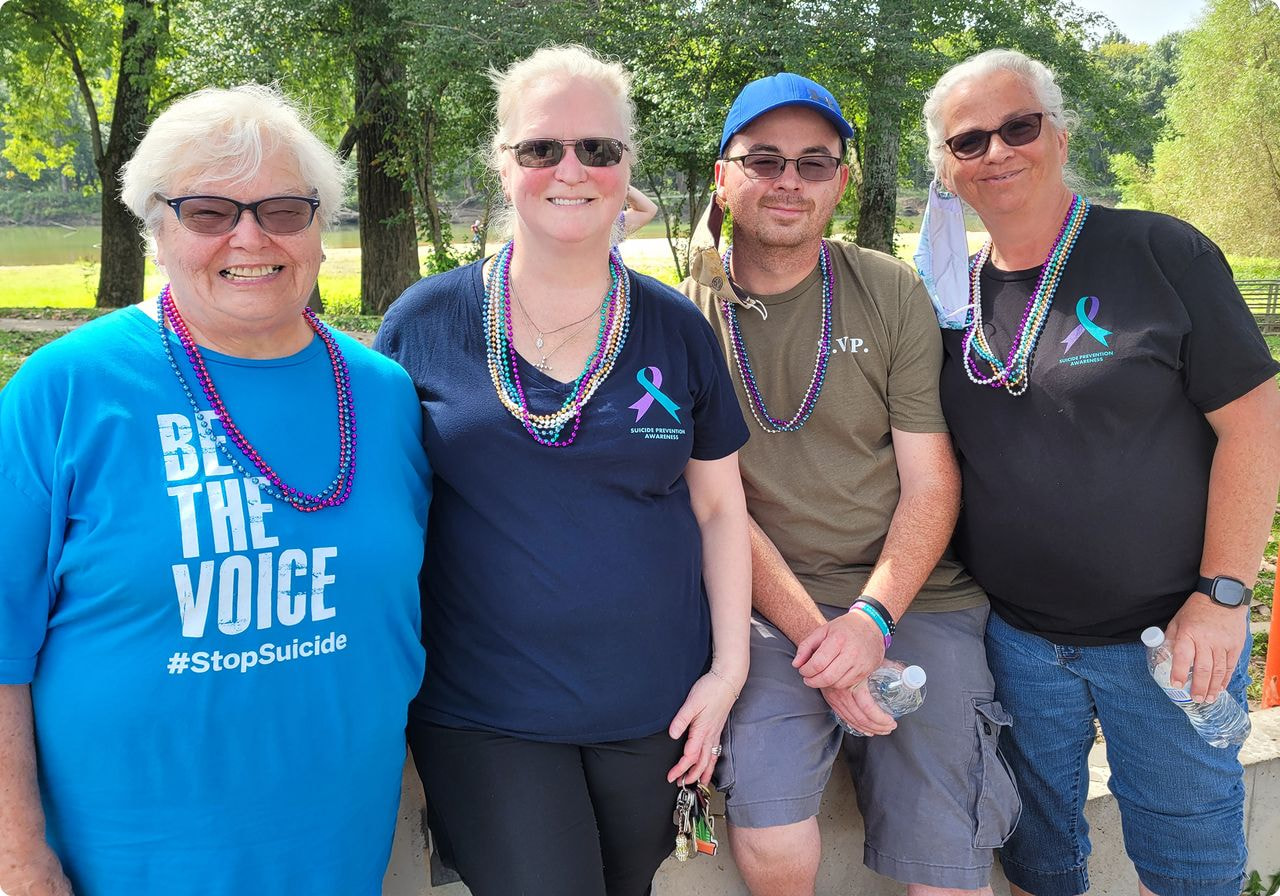
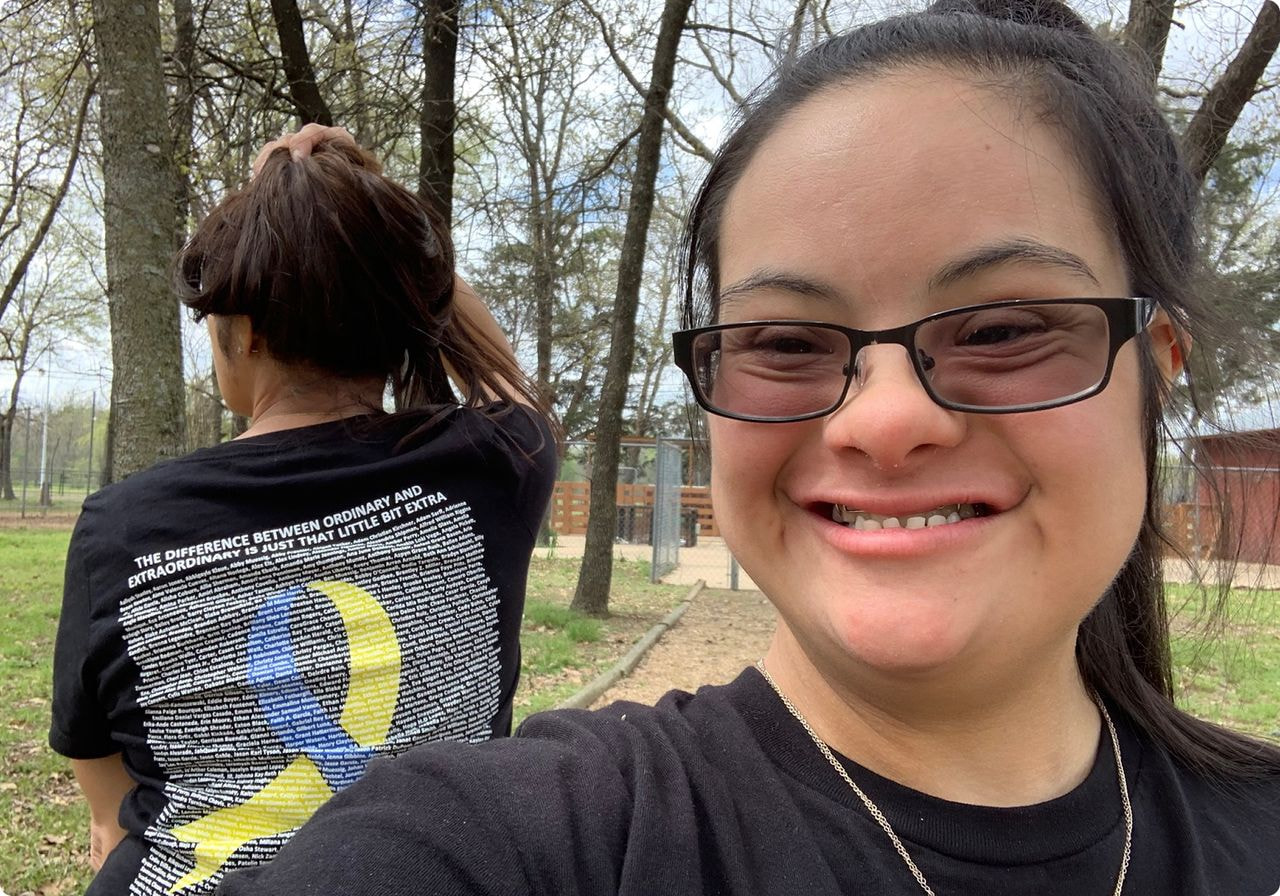
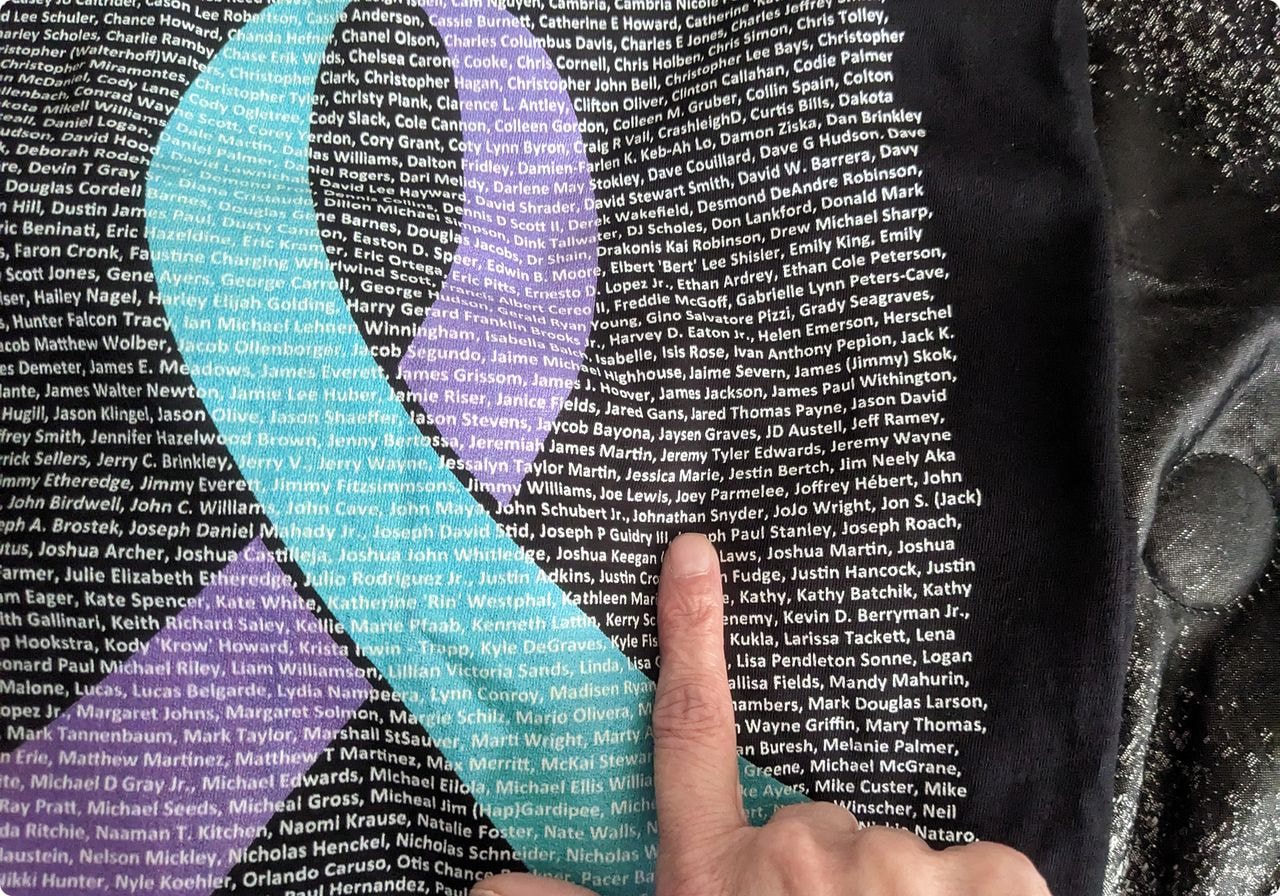
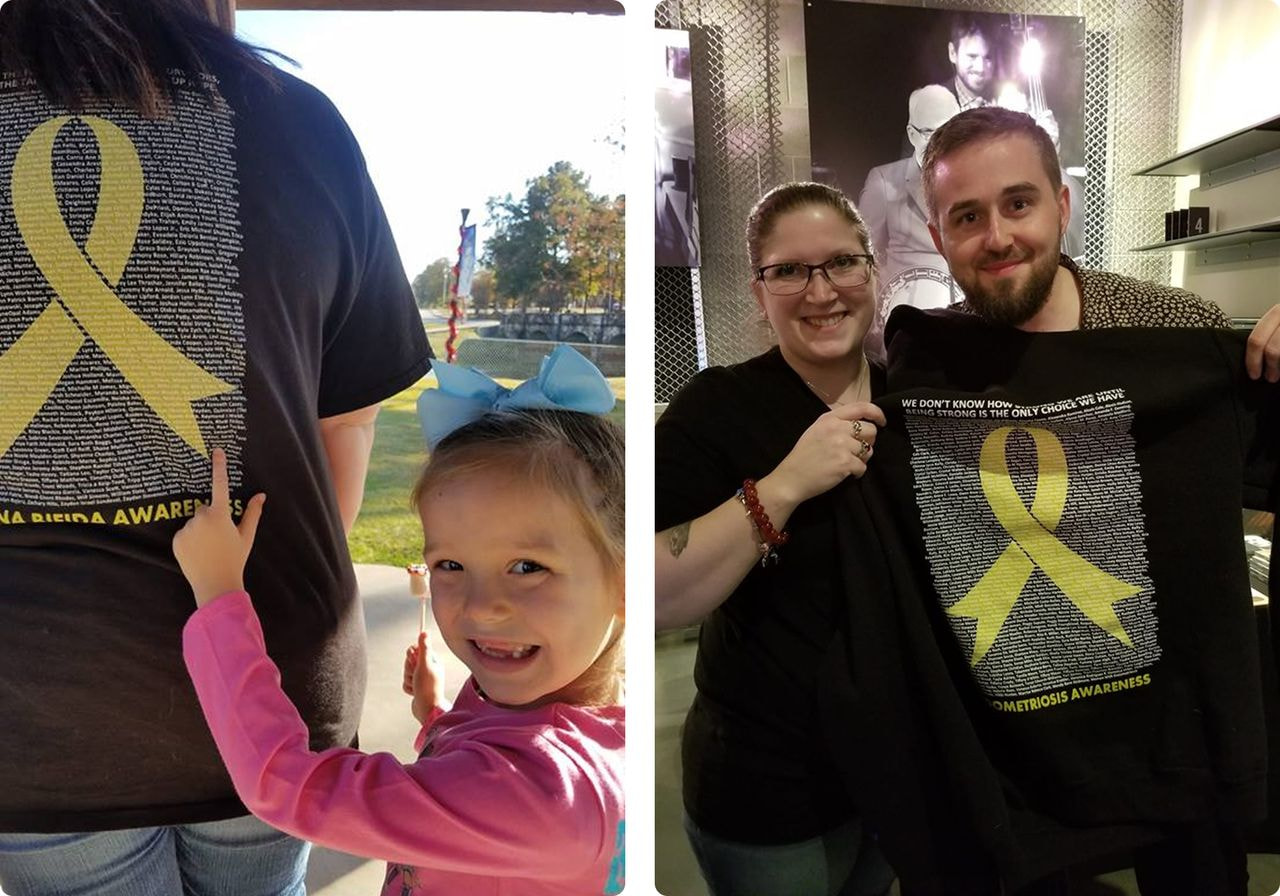
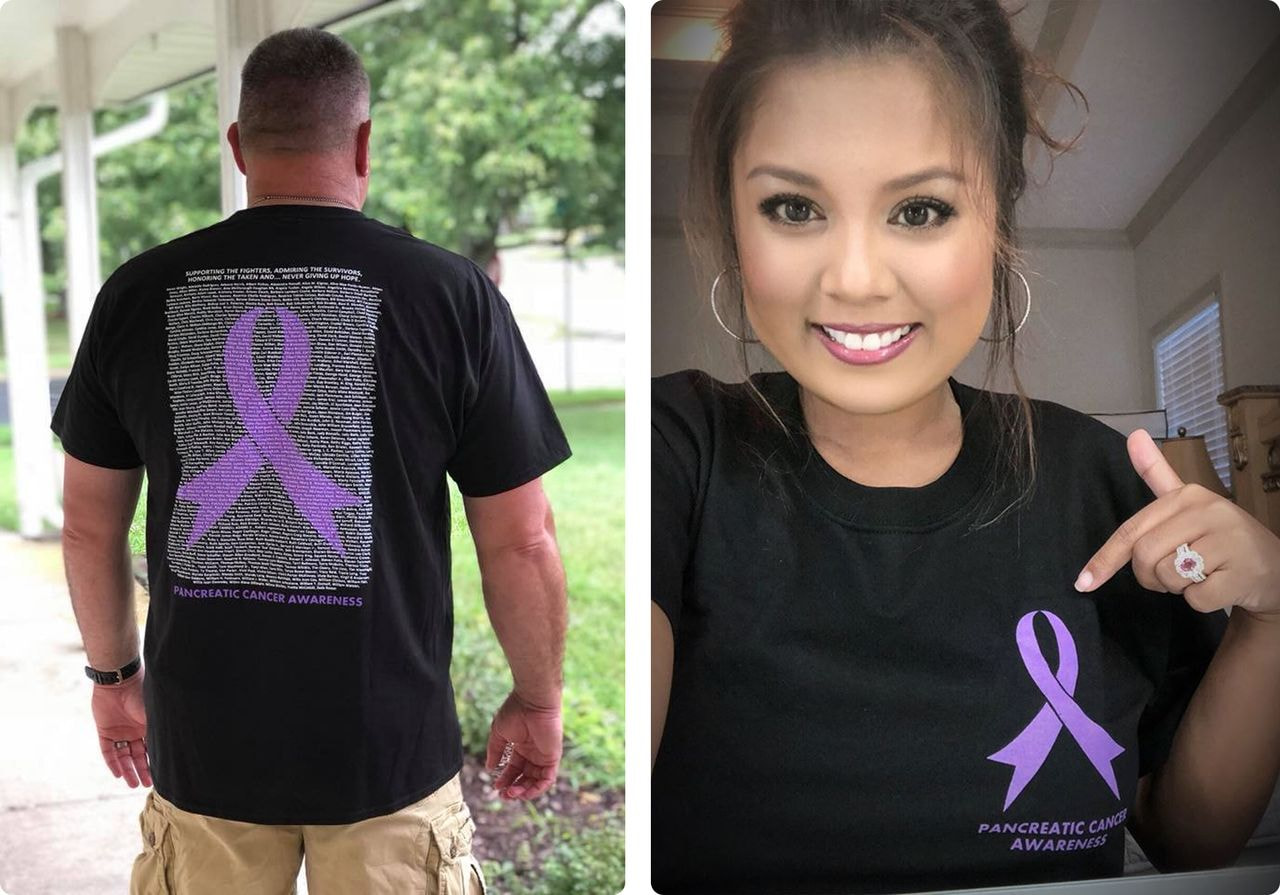
Every step – from ad creative to product page to follow-up email – carries that same tone of empathy. Customers aren’t just placing an order; they’re invited to submit names for personalized awareness apparel. And when they wear a shirt printed with hundreds of names, it becomes more than just clothing – it’s a conversation starter.
Ron sees those conversations as part of the mission. “When people ask, ‘What are these names on your shirt?’ it opens the door to talk about mental health and suicide prevention. That helps remove stigma.”
Customer stories that keep the mission alive
While sales numbers matter, Ron measures success just as much by the stories that come back from his community. Some of them are deeply moving, showing how a simple shirt can spark human connection in unexpected places.
“One that always stands out for me,” he said, “was when a customer told us she was in the hospital for surgery. She mentioned to her nurse that she had submitted her father’s name for one of our suicide prevention shirts. The nurse said she had done the same for her nephew.”
When they looked at the shirt design, they realized something remarkable: the father’s name appeared right above the nephew’s name. “It was pure coincidence,” Ron recalled, “but it felt powerful. Two strangers meeting in a hospital, bonding over loss, and finding each other’s loved ones honored on the same shirt.”
His customers often share how wearing custom memorial t-shirts or other apparel helps them start conversations with friends, coworkers, or even strangers. With more than 200 testimonials collected so far, the feedback affirms that Nameswear is helping people heal and connect.
Branding beyond the product
For Ron, the experience doesn’t end when someone clicks Buy. Every order is designed to remind customers that they’re part of something larger than a transaction. Printful’s customization options allow Ron to add personal touches, like branded tags and inserts, that keep his mission front and center.
“When someone receives a shirt or a mug from us, we include a card that says what you’re buying is not just merchandise,” Ron explained. “It’s an item you can wear to raise awareness, to honor your loved one, and to carry the message into the world.”
That small addition – made possible through brand inserts and packaging – reinforces the reason for the purchase.
The quality and consistency of the products add to that trust. “I feel confident in what we sell because I know our buyers are taken care of – because Printful takes care of me.”
“If anything goes wrong,” he said, “I know Printful will take care of it quickly. That confidence lets me assure my buyers we’ll always stand by what we sell.”
For a cause-driven brand, these touches matter. They turn a package into a message, ensuring every order carries the same spirit of hope that inspired it.
Make your brand unforgettable with custom merch
Printful helps you create promotional products with your logo, perfect for events, giveaways, or employee gifts. Sell them online or use them to raise brand awareness.
What you get
✔ Custom mugs, hoodies, tote bags, notebooks, and more
✔ Branding options with your logo and design elements
✔ Hassle-free MerchShare links for easy distribution
✔ Fast global delivery with average shipping in 4 days
Start creating custom merch with Printful today.
Lessons from shifting to SMS marketing
As his business matured, Ron noticed something important about his audience – they didn’t always check their emails. Most of his buyers were women over 45, balancing households, work, and other responsibilities. Reaching them meant meeting them where they already were: on their phones.
“With Printful, I had access to customer data I never had before,” he explained. “About 80 to 83% of buyers who give us their email also give us their phone number. That changed everything.”
Instead of relying only on email campaigns, Ron shifted much of his marketing to text messages. The results were immediate. “People might ignore an email, but they’ll always look at a text,” he said.
The move also made his communication feel more personal. SMS messages were short, direct, and better aligned with the urgency of honoring names or joining new shirt campaigns. This approach wouldn’t have been possible without owning his customer data, a change that came with Printful.
Looking ahead with partnerships and The Hope Club
While Nameswear has built momentum through individual campaigns, Ron is already thinking about how to expand the mission beyond direct-to-consumer sales. His next step is building partnerships with organizations that share his goals.
“We want to reach out to companies and suicide prevention organizations,” he said. “If they provide names (with the consent of families), we can create custom memorial t-shirts, with their branding included. That way, they can give the shirts directly to families.”
This approach would reduce ad costs while expanding reach. The savings, he said, could be redirected into donations, allowing the brand to give back more directly.
Ron is also exploring the idea of launching The Hope Club, a membership community where people could receive regular support. “The idea is to offer weekly inspiration and more personal ways to handle life’s challenges. We want to bring counselors on board and create a space where people feel connected.”
Whether through partnerships or subscriptions, these plans are natural extensions of Ron’s mission: to honor loved ones, spark conversations, and reduce stigma around suicide.
What merchants can learn from Ron’s journey
Here are the important takeaways from Ron’s journey for anyone who wants to make a big difference when building a print-on-demand brand.
-
Start with meaning: His products worked because they carried weight for the people wearing them. A strong purpose will always outlast passing designs.
-
Take control of your data: Access to customer details allowed him to follow up, build loyalty, and adjust campaigns confidently.
-
Let the story show through the product: Every touchpoint (ads, emails, even the card in the package) reminded buyers that their purchase was about remembering someone, not just buying a shirt.
-
Match your audience’s habits: Ron’s customers were more responsive to texts than emails. By paying attention, he kept engagement strong instead of relying on ineffective channels.
-
Work with a partner, not just a printer: Reliable fulfillment and branding options through Printful let him to focus on the mission instead of logistics.
For merchants, Ron’s experience is proof that a print-on-demand store doesn’t have to be transactional. With the right tools and a clear purpose, it can become a platform for real connection and, in Ron’s case, a way to give people hope.
If you’ve been waiting to start your own print-on-demand journey, there’s no better time. Printful makes it simple to launch, scale, and keep your brand in your hands.

By Anita Njoki
Anita is a dynamic content operations manager with a proven record of transforming innovative ideas into impactful digital strategies. She leverages data-driven insights, expertise in case studies and brand building, and UX digital marketing to fuel growth. A former advertising copywriter, she infuses neuromarketing insights into every project with passion, creativity, and collaboration.

