



Table of contents
Starting a hoodie business is easier than ever these days, but standing out from the crowd takes more than just great designs. The most successful brands know their target audience, pick the right products, and build a strong brand identity backed by a clear business plan.
This guide walks you through how to start a hoodie business step by step. You'll learn how to find your niche, create hoodies people actually want to buy, build your own hoodie brand, and launch an online store that brings in loyal customers.
How to sell hoodies online in 10 steps
Let’s break down the process of how to start a hoodie business online into 10 easy steps – from finding your niche to closing your first sale.
1. Define your niche and target audience

The first step is figuring out who your hoodie business is for. Instead of targeting broad categories like streetwear or fitness, pick a specific niche you can own. Think oversized hoodies for gamers, cropped hoodies for dance teams, or custom embroidered hoodies for local businesses and events.
To define your target audience, find out where they shop, browse, and share recommendations. Check hashtags on social media, read reviews on Etsy and Amazon, and study best-selling products. Notice what customers love, like thick fabric or detailed embroidery, and what they don’t, like shrinking after a wash or limited size options.
Use these insights to shape your hoodie line around real customer needs. Knowing your target market from day one helps your custom hoodie business build trust, win loyal customers, and stand out from the competition.
2. Build a brand identity
Brand identity defines your business’s look, personality, and overall feel. A strong brand identity makes your hoodie store instantly recognizable and helps customers decide whether your hoodie brand is right for them.
If you’re running a custom hoodie business with Print on Demand, don’t treat branding as an afterthought. A clear identity helps your business stand out, attract loyal customers, and build a more profitable hoodie business.
Start by defining your mission, vision, and values. They shape what your hoodie brand stands for and how it communicates. Then, create your visual identity, including your logo, colors, fonts, and tone of voice. Use these consistently across your online store, product mockups, and packaging.
Pro tip
Explore our free course on how to build a brand to create your brand identity step by step.
3. Choose the hoodies you’ll sell
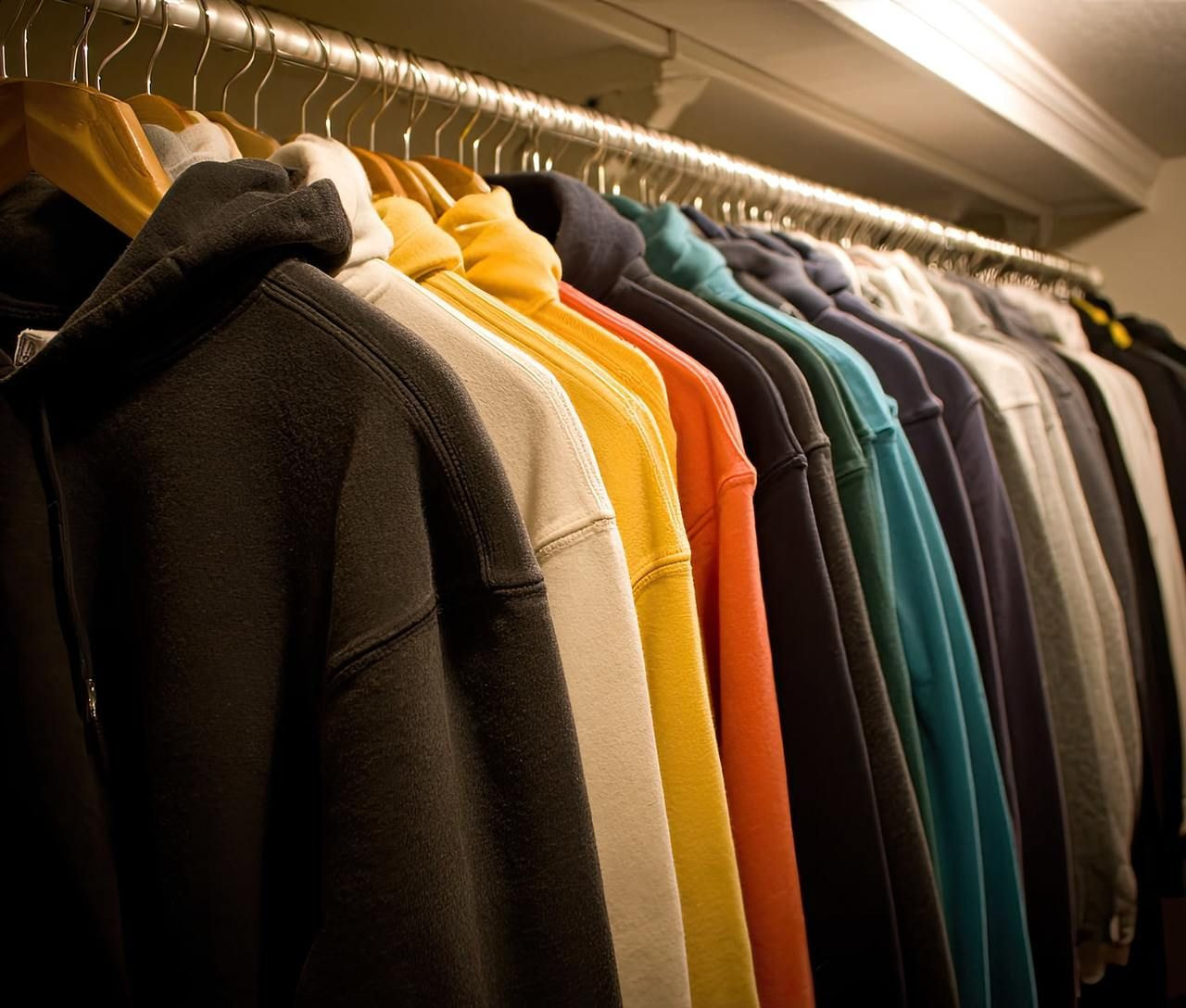
The blank hoodies you pick will shape your clothing line. Different hoodie styles appeal to different buyers, so build a collection that fits your niche and apparel brand instead of trying to sell to everyone.
Unisex hoodies are a go-to for many successful brands. The classic pullover hoodie has broad appeal across genders and age groups, making it a dependable starting point for almost any hoodie business.
If your brand leans toward sportswear or everyday basics, zip-up hoodies are a natural fit. Their comfort and versatility make them popular for university-inspired collections, team apparel, and casual wear.
For younger, trend-driven audiences, cropped hoodies remain popular with Gen Z shoppers inspired by ’90s and early 2000s fashion. They’re a strong choice if your customers value fresh silhouettes alongside timeless staples.
Looking to build a streetwear collection? Oversized hoodies attract buyers who prefer relaxed, statement-making custom apparel. While zip-up hoodies are known for versatility, oversized styles create a bolder silhouette that fits naturally into premium and niche fashion brands.
If bold artwork is central to your brand, all-over print hoodies give you the freedom to create eye-catching hoodie designs. They’re ideal for niche communities like anime fans, street artists, or anyone who wants a custom hoodie that doubles as wearable art.
For shoppers who pay close attention to materials, eco-friendly hoodies made with sustainable fabrics, such as organic cotton or recycled materials, can be a good fit. Many customers actively look for these material options. Just make sure to describe them accurately and avoid broad environmental claims when marketing these items.
Finally, specialty hoodies, including pigment-dyed, tie-dyed, and heavyweight styles, help your brand stand out. They’re perfect for premium collections, limited edition designs, or testing niche ideas. This approach keeps your product catalog fresh and can help build brand loyalty over time.


4. Create hoodie design

Once you’ve chosen your hoodie styles, it’s time for the exciting part – making professional designs.
Start by researching what works in your niche. Use Pinterest or Instagram to discover new hoodie design ideas and see how customer preferences are evolving. Save your favorite design inspiration to a mood board, and check out our hoodie design ideas guide for more tips.
Your design process should balance trends with consistent demand. Build a core hoodie line that sells year-round, then introduce limited edition designs for holidays, special events, or seasonal collections to keep customers coming back.
Once you have a direction, choose the right tools for the job. Free design tools like Canva are great for beginners, while advanced users often prefer Adobe Photoshop or similar software.
Did you know?
Printful’s free Design Maker lets you create hoodies from scratch and instantly preview your designs on real products – no design experience necessary.
5. Decide how to fulfill orders
When you sell hoodies online, you’ll need to choose the right fulfillment method. This determines how your products are printed, packed, and delivered to customers.
Self-fulfillment gives you complete control over production. You buy blank hoodies in bulk, print them yourself, and ship every order. The cost per unit can be lower than Print on Demand, but you’ll also need to manage inventory, store products, and risk unsold stock.
Working with a manufacturer gives you access to professional printing methods like screen printing, embroidery, or DTG without running production yourself. Most manufacturers require minimum order quantities, making this option better suited to established brands with proven demand. You’ll still be responsible for packaging and shipping.
Print on Demand removes upfront production costs, inventory management, and manual fulfillment. You only pay when a customer places an order, making it a practical choice for small business owners launching a new brand. It also gives you more time to focus on marketing, creating new designs, and growing your business instead of managing logistics.
Pro tip
Check out our guide on whether Print on Demand is still worth it in 2026 before deciding which fulfillment model is right for your hoodie business.
6. Choose your customization method

The right printing method depends on your hoodie designs, materials, and budget. Some techniques are better for colorful artwork, while others work best for logos or text.
Understanding the strengths of each option will help you create hoodies that match your brand and customer expectations.
Direct-to-garment (DTG) printing produces detailed prints with a soft feel because the ink is applied directly to the fabric. It’s ideal for photorealistic artwork, intricate graphics, and detailed designs that benefit from a smooth finish – a popular choice for streetwear collections and custom hoodies with complex artwork.
Direct-to-film (DTF) printing creates vibrant, durable prints that perform well on a wide range of fabrics, including blends. Since the design sits on top of the fabric, you’ll notice a slightly different texture than the garment’s material. It’s a great option for bold graphics that need to withstand regular wear.
Sublimation uses heat to bond the design with polyester fabric instead of printing on top of it. The result is a smooth, long-lasting print that’s ideal for all-over graphics, gradients, and sportswear made from polyester. If your design covers large areas of the garment, sublimation is often the best choice.
Embroidery adds stitched texture for a premium finish that’s especially popular for logos, monograms, and minimalist artwork. Custom embroidered hoodies have become staples of streetwear and boutique fashion thanks to their durability and timeless appearance.
7. Choose where to sell your hoodies
Once your custom hoodies are ready, it’s time to choose where to sell them. You can build an online store with platforms like Shopify or list your products on marketplaces like Etsy and Amazon. Many successful hoodie brands use both to reach more customers.
Whichever sales channel you choose, showcase your customized hoodies with high-quality photos and compelling product descriptions. Combined with consistent branding, these elements help create a shopping experience customers can trust.
Did you know?
Printful integrates with leading eCommerce platforms and marketplaces, including Shopify, Etsy, and Amazon. Connect your store in just a few clicks and start selling without managing inventory or fulfillment yourself.
8. Price your hoodies for profit
Pricing is one of the most critical steps in building your new hoodie business. In a print-on-demand business model, your profit is the difference between the product cost and the price you set on your online store. Customers pay the retail price, your POD partner keeps the fulfillment cost, and the rest is your profit.
Your pricing strategy should reflect your target market. Are your customers looking for exclusive, fashion-forward hoodies – or affordable basics?
Premium products like custom embroidered hoodies can be priced higher because buyers associate them with high quality. Unique or limited-run designs can also strengthen your clothing line by offering exclusive products customers can’t find elsewhere.
Look at what similar brands are charging in retail stores and online. Use that as a benchmark, then adjust based on your production costs, brand positioning, and business strategy.
Pro tip
Check out our guide on how to price your print-on-demand products for more tips and best practices.
9. Develop your marketing strategy

Your marketing plan should focus on the channels that fit your brand and audience. Rather than trying every tactic, invest in the ones that help your hoodie business reach the right customers.
Keep customers coming back with email marketing. Share product launches, seasonal drops, and exclusive offers that encourage repeat purchases and strengthen customer relationships.
Meet your audience on social media. Use social media marketing to showcase your hoodie designs, engage with your community, and learn more about customer preferences. As your brand grows, you can expand your reach with paid ads on platforms like Instagram and TikTok.
Partner with creators your audience trusts. The right influencer can showcase your hoodies in an authentic way, helping your brand reach shoppers who are more likely to buy.
Create content people want to find. Use content marketing to tell your brand story, answer customer questions, and publish helpful content. Pair it with search engine optimization (SEO) by optimizing product pages and blog posts with relevant keywords so more shoppers can discover your brand through search.
Marketing doesn’t end after a sale. A smooth delivery and memorable unboxing experience can encourage repeat purchases and strengthen customer relationships. Every interaction after checkout shapes how customers remember your brand, so aim for a consistent experience from order confirmation to delivery.
Did you know?
Printful offers branding tools to help sellers create a consistent look and feel, from custom packing slip messages and branding labels to personalized packaging.
10. Fulfill orders with Printful
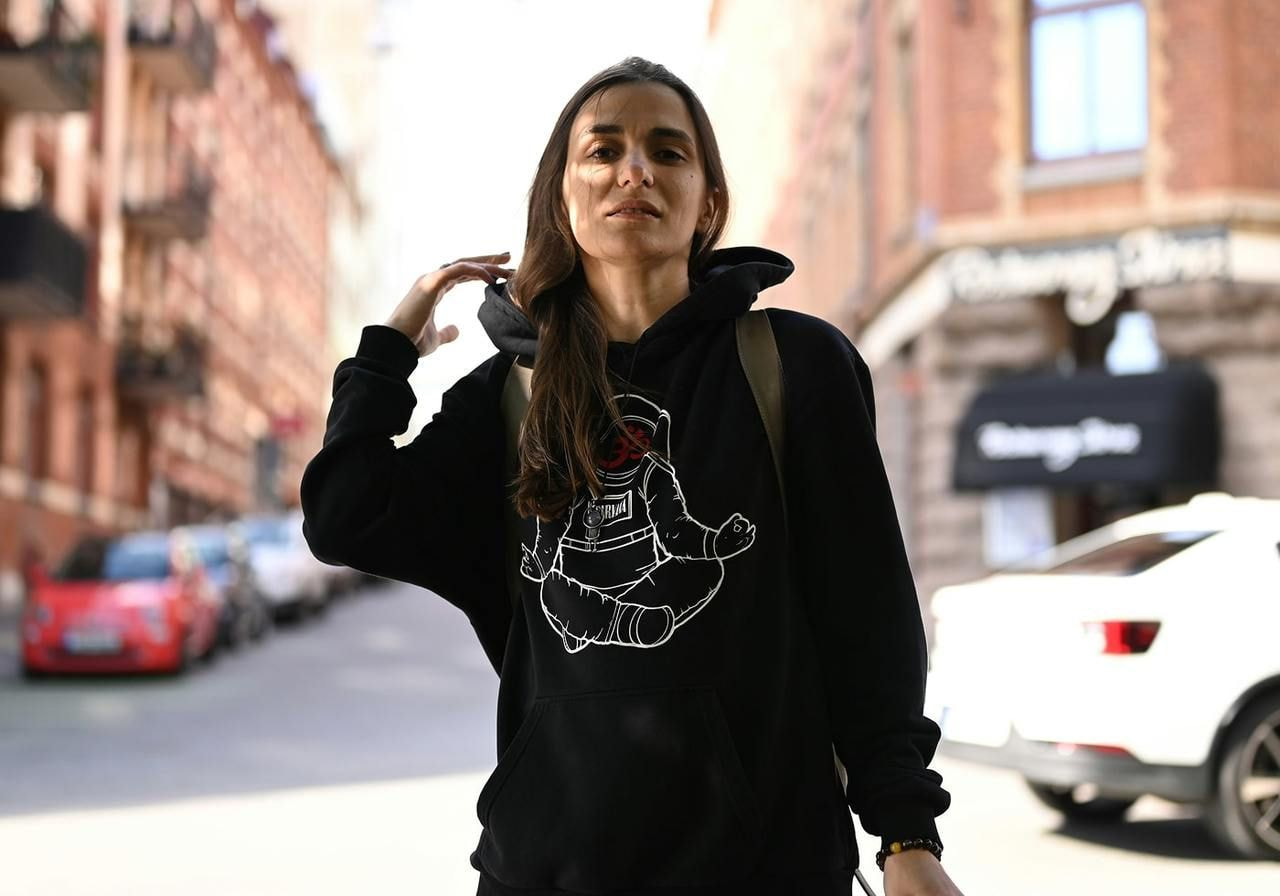
Once sales start coming in, reliable fulfillment keeps your online business running smoothly. Printful handles printing, packing, and shipping through our in-house fulfillment network, delivering consistent quality backed by a 0.24% reshipment rate.
Use the free Design Maker to create hoodies, customize different hoodie styles, and preview your hoodie designs with realistic mockups before publishing them to your store. You get all the essentials to launch in just a few minutes.
And with automated fulfillment through our eCommerce integrations, you can focus on growing your own clothing business, testing new products, and responding to market demand without buying inventory upfront. If an order arrives damaged, defective, or misprinted, you can request a free reshipment or a refund within 30 days.
Start building your hoodie business today
Now you know how to start a hoodie business online. Building a successful hoodie business comes down to choosing the right niche, creating designs your audience wants, and using a fulfillment model that supports long-term growth.
Printful gives you everything you need to launch and grow your hoodie brand, from premium products and free design tools to automated fulfillment. Register for free, create your first hoodies, publish them to your store, and start selling today.
FAQ: How to start a hoodie business
Yes, a hoodie business can be profitable. The global hoodie market is projected to surpass $177 billion by 2034, growing at a 5.56% CAGR from 2026 to 2034, reflecting continued demand for hoodies across fashion, sportswear, and everyday apparel.
Your profit depends on factors like pricing, production costs, marketing, and using the right fulfillment model to avoid costly mistakes. Targeting a specific niche and offering premium or customized hoodies can help improve your margins.
To launch your own hoodie business online, begin with a clear business idea and niche. Define who your hoodies are for, then use market research tools like Google Trends or social media insights to validate demand.
From there, build a clothing business plan that covers branding, production, pricing, and sales channels. Then, work with a print-on-demand fulfillment partner like Printful to design, list, and fulfill your hoodies.
Many independent brands sell hoodies for $25-$70, though premium and luxury brands often charge more. The right price depends on your materials, production costs, branding, and pricing strategy.
Focus on offering consistent quality and value for your target audience rather than simply setting the lowest price.
Not if you’re offering value. Premium materials, embroidery, and limited-edition designs can make custom hoodies worth $50 or more to the right buyers. When paired with a compelling brand story and consistent quality, that price point can be both fair and competitive.
If you don't have your own artwork, use Printful's Design Maker to create one from scratch with built-in assets. Browse clipart, Quick Designs, and text tools to explore hoodie design ideas and customize your graphics.
You can also preview realistic mockups to see exactly how your finished hoodie will look before publishing it to your store.
Absolutely. Many sellers build profitable hoodie businesses by choosing the right niche, pricing strategically, and marketing their products effectively. For example, if you partner with Printful and choose the Unisex Basic Hoodie with a base price of $18.75, pricing it at around $37.50 gives you a 50% profit margin before marketplace fees, advertising costs, and taxes.
Because Print on Demand doesn't require upfront inventory, it's also easier to test new products and grow your business with less financial risk.
Yes. A $500 budget is enough to start a clothing brand, especially if you use Print on Demand. Since products are only printed after a customer places an order, you don't need to invest in inventory or storage upfront.
Printful is free to join, and you only pay for production after you make a sale, leaving more of your budget for branding, samples, or marketing.
No. You can start a clothing brand without forming an LLC in many countries, but the requirements depend on where you live and how your business is structured. That said, an LLC can offer benefits such as personal liability protection and a clearer separation between your personal and business finances.
If you aren't sure which business structure is right for you, consult a local legal or tax professional before launching your brand.

Jordana is a content writer with over 6 years of experience in content writing and technical writing. Her not-so-secret passion is breaking down complex ideas into clear, straightforward content, whether it's explaining tech concepts or crafting stories that connect. When she's not writing, you'll find her enjoying good sushi or falling down movie trivia rabbit holes.

