



Table of contents
Thousands of new clothing brands launch in the UK each year – most close within months. The main issue is skipping the essentials: a solid plan, clear positioning, and a well-defined niche.
Print on Demand services have made the technical side easier than ever, but building a successful clothing brand still takes strategy, creativity, and consistent effort.
In this complete guide, you’ll learn how to start a clothing brand in the UK, step by step – from finding your target market and creating a business plan to developing your brand identity and designing a clothing line that sells.
1. Decide on your target market
Your target market is the group of people most likely to buy from you. Knowing exactly who you’re selling to helps you build a strong brand identity and design products your customers genuinely want.
A great example of a brand with a defined target market is Lucy & Yak. They focus on colourful, ethically made dungarees and comfortable clothing, creating a loyal community that values sustainability and bold self-expression.
To identify the audience for your own custom clothing brand, start with these questions. You don’t need perfect answers yet – refine them as you gather more insights.
-
Location: Are you targeting a specific UK city, such as Manchester or London, or selling nationwide?
-
Demographics: What’s their age, gender, occupation, or income range?
-
Psychographics: What do they value? What are their hobbies – music festivals, Sunday league football, or hiking in the Peak District?
-
Market trends: Which trends are they following on TikTok or Instagram?
-
Buying habits: How much do they spend on clothes each year? Are they loyal to certain high-street or independent brands?
Pro tip: You don’t need a large research budget. Run polls on Instagram, analyse your competitors’ followers, and read the comments on their posts to see what resonates.
2. Choose your business model
Your business model is how your brand will make money and deliver products. It defines what you’ll sell, how you’ll market it, and how you’ll manage logistics and finances.
Here are the four most common business models for new clothing brands in the UK.
Print on Demand (POD)
Print on Demand (POD) is a low-risk, flexible way to launch a clothing brand. Products are only made when they’re ordered, so you don’t need to invest in stock or worry about unsold inventory. It’s ideal for testing new designs or serving a niche audience.
With a partner like Printful, you get all the advantages of POD and more. For UK sellers, our local fulfilment centre means orders reach customers in a matter of days, shipped via trusted carriers like Royal Mail and without cross-border customs fees.
Pros:
-
No need to buy or store inventory
-
Very low start-up costs
-
Easy to test new designs and target niche markets
-
White-label products let you build your own brand
-
Fast, local fulfilment for UK customers
Cons:
-
Lower profit margins per item compared with buying in bulk
-
Less control over fulfilment and shipping times
Dropshipping
Dropshipping is a business model where a third party holds the stock and handles delivery for you. It’s straightforward to start and works well for beginners, but it can be competitive—particularly when many shops are selling the same products.
You can combine dropshipping with a print-on-demand service like Printful to offer products with your own designs, without managing production yourself. It gives you the convenience of dropshipping while allowing you to sell something unique, so you can focus on developing your brand and driving sales.
Pros:
-
Low start-up costs, with no need to hold stock
-
Simple to scale and sell to customers worldwide
-
Useful for testing products or launching quickly
Cons:
-
High competition with non-exclusive products
-
Less control over delivery and product quality
-
Lower profit margins

Manufacturing in bulk
Manufacturing in bulk means producing your clothing line in large quantities through a wholesale supplier. This lowers your cost per item, but it also requires a sizeable upfront investment and storing all your stock.
Most manufacturers have a minimum order quantity (MOQ) – around 500 pieces per style. This works well for established retailers, but for new or small clothing brands, it’s a considerable financial risk.
Pros:
-
Lower cost per item, which can lead to higher profit margins
-
Greater control over materials, fit, and overall quality
-
Useful for scaling once you’ve proved your bestsellers
Cons:
-
High upfront investment (£1,000 and up)
-
Unsold stock risk
-
Slower to test ideas or bring new styles to market
Running operations in-house
With this model, you handle every stage of production yourself – from stitching garments to packing and posting orders. Your time, skills, and equipment limit your output.
While this approach requires the most hands-on work and upfront investment in materials and machinery, it affords you complete creative freedom to produce genuinely unique, handmade clothing.
Pros:
-
Complete control over design and quality
-
Handmade products that feel truly unique
-
Strong potential for an authentic brand story
Cons:
-
Very time-consuming and labour-intensive
-
Hard to scale without hiring staff
-
Requires investment in equipment

Source: Unsplash
3. Create a clothing business plan
Whether you’re starting small from your bedroom or aiming to grow something substantial, you need a business plan. It turns your idea into a practical roadmap, guiding you from concept to launch.
A good plan covers everything from your products and customers to how your brand will make money. It’s also the document you’ll need if you ever apply for an investment or a business loan.
So, what should your business plan include?
Market research
Before you do anything else, research the UK fashion market. Identify your niche, understand what your customers prefer, and look closely at what competing brands are doing. This will show you where your brand fits and how you can differentiate yourself.
Business structure
You’ll need to choose the right legal structure for your clothing brand in the UK. This affects your taxes, your liability, and the amount of administration involved. You can register once you begin trading – you don’t need to complete the paperwork before you start selling.
Most new businesses register as either a sole trader or a private limited company (Ltd):
-
Sole trader: You are the business. It’s the simplest to set up (you just need to register for Self Assessment with HMRC), but you’re personally liable for any business debts. You’ll only need to register for VAT once your taxable turnover reaches the UK threshold (£90,000 as of 2025).
-
Limited company: The business is a separate legal entity. This protects your personal assets, but it comes with more administration, including registering with Companies House and filing annual accounts.
Your products or services
What makes your clothing stand out? Your edge comes from original designs, sustainable materials, or inclusive sizing. This becomes your unique selling proposition (USP) – the reason customers choose your brand over another.
In your plan, outline the types of products you’ll offer, such as t-shirts, hoodies, gymwear, or accessories, and the materials and fits you want to use. If you’re using Print on Demand, start with a small, focused range and expand as you learn what sells.
Financing
How will you fund your launch? You might use personal savings, apply for a start-up loan, or seek investment. Your costs won’t stop at products – you’ll also need to budget for marketing, website fees, and other day-to-day expenses.
Include some basic financial projections in your plan: your pricing, estimated revenue, and when you expect to break even. If you’re targeting UK customers, all figures should be shown in Pounds Sterling (£).
Sales channels
Decide where you’ll sell your clothes. Will you launch your own online store using a platform like Shopify, sell on a marketplace like Etsy, or try to get stocked in independent boutiques?
Each sales channel comes with different costs – marketplaces often charge listing or transaction fees, while an online shop involves a platform subscription – and each one reaches different customers.
If you use Print on Demand, check which eCommerce platforms offer seamless integrations with your fulfilment partner so orders can be automated from the start. Some platforms also have stronger UK customer bases, so consider where your audience already shops. Many clothing brands use more than one channel to broaden their reach.
Pricing strategy
Your prices need to cover your costs and reflect your brand’s value while still being attractive to your target customer. When setting your retail price, factor in all costs: the item base cost, shipping, marketing, and transaction fees. This maintains a healthy margin as you grow.
For UK businesses, Value Added Tax (VAT) is a crucial component of your pricing strategy. You don’t have to register for VAT until your turnover reaches the government threshold (currently £90,000). But it’s important to decide whether your listed prices will be shown with or without VAT once you register. Planning for VAT early prevents sudden price changes and keeps your brand consistent.
Marketing plan
Outline how you’ll get the word out. How will you drive traffic to your shop and build a loyal following? Think beyond Instagram posts. Consider email marketing, paid ads, collaborations with UK influencers, and search engine optimisation (SEO) to increase visibility. A strong plan combines a few channels you can manage consistently.

Source: Unsplash
4. Create your brand identity
Your brand identity is the personality of your business. It shapes how customers see you and what sets you apart from competitors. A strong identity improves trust, encourages loyalty, and makes your clothing instantly recognisable.

Source: Olya Kobruseva
Here’s how to build one.
Choose your clothing brand name
Your brand name should give people an immediate sense of what your clothing stands for.
Start by brainstorming words linked to your brand – adjectives, verbs, places, or abstract ideas. Combine them to create a shortlist. Tools such as IONOS help spark ideas, but it’s also worth asking friends or potential customers for honest feedback.
Before you commit, check that the name isn’t already trademarked in the UK using the Intellectual Property Office (IPO). Make sure that the domain name and social media handles are also available.
Decide on your mission and vision
Your mission and vision define your purpose and long-term goals. Keep both statements simple, memorable, and under 50 words.
-
Mission: What are you here to do right now? What are your core values?
-
Vision: What do you aspire to become in the future?
For example, a brand selling outdoor gear inspired by the Scottish Highlands might say:
-
Mission: To create durable, stylish outdoor wear that encourages people to explore the British wilderness, using sustainable materials.
-
Vision: To become the go-to brand for UK adventurers who value quality, performance, and protecting natural landscapes.
Write your brand story
Your brand story explains who you are and why your business exists. It’s a powerful way to connect with customers and build trust – especially when you’re just starting out.
Keep it honest and concise. What inspired you to begin? What makes your products different? What do you stand for? Aim for a tone that feels genuine and relatable, as customers connect with stories they can relate to.
Use your story on your About Us page, in social media bios, and even on your packaging. It can also guide your product descriptions and launch campaigns, helping you speak consistently to your growing community.
Design your brand’s visual identity
Your visual identity is the look and feel of your brand – your logo, colour palette, and fonts. It’s the first impression customers will have of your business.
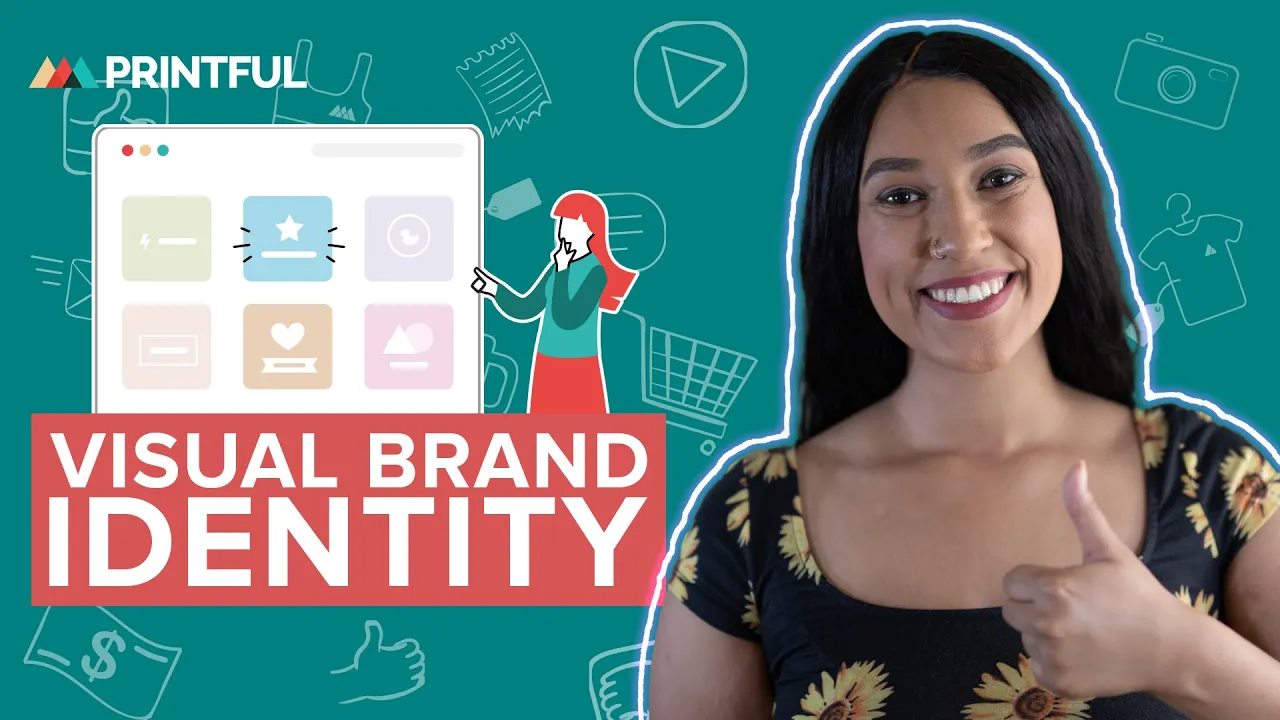

Choose a style that reflects your niche and values. A streetwear brand might use bold, gritty typefaces and a monochrome palette. A children’s clothing brand, however, might choose soft pastels and playful illustrations.
As you develop your visuals, make your colours and fonts easy to read and accessible. Create logo versions that work in colour, black and white, and at smaller sizes, so they’re suitable for both digital use and clothing labels.
Once you’ve defined your visual style, apply it consistently. Your website, social media, product photography, and packaging should all convey a unified brand identity. Consistency makes you look professional and helps customers recognise you instantly.
5. Design your products
With your brand and business plan sorted, it’s time for the exciting part: creating your clothing line.
Create your own clothing designs and mockups
Draw inspiration from the runway and social media fashion trends. Look at magazines like Vogue and Drapers, follow what UK influencers are wearing on Instagram, and explore hashtags like #ukfashion or #streetwearuk. Ask yourself: how can I put my own spin on these trends for my audience?

Source: Ray Piedra
When designing, think about the specific product. A graphic that works on the back of a hoodie may not translate well as embroidery on a cap. Consider placement, size, and how your colours will appear on different fabrics. Create your artwork using software such as Adobe Illustrator or Printful’s free Design Maker.
Once your designs are ready, use mockups to show customers what their products will look like. Mockups are essential for your online store and are much quicker and cheaper than organising a full photoshoot when you’re just starting out.
Order and test samples
Whether you’re using a POD service or a traditional manufacturer, always order samples before you start selling.
A small upfront cost for samples will save you a fortune in the long run. It allows you to test the print quality, the feel of the garment, and the sizing accuracy. This helps you avoid unhappy customers, negative reviews, and costly returns.
Pro tip: Use your samples to take your own lifestyle photos for your website and social media. Seeing your products on real people is far more engaging than using mockups alone.
6. Develop collections
Launching products in clothing collections keeps your brand fresh and gives customers a reason to return. It also shows you’re in tune with seasons and current trends.
For example, a UK streetwear brand could launch a collection of t-shirts and shorts for the summer festival season, followed by an autumn collection of cosy jumpers and beanies. Because the British weather is unpredictable, add layering pieces that work across seasons.
Think about key UK shopping periods too, like launching a special collection in the run-up to Christmas, Boxing Day, or back-to-uni sales.

Source: Ron Lach
7. Set up your online clothing store
First, choose an eCommerce platform or a marketplace that fits your needs.
An eCommerce platform like Shopify or WooCommerce lets you build your own professional shop. You have full control over the branding, layout, and customer experience.
An online marketplace like Etsy or Amazon lets you list your products alongside other sellers. You gain access to a large, ready-made customer base, but you’ll have less control over your brand and more direct competition.
Read more:
-
Guide to choosing the right Printful integration for your business
-
The best online marketplaces for Print on Demand (14 top choices for 2025)
Add products to your store
Organise your products into clear categories so shoppers can browse easily. For a new t-shirt brand, this might be “Graphic Tees,” “Minimalist,” and “Bestsellers.”
Write detailed product descriptions. Include information on sizing (in UK sizes and cm/inches), materials, and care instructions. Good descriptions build trust and help reduce returns.
Add photos and videos of your products
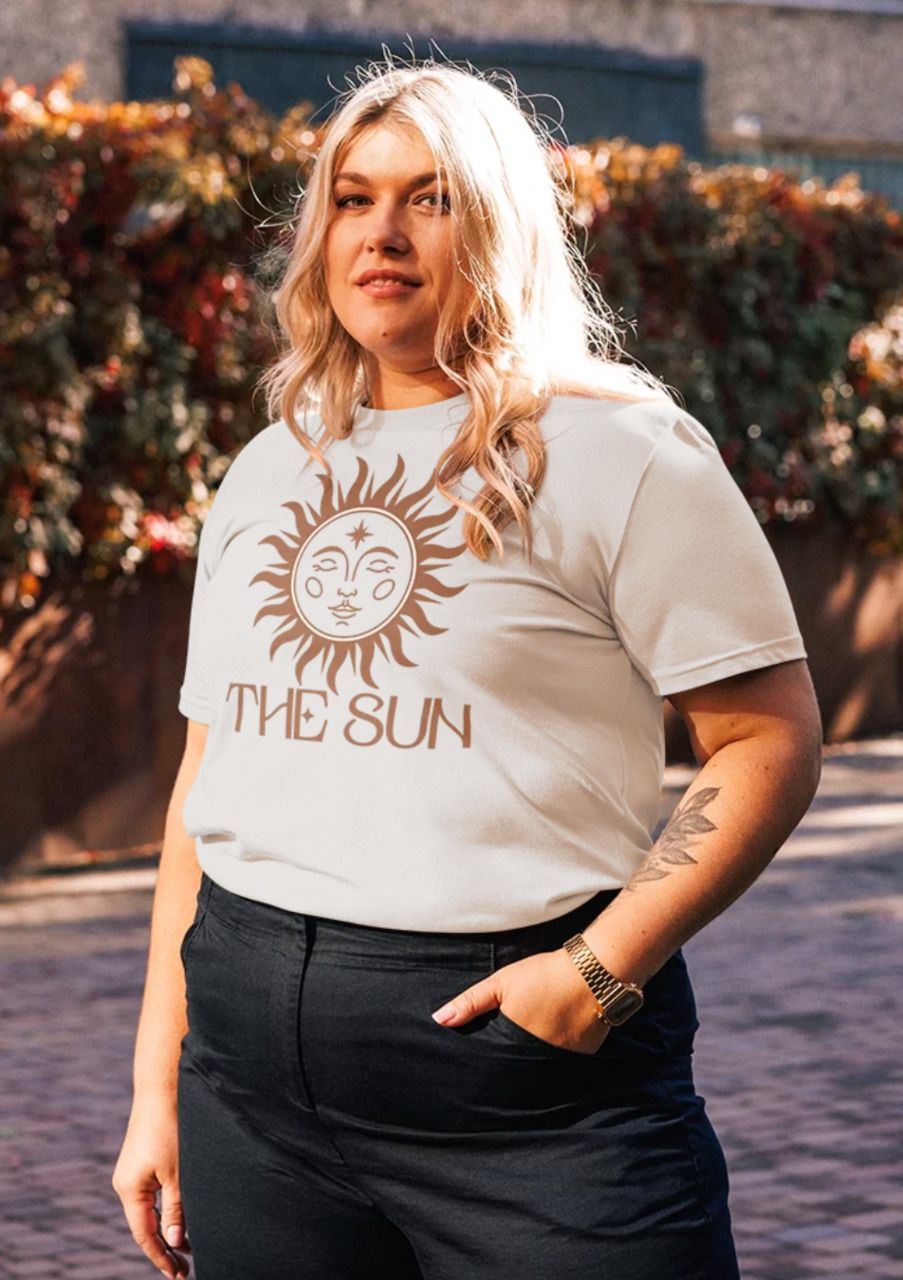
High-quality photos and videos are essential for a clothing brand. Since customers can’t touch or try on your products, your visuals do the selling for you.
Source: Printful
Start with the mockups you created, but aim to replace them with your own photos as soon as you can. Show your clothes from different angles, on varied body types, and in real-life settings so shoppers get a true sense of how they look and fit.
8. Market your clothing brand online
Getting your first customers takes consistent effort. A clear marketing plan will help you decide how people will discover your brand and how you’ll turn them into loyal customers over time.
Social media marketing
Platforms like Instagram, TikTok, and Pinterest are essential for fashion brands. Set up business accounts that reflect your brand’s visual identity and start creating content. Focus on the platforms where your target audience spends the most time.
Engage with your followers by sharing behind-the-scenes content, running polls, and responding to comments. Use social media to tell your brand story and build a community, not just to sell.
Paid advertising
Paid ads on platforms like Meta (Facebook and Instagram) or Google can help you reach new customers quickly. Start with a small test budget (e.g., £5-£10/day) to see what works. Experiment with different images, headlines, and target audiences to find out what resonates. Track your results closely to ensure you’re getting a decent return on your spend.
Online communities
Online communities are a great place to connect with potential customers. Look for UK-based Facebook groups or subreddits related to your niche. For example, r/womensstreetwear, local fashion groups, or communities built around a particular music or lifestyle scene.

Source: Unsplash
The key is to add value, not just spam your links. Join conversations, offer advice, and share your passion. This builds authenticity and will make people want to check out your brand.
9. Sell offline
Even as an online brand, in-person selling can be a brilliant way to make sales and build awareness.
Look for local craft fairs, designer-maker markets, or Christmas markets in your area. These events attract shoppers actively seeking authentic pieces from independent fashion brands. They’re also an excellent way to gather direct feedback from customers.
A pop-up shop is excellent for testing a physical retail presence without the commitment of a long-term lease. Partner with other local brands or find a space in a trendy area like Shoreditch in London or the Northern Quarter in Manchester.

Source: Unsplash
10. Learn from successful brands
One of the most effective ways to grow is to learn from those who have already achieved success. Studying successful brands provides valuable insights into what works in fashion.
Here are 3 inspiring businesses that reached success with Printful.
Dogecore

Source: Dogecore
Dogecore started as two friends sharing memes and grew into a successful clothing brand. After building a huge social media following, they monetised it with custom merchandise. Their success shows the power of choosing a specific niche and releasing regular new designs to keep customers engaged.
Prideletics

Source: Prideletics
The concept behind the sportswear brand Prideletics is evident in the name: pride + athletics. The brand celebrates diversity and inclusion through its custom designs, with most featuring the pride flag.
They collaborate with charities and donate a portion of profits from special editions – a strong reminder that a clear mission and values-led storytelling can set a brand apart and build deep loyalty.
Umai Clothing

Source: Umai Clothing
Umai Clothing is a perfect example of turning passion into business. What started as an artist’s interest in anime and Japanese streetwear became a brand with a powerful identity. They prove that when your designs reflect a well-defined cultural niche, you can build a brand that feels authentic and memorable.
It’s time to design your own clothing line
Learning how to start a clothing brand in the UK is just the beginning. Growing it into a successful business takes clarity, consistency, and a genuine connection with your audience.
With so many production methods and marketing strategies available, the key to long-term success is staying true to your brand’s core values.
Tools will change, trends will come and go, but a strong brand that people believe in is what will set you apart.
Frequently asked questions
This varies hugely. With a traditional model involving buying stock upfront, costs can easily run into thousands of pounds (£5,000+). With a print-on-demand model like Printful, your start-up costs are minimal. You only pay for the product after you’ve made a sale, so you can start with less than £100 to cover your website and some sample orders.
You need to register your business. The two most common options are registering as
-
Sole trader with HMRC (simple, you are the business)
-
Private limited company (Ltd) with Companies House (offers liability protection).
To protect your brand name and logo, you can also register them as a trademark with the UK’s Intellectual Property Office (IPO).
You are only legally required to register for Value Added Tax (VAT) with HMRC once your VAT-taxable turnover for the last 12 months exceeds the government threshold (currently £90,000). Until then, you don’t need to charge VAT on your sales.
Having a UK-based fulfilment centre means that when a customer in Britain buys from your store, their order is printed, packed, and shipped from within the country. This results in much faster delivery times (typically just a few days), lower shipping costs, and no nasty surprises with customs or import fees for your customers.
Not at all! Many successful brand owners aren’t designers. You can hire freelance designers from platforms like Fiverr or Upwork, collaborate with artists, or use tools like Printful’s Design Maker to create simple but effective text-based or graphic designs yourself. The key is having a strong brand vision.

Printful is an on-demand printing and fulfillment service that helps businesses create and ship custom products.

