


Table of contents
Short for athletic and leisure, athleisure has dominated fashion trends worldwide. So, is it too late to enter this global market?
While the athleisure market is saturated, it’s not impossible to start your own line. The key is knowing which trends are actually driving growth and what your audience genuinely values.
This global athleisure market report breaks down the trends reshaping the industry, the fabric innovations consumers care about, and the high-growth niches where you can actually compete.
How big is the athleisure market in 2026?
The global athleisure market size hit $402.74 billion in 2026 and is heading toward $844.77 billion by 2034. To put that in perspective: people are spending serious money on clothes that work for the gym, office, and everything in between.
The growth isn’t evenly distributed. North America captures about 37.04% of the athleisure market share, while the Asia Pacific region dominates with 25.17% – driven by rising disposable incomes and fitness culture across China, India, and Southeast Asia.
Europe holds 30.21% of global consumer demand, and emerging markets in the Middle East and Africa make up 4.33%.
What’s driving this consumer interest in the athletic wear industry? More and more people are sporting active lifestyles, thanks to growing health consciousness and the rise of fitness influencers.
Plus, consumers are looking for comfortable, versatile clothing that seamlessly transitions from home to work. Athleisure apparel typically features technical fabrics – quick-dry blends, four-way stretch, and wrinkle-resistant finishes – that make this possible.
Altogether, you get a competitive market that’s reshaping everyday fashion.

7 Athleisure trends reshaping how we dress in 2026
Here are the seven trends dominating the athleisure market growth in 2026.
Trend 1: Performance-infused workwear
Hybrid office settings and startup culture have normalized smart casual wear in the office. Professionals now want functional clothing that can handle back-to-back meetings, commutes, and evening transitions without requiring ironing or quick-dry cycles.
What they’re buying:
-
Performance polo shirts in wrinkle-resistant fabrics for layering
-
Lightweight jackets that transition from meetings to commute to evening wear
-
Stretch blazers with moisture-wicking linings for work-from-office days
-
Elastic-waist or pull-on dress trousers that combine comfort with a professional silhouette
Selling tips:
-
Position your products as office essentials
-
Highlight low-maintenance benefits in product copy, such as no ironing or all-day comfort
-
Feature in hybrid work contexts rather than fitness scenarios
Read also:
The best polo shirts for embroidery + top picks and buying tips
Trend 2: Court-to-street sportstyle
The influence of social media and pop culture has made court sports aesthetics mainstream, fueling demand for athleisure that performs on-court and photographs well off it. Emerging brands like Popflex are delivering pieces that blur that boundary.
What they’re buying:
-
Pleated or skater skirts designed for court sports but styled for streetwear
-
Court-inspired accessories like visors, headbands, and duffle bags
-
Knitted vests for layering over polos for that polished aesthetic
-
Athletic trainers in on-trend colorways
Selling tips:
-
Target younger consumers and fitness enthusiasts through social media
-
Take advantage of pop culture influence and trending aesthetics in marketing campaigns
-
Position as sports uniforms for padel and pickleball clubs
Trend 3: Comfort-driven urban essentials
This fashion trend is all about elevated casual wear for real life: packing light for travel, layering through the day, and moving from commute to social occasions without a wardrobe swap.
Premium athleisure brands like Lululemon are responding to these consumer preferences by designing pieces that prioritize comfort and quality over style.
What they’re buying:
-
Travel-ready pieces that pack small, resist wrinkles, and layer effectively
-
Coordinated sweatshirt and sweatpant sets in neutral tones
-
Minimalist pieces with subtle or no visible branding
Selling tips:
-
Position as lifestyle staples, not performance gear
-
Target design-conscious, urban consumers seeking versatile apparel
-
Emphasize the value of quality pieces that last beyond seasonal trends
Trend 4: Tech-enhanced functionality
Fitness and active lifestyle enthusiasts are moving beyond traditional sportswear. They demand athletic apparel equipped with practical features that enhance everyday performance.
What they’re buying:
-
Performance t-shirts with UV protection, quick-dry finishes, and odor-control technologies
-
Modular pieces with strategic pockets and attachments for phones, keys, and devices
-
Lightweight windbreakers for all-weather commuting and variable conditions
-
Smart sportswear with moisture-wicking, compression, and sensors that monitor how your body moves and performs
Selling tips:
-
Highlight how these performance features help meet evolving consumer expectations for multi-use apparel
-
Target fitness enthusiasts seeking gear that delivers functionality without gimmicks
-
Justify premium pricing through durability, functionality, and versatility across training and everyday wear
Trend 5: Soft neutrals and sport pastels
Pantone’s Color of the Year, Cloud Dancer, reflects a shift in the athleisure industry toward calm, understated aesthetics.
Established brands like Girlfriend Collective are releasing collections in earthy neutrals and soft pastels, creating sophisticated pieces that suit everyday consumer lifestyles.
What they’re buying:
-
Yoga pants and leggings in earthy tones as foundational pieces
-
Pastel tank tops, cardigans, and sports bras for layering and accents
-
Tonal and monochrome outfits that create polished, coordinated looks
Selling tips:
-
Position as investment pieces – timeless colors encourage customers to build coordinated capsule wardrobes and keep them longer
-
Use mindful branding language connecting to wellness – soft neutrals appeal to customers seeking calm, intentional style choices
Trend 6: Size-inclusive fits
67% of US women wear size 14 or larger, yet many brands still fail to meet the demand for size-inclusive casual fashion.
With search interest in plus-size activewear growing, athleisure companies are responding by offering more fit options.
What they’re buying:
-
Extended size ranges from 2XS to 4XL and up across all athleisure clothing lines
-
Unisex and gender-neutral silhouettes that work for diverse body types
-
Adaptive fits designed for different proportions – varied inseams for leg length, adjustable shoulder widths, and multiple rise options for torso shapes
Selling tips:
-
Highlight size-inclusive design as a core brand value
-
Create detailed fit guides and diverse body-type photos across online shopping platforms to reduce sizing uncertainty
-
Feature customer testimonials across sizes to build trust in the athleisure market
Trend 7: Sustainability as default
Two-thirds of Gen Z and Millennials say that whether a company complies with Environmental, Social, and Governance (ESG) standards affects their purchase decisions, showing how sustainability has become more than just a fashion trend.
What they’re buying:
-
Athleisure clothing made from sustainable materials like recycled polyester and bio-based fibers
-
Durable, seasonless designs meant to last multiple years
-
Items priced as investments, justified by durability and minimal waste
Selling tips:
-
Highlight certifications like GRS and OEKO-TEX, plus transparent supply chains, as proof of commitment
-
Feature repair and resale programs to build brand loyalty and community
-
Showcase impact metrics to enhance brand visibility in a competitive landscape
Fabric innovation: The core of the athleisure industry
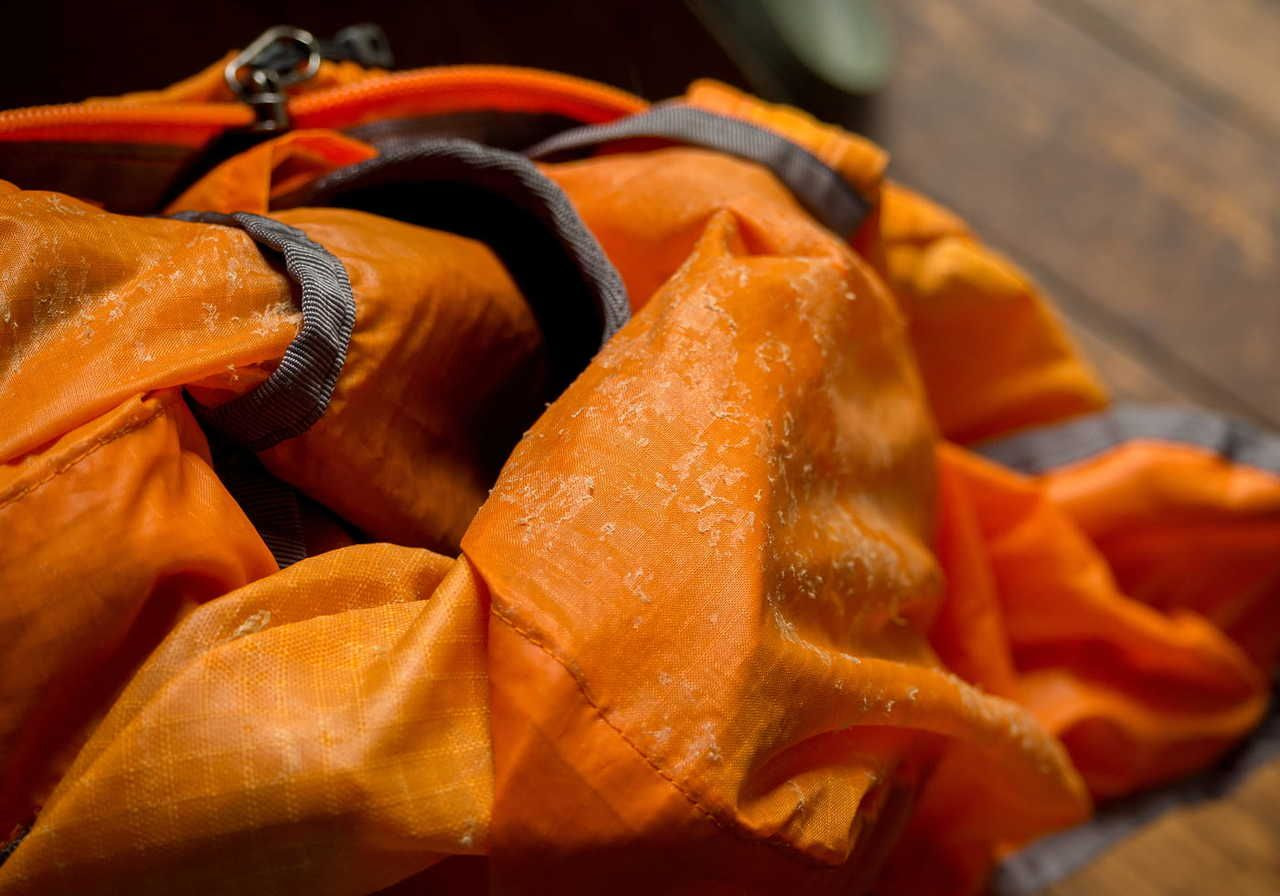
Fabric innovation drives the athleisure market forward, enabling brands to deliver on performance, durability, and sustainability. Let’s look at the key technologies making this possible.
Moisture-wicking and antimicrobial
These technologies solve a core problem in the sports apparel industry: keeping clothing fresh and hygienic through extended wear and multiple wash cycles.
Key technologies:
-
Honeycomb knit structures create 3D channels that pull sweat away from skin, boosting breathability.
-
Silver-ion finishes disrupt bacterial cell function, delivering odor control that lasts over 50 home wash cycles.
Compression and four-way stretch
These fabric innovations are driving online sales across the athleisure market, particularly in leggings and shaping pieces that need to maintain their shape through repeated wear.
Key technologies:
-
Four-way stretch blends – typically polyester, nylon, and spandex – provide multidirectional elasticity that moves with the body while maintaining shape and support through wear and washing.
-
Compression engineering in high-stretch fabrics delivers muscle support and recovery benefits – a key selling point for performance-focused consumers and fitness enthusiasts.
Recycled or lower-impact performance fibers
The sustainable athleisure market is on track to reach $176 billion by 2030 – showing that health-conscious consumers link personal wellness with environmental responsibility.
Key technologies:
-
Recycled polyester blends work just like virgin polyester – same stretch, same durability, lower environmental impact.
-
Lower-impact fibers like modal and TENCEL are made from sustainably managed wood sources, requiring significantly less water and energy than cotton while offering superior softness and breathability.
Where merchants are winning in 2026: Four high-growth athleisure niches

Want to tap into the most profitable athleisure markets? These four sub-niches represent the biggest opportunities for sustained growth in this industry:
| Niche | Top products | Audience | Market growth signal |
|---|---|---|---|
| Workleisure | Stretch blazers, technical polos, performance trousers | Office-hybrid professionals | 53% of workers prioritize clothes flexible enough for professional and personal tasks |
| Court-to-street | Pleated skirts, court accessories, sportstyle tops | Younger consumers, fitness club members | US pickleball participation up by 479% |
| Quiet luxury basics | Minimalist sets, elevated loungewear, basics in soft neutrals | Design-minded and quality-focused consumers | Pantone Cloud Dancer signals broader shift to calm aesthetics |
| Eco-athletics | Recycled leggings, sustainable performance wear | Environmentally-conscious consumers | $176B sustainable athleisure market by 2030 |
Top print-on-demand products to sell in the 2026 athleisure market
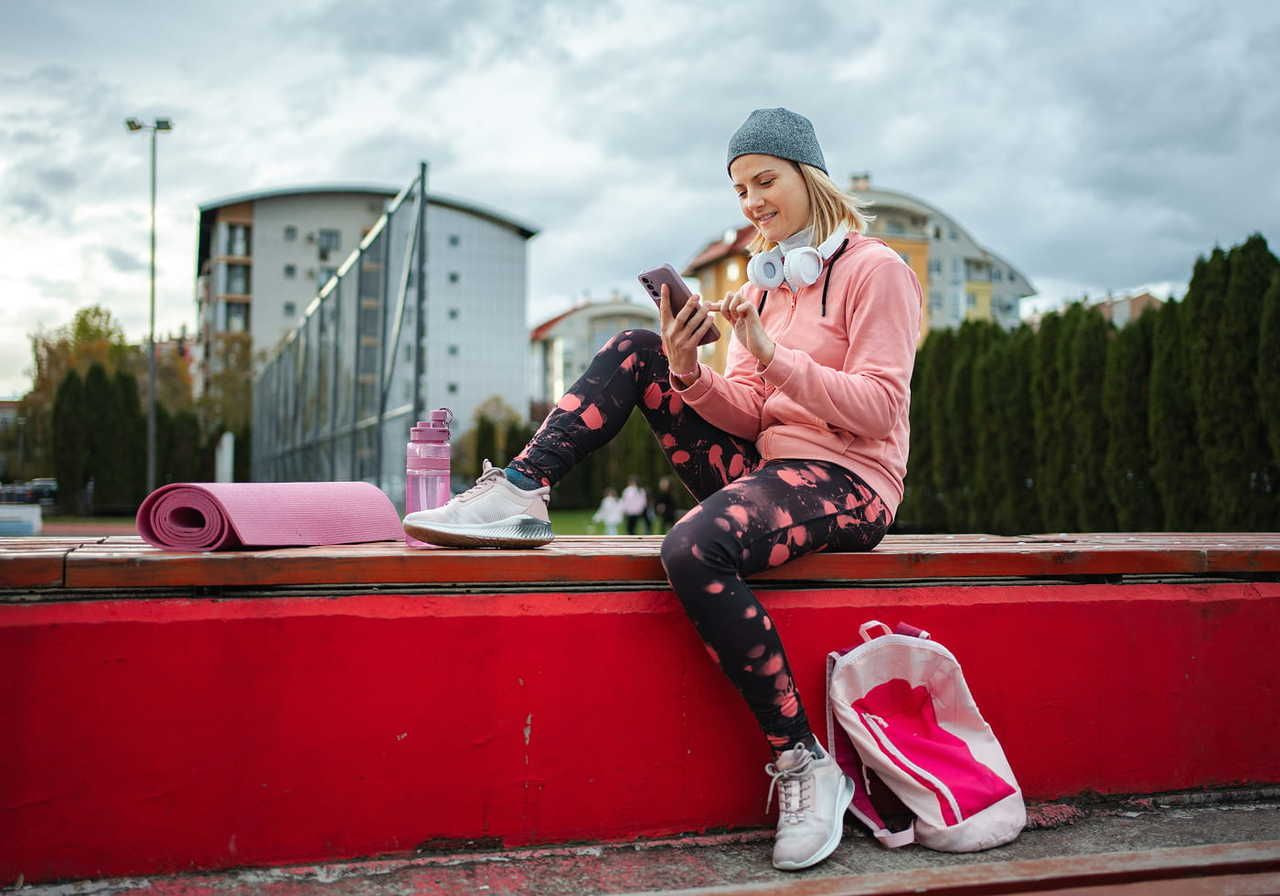
These Printful sportswear products make it easy to launch custom fitness clothing that holds up to daily training while giving your brand room to stand out with design.
Leggings
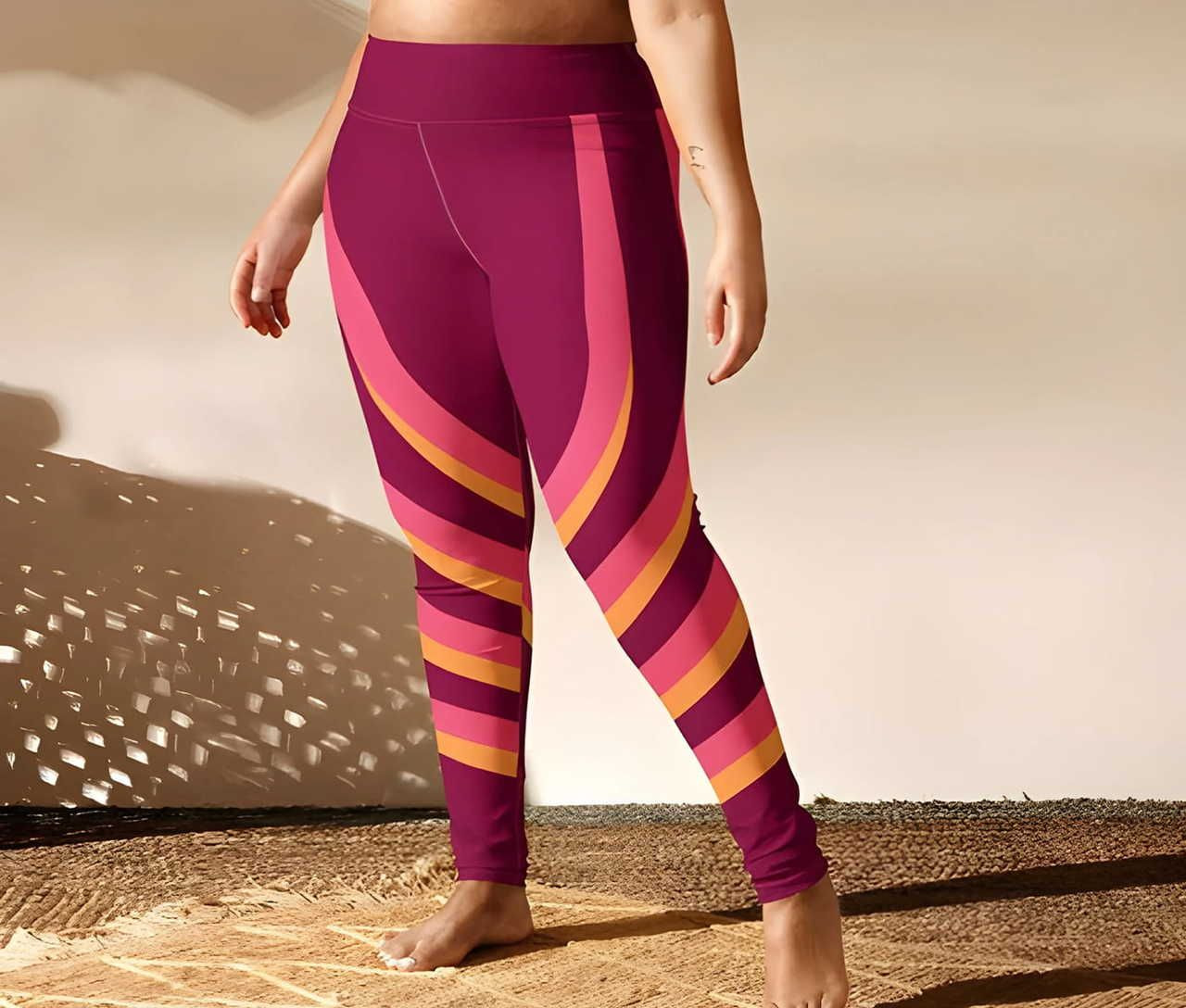
The all-over-print (AOP) yoga leggings are flexible enough for the gym or casual athleisure wear.
-
Material: 75% recycled polyester, 25% elastane
-
Printing method: All-over-print sublimation
-
Top features: Four-way stretch, UPF 50+ protection
Sports bras
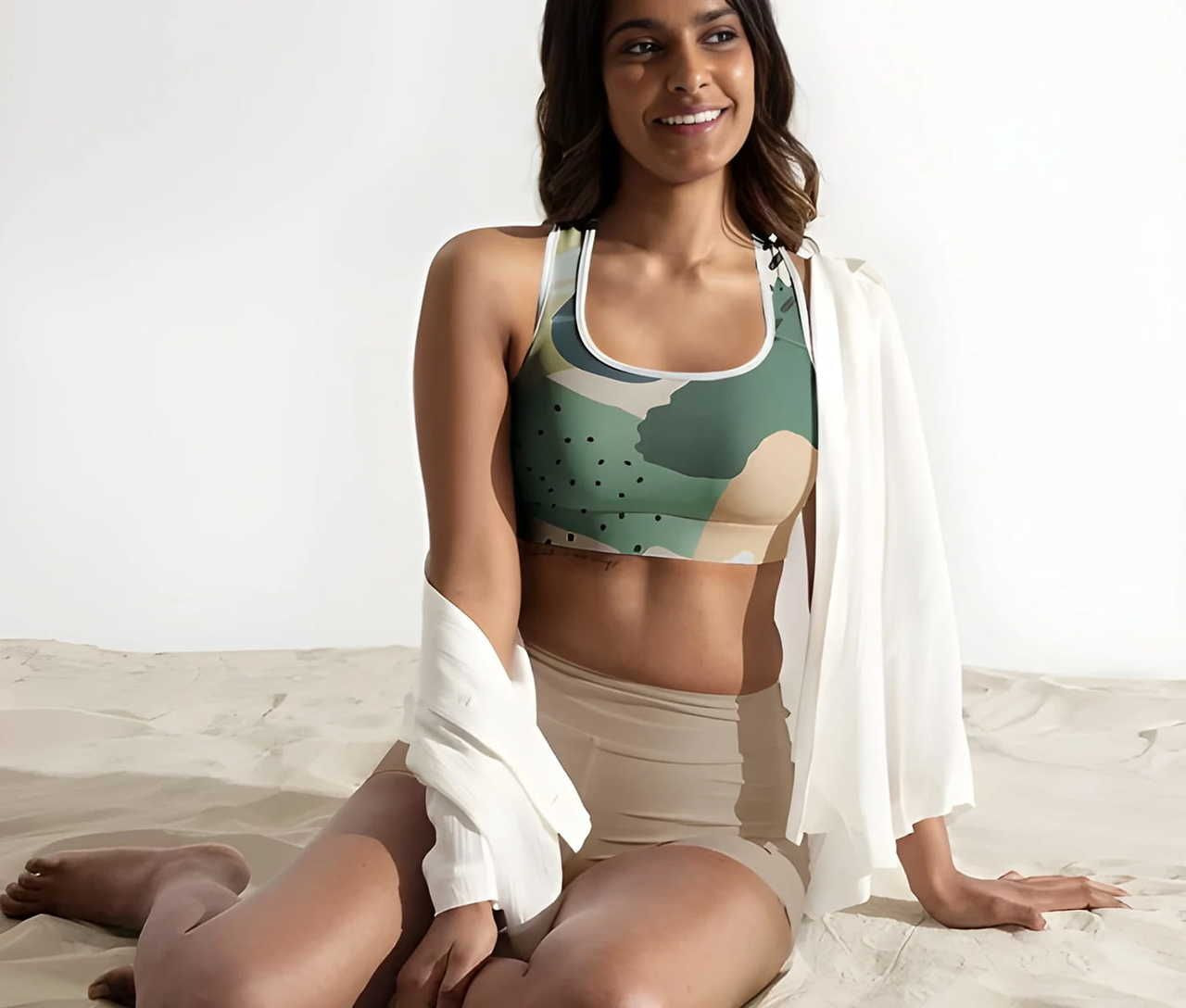
The AOP padded sports bra gives customers versatility with removable padding and bold full-print designs.
-
Material: 75% recycled polyester, 25% elastane
-
Printing method: All-over-print sublimation
-
Top features: UPF 50+ protection, supportive racerback design
Breathable t-shirts
The unisex sports tee is an affordable, durable base for branded merch and casual activewear lines.
-
Material: 50% cotton, 50% polyester
-
Printing method: DTFlex or embroidery
-
Top features: DryBlend moisture management for extended durability
Compression shorts
The AOP yoga shorts offer high-waisted comfort with head-turning all-over designs.
-
Material: 75% recycled polyester, 25% elastane
-
Printing method: All-over-print sublimation
-
Top features: Four-way stretch, UPF 50+ protection
Workout jackets
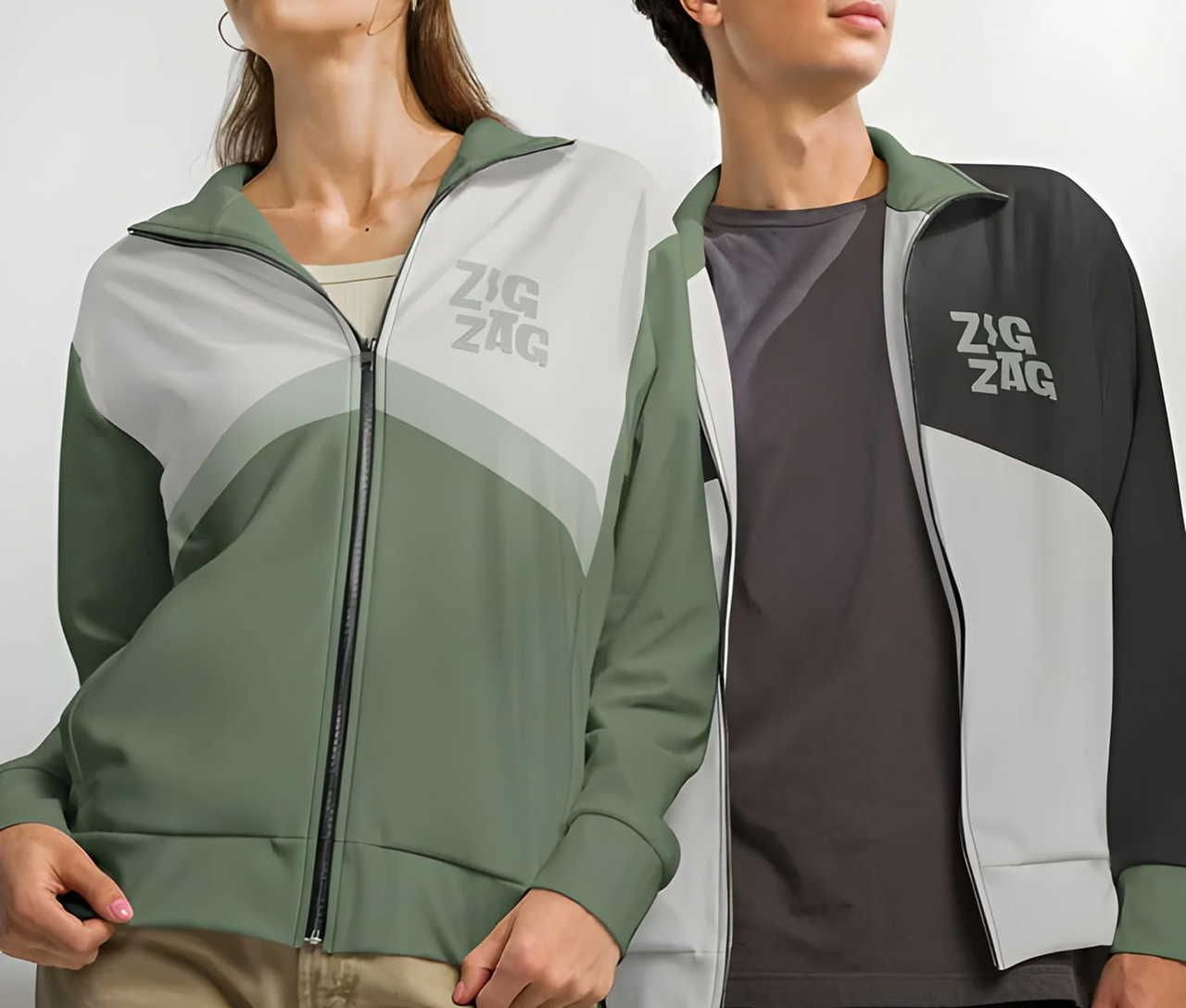
The AOP recycled track jacket appeals to eco-conscious buyers and premium positioning with certified sustainable materials.
-
Material: 96% recycled polyester, 4% elastane (GRS certified)
-
Printing method: All-over-print sublimation
-
Top features: Cotton-feel face with brushed fleece lining, relaxed unisex fit
Dad hats
The classic dad hat features a timeless design that works across all brand aesthetics.
-
Material: 100% cotton twill
-
Printing method: Embroidery
-
Top features: Unstructured 6-panel low-profile, adjustable buckle strap
Polo shirts
The adidas® sport polo shirt elevates workleisure and professional collections with world-renowned quality.
-
Material: adidas performance fabric
-
Printing method: Embroidery
-
Top features: Quick-drying performance fabric
Joggers
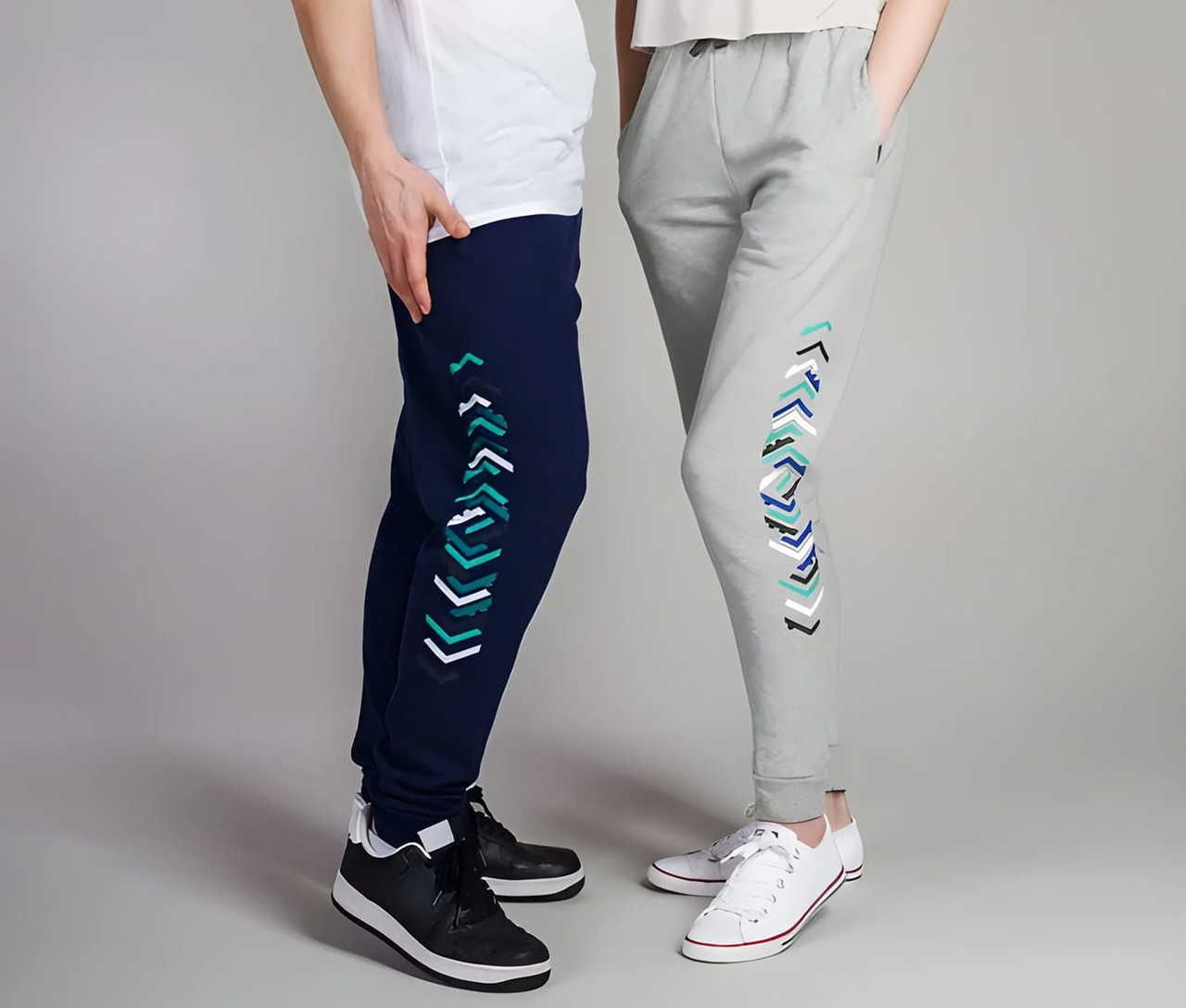
The unisex joggers round out athleisure collections with comfortable, relaxed-fit bottoms for everyday styling.
-
Material: Cotton-poly blend
-
Printing method: Direct-to-garment or embroidery
-
Top features: Unisex fit, drawstring waistband
How to start an athleisure brand with Printful
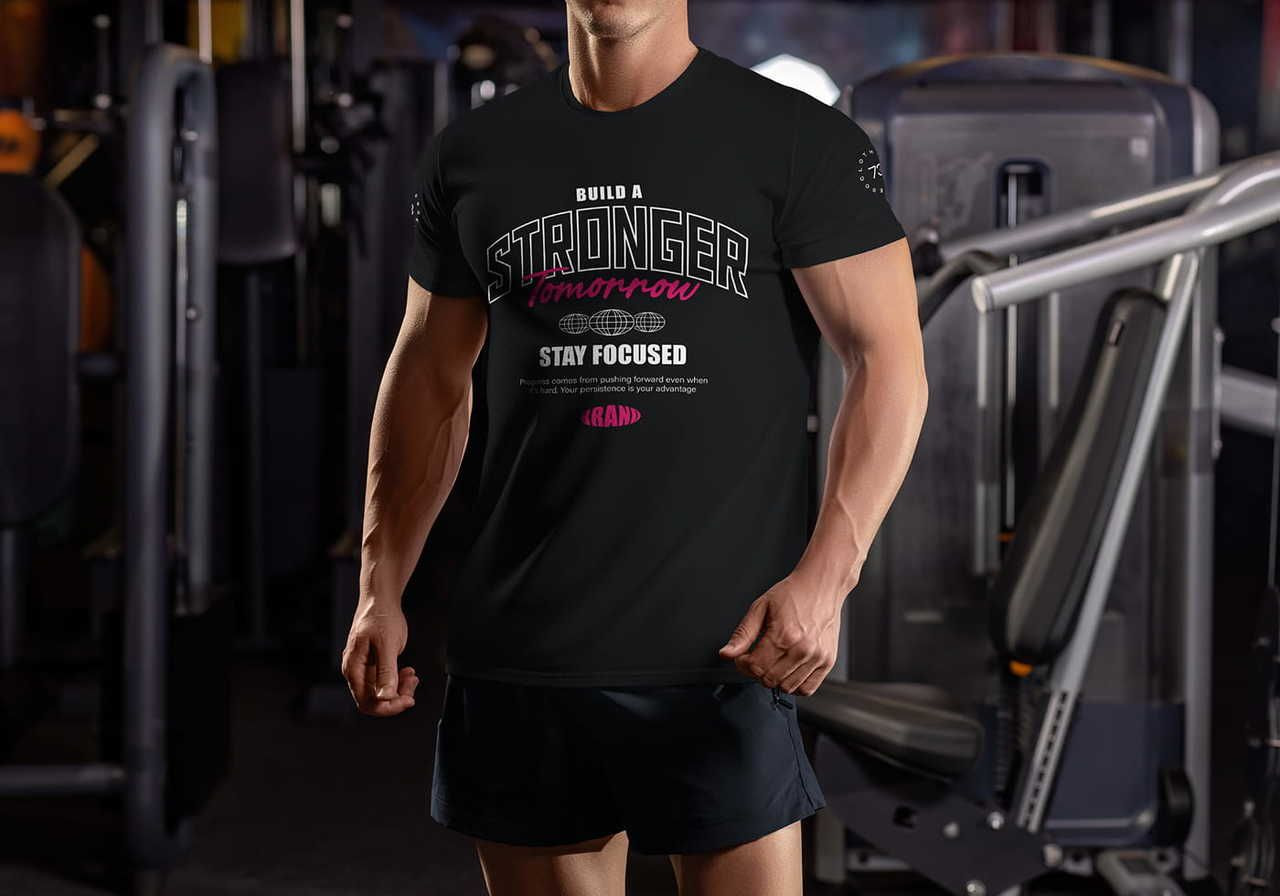
With Printful, you can launch an activewear line and enter the athleisure market without inventory or upfront costs.
Our print-on-demand model works similarly to dropshipping, but instead of reselling existing products, you design custom items. So your brand is truly yours, not a copy of someone else’s.
How to use Printful:
-
Sign up with Printful for free and connect your online distribution channels using our eCommerce integrations. We work with Shopify, Etsy, TikTok Shop, and more.
-
Explore our Catalog and choose a sportswear product to sell.
-
Use our Design Maker to upload your logo or artwork, or create from scratch using our clipart and design templates.
-
Publish the product to your store and start selling. Whenever a customer places an order, Printful prints, packages, and ships directly to them. You keep the profit.
The future of the athleisure market
Global athleisure market trends have shown that activewear is no longer just for the gym. Driven by healthy lifestyle priorities, it now works for the office, social events, and workouts alike.
Whether you’re into workleisure, court-to-street, or eco-athletics, success means understanding what that audience values: fabric quality, sustainability, inclusivity, and thoughtful design. Pick your niche, match it to the right consumers, and build your brand accordingly.
Ready to launch your own athleisure line? Sign up with Printful for free and create your next bestseller today.
Read next:
Trending products to sell online
FAQ
While the athleisure market is considered highly saturated, it continues to offer growth opportunities for brands that prioritize comfort, quality design, and sustainability.
The market is on track to reach $402.74 billion in 2026 and is heading toward $844.77 billion by 2034 – proving there’s room for new entrants in the right niches.
The biggest trend in athleisure right now is the shift toward quality and intentionality. Minimalist design, sustainable materials, and size-inclusivity are reshaping the market. Consumers now prioritize brand values and versatility over hype and logos.
Sustainability is important in athleisure because Gen Z and Millennials prioritize it in their purchasing decisions. 71% of younger consumers are willing to pay more for products made with sustainable materials.
This preference translates directly to market growth: the sustainable athleisure segment is projected to reach $176 billion by 2030.

Maisha is a content writer with 6+ years of experience in turning complex topics into clear, search-optimized content. She believes readability always wins, no matter how SEO trends shift. Outside of writing, she’s usually trying new recipes (but never following them), watching niche YouTube videos, or planning food-fueled adventures.

