


Table of contents
What is dropshipping in the UK, and is it still a good way to make money online in 2026? This guide breaks down the dropshipping business model, explaining exactly how it works and what you need to do to build a successful brand.
Whether you're launching your first eCommerce venture or just exploring different fulfilment options, we'll cover the pros, cons, and alternatives to help you decide if dropshipping is the right move for you.
Key takeaways
-
Dropshipping is a retail model that lets you sell online without managing any stock. You run the online shop, and a third-party partner handles the storage, packing, and shipping.
-
Profitability comes down to your strategy. The niche you choose, the reliability of your supplier, your pricing, and your marketing all play a huge part in your success.
-
Brand control is limited with traditional dropshipping. You have less say over packaging, delivery times, and product quality, directly affecting your customers' experience.
-
Print on Demand (POD) offers far more creative freedom and brand control. Design your own products, add custom branding, and automate fulfilment with Printful – it’s the perfect evolution of the dropshipping model.
What is dropshipping?
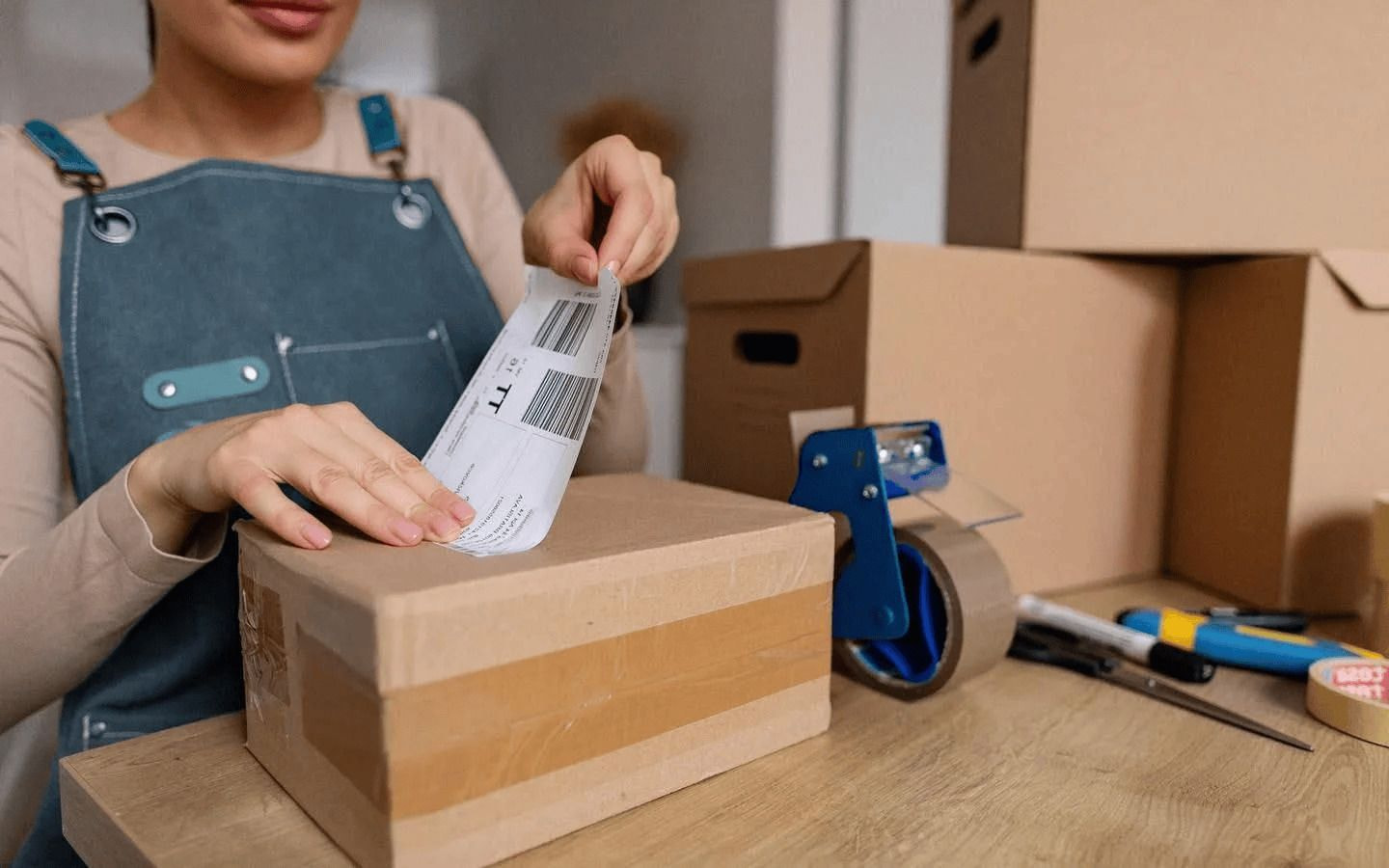
Dropshipping is an eCommerce model where you sell pre-made products online without ever buying or storing the stock yourself. Instead, you partner with a third-party supplier who handles all the logistics, from storing the items to packing and shipping orders directly to your customers.
When a customer buys something from your website, the order details go straight to your supplier. They then ship the product from their warehouse to the customer's address. This makes dropshipping a low-risk business model that's incredibly easy to start, especially for beginners.
That's why so many new entrepreneurs, students, and side-hustlers in the UK choose dropshipping. It’s simple to launch and doesn't require a large investment. All you need is a laptop, a good internet connection, and a trustworthy supplier to get started.
How does dropshipping work? Order fulfilment steps
Here’s a simple, step-by-step look at how a dropshipping business works from the moment a customer clicks Buy:
-
A customer finds your online store (on a platform like Shopify or WooCommerce) and places an order.
-
That order is automatically forwarded to your dropshipping supplier.
-
The supplier packs and ships the product directly to your customer, often using carriers like Royal Mail for UK deliveries.
-
You keep the difference between what the customer paid you and what you paid the supplier. That's your profit.
A dropshipping business thrives when you:
-
Partner with reliable suppliers (especially those based in the UK for faster shipping).
-
Choose high-quality products from a trusted manufacturer.
-
Use automation tools to manage your store efficiently.
-
Focus on brilliant marketing and customer service.
Long-term success is built on offering great products, providing excellent support, and creating a memorable brand. The smoother your fulfilment is, the happier your customers will be – leading to better reviews and more sales.
Pros and cons of dropshipping

Just like any business model, dropshipping has its advantages and its challenges. It's vital to understand both before you launch your online store.
Benefits of dropshipping
Dropshipping lets you start an online business with very little cost and risk. You sell finished products, and your supplier manages all the stock, packaging, and shipping, freeing you up to concentrate on building your brand and marketing your products.
You can run your business from anywhere, test new product ideas without financial commitment, and pivot to a new niche easily.
Main perks:
-
Low start-up costs
-
No warehouse or storage needed
-
Flexible and location-independent
-
Easy to test new products
Dropshipping challenges
Dropshipping isn't without its downsides. Here are a few things to keep in mind:
-
Lower profit margins. Selling products one by one is more expensive than buying stock in bulk.
-
No control over the supply chain. If your supplier is slow to ship or sends out a low-quality item, your brand takes the blame and the negative review.
-
Difficult to stand out. Since you’re selling pre-made, finished products, standing out in a crowded market all depends on how well you position your brand.
If you work with multiple suppliers, things can get complicated. A single customer order with items from different suppliers will arrive in separate packages at different times, which can be confusing and increase shipping costs. This is a common issue for a dropshipping business that sources from overseas.
In short, while the dropshipping model is a great starting point, you have to be comfortable trusting a third party with a critical part of your business.
How to start a dropshipping business in the UK

If dropshipping sounds like the right fit for you, the next step is to get your store up and running. Here’s how to launch and grow your eCommerce business from scratch.
1. Find a dropshipping niche
Your niche is the specific category of products you’ll sell. A focused niche helps you attract the right customers and stand out in a crowded market. Think about your hobbies or passions. Could you sell eco-friendly home goods, accessories for dog lovers, or gear for a local football team?
Once you have an idea, check the demand. Use tools like Google Trends or browse Etsy to see if people are searching for those products. Choose something with genuine, lasting demand, not just a passing trend. Make sure there's enough room to make a profit after paying your supplier.
2. Name and register your business
Your business name is the heart of your brand identity. It needs to be memorable, relevant, and available. Use a business name generator for ideas, and then check if the domain name is free.
Once you have a name, you'll need to register your business. In the UK, you can operate as a sole trader or a limited company (Ltd). You can register your business with Companies House and set up with HMRC for tax purposes.
This is also the perfect time to open a business bank account to keep your finances separate.
Disclaimer: This information is for general guidance only and does not constitute legal, financial, or tax advice. Obligations vary depending on your circumstances. Always consult a qualified professional before making business decisions.
3. Find a dropshipping supplier

Your supplier is your most important partner. A great supplier delivers quality products on time, while a bad one can sink your reputation. Look for suppliers on platforms like DSers or Spocket, paying close attention to reviews, shipping times, and product quality.
Whenever possible, choose a UK-based supplier. This means faster delivery for your customers, no surprise customs fees, and easier returns.
Always order samples first to check the product quality and packaging for yourself before listing anything on your store.
4. Set up your online store
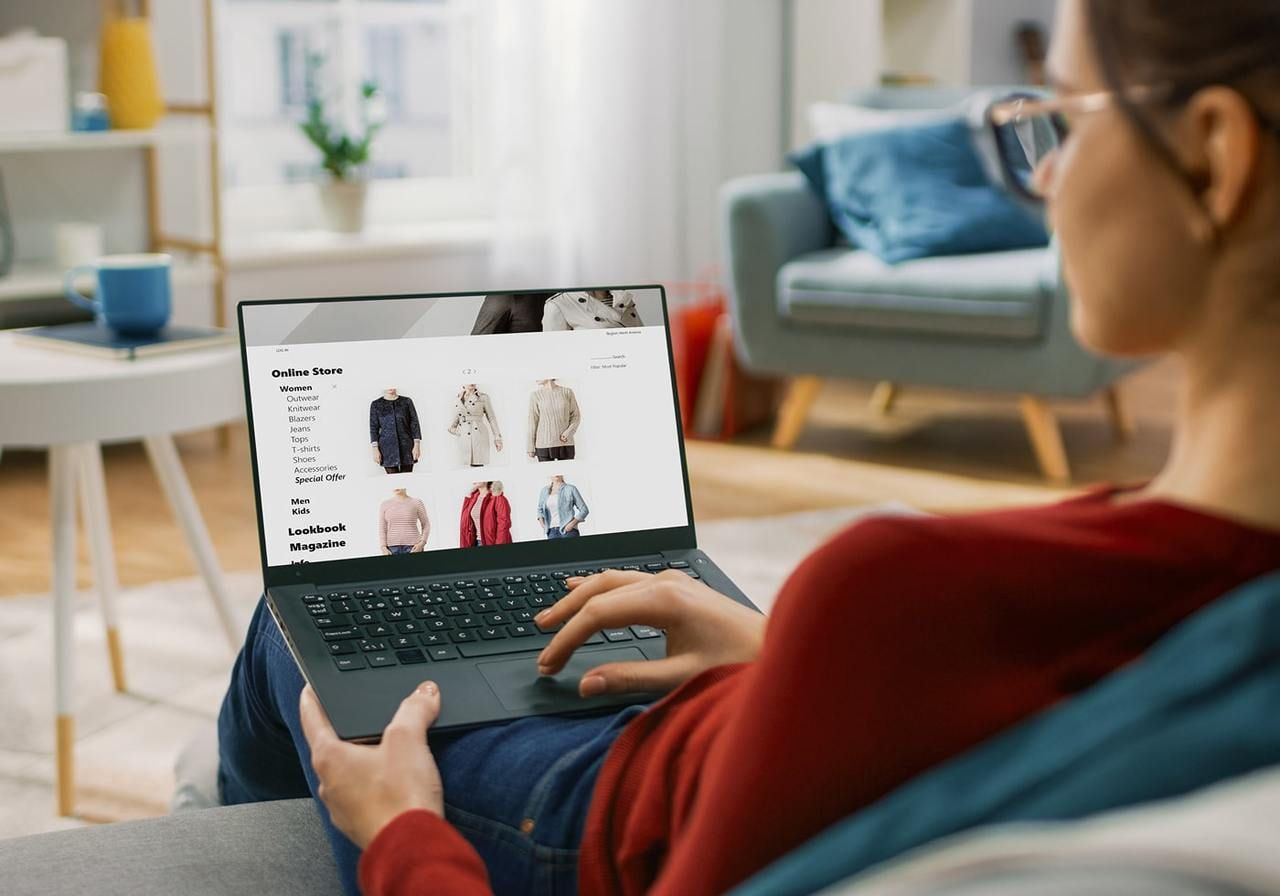
With a niche and supplier sorted, it’s time to build your digital shopfront. eCommerce platforms like Shopify or WooCommerce are perfect for this, as they integrate seamlessly with dropshipping apps.
Install a dropshipping tool to help you import products from your supplier's catalogue, sync inventory levels, and automate order processing.
Then, design your store:
-
Create a clear, attractive homepage.
-
Write compelling product descriptions with high-quality images.
-
Include an About Us page, contact details, and a clear shipping and returns policy.
Before you go live, place a test order to ensure the entire process, from checkout to payment, is smooth and error-free.
5. Set competitive pricing
Your pricing strategy will determine your profit margin and how customers see your brand. Price too high, and people will hesitate to purchase – too low, and you won't make any money.
Start by calculating your retail price in GBP (£). Here’s a simple formula:
-
Supplier price + shipping costs + transaction fees + taxes (like VAT) + your desired profit = retail price
Keep an eye on your competitors to ensure your prices are reasonable for the market. Consider offering promotions like free shipping over £50 or bundle deals to encourage larger orders without cutting into your base prices.
6. Optimise your listings
Your product pages can make or break sales. Great listings grab attention, build trust, and convince shoppers to buy.
Here’s how to make them better:
-
Write clear, keyword-rich product titles.
-
Create original product descriptions that highlight benefits – don't just copy the supplier's text.
-
Use high-quality photos or mockups to show the products in their best light.
-
Include key details like materials, sizing charts (in cm), and estimated delivery times.
To get more visitors from Google, use keyword research tools to find what your customers are searching for. Include these phrases in your titles, descriptions, and image alt text to improve your search engine optimisation (SEO).
7. Market your dropshipping store
Now that your store is live, it's time to bring in customers. Since many dropshipping businesses sell similar items, building a trusted brand is key.
Focus your marketing efforts where your target audience spends their time. For visual niches like fashion or home decor, Instagram and TikTok are ideal. For broader reach, consider Google Ads.
Start small with paid advertising to test what works. Encourage customers to leave reviews or share photos of their purchases in exchange for a discount. This builds social proof and trust.
Finally, use email marketing to build relationships with your customers and encourage repeat purchases, especially around UK shopping events like Bank Holidays and Boxing Day sales.
Is dropshipping profitable?
Yes, a UK dropshipping business can be very profitable, but success depends entirely on the effort you put in. You need a great niche, reliable suppliers, smart pricing, and even smarter marketing.
The global dropshipping market is booming, fueled by the growth of online shopping. But how much of that you can capture depends on:
-
Your profit margin. The difference between your supplier's price and your selling price.
-
Market competition. How many other stores are selling the same products?
-
Product selection. Are you selling what people actually want to buy?
-
Your branding. Why should customers buy from you instead of someone else?
-
Fulfilment quality. How well your supplier handles orders.
Some UK sellers make a few hundred pounds a month as a side income, while others build six-figure businesses. It all comes down to how well you run your store and how much you're willing to learn and adapt.
Tips for running a successful dropshipping business

Building a profitable dropshipping business in 2026 requires more than just listing products. You need to work smart, stay agile, and focus on what your customers want. Here are some practical tips to help you succeed.
Stay on top of trends
Make sure your product catalogue is fresh and exciting. Use Google Trends to spot rising search terms in your niche, and browse TikTok or Etsy to see what's going viral.
Update your product selection seasonally to give people a reason to come back, but always keep your bestsellers in stock.
Don’t skip SEO
Search engine optimisation helps your store appear in Google search results, driving free, organic traffic to your site. This is crucial for long-term, sustainable growth.
Find what your customers are searching for and include those keywords in your product titles and descriptions. Always write unique content – Google penalises duplicate text copied from suppliers.
Build trust and be transparent
Dropshipping customers can be wary of long shipping times and unknown quality. Get ahead of these concerns by being completely transparent.
-
Clearly state estimated delivery times on your product pages.
-
Create an FAQ page that explains your dropshipping process.
-
Use an app to provide customers with real-time order tracking.
By setting clear expectations upfront, you'll build trust and reduce the number of customer service queries you have to handle.
Print-on-demand: A better way to build your brand

Traditional dropshipping is a great way to start, but it means sacrificing control over your products and brand experience. If you want to build a truly unique business that stands out, Print on Demand is the perfect alternative.
With a print-on-demand partner like Printful, you're in the driver's seat.
Instead of generic products, you can create custom designs, and we only produce and ship the product after an order is placed. You still don't handle any inventory or shipping, but you gain enormous control over your brand.
Here’s why POD is a game-changer for UK entrepreneurs:
-
Higher profits. Custom products feel more unique, so customers are willing to pay more. This means better profit margins for you.
-
Full brand control. Add your logo to packaging, labels, and packing slips. This is something most dropshippers can't offer.
-
Unique product catalogue. Don't just sell generic items. You can sell clothes online with your own unique designs, from personalised clothing and personalised hoodies to custom home decor.
-
Local UK fulfilment. With Printful’s UK fulfilment centres, your orders reach your British customers in just a few days. There are no cross-border customs fees, and shipping is fast and reliable.
-
No inventory risk. Just like dropshipping, you only pay for a product after you've sold it.
If your goal is to build a real brand, not just a store, POD is the answer. You get more creative freedom, better quality control, and the tools to create an unforgettable customer experience.
Read more: Learn more about how Printful works.
Dropshipping FAQ
Yes. To operate legally in the UK, you must register your business. You can register as a sole trader (the simplest structure) or a limited company with Companies House. You'll also need to register with HMRC for tax purposes.
If your taxable turnover exceeds £90,000 (the current threshold), you must register for and charge Value Added Tax (VAT). It's always best to consult with a legal professional to ensure you're fully compliant.
Yes, as long as your online store is integrated with your supplier's system. When a customer makes a purchase, the order details are sent to the supplier automatically for fulfilment.
Without this integration, you would need to forward each order manually, which is slow and prone to errors.
Not really. While it's more flexible than a traditional retail business, it's not completely hands-off. The initial setup requires work, and even once you're running, you'll need to manage marketing, customer service, and stay on top of trends.
Think of it as semi-passive – it gives you freedom, but it still requires your attention to grow.
Dropshipping is an eCommerce retail model. You are the retailer who manages the shopfront – the website, marketing, and customer service. Your supplier is the wholesaler and logistics partner who manages the back-end – the inventory, packing, and shipping.
It's one of the most accessible ways for new entrepreneurs to start an online business.
Printful is a print-on-demand company that uses a dropshipping fulfilment model. This is an important distinction.
Unlike a traditional dropshipping service where you sell pre-existing, generic products, Printful empowers you to create and sell your own unique, custom-designed items.
We handle all the printing, packing, and shipping – just like dropshipping – but the products are 100% yours. With our custom branding options and UK-based fulfilment, Printful is the perfect partner for anyone looking to build a distinctive brand, not just resell someone else's products.
Ready to start your own t-shirt printing empire? We're here to help.

Printful is an on-demand printing and fulfillment service that helps businesses create and ship custom products.

