



Table of contents
Whether you're a musician, content creator, streamer, or small business owner, knowing how to make merch is one of the most powerful moves you can make in 2026. Custom merchandise is more than just branded products, it's a proven way to build a deeper connection with your community, drive sales, and create a reliable revenue stream that works even when you're not actively creating content.
The good news? You don't need a warehouse, a big budget, or a design degree to get started. This step-by-step guide on how to make your own merch walks you through everything – from understanding what your audience wants to setting up your online merch store and promoting it like a pro.
Why should you start making and selling merch in 2026?
If you already have an engaged audience, you're sitting on an untapped opportunity. Launching a merch store lets you monetize the loyalty you've already built, encourage repeat purchases, and give your fans a tangible way to show their support.
Unlike ad revenue or sponsorships, selling merchandise is something you own and control, and with the right fulfillment partner, there's virtually no inventory risk involved.
Curious about how merch works and what it actually covers? Check out our guide on what is merch before diving in.
How to make and sell merch: 7 simple steps

Ready to create merchandise and start selling? Here's exactly how to do it.

Step 1: Understand what your audience wants
Before you design a single t-shirt or set up your own store, you need to know what your audience actually wants to buy. Skipping this step is one of the most common reasons merch stores underperform.
Start by looking inward. Which of your posts, videos, or releases have generated the most engagement? Are there recurring phrases, inside jokes, or visual themes your community gravitates toward? These are gold mines for merch designs. YouTuber Kurtis Conner, for example, built a successful merch line around the phrase "Kurtistown" – a term his fans already loved and identified with.
Beyond intuition, consider more formal market research methods:
-
Poll your audience directly. Use Instagram Stories, YouTube Community posts, or TikTok Q&As to ask what products and designs your fans would buy.
-
Analyze competitor merch. Look at what similar creators or brands are selling. What products seem popular? What price points are they using? What's missing from their lineup that your audience might want?
-
Use social listening tools. Platforms like Brandwatch or Mention can help you spot what topics, aesthetics, and products your community is already talking about.
-
Check trending products. Explore trending products to sell to stay ahead of what's popular in the custom merch space.
The more you understand your audience before you launch, the stronger your merch strategy will be from day one.
Step 2: Decide on the merch items to sell
Once you have a feel for what your community wants, it's time to choose the actual products. When you're just starting out, keep it focused. A tight, well-curated lineup is far more effective than a sprawling catalog of custom products that dilutes your brand identity.
A solid starting point for most creators:
-
T-shirts: The cornerstone of almost every merch store. Versatile, high-demand, and easy to design for.
-
Hoodies and sweatshirts: Higher price point, higher perceived value, and a fan favorite for colder months.
-
Hats: Great accessories that work across different audiences and content niches.
-
Mugs: Popular for lifestyle content creators, educators, and anyone with a strong personal brand.
-
Stickers: Low cost, easy impulse purchase, and perfect for younger audiences.
Once your store gains traction and you start seeing what sells, you can expand into more unique custom products. Refreshing your catalog regularly also helps attract new customers and gives existing fans a reason to come back and buy again.
Not sure where to begin? Check out Printful's full product catalog for inspiration on what to sell.

Step 3: Create designs that resonate with your audience
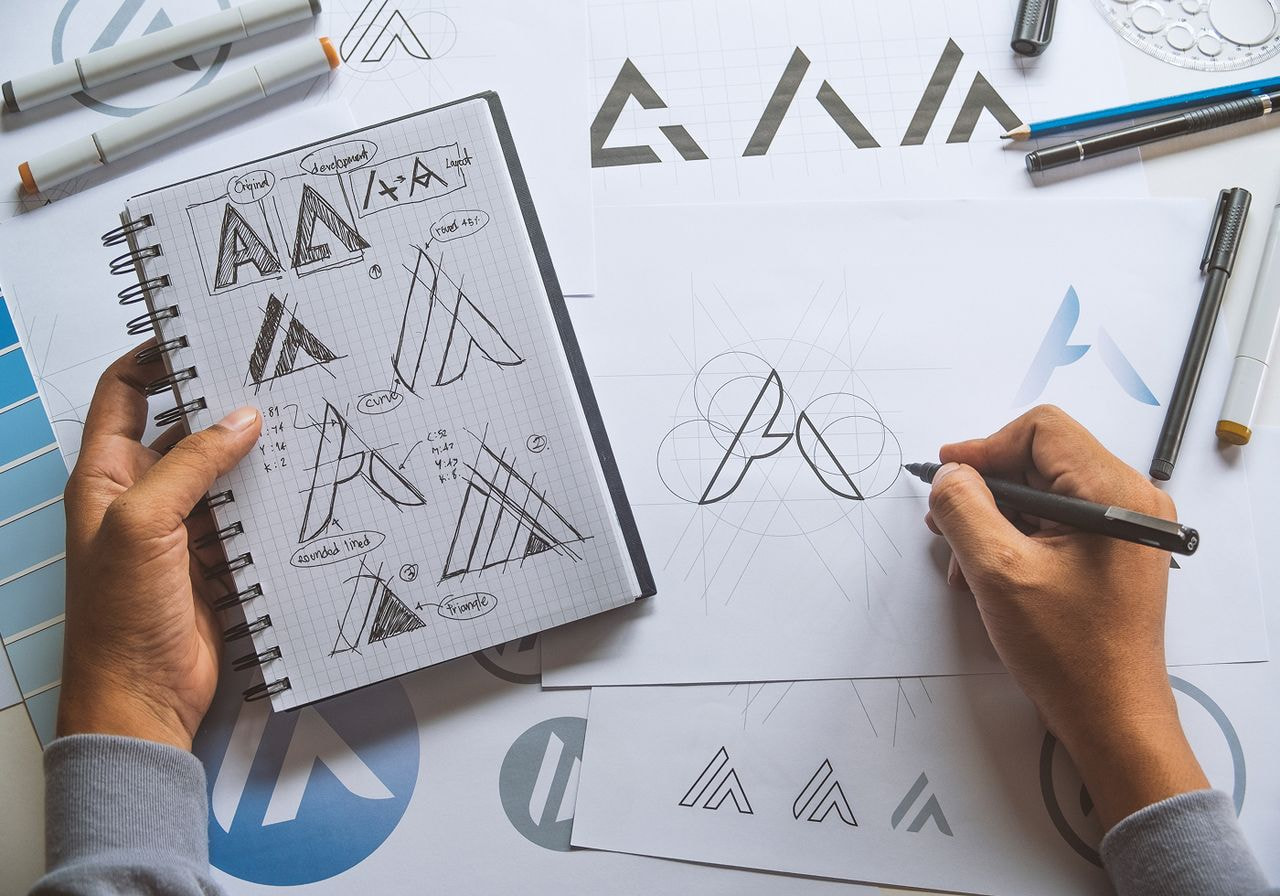
Your merch designs are what make or break your sales. A great product with a weak design won't sell, but a compelling design on a simple t-shirt can become your best-selling item. When you design merch and create custom products, the goal is to build something that feels authentically connected to your brand while being genuinely appealing to wear or use.
Think about the visual language your audience already associates with you: your color palette, fonts, brand logo, recurring imagery, and overall aesthetic. Your merch designs should feel like a natural extension of that world. If you already have a logo, it's often the strongest starting point – a clean brand logo on a quality hoodie or tee is a timeless merch formula that rarely fails.
Where to create your designs and how to design merch:
If you're a confident designer, tools like Adobe Illustrator, Photoshop, or Canva give you full creative control for designing custom apparel and other items. But if you want a completely free option and are wondering how to make merch for free, the Printful Design Maker is built specifically for this. It lets you upload your artwork, apply a logo or creative design directly to products, and add finished items to your store in just a few clicks no design experience required.
Here's how the upload process works: open the Design Maker, select a product, upload your artwork or logo file, position and resize your design on the product mockup, then save and publish to your store. That's it. From first upload to live listing, the whole process takes just minutes.
Not a designer? That's fine too. Platforms like Fiverr and Upwork connect you with freelance graphic designers who specialize in merch artwork. Share your brand identity, reference your logo, and give clear direction on style and tone, then let a professional bring your creative design vision to life.
Whatever route you choose, prioritize quality. Poorly executed merch designs hurt your brand more than no merch at all.
Step 4: Select a merch fulfillment service
With your designs ready, you need to decide how your own merch will actually be made, packed, and shipped. This decision has a major impact on your upfront costs, product quality, and how much time you'll spend managing logistics.
What is a print-on-demand partner and how does it work?
Print on Demand is a fulfillment model where products are only printed after an order is placed – meaning there's no need to hold inventory or take on any inventory risk. You create your designs, list your custom products in your online merch store, and when a customer places an order, your fulfillment partner handles the printing, packing, and shipping on your behalf.
This is a completely different model from buying blank products in bulk and handling production in-house. While the in-house route gives you more hands-on control, it comes with high upfront costs – printing equipment, bulk stock, storage, and potentially a whole team of extra staff. It's also extremely time-consuming. For most creators and small business owners, print-on-demand is the smarter, lower-risk path to making and selling merchandise.
What are the different custom apparel printing methods available?
Not all printing techniques are created equal. The right method depends on your product, design complexity, and quality expectations. Here's a breakdown of the most common options:
Direct-to-garment (DTG) printing uses inkjet technology to apply ink directly onto fabric. It's ideal for complex, multi-color designs and small print runs. DTG produces vibrant, detailed results and works best on 100% cotton garments.
Screen printing involves pushing ink through a mesh screen onto a surface. It's highly durable and cost-effective for large orders but requires a separate screen for each color, making it less practical for intricate, multi-color artwork or small batches.
Embroidery stitches your design, including a brand logo, directly into the fabric using thread. It delivers a premium, tactile finish that's especially popular on hats, polos, and outerwear. It adds significant perceived value to branded merchandise.
Sublimation printing bonds dye directly into the fabric fibers using heat, producing vivid, all-over prints that won't crack or fade. It works exclusively on polyester-based products and is perfect for creative designs that cover the full surface of an item.
Why choose Printful as your merch fulfillment partner?
Printful is one of the leading print-on-demand companies in the world. With access to over 300 custom products, production centers across North America, Europe, and beyond, and built-in integrations with all major eCommerce platforms, Printful makes it straightforward to sell merch to a global audience without any upfront investment.
Here's what sets Printful apart:
-
No upfront costs or minimum orders: You only pay when a customer buys.
-
Branding options: Ship orders under your own brand with custom packaging, packing slips, and labels featuring your logo.
-
Quality control: Each order is reviewed by the team before it ships.
-
Global fulfillment network: Production centers worldwide mean faster shipping for your customers.
-
Free to use: There are no monthly fees to connect your website or store and start selling.
Step 5: Create a competitive pricing strategy

One of the most common mistakes new merch sellers make is pricing by guesswork. A smart merch pricing strategy balances your production costs, your perceived value in the market, and what your audience is realistically willing to pay. Getting this right is key to long-term success.
How do you calculate production costs and profit margins for custom merchandise?
Learning how to price custom merchandise starts with understanding your costs. Your profit margin is the difference between what a customer pays and what it costs you to produce and deliver the product. When you sell merch through a print-on-demand partner like Printful, your cost is the base product price plus any applicable shipping. Set your retail price above that – the gap is your profit.
For example, if a custom t-shirt costs $12 to produce and you sell it for $28, your gross profit margin is $16 per shirt, or roughly 57%. Most creators aim for a profit margin of at least 30-50% on apparel.
Don't forget to account for:
-
Platform transaction fees (typically 2-5% on most eCommerce platforms)
-
Payment processing fees (usually around 2.9% + a small flat fee)
-
Occasional promotions or discounts
What pricing models work best for different merch types?
-
Value-based pricing sets prices based on how much your audience perceives the product to be worth, not just its production cost. Fans who feel a strong connection to your brand are often willing to pay a premium for that association.
-
Competitive pricing benchmarks your prices against similar creators or brands. This keeps you in range without undercutting your own margins.
-
Tiered pricing offers products at multiple price points – for example, stickers and pins at lower prices alongside premium hoodies – so fans at different spending levels can all participate.
How can you ensure your merch pricing strategies are fair and competitive?
Research what creators in your niche are charging for similar items. Check out a few competitor merch stores and compare price points for t-shirts, hoodies, and accessories. If your prices are significantly higher without a clear reason (like premium materials or limited-edition status), consider adjusting. If they're much lower, you may be leaving money on the table. Revisit your pricing regularly as your audience grows – a larger, more engaged community can typically support higher price points.
Step 6: Set up a merch store
With your products, designs, and pricing strategy in place, it's time to set up your online store. This is your selling merch online guide to getting the right platform in place. The website or platform you choose will shape your customers' shopping experience, so it's worth thinking carefully about which one fits your needs.
When comparing eCommerce platforms for your merch store, consider these six factors:
-
Cost – Monthly subscription fees, transaction fees, and payment processing charges can vary significantly.
-
Ease of use – Some platforms use intuitive drag-and-drop website builders; others require more technical setup.
-
Design and customization – How much creative control do you have? Can your store reflect your brand identity?
-
Integrations – Does the platform connect directly with Printful and other tools you use?
-
Payment options – Your customers expect seamless checkout. Make sure your platform supports all major payment methods.
-
Customer support – Responsive, multichannel support matters when something goes wrong.
Here's a quick eCommerce platform comparison for merch sellers:
| Platform | Best for | Monthly cost | Printful integration | Notable feature |
|---|---|---|---|---|
| Shopify | Scaling creators and brands | From $39/mo | Yes | Powerful app ecosystem |
| Etsy | Discovery-focused sellers | Listing fees + 6.5% | Yes | Built-in organic audience |
| Amazon | High-volume reach | Variable | Yes | Massive built-in traffic |
| Wix | Beginners, creative control | From $17/mo | Yes | Easy drag-and-drop builder |
| Weebly | Budget-conscious sellers | Free plan available | Yes | Simple setup, low cost |
Printful connects seamlessly with all of these platforms. Once your store is live, upload your products directly, and every order will be automatically sent to Printful for production and fulfillment, with no manual work required. You can watch orders flow through the process and track fulfillment status from your Printful dashboard.
Step 7: Showcase your merch
Your online merch store is live. Now you need to make sure people actually find it. Merch shop promotion is where a lot of creators underinvest, but it's what separates a store that generates consistent revenue from one that sits largely unnoticed.
How can you effectively showcase your merch in your content?
The most natural and high-converting way to promote your own merch is to wear and use it in your own content. If you sell t-shirts, wear them in your videos. If you sell mugs, use one during your streams. When your merchandise is present in your content without being the entire focus, it creates organic exposure and social proof simultaneously.
Use dedicated posts and announcements for new drops, limited editions, or restocks. Behind-the-scenes content showing the design process or unboxing the first production run also performs well. For YouTubers, the YouTube merch shelf is a built-in feature that lets eligible channels display merch directly below their videos, making the path from viewer to customer as short as possible.
What advanced merchandise marketing tips can boost your sales?
-
Email marketing: Build a subscriber list and send dedicated campaigns for new product launches, exclusive discounts, and limited-edition drops. Email consistently delivers some of the highest returns on investment of any marketing channel.
-
Paid social ads: Retargeting ads on Instagram, TikTok, and Facebook can bring back visitors who browsed your store but didn't buy.
-
SEO for product listings: Use relevant keywords in your product titles and descriptions on your website so your merch store shows up in organic search results.
-
Limited-edition and seasonal drops: Scarcity and urgency drive sales. Time-limited collections create excitement and encourage fans to act quickly.
-
Collaborations: Partner with creators who share a similar audience. Cross-promotion exposes your merch to new customers already aligned with your brand.
How can fan engagement through merch build a stronger community?
Merch isn't just stuff you sell, it's a belonging signal. When fans wear your branded merchandise, they're publicly declaring their connection to your community. Deepen that bond by involving your audience in the creative process, rewarding loyal buyers with exclusive access or early drops, and encouraging user-generated content by asking fans to share photos of your merch in the wild.
This kind of engagement creates a feedback loop: the more connected your fans feel, the more they promote your brand organically, which brings in new customers and reinforces your existing community.
Learn more about eCommerce with Printful
Getting your first merch store off the ground is just the beginning. eCommerce moves fast, and the strategies that work today will evolve. Staying sharp means following industry trends, testing new ideas, and learning from your data.
Printful's blog, YouTube channel, and Printful Academy are all free resources packed with practical guidance on everything from design trends and marketing to platform comparisons and business growth. Whether you're figuring out how to make merch for your brand for the first time or looking to scale an existing operation, there's always something new to watch, read, and apply.
The team at Printful regularly publishes tutorials, case studies, and eCommerce insights to help sellers at every stage find success.
Conclusion
Making and selling your own merch in 2026 is one of the most accessible and rewarding ways to monetize your creativity and build a stronger community around your brand. With a clear strategy, the right print-on-demand partner, and consistent promotion, your merch store can become a meaningful and sustainable revenue stream.
Start with what you know, stay close to your audience, and don't be afraid to iterate. The best merch ideas often come from the community itself.
Frequently asked questions
Start by identifying what your audience loves about your content: recurring themes, phrases, or visual styles that resonate. Then choose a few core products (t-shirts and hoodies are a reliable starting point), create your designs, connect with a print-on-demand partner like Printful, and set up your online merch store. You can be up and running in a matter of days.
With a print-on-demand model, there are no upfront costs to get started, which is essentially how to make merch for free in terms of setup. You only pay for production when a customer orders. Base costs vary by item: a custom t-shirt typically runs $10 to $15 to produce, while a hoodie is usually $20 to $30. Your profit depends on the retail price you set. Most eCommerce platforms also charge monthly fees, which range from free to around $39/month or more.
Yes, when done strategically. The key is choosing the right products, pricing them with healthy margins (aim for at least 30 to 50%), and promoting consistently. Selling merchandise works especially well for creators with engaged, loyal followings because fans already have a strong motivation to buy. Repeat purchases from a dedicated community can make a merch store reliably profitable over time.
Most YouTubers use a print-on-demand service to create and sell custom merchandise without holding any inventory. They design products that reflect their brand identity, often starting with their logo, and set up a store on a platform like Shopify or Etsy, then connect it with a fulfillment partner like Printful. Many also use the YouTube merch shelf to feature products directly on their channel page, making it easy for viewers to shop without leaving YouTube. If you're wondering how to make your own merchandise as a YouTube creator, this is the most straightforward path.

Chan is a copywriter, creative writer, and technical writer with 15 years of experience creating everything from training courses to compelling marketing copy. A self-confessed research nerd, she loves digging deep into a subject and bringing it to life on the page. When she’s not writing, she’s exploring forest trails or walking the beach with her dog, or in the kitchen experimenting with homemade pickles and jams.

