



Table of contents
Learning how to start a kids’ clothing line takes more than a creative idea. From choosing your niche and understanding your target market to building your brand and deciding how to produce your products, there are a few key decisions to make. This guide breaks the process into eight practical steps, with the research and expert advice you need to get your business off the ground.
1. Research the kids’ fashion market
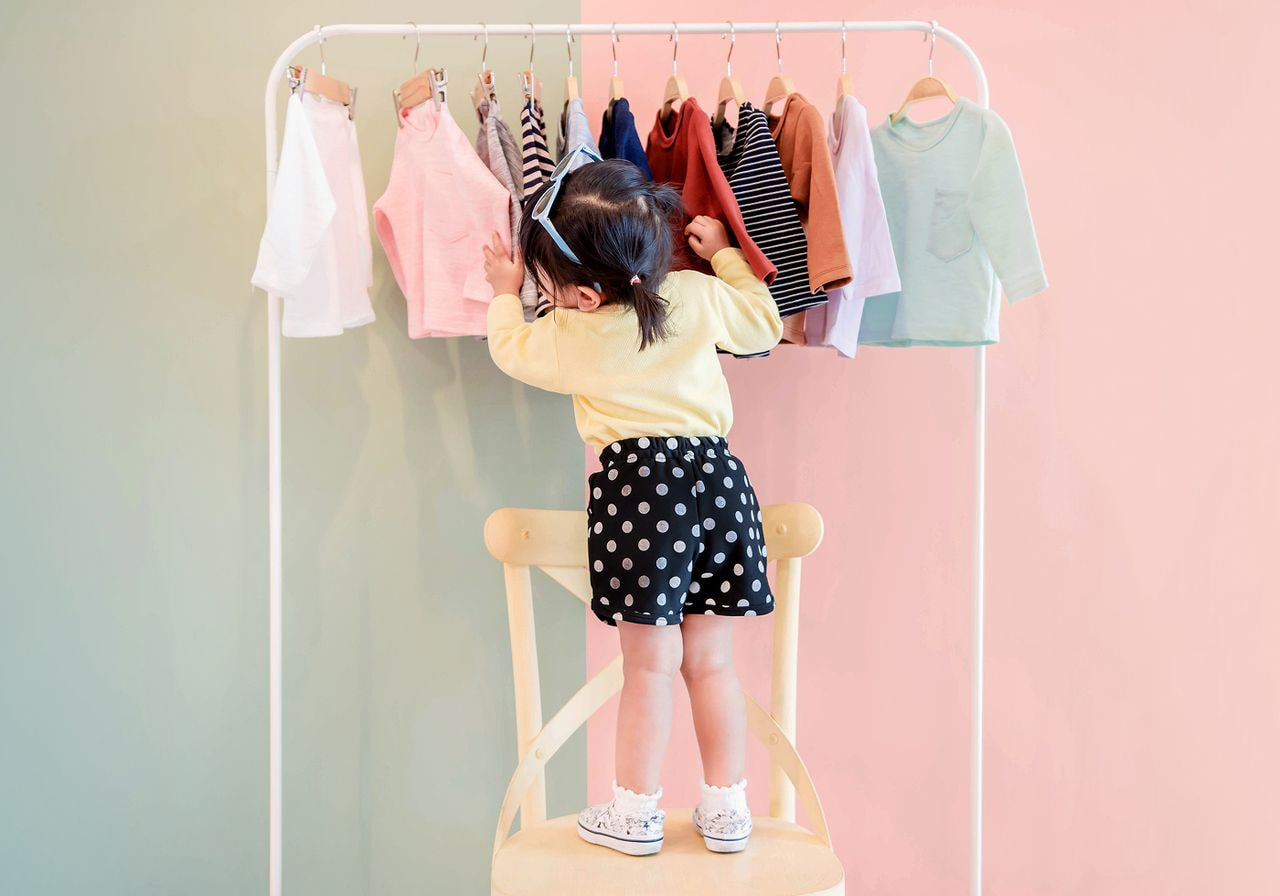
Before you start a clothing brand for kids or sketch a single hoodie, explore the landscape. Market research tells you what parents are already buying, what’s missing from the shelves, and where your kids’ clothing line can actually stand out – instead of guessing and hoping it works.
Explore kids’ fashion trends
Kids’ fashion changes quickly. Keep an eye on what’s popular to spot opportunities for your own clothing line.
-
Stay informed. Attend industry events, follow kids’ fashion brands and creators on social media, and read trend reports to see what’s gaining popularity.
-
Watch color and design trends. Pay attention to seasonal color palettes, graphics, and styles that appeal to your target market.
-
Pay attention to prints and patterns. Stay updated on designs children love, such as animal motifs, geometric shapes, floral prints, and whimsical illustrations.
-
Incorporate diverse styles. Explore popular styles like athleisure, streetwear, vintage-inspired, and eco-friendly collections to identify gaps in the market.
Understanding children’s unique needs
Children’s clothing has specific requirements. To succeed in the kids’ clothing business, you’ll need to grasp these particular needs before designing your own clothing line.
Comfort
Kids have sensitive skin and active, growing bodies, so comfort isn’t optional. Look for breathable fabrics like cotton and cotton blends, relaxed cuts that won’t restrict movement or irritate sensitive skin. If a fabric feels rough to you, it’ll feel even worse to a toddler.
Safety
Ensure garments meet relevant safety standards for children’s apparel, including regulations like the CPSIA if you’re selling in the US. Avoid loose buttons, beads, drawstrings, or other small parts that could become a choking hazard, and use secure closures appropriate for your target age group.
Durability
Kids are active – climbing, spilling, and crawling through mud puddles included – so their clothes need to last. Choose quality fabrics that hold up well after frequent wear and washing.
2. Identify your niche audience
Once you’ve done your market research, the next question is: who exactly are you selling to? The better you understand your target audience, the easier it is to design products, set your pricing strategy, and market your brand.
Buyers
Market your products to both kids and parents. Children often influence what they want to wear, but parents are the ones who buy it.
Parents
Parents have different priorities when shopping for their children. Most aim for a balance between price and quality, so your pricing strategy should reflect your target audience.
Others are willing to spend more on unique designs, matching outfits, or premium products that reflect their style and values. These shoppers are often drawn to more fashion-forward collections and have the means to pay more.
Kids
In addition to targeting parents, consider marketing strategies specifically tailored to children. Parents want their kids to love the clothing they wear, so engaging with a younger audience through a child-centric marketing plan is also important.
Friends and family
Don’t forget the influence of people like friends, grandparents, or godparents. They’re decision-makers as well, especially when it comes to gifts, and will help expand your customer base.
Age
Tailoring your kids’ clothing line to specific age groups is essential for success. If you’re wondering how to start selling baby clothes specifically, know that your products, branding, and marketing will look different from a line aimed at school-age kids. Babies need softer fabrics and simpler cuts, while older kids care more about style.
Think about kids’ needs at every stage, from an early age through the pre-teen years. A two-year-old and a ten-year-old want very different things from their clothes. Also, consider how a parent’s age influences buying decisions, as choices may differ across age ranges and generations.
Aesthetic and interests
Consider what appeals to both parents and children. For example, clean lines and soft colors attract parents seeking a minimalist style, while playful details like animal prints or charming embroidery make garments more exciting for kids. Combining both can help your brand appeal to a wider audience.
Occasions
Think about when children will wear your products. Designing around specific occasions can help you build a more focused collection and market it to the right customers. For example:
-
Everyday wear
-
School
-
Outdoor activities
-
Holidays and special occasions
Location
Your customers’ location affects what they need from children’s clothing. Climate, local traditions, and seasonal weather all influence buying decisions. For example, lightweight cotton t-shirts suit warmer regions, while colder climates call for hoodies, jackets, and other warm layers.
Don’t forget to check out your competitors
Competitor analysis is crucial for identifying your niche audience and distinguishing yourself in the market. Study your competitors’ offerings and compare them to your products – it’ll help you find your competitive advantage.
Read also: How to design your own clothing line in 2026
3. Decide on fulfillment
One of the biggest calls you’ll make early on is how to handle fulfillment. Self-fulfillment and print-on-demand services come with very different tradeoffs for your time, upfront costs, and margins – here’s how they stack up.
Self-fulfillment
If you choose to handle fulfillment yourself, there are several factors to consider:
Pros
-
You’ll be able to control the entire fulfillment process, from inventory management to shipping
-
It’s easier to maintain quality control and ensure product consistency
-
It’s possible to offer a more personalized customer experience with things like branded packaging
Cons
-
Requires much more time, resources, and logistics to manage inventory, deal with packaging, and handle shipping
-
Higher upfront costs for purchasing and storing inventory
-
Increased responsibility for order processing, customer service, and returns
Print on Demand
On the other hand, on-demand printing offers a different set of benefits and considerations:
Pros
-
No need for investing upfront in inventory, as custom clothing is made only after a customer places an order
-
Reduced overhead costs – printing, packaging, and shipping are handled by your POD provider
-
Flexibility to offer a wide range of designs and styles without the need to hold inventory
Cons
-
Less control over the fulfillment process, which may affect quality and shipping times
-
Packaging customization may be limited, depending on your POD provider
-
Higher product costs per unit compared to bulk production
There’s no one-size-fits-all approach. The choice depends on your specific business needs, resources, and goals.
Pricing tip: Sellers running print-on-demand kids’ apparel typically land in the 20-50% profit margin range. To get there, price high enough above your base product cost to cover fulfillment fees and still leave room for marketing spend. Most POD sellers start with a 2-3x markup on their base cost, then adjust based on what their target market will actually pay.
4. Create designs
This is where your ideas come to life. Sketch out a few concepts, experiment with different styles, and refine your favorites before creating your final designs. Design software or a freelance designer can also help turn your ideas into production-ready artwork. Need some inspiration? Here are a few popular kids’ clothing design ideas.
Family sets
Matching family outfits are a popular choice. Pair kids’ clothing with adult pieces, such as parent-child t-shirts or hoodies, to appeal to the whole family.
Animals
Animal themes are always popular in children’s clothing. Help your designs stand out with watercolor artwork, embroidered details, modern illustrations, or hand-drawn characters.
Puns and wordplay
Funny sayings paired with cute illustrations can catch the attention of both children and parents. Keep the wording short, easy to read, and age-appropriate. For example, phrases like “Tiny but mighty,” “Wild about naps,” or “Berry sweet” pair well with simple graphics and make fun everyday designs.
Minimalist
Minimalist designs remain a popular choice, especially among parents looking for gender-neutral baby clothing. Simple graphics, neutral colors, and clean typography create a timeless look.
Fun and vibrant
Bright colors, playful characters, and cheerful quotes appeal to children of all ages. Experiment with retro graphics, bold shapes, or abstract illustrations to create designs for different age groups.
DIY-inspired
Turn children’s creativity into wearable art. Let customers upload their little ones’ drawings, handwritten messages, or painted artwork to create one-of-a-kind custom clothing that’s personal and memorable.
Nature-inspired
Nature-themed designs create a fresh, timeless look. Experiment with floral patterns, leaf motifs, earthy colors, fruits, vegetables, celestial elements, or seasonal illustrations to build playful collections inspired by the outdoors.
Holidays
Seasonal collections are a great way to attract repeat customers. Create designs for Valentine’s Day, Halloween, birthdays, Christmas, or back-to-school, giving parents fresh options year-round.
Cute patterns
Adorable prints never go out of style, and most parents love timeless patterns they can dress their children in year-round. Patterns featuring stars, clouds, dinosaurs, woodland animals, rainbows, or tiny hearts work well on baby bodysuits, t-shirts, and pajamas.
Meaningful designs
Some parents enjoy clothing that reflects their family’s values. Messages about kindness, inclusion, protecting nature, or celebrating curiosity can pair with simple illustrations to create thoughtful designs children can wear every day.
Build a balanced children’s clothing line by mixing evergreen designs with seasonal collections. Timeless styles keep your kids’ clothes relevant year-round, while holiday and limited-edition releases give customers a reason to come back for something new.
Need help creating your designs? Printful’s free Design Maker includes clipart, Premium images, text tools, and mockups to make the process easier. Upload your artwork or create a design from scratch, then preview it on different products before adding it to your store.

5. Order samples
Ordering samples lets you check the quality, fit, print, and overall feel of your products before you start selling. It’s one of the easiest ways to catch issues early and make sure every garment reflects your brand.
Try samples across different product types, colors, or design collections to compare the results. Ask friends or family to wear them and share honest feedback on comfort, sizing, and durability. Their input can help you improve your products before they reach customers.
For a small business, samples are a low-cost way to test ideas without committing to bulk production or holding inventory. They can also save you money by helping you refine your designs before launch instead of paying for products you no longer want to sell.
When you sell with Printful, eligible store owners receive 20% off one sample order each month.
6. Build your brand
Your brand is more than a logo. It’s how customers recognize your business and remember it after visiting your store. A clear brand identity helps your kids’ clothing line stand out in a competitive market.
Define your brand identity
Start with the basics: your logo, color palette, typography, and tone of voice. Your brand identity should reflect your clothing’s niche and match what your target audience expects.
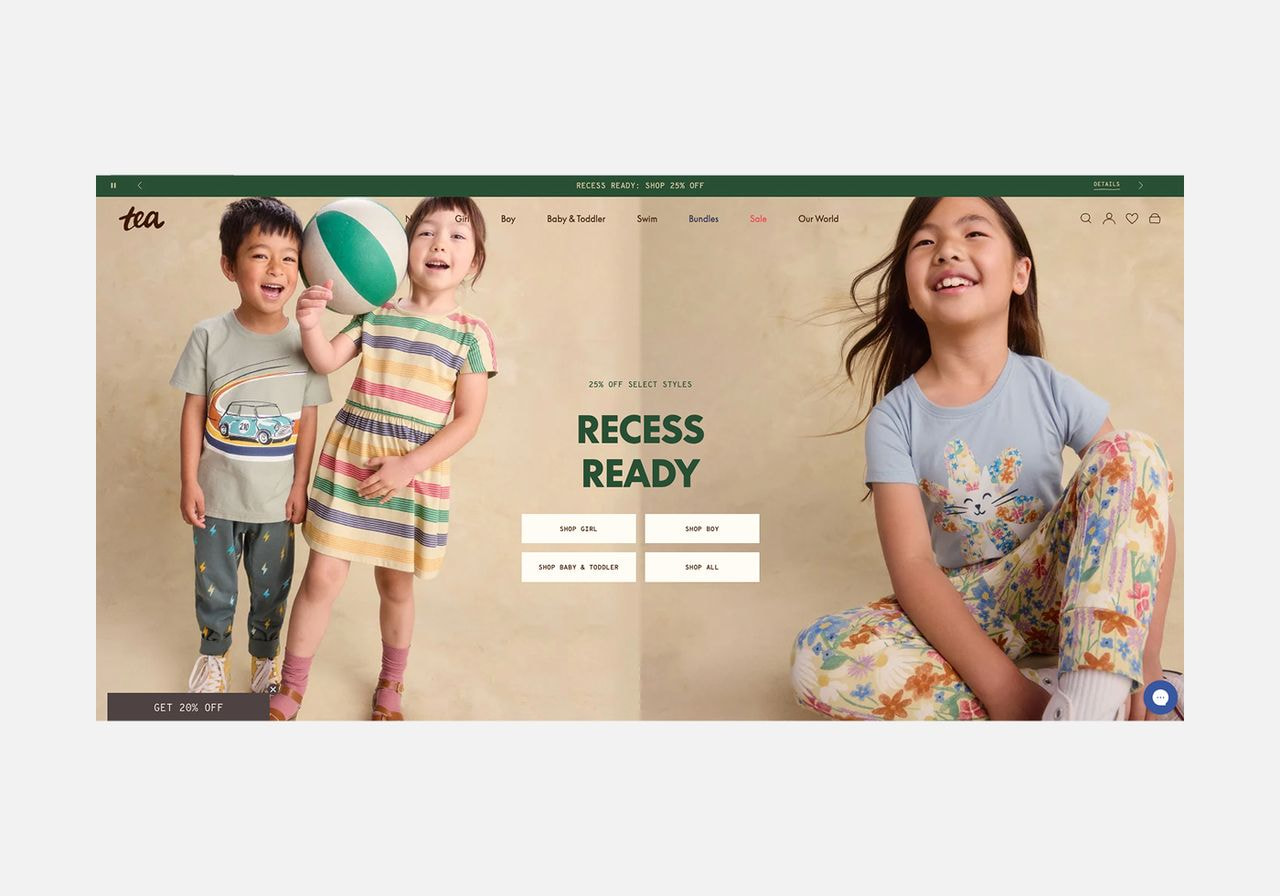
For example, Tea Collection uses earthy colors and a handwritten logotype to reinforce its globally inspired style and commitment to giving back.
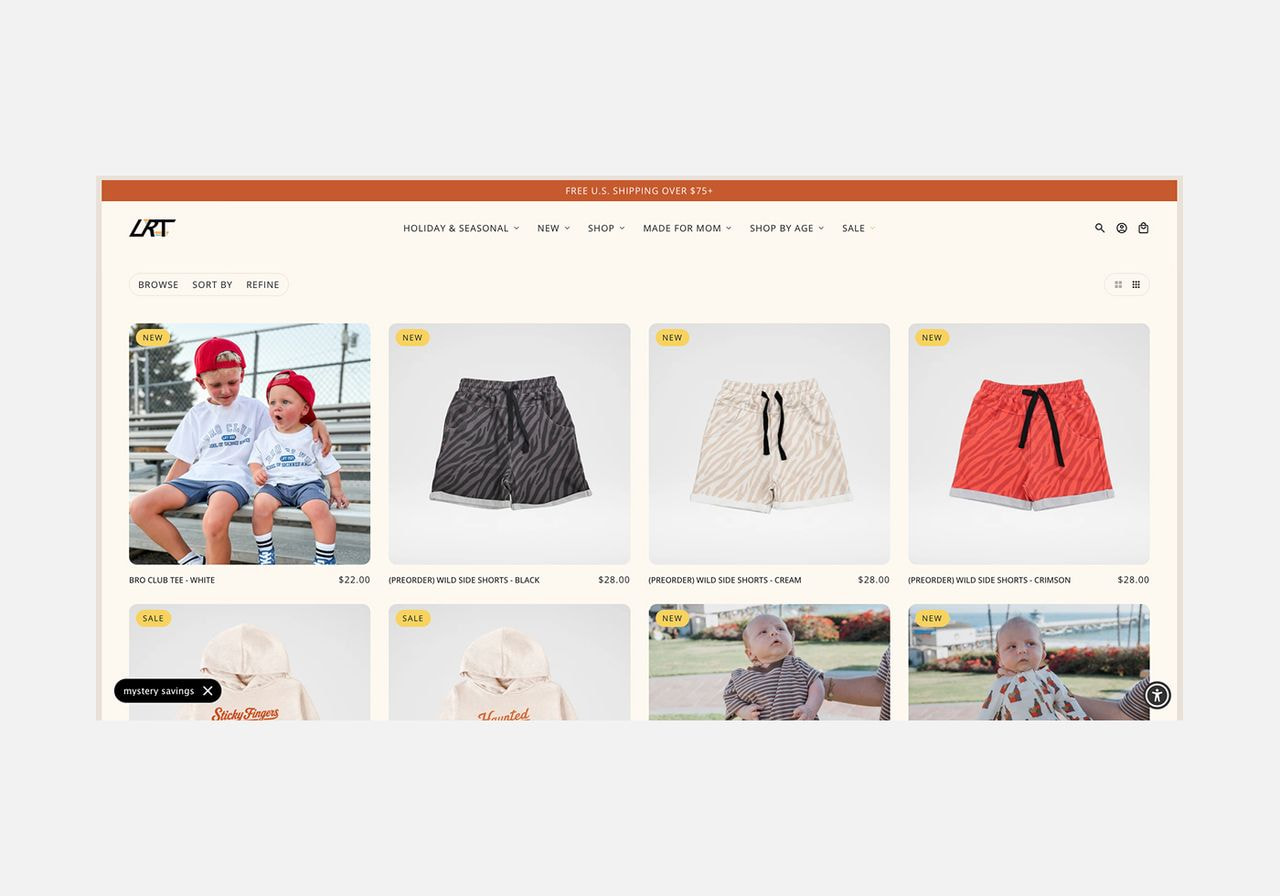
Little Rad Things, on the other hand, pairs a vintage-inspired color palette with classic typography to complement its retro collections.
Keep these elements consistent across your website, social media, product packaging, and marketing materials to create a recognizable brand.
Find your competitive advantage
Give customers a reason to choose your clothing over other kids’ brands. That could be durable fabrics, matching family outfits, personalized products, gender-neutral collections, or original artwork. Focus on the qualities that matter most to your target audience.
Tell your story
Parents buy from brands they connect with, not just brands with the cutest prints. Share why you started your children’s clothing business, what inspires your designs, or the values behind your products.
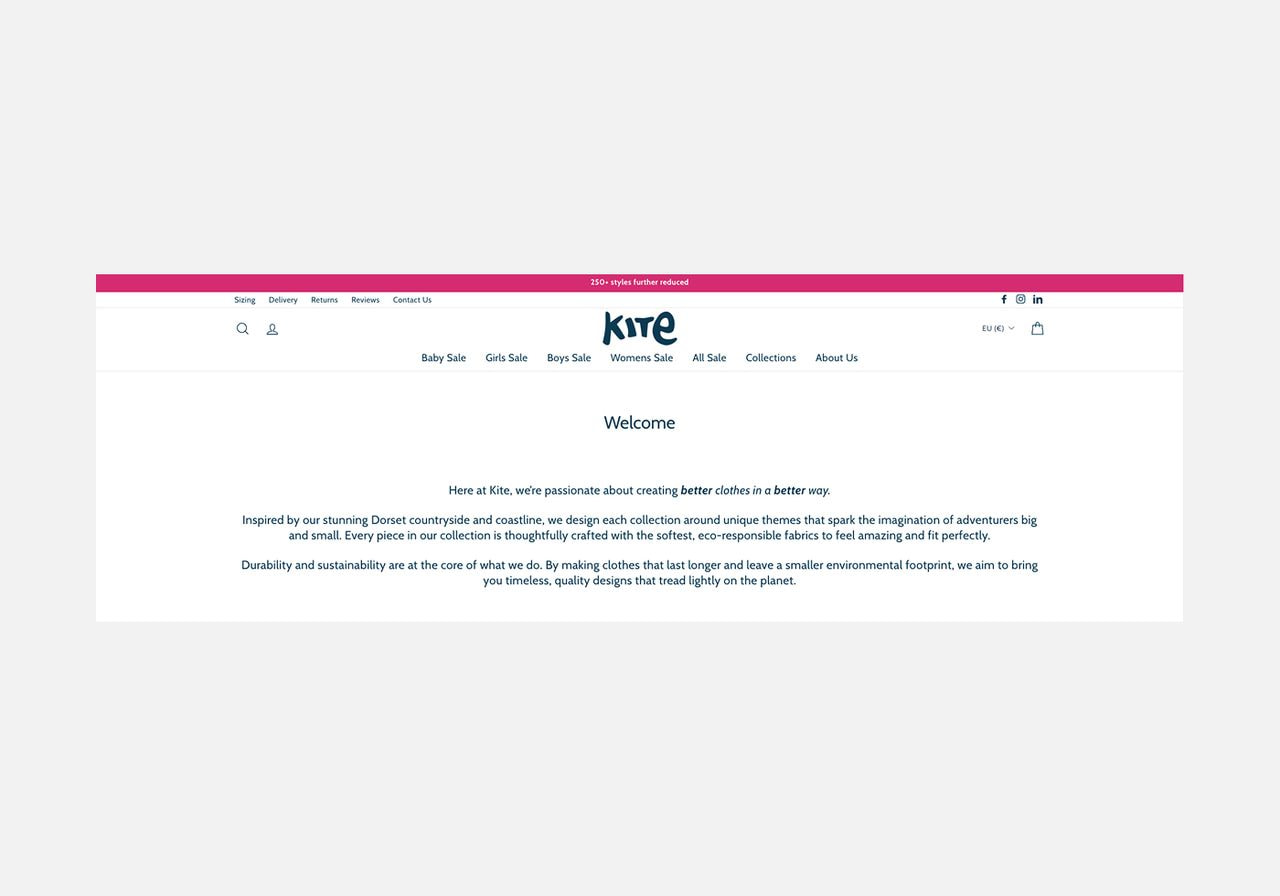
You don’t need an elaborate origin story, either. Kite Clothing simply shares its passion for creating comfortable, sustainable children’s clothing inspired by everyday family life. That authentic approach helps customers connect with the brand.
Stay consistent
Use the same visual style, messaging, and tone everywhere customers find you – social media, your website, or an online marketplace. Consistency turns a one-time buyer into someone who recognizes your clothing line at a glance.
7. Create an online presence
A strong online presence helps more people discover your kids’ clothing line and builds trust in your brand. Start with the channels your target audience uses most and expand as your business grows.
Website
An online store gives customers one place to browse products, compare prices, and place orders. Platforms like Shopify, Wix, WordPress, Canva, or Tilda make it easy to create a professional eCommerce website. Search engine optimization (SEO), Google Ads, and email marketing can all help bring in new customers and grow sales from there.
If you’re planning to sell with Printful, connect your store to automate order fulfillment and start selling your custom kids’ clothing.
Social media
Social media helps you showcase your products, share behind-the-scenes content, and connect with parents. Visual-heavy platforms like Instagram, Facebook, and TikTok are especially great for introducing new collections and building a community.
Online marketplaces
Marketplaces like Etsy, Amazon, and eBay can help you reach shoppers who are already looking for kids’ clothing. Printful integrates with leading eCommerce platforms and marketplaces, making it easy to sell through multiple sales channels from one place.
8. Market your kids’ clothing line
Even the best products need visibility. A creative marketing strategy helps you reach new customers, build trust, and encourage repeat purchases.
Create engaging short-form videos
Short videos are one of the easiest ways to showcase your products. Share styling ideas, new collections, behind-the-scenes moments, or packaging videos on TikTok, Instagram Reels, and YouTube Shorts to introduce your brand to new audiences.
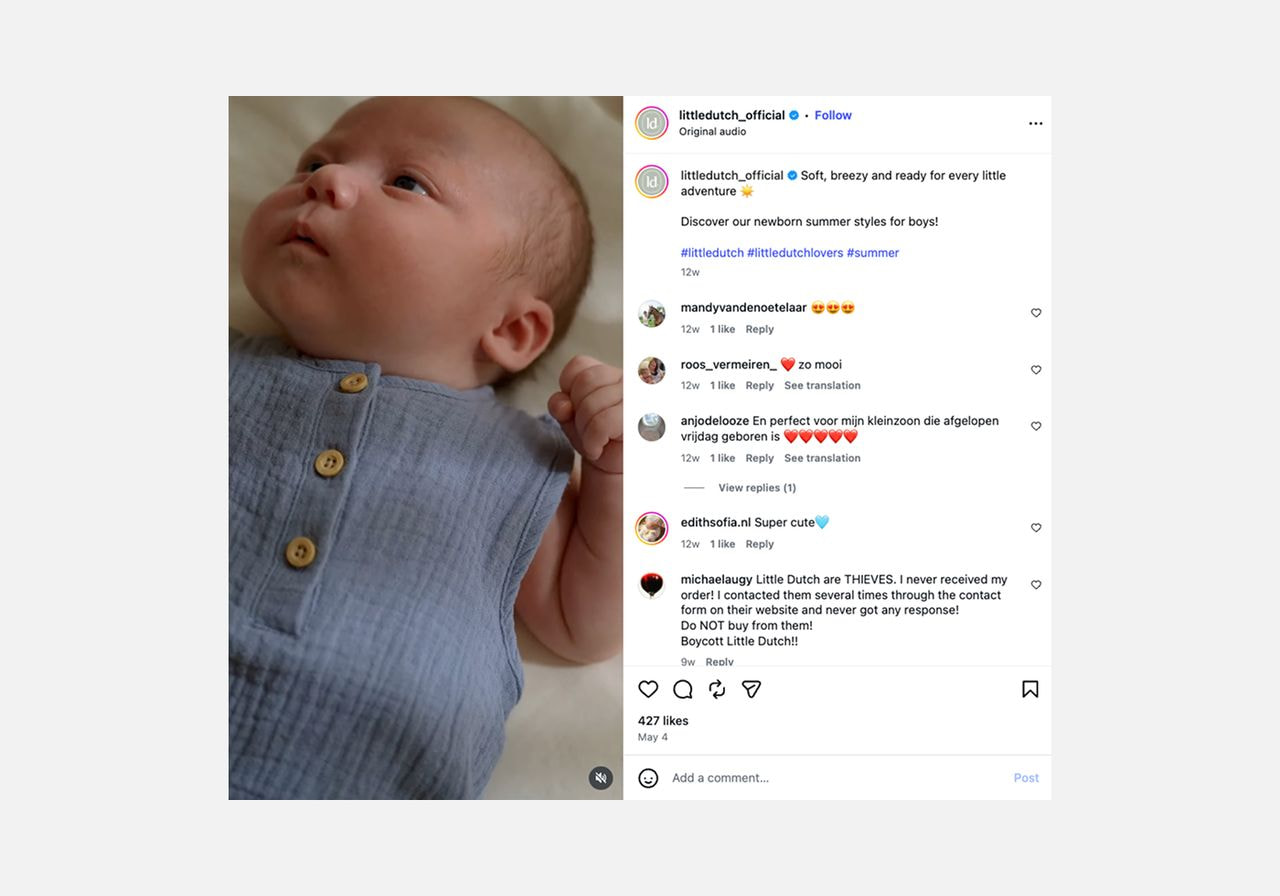
Little Dutch’s Instagram Reels do this well by showing its apparel and custom toys in everyday situations, helping parents see how the items look in real life.
Encourage user-generated content
Ask customers to share photos or videos of their children wearing your products and feature them on your website or social media. User-generated content builds trust and gives future customers real examples of your clothing.
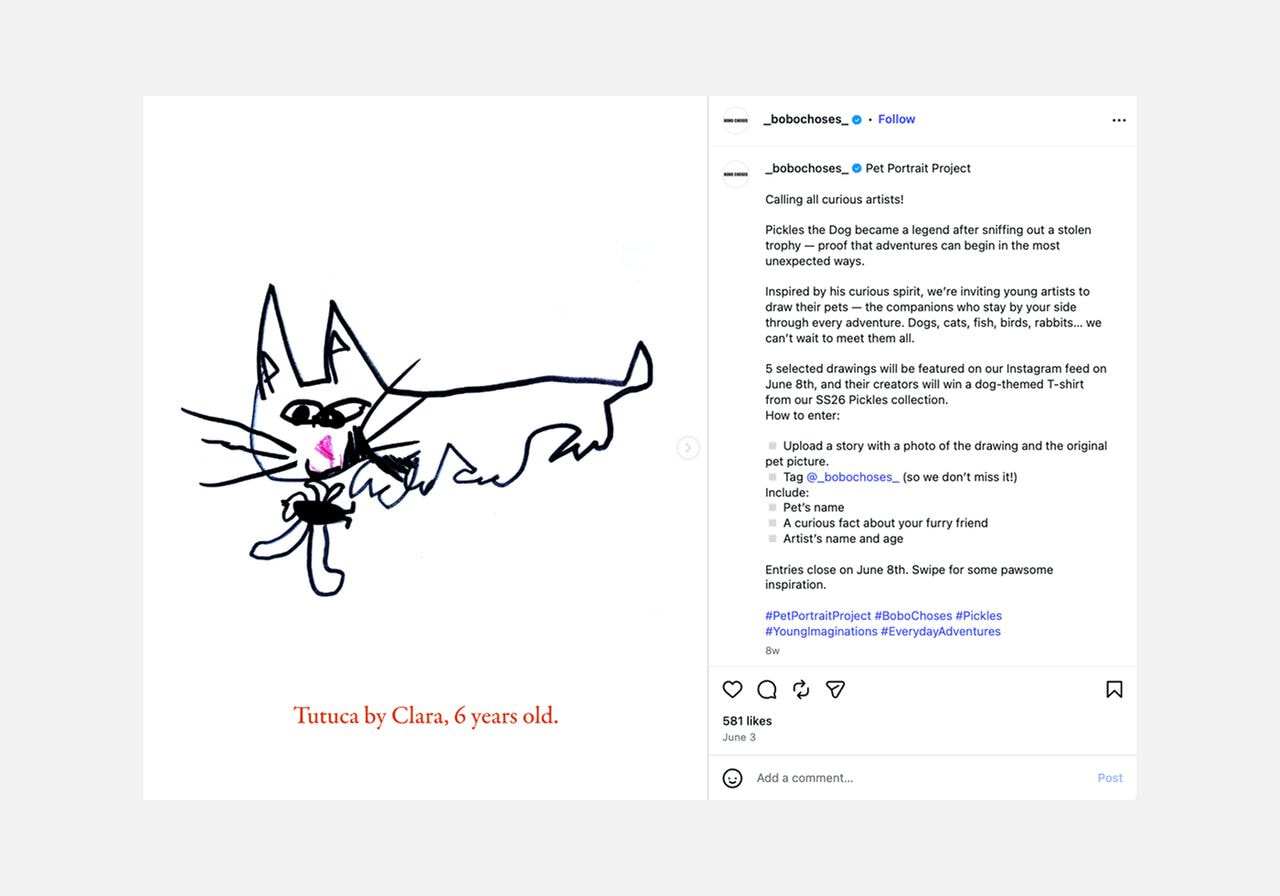
Involve your audience through creative campaigns. For example, Bobo Choses invited children to draw their pets for a chance to be featured on the brand’s Instagram and win a t-shirt from its latest collection.
The contest fits Bobo Choses’ core audience of moms shopping for kids and babies, while encouraging families to create and share original content, helping strengthen the brand’s community.
Stay connected with email marketing
Email is a simple way to announce new collections, seasonal launches, and exclusive discounts. It also helps bring previous customers back to your store without relying solely on social media algorithms.
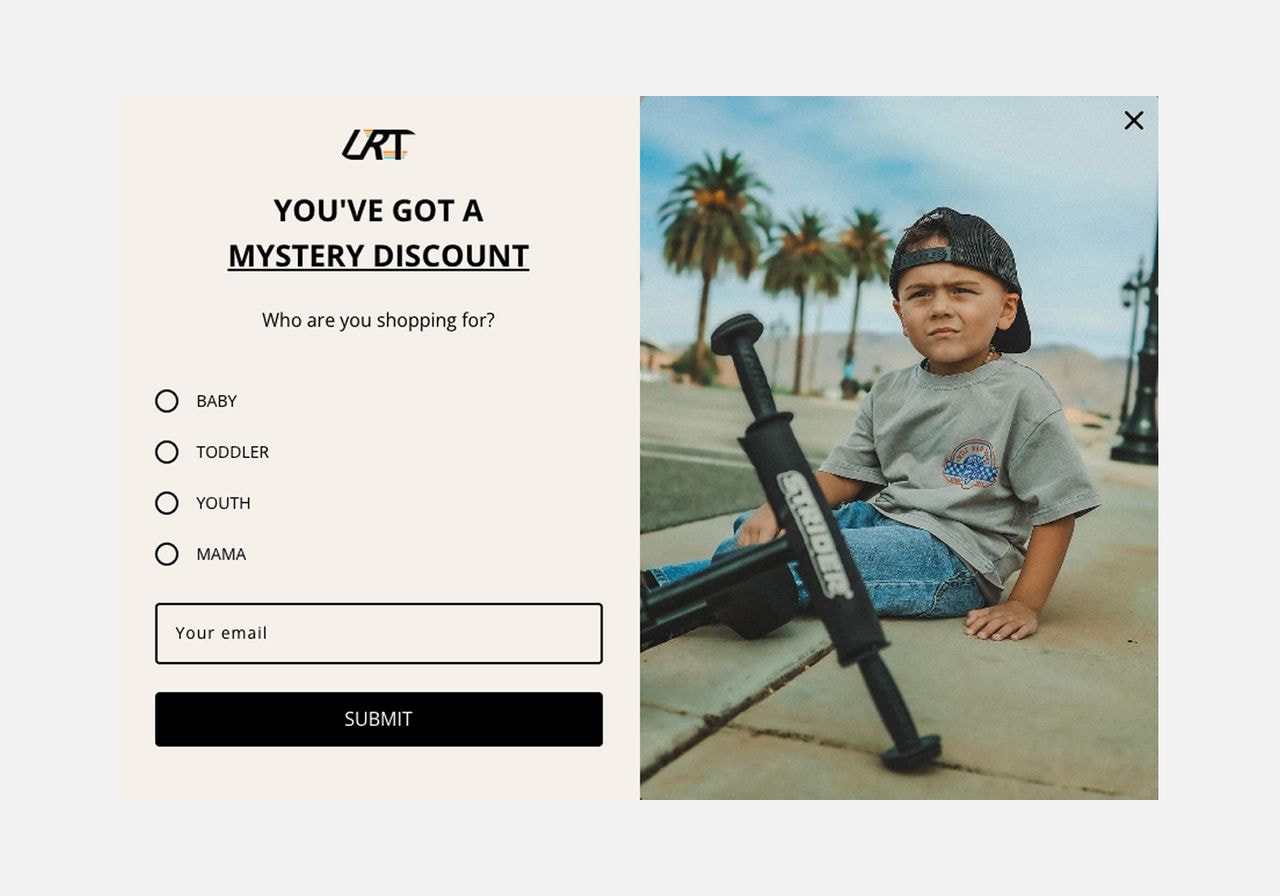
Grow your email list with a newsletter sign-up form or website pop-up. Little Rad Things encourages first-time visitors to subscribe by offering a discount in exchange for their email address and shopping habits.
Read also: 10 Holiday email marketing campaign ideas you must try
Build campaigns around one idea
The strongest marketing campaigns communicate one clear message. Highlight what makes your clothing line different – durability, matching family outfits, playful designs, or custom clothing. A simple concept makes your campaigns easier to remember and gives your marketing a consistent direction.
Start your children’s clothing line with Printful
Building a successful kids’ clothing line starts with a solid business plan, a clear niche, and designs your target audience actually wants to buy. Once those foundations are in place, you’re ready to launch.
Printful makes it easy to create your own kids’ clothing line without investing in inventory upfront. Sign up for free, upload your own designs, easily create custom kids’ apparel, and launch your clothing line risk-free.
Read more:
FAQ
Yes. The kids’ apparel market continues to grow, creating opportunities for new clothing brands. Globally, the market was worth nearly $226 billion in 2025 and is expected to nearly double to more than $420 billion by 2034. The US market is also projected to grow significantly, reaching nearly $88 billion by 2032.
That said, your success with a baby clothing line depends on choosing the right niche, offering quality products, and marketing your brand effectively.
Yes. Children’s clothes can be highly profitable thanks to constant demand – kids grow fast, and parents are always buying more. From trendy tees to themed outfits for birthdays and holidays, there’s endless opportunity. POD makes it even easier by eliminating inventory costs while letting you sell cute custom designs worldwide.
The National Retail Federation’s 2026 back-to-school survey found K-12 families plan to spend $250.29 on average on clothing and accessories for the school year alone. That adds up to $12.5 billion in nationwide spending in that single shopping season.
Though it’s real, recurring demand, the space is competitive. Parents are also cautious about buying apparel their kids will quickly outgrow, so a strong niche, solid branding, and a reliable POD partner all matter if you want to stand out.
The children’s clothing market has grown steadily for years, and that’s not slowing down. Kids constantly outgrow what they own, which keeps demand high year after year. eCommerce and POD have also lowered the barrier to entry, so new clothing brands keep finding room to compete alongside the big names.
The cost of starting a kids’ clothing line depends on your business model and product catalog size. For a small business, startup costs can reach $5,000 or more, covering expenses like product development, materials, packaging, and marketing.
Print on Demand offers a lower-cost alternative. Sign up for free with Printful and only pay when you receive an order. Printful handles printing, fulfillment, and shipping – you focus on creating designs, setting up your store, and marketing your brand.
Check out Printful’s deep dive into all the costs associated with running a clothing business.
No. In many countries, you can start a kids’ clothing line without forming an LLC, but the rules depend on where you live and how your apparel business is structured. An LLC protects your personal assets and separates your personal and business finances. When in doubt, consult a local legal or tax professional before you start selling.
Yes. A 12-year-old can absolutely design products and build a brand. The legal side is where an adult has to step in: minors can’t sign binding contracts, open a business bank account, or register an LLC on their own. A parent or guardian’s name goes on the paperwork – the bank account, the POD account, any supplier agreements – while the 12-year-old runs the creative side: designs, branding, and marketing.
If you’re wondering how to start a children’s clothing business online, begin with a strong niche, quality products, and clear branding. Create your designs, then use a POD service like Printful to apply them to kids’ clothing – no inventory or fancy design skills needed. Connect your store to Amazon, Etsy, or Shopify, and start selling worldwide.

Jordana is a content writer with over 6 years of experience in content writing and technical writing. Her not-so-secret passion is breaking down complex ideas into clear, straightforward content, whether it's explaining tech concepts or crafting stories that connect. When she's not writing, you'll find her enjoying good sushi or falling down movie trivia rabbit holes.

