



Table of contents
The decision between a sweatshirt vs hoodie comes down to one main detail: the hood. A sweatshirt gives you a cleaner shape for layering and front-focused designs, while a hoodie adds an attached hood, a kangaroo pocket, and extra warmth for casual outfits, streetwear, and outdoor activities.
We’ll show you how to choose the right style for your store or your own wardrobe.
Key takeaways
-
The main difference between sweatshirts and hoodies is the presence of the hood. Everything else, from fabric to fit, can be quite similar.
-
Sweatshirts typically have a crewneck, no hood, and offer a clean, classic look – great for everyday wear, layering, or minimalist designs like embroidered logos.
-
Hoodies include a hood, often with drawstrings, and may feature pockets, giving them a more relaxed, sporty vibe. They’re popular for style statements, team uniforms, or athleisure.
-
Both hoodies and sweatshirts come in pullover versions, but only hoodies are available as a zip-up.
-
The choice between a hoodie vs sweatshirt depends on your audience, design, and the level of warmth or coverage you’re aiming for.
-
The difference between hoodie and sweatshirt styling also affects product use. Crewneck sweatshirts suit more polished outfit combinations, while pullover hoodies and zip-up hoodies work better for a sporty look or layered everyday wear.

What is a sweatshirt?
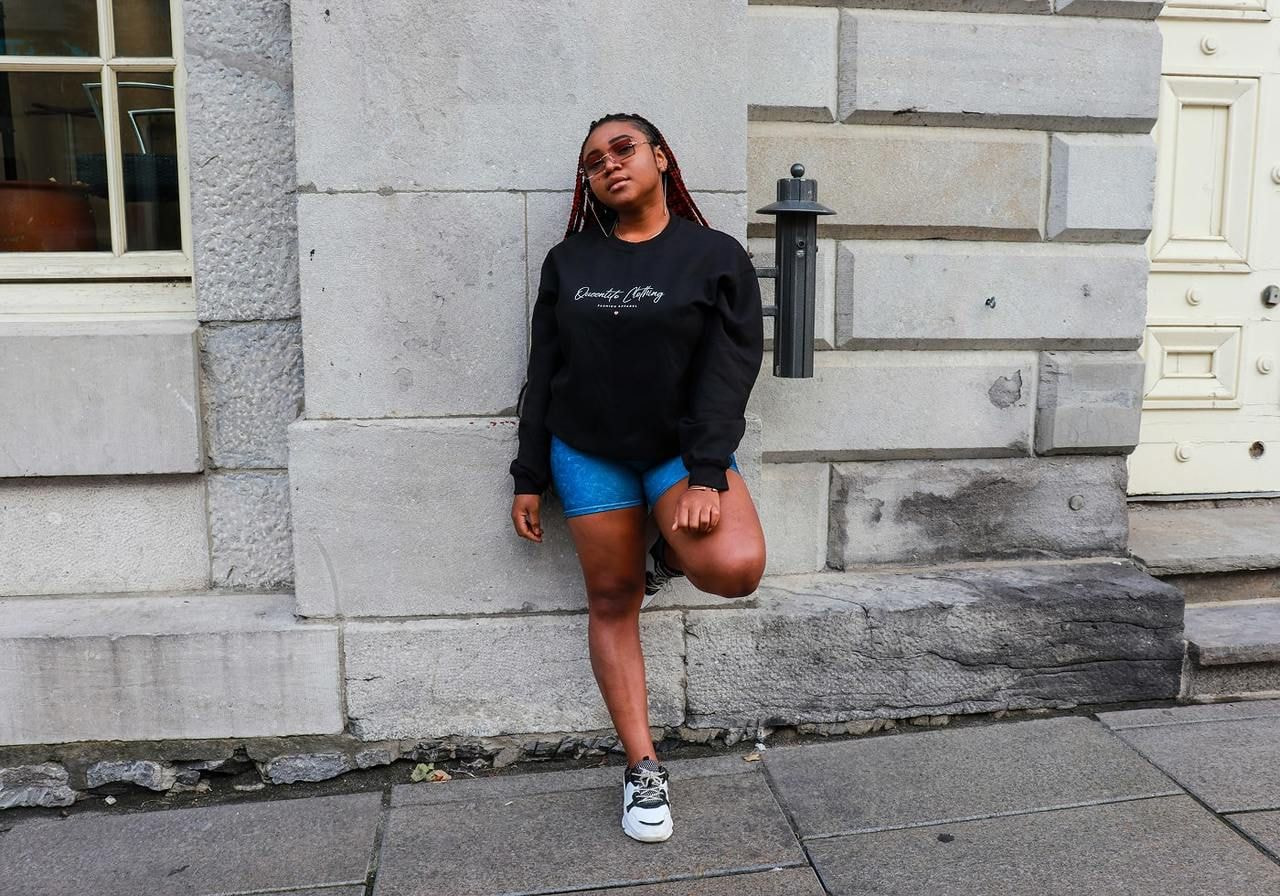
A sweatshirt is a soft pullover garment for the upper body, usually with long sleeves, a round neck, and no hood. Most styles use cotton, fleece, French terry, or polyester blends for comfort and extra warmth.
So, what is a sweatshirt in practical terms? It’s the cleaner, simpler option – easy to wear on its own or style over a collared shirt.
Key features of sweatshirts:
-
Most sweatshirts offer a classic crewneck or round neckline, though not all sweatshirts follow that shape.
-
The main difference between a hoodie and a sweatshirt is the presence of a hood – sweatshirts don’t have one.
-
Often features ribbed cuffs and hems for added structure.
-
Sweatshirts use fleece, cotton, or polyester blends for comfort.
-
They come in a range of fit types, like oversized sweatshirts, women’s fitted looks, and standard unisex cuts.
-
Sweatshirts have fewer limitations than hoodies when it comes to adding prints or embroidery, since the hood and pocket aren’t taking up space where a graphic or logo could go.
Why is it called a sweatshirt? The term comes from its original purpose as athletic wear designed to absorb sweat.
Pro tip: Explore Printful’s collection of customizable sweatshirts.
What is a hoodie?
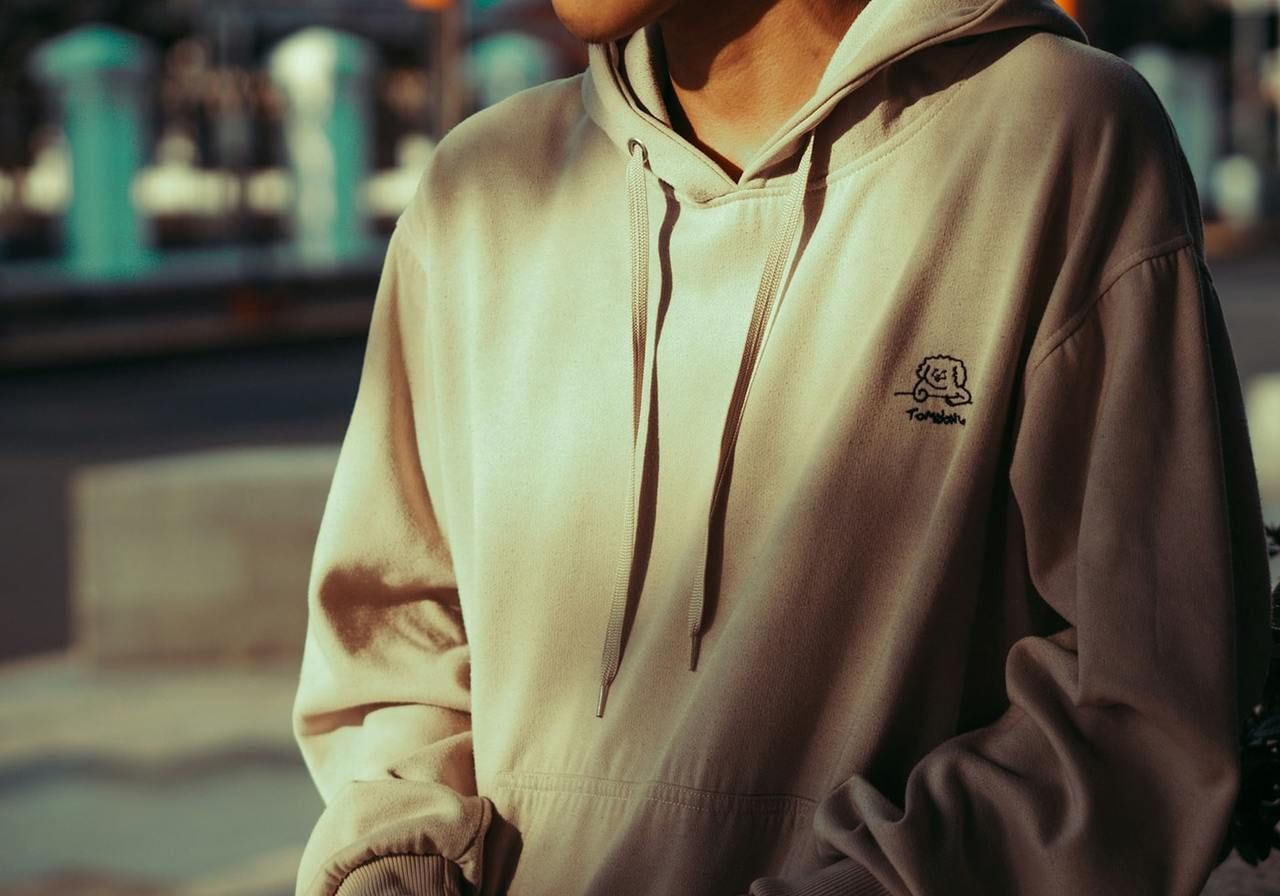
A hoodie is a hooded sweater with long sleeves and often a front pocket. It can come as a pullover or zip-up, making it more functional than a standard sweatshirt for cold weather, travel, and outdoor adventures.
Hoodies offer the perfect blend between comfort and functionality – ideal for layering, lounging, and outdoor activities.
Key features of hoodies:
-
The most obvious difference between a hoodie vs sweatshirt is the built-in drawstring hood for coverage and extra warmth, and a casual vibe.
-
Many hoodies include a kangaroo pocket for hands, keys, or small essentials.
-
Most use fleece, French terry, or a cotton-poly blend for softness and easier care.
-
Come in a range of shades for different preferences and occasions, like a neutral-colored hoodie for daily outfits or a dark blue style for low-key casual looks.
-
Hoodies have plenty of room for you to add colorful graphics and make a bold statement, but the hood and pocket do reduce print space on the back and middle front.
Pro tip: For more design ideas and styling tips, check out Printful’s guide to trending hoodies in 2026.
Sweatshirt vs hoodie: Main differences
Let’s explore the differences between sweatshirt and hoodie styles below, including the structure, functionality, and styling that set them apart.
|
Feature |
Sweatshirts |
Hoodies |
|
Neckline |
Crewneck or round neckline for a clean, collar-free finish |
Hood with drawstrings for adjustable coverage and warmth |
|
Pockets |
Typically, none, keeping the front smooth and streamlined |
Usually includes a kangaroo pocket for warmth and convenience |
|
Styles |
Pullover only, offering a timeless, classic silhouette |
Pullover and zip-up hoodie options for added styling flexibility |
|
Design focus |
Clean and minimal, ideal for embroidery or subtle prints |
Sporty or streetwear-inspired bold graphics |
|
Use case |
Everyday wear, layering, and smart-casual outfits |
Every day wear, athletic wear, casual outings, and outdoor activities |
|
Warmth |
Moderate warmth, great for transitional seasons |
Extra warmth and coverage, especially in colder climates |
|
Best for |
Embroidery, minimal designs, and lightweight layering |
A laid-back vibe, bold prints, and warm layering |
|
Layering |
Works under a blazer, denim jacket, coat, or over a t-shirt without hood bulk |
Works over tees and under heavier jackets, but the hood adds bulk around the neck |
|
Dress code |
Better for smart-casual settings, though still not ideal for strict formal occasions |
Better for relaxed offices, campuses, gyms, and off-duty outfits |
Popular materials for sweatshirts and hoodies
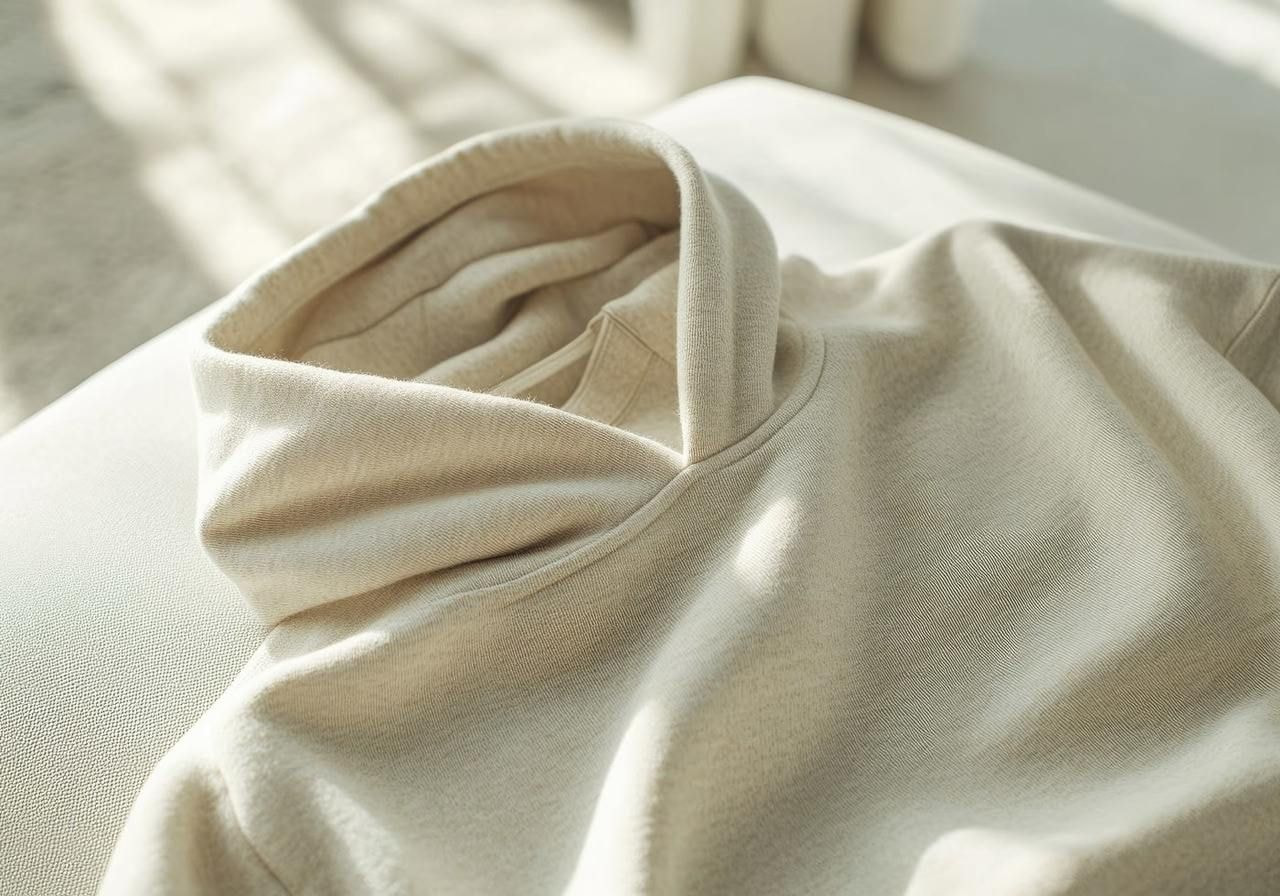
When choosing between a sweatshirt vs hoodie for a print-on-demand business or custom apparel for personal use, fabric selection is just as important as the style itself. The material impacts how the garment feels and fits, how well it holds up after washing, and how your designs will appear.
Let’s look at the most popular materials used in both sweatshirts and hoodies.
Cotton
A favorite for both comfort and breathability, cotton is a go-to material for sweatshirts and hoodies alike. It’s soft, suitable for sensitive skin, and works well for everyday wear. It’s also excellent for printing, especially using direct-to-garment (DTG).
While 100% cotton remains popular, many manufacturers use cotton blends to improve the garment’s durability, softness, and shape retention. Both sweatshirts and hoodies are commonly made from cotton blends.
Polyester blends
Many garments now use a cotton-polyester blend to get the best of both worlds – cotton’s softness and polyester’s strength.
The synthetic material helps reduce shrinkage and resists wrinkles. Polyester blends are popular for both casual and athletic wear, especially among customers looking for durable clothing requiring low-effort care.
Fleece
One of the warmest options, fleece is loved for its soft, plush feel and insulating properties. It’s commonly found in hoodies and sweatshirts from brands that prioritize extra warmth for cooler climates.
While fleece can be made from cotton, it’s often crafted from synthetic fibers like polyester to enhance its thermal performance. Fleece clothes are perfect for outdoor activities, cold-weather layering, and cozy casual outings.
French terry
Known for its looped interior and smooth exterior, French terry is lighter than traditional fleece and better suited for transitional weather.
It’s highly absorbent, making it a popular choice for athletic clothing or loungewear. French terry sweatshirts and hoodies are breathable and ideal for layering in a smart-casual look.
Organic and recycled materials
For brands that have a more environmentally-conscious customer base, choose products with listed organic cotton, recycled polyester, or certified fabric blends. Our eco-friendly collection is made with at least 70% organic or recycled materials, or blends of these materials, with supplier certificates verifying the content.
When to choose a hoodie vs sweatshirt

The sweatshirt vs hoodie debate isn’t just about style but also about choosing a product that aligns with the season, your audience, brand identity, design approach, and goals.
Here’s when each one makes the most sense.
When to choose a sweatshirt
-
You’re aiming for a clean, minimal design. Sweatshirts are perfect for a streamlined look. With no hood or front pocket, they provide a polished silhouette ideal for branding with both understated logos and large graphics.
-
Layering versatility is important. The absence of a hood makes a sweatshirt easy to layer under denim jackets, blazers, or even over a collared shirt. They keep you feeling cozy without feeling too bulky in colder seasons or indoors.
-
You’re planning to use embroidery or front-focused designs. Because of their smooth front panel, sweatshirts are often a better canvas for embroidery, text-based prints, or centered logos. Your design won’t compete with features like zippers or pockets.
-
You want to target a broad audience with a timeless staple. Sweatshirts have wide appeal across demographics, making them a safe, versatile choice for sellers who want to offer the perfect wardrobe staple for everyday use.
-
You sell polished basics. Choose crewneck sweatshirts when your store leans into minimal branding, capsule wardrobes, university merch, or simple casual wear. Sweatshirts offer enough warmth for daily outfits without the bulk of a hood.
When to choose a hoodie
-
You’re targeting a younger audience. Hoodies are a modern streetwear staple that’s especially popular among Gen Z and millennials who value personal style, comfort, and expressive fashion.
-
You’re designing for warmth or seasonal collections. Market your hoodie as the preferred choice for outdoor activities, casual outings, and staying cozy in the colder months. It’s also well-suited for loungewear and back-to-school drops.
-
You want more functionality and detail in your garment. With features like kangaroo pockets, adjustable hoods, and zip-up hoodie versions, they offer more styling options and utility. Incorporating these details in your design can help your product stand out in the competitive apparel market.
-
You’re building an athletic-inspired brand. If your brand leans into athletic clothing, team apparel, or casual fashion, a hoodie is a no-brainer. The relaxed fit and cozy fabrics effortlessly blend comfort and street-ready style.
-
You sell statement layers. Choose pullovers or zip-up hoodies when your audience wants extra warmth, a visible hood, larger front prints, and a more relaxed, casual clothing look. The hood offers extra protection on windy days, on commutes, and at outdoor events.
Pro tip: Check out Printful’s hoodie design ideas to stay ahead of trends and create stunning custom hoodies your audience will love.
Printful picks: Best styles to customize
For many apparel sellers, hoodies and sweatshirts are absolute must-haves because they work across seasons, niches, and design styles. Use this shortlist to test outfit combinations before expanding your collection.
Not sure where to start? Here are some of Printful’s most commonly-worn and sold hoodies and sweatshirts for your print-on-demand store.
Top sweatshirts
-
Unisex Premium Sweatshirt: Soft interior, ideal for layering and customizing with embroidery.
-
All-Over Print Recycled Unisex Sweatshirt: 95% recycled polyester, a great fit for sustainability-minded brands.
-
Unisex Crew Neck Sweatshirt: Budget-friendly option with a looser, streetwear-inspired cut.
Best use case: Choose crewneck sweatshirts for small logos, embroidery, and minimalist designs.
Top hoodies
-
Unisex Premium Pullover Hoodie: A classic pullover hoodie with a kangaroo pocket and warm fabric.
-
All-Over Print Recycled Unisex Zip Hoodie: A zip-up option with drop shoulders, suitable for bold streetwear designs.
-
Unisex Eco Raglan Hoodie: Made from recycled polyester and organic cotton blends, great for eco-conscious customers.
Best use case: Choose zip-up styles for flexible layering and pullover hoodies for a stronger front-design focus, especially if your design includes large graphics, slogans, or back prints.
Each of these garments gives you plenty of space to showcase bold graphics, logos, or niche designs. They’re easy additions to any casual lineup and proven crowd-pleasers across styles, seasons, and audiences.
Pro tip: Explore sweatshirt embroidery ideas for inspiration on clean, stylish designs that make a bold statement.
Conclusion: Sweatshirt vs hoodie
The sweatshirt vs hoodie choice depends on fit, function, and audience. Pick a sweatshirt for layering, embroidery, and minimalist designs. Choose a hoodie for extra warmth, pockets, streetwear, and outdoor use.
Sellers should test both hoodies and sweatshirts with samples, then build their collection around the styles that match their customers’ personal tastes.
Ready to get started? Explore Printful’s full selection of custom hoodies and sweatshirts to find the best fit for your next design.
FAQ
People often mix up the terms because both are versatile garments that are good for layering. But the main difference between a hoodie vs sweatshirt is the hood – hoodies have one, sweatshirts don’t.
Not necessarily. While both hoodies and sweatshirts keep you cozy, hoodies offer extra protection and warmth in many styles, especially when paired with heavy fabrics or additional features like a kangaroo pocket.
Ultimately, warmth depends more on the material than the style itself.
The biggest difference is the hood. A sweatshirt usually has a crewneck or round neck, while a hoodie has an attached hood and often a kangaroo pocket. That makes sweatshirts cleaner for layering and hoodies better for warmth, streetwear, and outdoor use.
No. A hoodie is a type of hooded sweatshirt, but a standard sweatshirt has no hood – that’s the key difference. A pullover garment is considered a hoodie only if it has an attached hood.

Zane is a sharp-witted writer with a deep interest in eCommerce, branding, and creative entrepreneurship. With a knack for blending humor, insight, and no-nonsense advice, she crafts engaging content that helps merchants learn and businesses grow. When she’s not dissecting industry trends, she's exploring philosophy, music, and the perfect balance between solitude and connection.

