



Table of contents
Dropshipping marketing shapes whether your online store grows or gets buried in the noise. Your job isn’t managing inventory. It’s turning attention into action and reaching potential customers at the right moment through sharp promotion, clear messaging, and consistent engagement.
Dropshipping marketing is the process of driving traffic to your store and converting it through targeted advertising, strategic content, and customer-focused communication.
Whether you work with a dropshipping supplier or a print-on-demand (POD) fulfillment partner like Printful, the formula is the same. People need to find you, trust you, and buy from you more than once.
Why marketing matters in a print-on-demand or dropshipping business model
In a dropshipping business model, most of your leverage comes before the sale. You’re not managing inventory or shipping. You rely on a dropshipping supplier to fulfill orders, which means marketing becomes the core engine of your online business.
The dropshipping industry is crowded, with many businesses selling similar items. Marketing is how you reach your target audience, stand out, and give them a reason to come back.
You also have limited direct control over logistics and product quality, so how you show up online matters more than almost anything else.
Strong marketing helps you:
-
Stand out from similar stores
-
Communicate value clearly
-
Build credibility faster
-
Turn casual visitors into repeat buyers
When your marketing is sharp, both dropshipping and POD stores become far more resilient in a competitive market.
Dropshipping success: Before you start

How does dropshipping work? Here’s the basic model before we get into promotion:
-
A customer places an order from your store
-
You pass the customer’s order to a third-party supplier
-
They ship the item directly to the buyer
Your profit margin comes from the difference between your retail price and your dropshipping supplier’s cost.
Since you avoid inventory management, your energy goes into picking products and preparing your store for potential customers.
Before driving traffic, focus on building a store worth visiting. These steps help you set up an eCommerce business that works smoothly with dropshipping services or a POD partners like Printful.
Validate your niche
Check whether people are already searching and buying in your niche. Use tools like Google Trends to spot rising interest. Check Etsy and Amazon bestsellers to see what’s moving, and scan competitors’ product reviews for customer likes and dislikes.
This helps you choose a dropshipping niche with real demand, rather than guessing.
Choose products and dropshipping suppliers wisely
Product quality shapes your reputation. Order samples to see how items look and feel, compare shipping times, and review each supplier’s policies.
Stick with partners who communicate clearly and deliver consistent results. Reliable fulfillment protects your margins and retains customers long term.
Create a trustworthy brand identity
Use clear visuals and consistent messaging so customers immediately understand who you are. Keep your logo, colors, and tone aligned across your store and social channels. If someone finds you on TikTok and clicks through, your site should match.
Add an About page, real product photos, and clear shipping and return policies. These simple signals build credibility and make people feel safe buying from you.
Optimize your store before traffic
Start with your product pages: high-resolution images, short benefit-focused descriptions, and clear pricing. Make sure your menu is simple, checkout loads fast, and the store works smoothly on mobile.
These improvements lift conversions and prevent you from wasting money on traffic that doesn’t buy. We’ll cover conversion optimization in more detail later in the CRO section.


14 Dropshipping marketing strategies to rock 2026
Strong dropshipping marketing strategies help you sell products consistently and build long-term brand loyalty. Whether you run a dropshipping or POD store, these ideas offer practical ways to reach customers and speed up your growth.
1. Short-form video marketing (TikTok, Reels, YouTube Shorts)
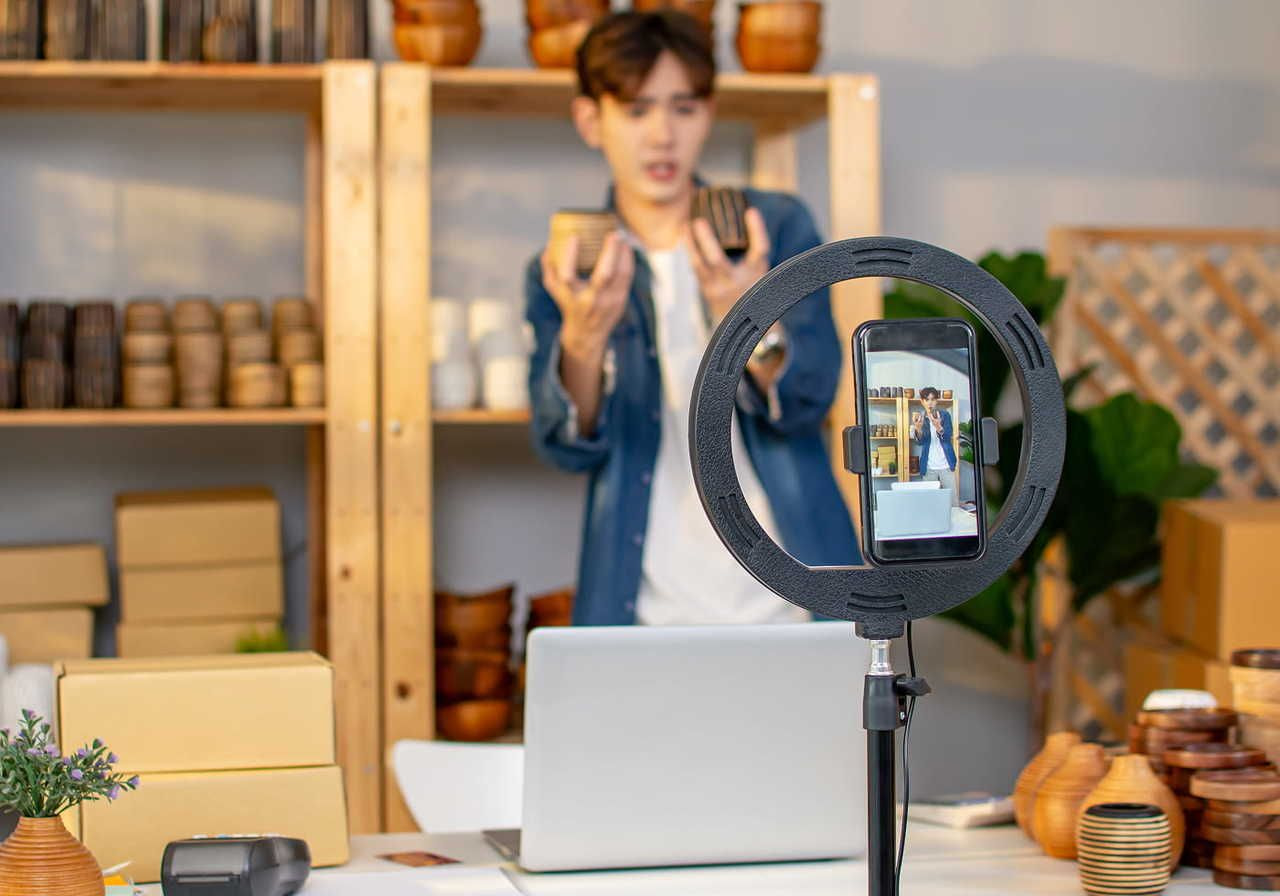
Short-form video gives dropshipping entrepreneurs fast exposure with simple, snappy content that shows products in real use. Focus on quick visuals that instantly highlight the value.
What to post:
-
UGC-style demos (product videos that look like they were created by regular customers, not by a brand or a studio)
-
Unboxings
-
POV clips
-
Problem → solution videos
How to use them:
-
Repurpose for omnichannel marketing
-
Link videos to product listings
-
Post videos consistently
-
Add longer, informative content to your YouTube channel
2. Paid social advertising (Facebook, TikTok, Pinterest Ads)
Paid ads are one of the fastest ways to learn how to advertise dropshipping businesses and reach buyers. Facebook, TikTok, and Pinterest let you target people based on interests, behaviors, and shopping habits – making it easier to sell products online.
How to run effective ads:
-
Test 3-5 creatives per ad set
-
Use different hooks to match customer expectations
-
Optimize campaigns for purchases
-
Cut underperforming social media ads based on performance
For example, if you sell custom mugs, test three ads: a UGC unboxing, a lifestyle shot of the mug on a desk, and a before/after of the design file vs the finished product. After 48-72 hours, cut the weakest performer and put more budget behind the winner.
3. Google Shopping and Search ads
Google helps your dropshipping business reach high-intent buyers already searching for specific products. This makes it ideal for evergreen niches and higher-ticket items where people compare options before purchasing. Clear titles, strong images, and accurate pricing instantly increase visibility.
How to get results:
-
Structure campaigns tightly to control ad spend
-
Use relevant keywords tied to your niche
-
Improve product data to strengthen your brand presence
-
Track conversions through your eCommerce platform
4. Retargeting and dynamic product ads
Ever browsed a product online, then saw it follow you around on Instagram or Facebook? That’s retargeting. It brings back visitors who didn’t buy from you by showing them the exact product they viewed. It’s one of the most effective ways to recover abandoned carts.
How to use retargeting:
-
Build audiences based on customer behavior
-
Show product-specific ad creatives
-
Target page visitors, product viewers, and cart abandoners
-
Run short, clear reminders that encourage people to return
5. UGC creator marketing

User-generated content feels real – that’s why it outperforms polished brand videos in both click-through and conversion rates. Hire micro-creators through platforms like Billo or Collabstr, or reach out directly on TikTok and Instagram.
Give them a simple brief and let them record natural reviews, demos, or testimonials.
How to use UGC:
-
Add videos to your online store
-
Use clips in paid ads
-
Strengthen your dropshipping marketing strategies with social proof from real voices
6. Influencer collaborations (micro and nano)

Influencer partnerships work well alongside UGC because they also rely on real people and relatable content. Micro- and nano-creators deliver stronger ROI than large influencers, especially in an increasingly competitive market. Their audiences trust them more, making these collaborations more cost-effective.
How to choose creators:
-
Look for creators in your niche with 5k-100k followers
-
creators whose content is visually appealing and is a natural fit for your brand
-
Review their social media posts and video content for authenticity
Why it works:
-
Drives repeat purchases through trusted recommendations
-
Builds credibility with a loyal community around shared interests
7. SEO and content marketing
SEO attracts organic traffic by answering what your target audience searches for. Create comparison pages, “best of” listicles, and problem-solving guides that highlight your dropshipping products and build trust.
How to do it:
-
Do keyword research using tools like Google Keyword Planner or Semrush
-
Add relevant keywords to titles, headings, and body text
-
Link product pages in articles to guide buyers
-
Write clear meta titles and descriptions to stand out in Google search results
This strengthens your search engine optimization over time.
8. Pinterest SEO and shoppable Pins
Pinterest doubles as a search engine – people browse for inspiration but also actively look for products to buy. If your niche is visual (home décor, fashion, beauty, pets, gifting), it’s one of the best marketing strategies.
How to pin it down:
-
Set up a business account and connect your store to enable shoppable Pins
-
Add keywords to Pin titles, descriptions, and board names – use the terms your customers would actually search for
-
Use lifestyle images that show products in real settings
-
Pin consistently – Pinterest content has a much longer shelf life than a typical social media post
Read more: Pinterest strategies for entrepreneurs


9. Email and SMS automation
Email and SMS flows help your dropshipping store turn visitors into buyers and build long-term customer loyalty. Set them up before running ads so every new subscriber enters a meaningful journey. Use tools like Klaviyo, Omnisend, or Mailchimp to automate everything and track results.
Essential flows:
-
Welcome series to introduce your brand
-
Abandoned cart reminders
-
Follow-ups for product viewers who didn’t add to cart
-
Post-purchase upsells
-
Win-back emails for inactive customers
Strong email marketing keeps your audience engaged and makes future marketing campaigns more profitable.
Read more: What is email marketing?
10. Conversion rate optimization (CRO)
CRO makes every marketing dollar go further by helping more visitors buy on their first visit. A fast, trustworthy store lifts conversions and strengthens brand visibility across all channels.
Before scaling ads, make sure your pages clearly communicate value and showcase your dropshipping products in the best possible way. Better conversions mean more revenue from the same traffic, higher customer lifetime value, and cheaper ads overall.
What to improve:
-
Site load speed – aim for under 3 seconds on mobile
-
Benefit-focused product pages with clear pricing and sizing
-
High-quality images from multiple angles
-
Clear CTAs that tell shoppers exactly what to do next
-
Risk reducers: return policies, guarantees, secure checkout badges
Pro tip: 52% Of shoppers say product videos make them more confident buying online – and pages with video convert up to 80% better.
11. Social proof and reviews integration
Social proof helps shoppers trust your store faster. Show real experiences through UGC, testimonials, customer videos, and any honest review that reflects actual use.
These signals reassure buyers about product quality and reduce hesitation, especially for first-time shoppers.
What to add
-
Photo and video reviews
-
“As seen on” mentions
-
User-generated content from real buyers
-
Featured testimonials showing customer satisfaction on product pages
Pro tip: When people see other happy customers, they feel safer buying and are more likely to become loyal customers.
12. Seasonal and trend-based campaigns
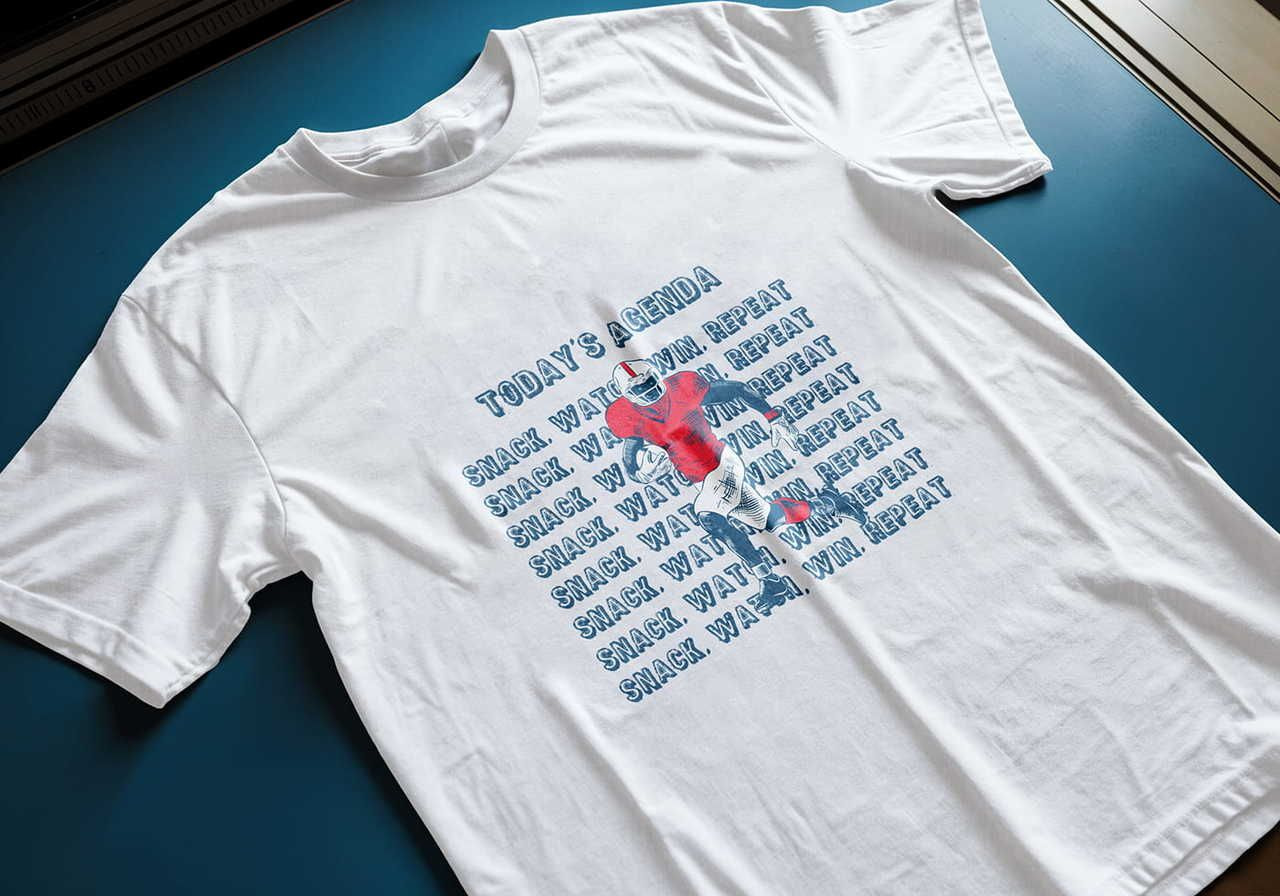
Seasonal peaks and fast-moving trends drive powerful revenue spikes for your store. Use moments like Q4, Valentine’s Day, and back-to-school to launch targeted dropshipping advertising and refresh your offers around trending products.
Timing is everything. Plan inventory fluctuations and seasonality with your suppliers so order fulfillment stays on track, and customer satisfaction remains high.
What to focus on:
-
Seasonal product bundles
-
Trend-driven video content
-
Early promos to protect your profit margin
-
Updating ads based on real-time demand
For example, if you sell custom hoodies, start promoting fall designs in late July – before your competitors’ ads drive up costs in September. Pair them with a seasonal bundle (hoodie + beanie) to boost AOV.
Read more: The ultimate 2026 eCommerce holiday calendar
13. Bundles, upsells, and AOV optimization
A higher average order value (AOV) gives you more room to scale your marketing without increasing costs. Small improvements add up quickly, making each visitor more valuable.
Create simple offers that encourage customers to add another item before checking out.
Ways to increase AOV:
-
“Buy X, get Y” offers
-
One-click upsells after checkout
-
Volume discounts for multi-item purchases
14. Community-building and brand storytelling
Community turns one-time shoppers into long-term supporters. Use TikTok, Instagram Stories, or email marketing to show your brand’s personality and share content your audience relates to.
Ways to build community
-
Share customer stories
-
Post consistent behind-the-scenes clips
-
Send value-focused emails
-
Highlight your mission and values
Share your sustainability efforts, lifestyle tips, or behind-the-scenes moments that make your business feel human. Whether you use a POD partner or a dropshipping supplier, storytelling strengthens connection and boosts retention.
Common dropshipping marketing mistakes

Even strong marketing plans fall apart when a few key fundamentals are missing. These are the most common mistakes dropshipping businesses ignore – and the fastest fixes to improve performance across every channel.
Focusing only on paid ads
When you rely on ads alone, your sales stop as soon as your budget runs out. Balance paid traffic with organic content, SEO, and email – so your store still makes money when you’re not spending.
Choosing trends without checking demand
A product can look like a winner on TikTok and sell zero units in your store. Check Google Trends, search interest, competitor reviews, and actual search volume before investing in a new product.
Sending traffic to unoptimized pages
You could have the best ad in the world – if the product page is slow, cluttered, or missing reviews, people will leave. Fix your pages before you spend more on traffic.
Ignoring customer experience
Slow replies, unclear policies, or weak branding push buyers away. Build trust with fast communication, transparent policies, and consistent visuals.
Skipping analytics
If you’re not tracking what’s working, you’re gambling with your ad budget. Track performance across ads, email, SEO, and site behavior with basic analytics so you can adjust based on real data.
Read more: 20 Essential eCommerce metrics you should be tracking
Printful – Your best dropshipping alternative

Unlike dropshipping, Print on Demand gives you more control over print and embroidery quality while still avoiding inventory.
It’s a reliable dropshipping alternative that lets you build a brand you’re proud of, using every marketing strategy above with more consistency.
Step 1: Sign up
Create a free Printful account and explore products you can customize.
Setup takes minutes and gives you access to high-quality products, reliable order fulfillment, and production standards that won’t embarrass your brand.
Step 2: Choose a product
Browse the Printful Catalog for custom t-shirts, accessories, and home décor, and pick the items that fit your audience. Each product is made on demand, giving you control over the final look and feel.
Step 3: Start designing
Use Printful’s Design Maker to add artwork, text, or full-print graphics. Real-time previews let you adjust details until everything matches your brand identity – a level of creative control that sets POD apart.
Step 4: Connect your store
Link Printful to your Shopify store, Etsy, Amazon, or another eCommerce platform. When a customer buys, it automatically syncs to Printful for production.
You stay focused on marketing and social media, not manual admin work.
Step 5: Launch and start marketing
Publish your products using the strategies above while Printful handles printing, packing, and shipping.
With this dropshipping alternative, you get automation, brand control, and a fulfillment partner that keeps up with your growth – without extra workload.
How to promote a dropshipping store: Key takeaways
Promoting a dropshipping store comes down to:
-
Starting out with a store that’s ready to convert – then driving traffic, not the other way around
-
Mixing organic reach (SEO, social media, Pinterest) with paid advertising for dropshipping to avoid depending on one channel
-
Using email, SMS, and retargeting to turn one-time buyers into repeat customers
-
Tracking everything, cutting slow performers, and reinvesting in what works
The best marketing strategies aren’t about doing all 14 at once – they’re about picking the right ones for your niche and executing them consistently. If you want more control over product quality while using the same playbook, Printful’s POD model gives you a reliable, scalable path to growing your online brand.
FAQ
Dropshipping marketing refers to the strategies used to promote a dropshipping store and drive traffic to it. Dropshipping marketing includes paid ads, SEO, email, social content, and conversion-focused landing pages.
These methods help improve lower profit margins by increasing reach, building trust, and shaping how customers perceive product quality.
Yes, but only with consistent testing and strong dropshipping marketing strategies. Stores that reach this level usually have a clear niche, optimized pages, reliable suppliers, and data-driven campaigns.
Scaling to $10,000/month requires understanding costs, managing margins, and running your store like a real eCommerce business, not a side hustle.
It’s possible to start with $100 if you focus on organic traffic, UGC, and low-cost tools. Many beginners build a dropshipping store with minimal spend by focusing on organic content before investing in paid ads.
Budget goes toward a Shopify store or similar platform, basic apps, and small tests.
Yes. Many sellers reach $2,000 in monthly sales once. Safest dropshipping tips to get you there: refine your niche, optimize landing pages for SEO and CRO, back up your dropshipping marketing strategies with data, and choose suppliers with consistent product quality.
Growth depends on testing and smart reinvestment into what works.
Yes. Depending on your region, you may need a business license, tax registration, and clear return and privacy policies on your store. Requirements vary by country and platform, so check local regulations before launching.

Zane is a sharp-witted writer with a deep interest in eCommerce, branding, and creative entrepreneurship. With a knack for blending humor, insight, and no-nonsense advice, she crafts engaging content that helps merchants learn and businesses grow. When she’s not dissecting industry trends, she's exploring philosophy, music, and the perfect balance between solitude and connection.

