



Table of contents
The top dropshipping niches in 2026 combine trending products, steady demand, reliable fulfillment, and clear buyer intent.
This guide shows how to evaluate niche profitability, compare product categories, spot competition, and choose a niche that supports long-term brand growth and encourages repeat purchases – not just short-term product chasing.

What makes a dropshipping niche profitable?
A dropshipping niche is the specific product category or audience a store builds around – anything from pet memorial gifts to retro gaming merch.
A profitable niche gives customers a specific reason to buy, creates enough room for healthy profit margins, and supports a dropshipping business beyond one viral product.
Look for four signals: consistent demand, repeat-purchase potential, clear audience identity, and product pricing that leaves room for production, shipping, taxes, transaction fees, and ad costs.
The global dropshipping market is expected to reach $583.5B in 2026, so sellers still face room for growth – but only with disciplined niche selection.
Use Google Trends to check whether a niche has steady search interest or short-lived spikes. Google lets you compare up to five search-term groups, which helps you test “custom yoga shirts” against “pilates merch,” “dog mom gifts,” or “car accessories.”
Then match market trends with practical market research. A niche looks stronger when people search for it, discuss it in communities, buy it across multiple platforms, and complain about existing options. Those complaints show what your target audience wants fixed.
How to evaluate a niche before you start?
Use a simple research stack before choosing products.
-
Google Trends – compare market demand over time, seasonality, and regional interest. Avoid niches that show one short spike followed by a flat line.
-
Google Keyword Planner – use keyword ideas, search volume, and forecast data to estimate demand before you build listings, create designs, or choose products for your store.
-
Amazon, Etsy, eBay, and TikTok Shop search – type your product idea into each search bar and note autocomplete suggestions, bestseller patterns, review counts, and common product angles.
-
Semrush or Ahrefs – check competitor pages, keyword difficulty, backlinks, and content gaps. Use these tools when organic traffic matters more than paid ads.
-
Meta Ad Library – search brands and product keywords to see which ads competitors currently run across Meta technologies.
-
Reddit, Discord, Facebook Groups, and TikTok comments – look for repeated language. If buyers keep asking for larger sizes, better fabric, safer materials, niche jokes, or faster delivery, you’ve found product and copy angles.
-
Printful Catalog and product samples – confirm whether your niche fits products worth actually producing, branding, and shipping. Printful offers 588 dropshipping products, no order minimums, and sample orders, which makes small-batch niche testing practical.
Read more: 33 Useful market research tools for startups and established businesses
What are the most profitable niches for dropshipping in 2026?

The most profitable dropshipping niches usually sit between a huge market and a specific niche.
-
A broad niche like fitness, pets, or home decor creates demand
-
A narrower angle – pickleball moms, anxious dog owners, retro gamers, or home-office designers – gives your eCommerce store focus
The goal: build niche stores with product angles that feel specific enough for targeted marketing, but large enough to support sales across online marketplaces, social media, and search.
Below are the ten best dropshipping niche ideas with high demand and Printful product fit.
1. Sportswear and athleisure
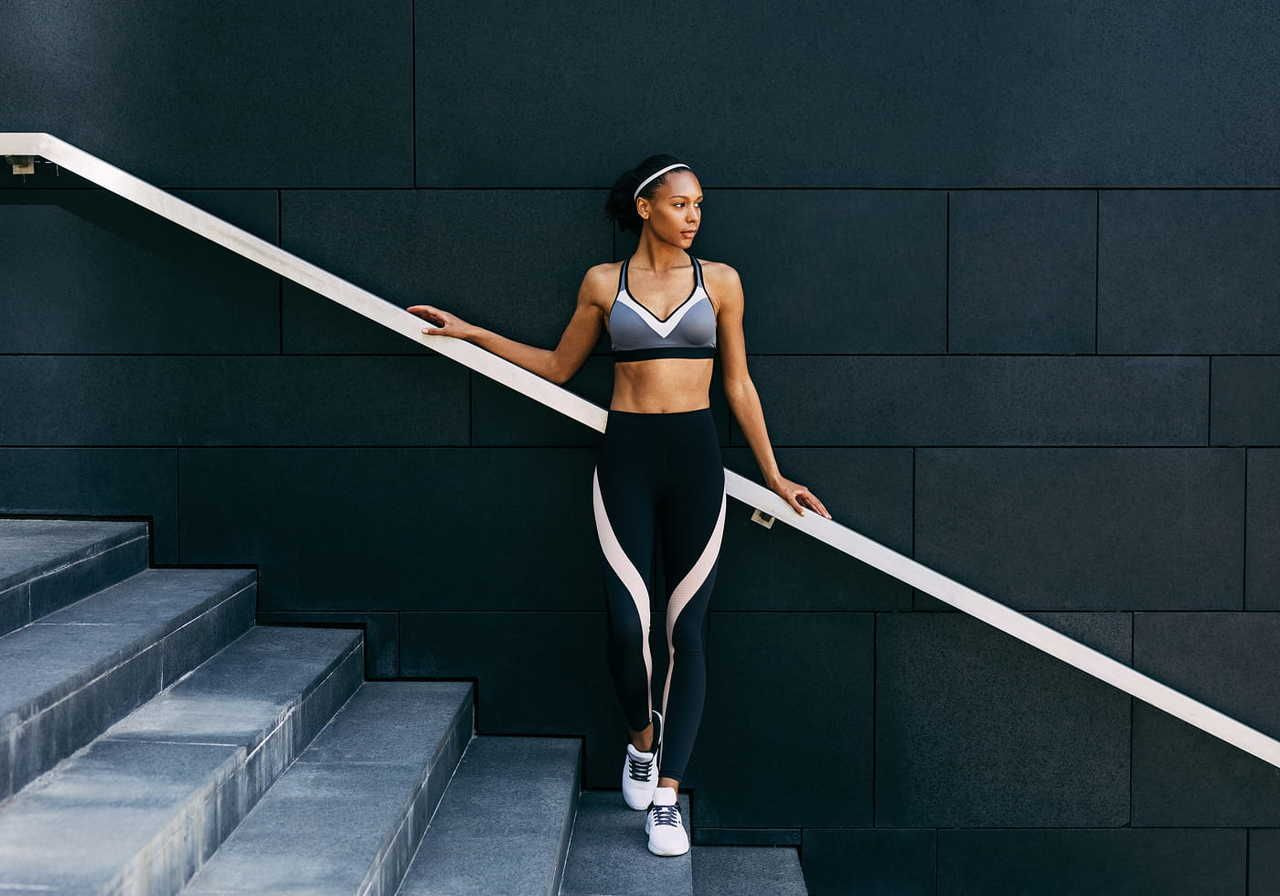
Sportswear works because buyers use it for training, errands, travel, and casual outfits. Athleisure also gives sellers several price points: t-shirts, leggings, sports bras, hoodies, hats, and gym bags.
The global athleisure market is set to reach $844.77B by 2034.
For dropshipping, this niche rewards strong design systems. Sell around activities, not generic “fitness accessories.” Try product ideas like yoga club tops, pickleball team shirts, gym challenge hoodies, running caps, or Pilates studio merch.
Printful fit – custom sportswear (leggings, tank tops, hats, hoodies, and bags). Printful offers custom sportswear with free design tools, global shipping, and no minimums.
Best angle – build around one sport, workout identity, or local fitness community. “Women’s strength training club” beats “fitness clothing.”
Read more: How to start a dropshipping business
2. Health, beauty, and skincare
The health and wellness niche attracts repeat buyers because routines create recurring demand. For Print on Demand, avoid regulated products like supplements, ingestibles, cosmetics, or medical items unless you have compliant suppliers and verified claims.
Instead, sell products around the lifestyle: embroidered self-care sweatshirts, skincare routine towels, cosmetic bags, wellness journals, water bottles, sleep-themed shirts, spa headbands, and gift sets.
McKinsey expects the global beauty market to grow around 5% annually and reach $590B by 2030.
This niche has established brands, high ad competition, and strict claim risk. Your advantage comes from identity, packaging, design, and gifting.
Printful fit – tote bags, towels, mugs, sweatshirts, beauty products, and wellness-themed custom clothing.
Best angle – in your online store, focus on routines and audiences – estheticians, spa owners, “everything shower” fans, fragrance collectors, or skincare minimalists.
3. Pet supplies

Pet supplies remain one of the strongest dropshipping categories because pet owners buy gifts, accessories, home products, and matching human-pet items.
The US pet industry should hit $165B in 2026. APPA also reports 95M US households own at least one pet.
For your online business, pet niches work best when you narrow them by animal, breed, personality, or owner identity. “Cat products” feels too broad. “Black cat Halloween gifts,” “dachshund dad apparel,” or “rescue dog memorial gifts” give you sharper products and copy.
Product ideas include custom pet blankets, pet bowls, bandanas, human-pet matching shirts, wall art, mugs, and breed-specific gifts.
Printful fit – custom pet products like pet lover gifts, blankets, bowls, apparel, mugs, and wall art. Printful supports custom pet products with no minimums and worldwide shipping.
Best angle – use personalization. Names, portraits, breeds, adoption dates, and memorial designs create high perceived value.
4. Home decor and wall art
Home decor sells through taste, identity, and gifting. Wall art, pillows, blankets, candles, mugs, and framed prints work well for sellers with strong visual direction.
This niche favors stores with clear aesthetics: dark academia prints, coastal nursery art, maximalist gallery walls, pet portraits, funny kitchen prints, local city maps, or minimalist office art.
Printful fit – wall art (posters, framed posters, and canvas prints) as well as pillows, blankets, and mugs. Printful offers custom posters for sellers who want to sell designs online without holding inventory.
Best angle – sell complete rooms or moods. A three-print gallery set usually carries a stronger order value than one standalone poster.
Read more: 21 Products to sell online
5. Sustainable and eco-friendly products
Eco-conscious buyers want product evidence, not vague claims. This niche suits sellers who explain materials, production model, packaging, care, and durability with clear wording.
Shoppers will pay an average 9.7% more for sustainably produced or sourced goods.
In Print on Demand, the made-to-order model helps reduce unsold inventory. Still, describe sustainability carefully. Mention organic cotton, recycled materials, or made-to-order production only when the product page supports the claim.
Product ideas include organic cotton apparel, recycled-fabric accessories, minimalist environmental designs, reusable tote bags, and slow-fashion basics.
Printful fit – the made-to-order model is the real story here. Eco-friendly products like organic cotton and recycled-material options exist, but nothing gets produced – or wasted – until a customer actually orders it.
Best angle – avoid generic “save the planet” slogans. Sell to a specific buyer, such as hikers, gardeners, climate educators, zero-waste parents, or eco-conscious yoga studios.
6. Phone accessories
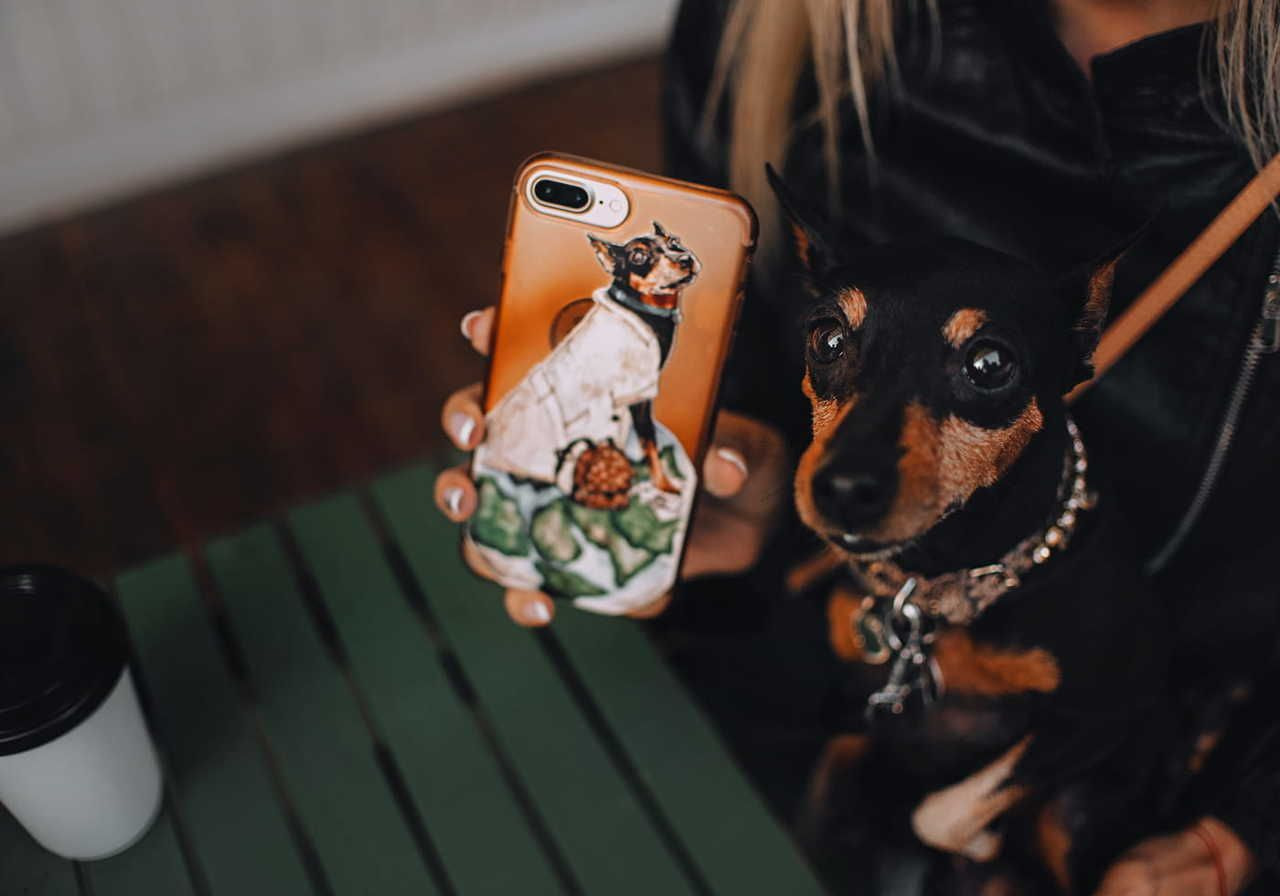
Phone accessories work because people replace phones, cases, chargers, and add-ons regularly. The global mobile accessories market is predicted to reach $189.9B by 2033, with a projected 7.8% compound annual growth rate.
Custom phone cases also fit visual trends. Sellers can test patterns, names, initials, pet portraits, gaming motifs, fandom-inspired art, and seasonal designs.
The challenge: competition. Large online marketplaces already carry thousands of cheap cases. Win with personalization, visual identity, model coverage, and better product pages.
Printful fit – phone cases, laptop cases, earphone cases, mouse pads, and other tech accessories. Printful offers custom phone cases with a free signup, sample discounts, and no minimums.
Best angle – build around personal aesthetics like maximalist florals, gothic initials, dog portraits, bridal party cases, gamer tags, or matching phone-and-laptop sets.
7. Baby and family products
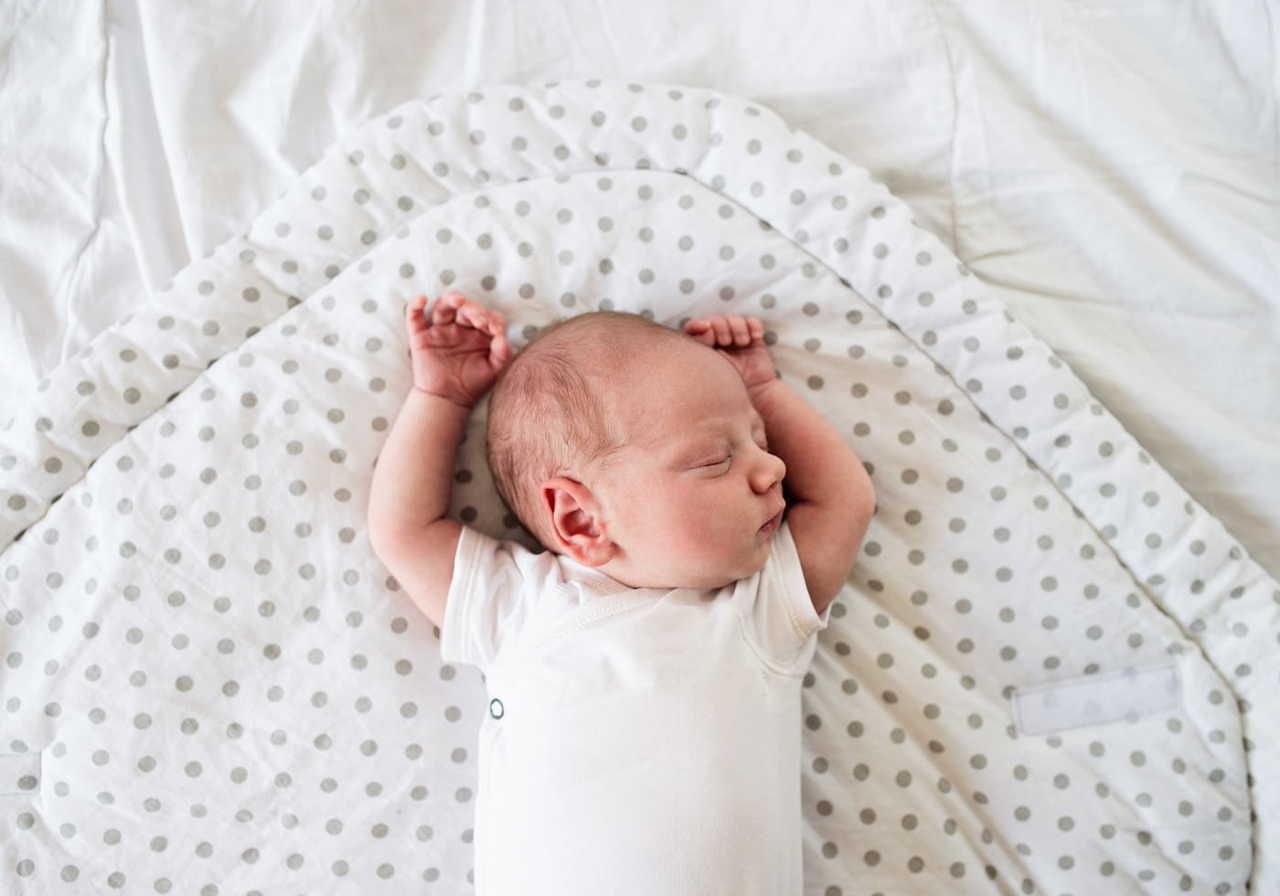
Baby and family products attract gift shoppers, parents, grandparents, and family photographers. The global baby products market should grow from $375.8B in 2026 to $579.5B by 2033.
This niche demands product quality, cautious wording, and no unsupported safety claims. Avoid promising better sleep, safer care, or medical benefits. Focus on personalization, milestone gifts, family humor, and photo-ready products.
Product ideas include baby bodysuits, toddler shirts, family matching sets, nursery wall art, custom blankets, pregnancy announcement shirts, and grandparent gifts.
Printful fit – baby apparel, kids’ clothing, blankets, posters, mugs, and family gift products.
Best angle – sell around occasions – pregnancy announcements, first birthdays, holidays, baby showers, family reunions, and sibling reveals.
8. Gaming merchandise

Gaming merch works because buyers identify with specific games, platforms, roles, inside jokes, and setups. The gaming accessories market should reach $26.17B by 2034, with a projected 9.57% compound annual growth rate.
Important: Avoid copyrighted characters, game logos, and trademarked phrases unless you hold a license. Build original designs around gamer identities: cozy gamers, speedrunners, retro collectors, tabletop players, streamers, esports fans, or dungeon masters.
Product ideas include desk mats, mouse pads, hoodies, mugs, posters, stickers, beanies, and streamer merch.
Printful fit – custom mouse pads, posters, hoodies, custom t-shirts, hats, mugs, stickers, and tech accessories.
Best angle – focus on community language without infringing intellectual property. Original “healer main” or “cozy farming game club” designs work better than copied game art.
Quick tip: Did you know that Printful excels at custom embroidery? Unlimited colors, gradients, and exceptional quality at no minimum order.
9. Office and work-home products
Remote and hybrid work created demand for products that make desks, calls, and routines feel more personal. This niche also overlaps with smart home devices, productivity tools, desk decor, and ergonomic accessories.
For Print on Demand, focus on custom desk and identity products: mouse pads, mugs, notebooks, laptop sleeves, posters, water bottles, hoodies, and team merch.
This niche works for freelancers, designers, writers, software developers, teachers, remote teams, and coworking spaces.
Printful fit – mouse pads, laptop cases, mugs, notebooks, wall art, apparel, and drinkware.
Best angle – sell to job identity. “Accountant gifts,” “UX designer desk setup,” “teacher planning club,” or “writer cave” create sharper search engine optimization (SEO) than “office products.”
10. Niche apparel communities (fandom, identity, hobby)
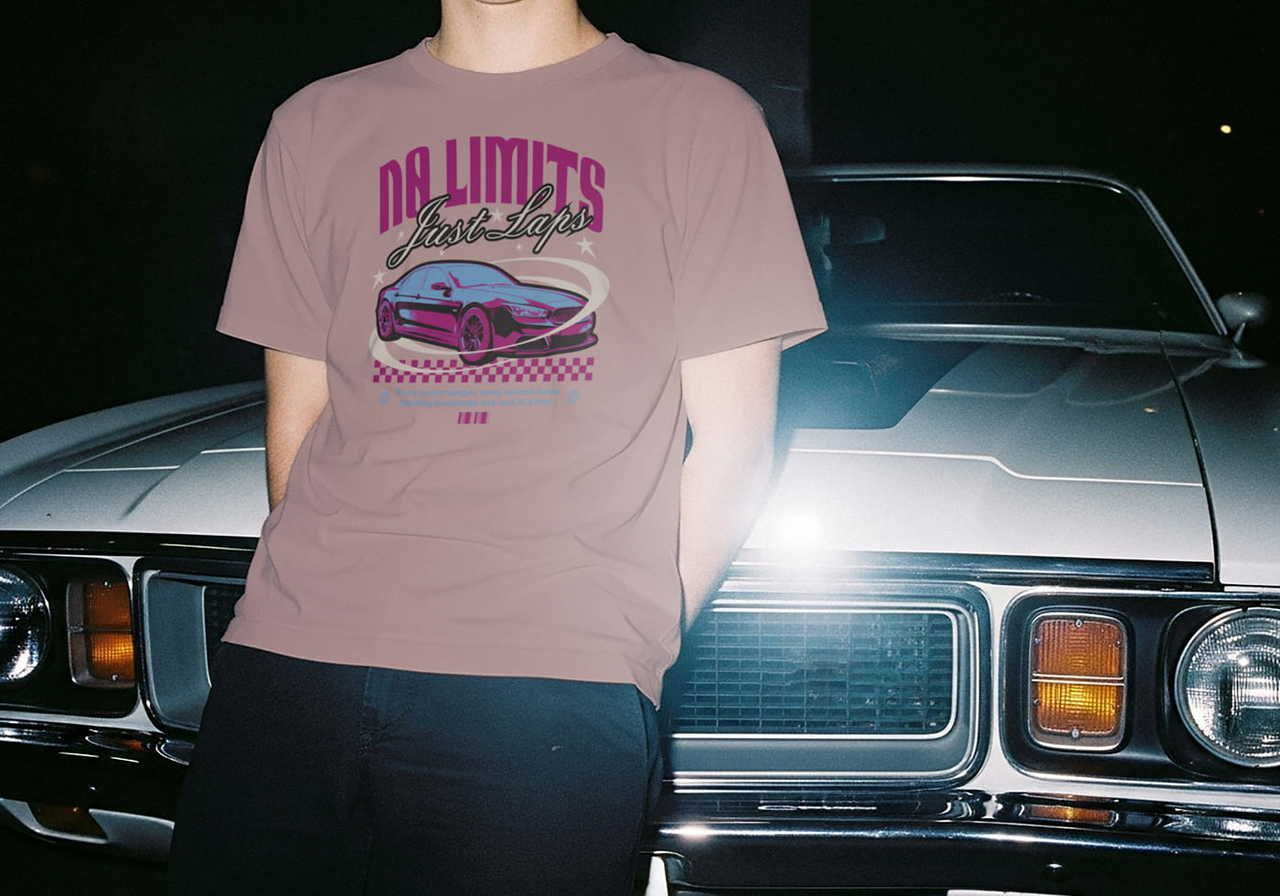
Niche apparel works when the design signals belonging. It also fits a successful dropshipping business because you can expand from t-shirts into hoodies, hats, tote bags, mugs, stickers, and posters.
The strongest communities have shared language: runners, book clubs, nurses, teachers, metal fans, chess players, pickleball teams, plant parents, dog breeds, and local pride groups.
This category includes several of the most profitable dropshipping products because apparel and accessories support bundles, seasonal launches, personalization, and repeat purchases.
Printful fit – t-shirts, embroidered sweatshirts, hoodies, hats, tote bags, stickers, mugs, and posters. Printful’s Catalog includes 588 customizable products, including apparel, accessories, home decor, and phone cases.
Best angle – start with one community and one design style. A focused “retro tennis club” store builds brand recognition faster than a general funny-shirt store.
Read more: How to start a clothing brand
How profitable are these niches?

Profit depends less on the niche label and more on pricing, fulfillment cost, product quality, ad efficiency, and retention.
The dropshipping market keeps growing, but sellers earn higher profit margins when they test small, avoid overbuying, and choose trending product ideas that match a specific buyer.
|
Niche |
Startup costs |
Time to first sale |
Income ceiling |
Printful product fit |
|
Sportswear and athleisure |
$120-$450 |
Two to six weeks with a clear sport, studio, or training audience |
High – team orders, gym merch, challenge drops, and repeat seasonal collections |
Strong – leggings, sports bras, tank tops, hoodies, hats, and gym bags |
|
Health, beauty, and skincare |
$80-$300 |
Three to eight weeks, because trust and positioning matter more |
Medium to high – best for lifestyle accessories, self-care gifts, and branded bundles |
Medium – beauty products, towels, mugs, sweatshirts, notebooks, and various bags |
|
Pet supplies |
$100-$400 |
Two to five weeks with breed, memorial, or personalization angles |
High – personalization, gifting, repeat occasions, and emotional buying |
Strong – pet bowls, blankets, bandanas, apparel, mugs, and wall art |
|
Home decor and wall art |
$70-$350 |
Three to eight weeks, depending on SEO, style, and mockup quality |
High – framed prints, gallery sets, premium wall art, and artist-led collections |
Strong – posters, framed posters, canvas prints, pillows, blankets, and mugs |
|
Sustainable and eco-friendly products |
$150-$500 |
Four to ten weeks, because buyers need proof before purchase |
Medium to high – stronger when product claims stay specific and evidence-backed |
Medium – organic cotton, recycled-material options, tote bags, and made-to-order apparel |
|
Phone accessories |
$60-$250 |
One to four weeks with trend-led visuals or personalization |
Medium to high – fast design testing, but price competition compresses margins |
Strong – phone cases, laptop cases, earphone cases, and mouse pads |
|
Baby and family products |
$100-$350 |
Two to six weeks around baby showers, announcements, and holidays |
Medium to high – matching sets, milestone gifts, and personalized family products |
Strong – baby apparel, kids’ clothing, blankets, posters, mugs, and family gifts |
|
Gaming merchandise |
$70-$300 |
Two to six weeks with a real gaming community or streamer audience |
High – streamer merch, desk setups, fan-adjacent communities, and limited drops |
Strong – mouse pads, hoodies, t-shirts, mugs, posters, stickers, and hats |
|
Office and work-home products |
$60-$280 |
Three to seven weeks with job-specific SEO or team-gifting angles |
Medium – higher for B2B, remote-team merch, and profession-based gifts |
Strong – mouse pads, laptop cases, mugs, notebooks, posters, and drinkware |
|
Niche apparel communities |
$90-$350 |
One to five weeks with a clear hobby, identity, or fandom-adjacent audience |
High – strongest when the store expands into drops, bundles, and seasonal collections |
Very strong – t-shirts, hoodies, sweatshirts, hats, tote bags, stickers, mugs, and posters |
These most profitable dropshipping niche cost estimates include store setup, domain purchase, product samples, basic mockups, and design tools – but exclude paid advertising, custom photography, freelancers, and advanced apps.
What is the most successful dropshipping niche?
The best dropshipping niches combine healthy profit margins, strong buyer identity, and products people already want to sell online or buy online.
For most beginners, the categories below offer the best balance. They support targeted marketing, visual differentiation, and product expansion without heavy regulatory risk.
The right dropshipping niche also depends on your starting advantage:
-
Choose pet supplies if you understand breed humor, pet gifting, or personalized products
-
Choose sportswear if you know a fitness community, local team, studio, or training style
-
Choose home decor if you create original art, patterns, typography, photography, or interior-style collections
-
Choose phone accessories if you track fast-moving visual trends and can create many designs for your dropshipping store quickly
-
Choose niche apparel if you understand a community’s language and know what members would wear publicly
There are also dropshipping niches to avoid:
Skip products with strict safety rules, medical claims, fragile supplier quality, unclear shipping times, copyrighted designs, or extremely low prices that leave no margin after ads.
Many of the most popular dropshipping niches attract copycat sellers, so the right niche must support a memorable angle.
A profitable store rarely wins by selling everything. The right niche wins by helping a clear buyer choose faster.
How to find competitors in your niche
Once you shortlist great dropshipping niches, study the competitors already ranking, advertising, and selling. This confirms search interest, search volume, pricing gaps, and whether your business strategy has room to earn higher profit margins even against major companies.
Price benchmarking
Search your product on Google Trends, Amazon, Etsy, eBay, TikTok Shop, and niche stores. Track product price, shipping costs, discounts, bundle offers, and delivery claims in one sheet.
Compare the total customer cost, not just the product price. A car accessories niche and others like pet supplies or eco-friendly products need enough margin for samples, returns, ads, and reliable shipping.
Product descriptions and visuals
Review how competitors explain materials, sizing, use cases, and care. Note which images show scale, texture, packaging, lifestyle use, or personalization. Weak mockups and thin descriptions create openings for a better product page.
Competitor SEO
To build a successful dropshipping store, you need a good SEO strategy. Check who ranks for your product keywords. Use Google Keyword Planner, Semrush, Ahrefs, or free autocomplete research to compare search volumes, page titles, headings, and content depth.
Strong ranking competitors prove consistent demand, but low-quality pages show where a new store can compete.
Customer reviews
Read one-star, two-star, and three-star reviews first. They reveal sizing issues, print complaints, late deliveries, weak packaging, and missing product details. Those gaps help turn profitable dropshipping niches into a profitable store.
Pick your niche, test your first products, and build from the data
The best dropshipping niche for your business should pass three tests: people already search for it, the products leave room for margin, and your brand can say something specific to the buyer.
Start with five to ten products, order samples, build clear product pages, and test one audience at a time. Track conversion rate, add-to-cart rate, total cost per order, repeat purchases, return reasons, and customer messages. Then expand the products that prove demand.
If you’re starting from scratch, use the research tools above, compare the niches in this guide, and choose a focused product angle before building a full store. Printful lets you create custom products without inventory, connect your store, and test designs before committing to a large collection.
Read next:
FAQs
The most profitable dropshipping business sells products with steady demand, clear differentiation, and enough margin after product cost, shipping, platform fees, and ads.
Apparel communities, pet products, wall art, and sportswear often work well because they support personalization, bundles, and branded product lines.
The best niche for dropshipping matches your audience knowledge, product quality standards, and fulfillment model. A strong dropshipping platform like Printful helps with store setup. But your chosen dropshipping niche should still show demand in Google Trends, active competitors, and buyers who value a specific product angle.
Find a low-competition niche by narrowing a broad market into a specific buyer, occasion, or style. Use Google Keyword Planner for search volume, Google Trends for demand patterns, marketplaces for seller density, and reviews to spot unmet needs that major companies often ignore.
Not at all – start dropshipping in a strong niche if you choose a sharper angle. The most profitable dropshipping niches still reward sellers who improve design, product pages, shipping clarity, branding, or personalization. Avoid copying generic products from saturated stores.
Start with five to ten products in a new niche, then expand based on sales data. This range gives shoppers enough choice without you spreading budget across weak listings.
Prioritize products that encourage repeat purchases, support bundles, and reveal which designs customers actually buy.

Zane is a sharp-witted writer with a deep interest in eCommerce, branding, and creative entrepreneurship. With a knack for blending humor, insight, and no-nonsense advice, she crafts engaging content that helps merchants learn and businesses grow. When she’s not dissecting industry trends, she's exploring philosophy, music, and the perfect balance between solitude and connection.

