


Table of contents
Merch is no longer just for large YouTube creators. It’s a practical way to turn your YouTube channel into a brand, connect with your audience beyond videos, and earn income outside of the YouTube Partner Program.
If you’re wondering how to make merch for YouTube, you don’t need upfront inventory or a complex setup to get started.
This guide walks you through how to design and sell custom products using Print on Demand, manage the business side of merchandise sales, and navigate trademark and copyright rules confidently.
Why sell merch for YouTube?
Earning from ads alone is difficult to scale consistently. Even in the best-paying market, US creators earn about $10.26 per 1,000 views, while most creators average $3-$5 per 1,000 views globally. That means you need steady high view counts just to maintain a predictable income.
Merch offers a more steady alternative. If you sell a custom t-shirt with a $10 base cost for $14, you earn $4 profit per sale. Selling just 10 t-shirts per month brings in $40 in profit.
To earn the same amount from ads, a creator would need roughly:
- 8,000 views at a $10.26 RPM, or
- 16,000-26,000 views at a $3-$5 RPM
Unlike ad revenue, you can sell custom merchandise immediately, no matter your audience size. Earning from ads on YouTube requires meeting minimum eligibility criteria, so it can take time to see a return on your effort.
With a merch shop, income depends more on your audience connection than algorithms, making merchandise sales one of the few monetization options available to creators from day one.
How to make your own YouTube merch in 4 easy steps
Selling custom merch for YouTube is a straightforward process. You start with the design, set up an online store, choose how your merch is produced and fulfilled, and then promote it to your audience. Let’s break it down step by step.
1. Pick and design merch your audience wants
Decide on the product
Start by choosing the product you want to put your design on. This decision shapes everything that follows, from how your merch looks on camera to how often fans actually wear or use it. If you need help narrowing down your options, ask your channel audience directly and use their feedback to guide your choice.
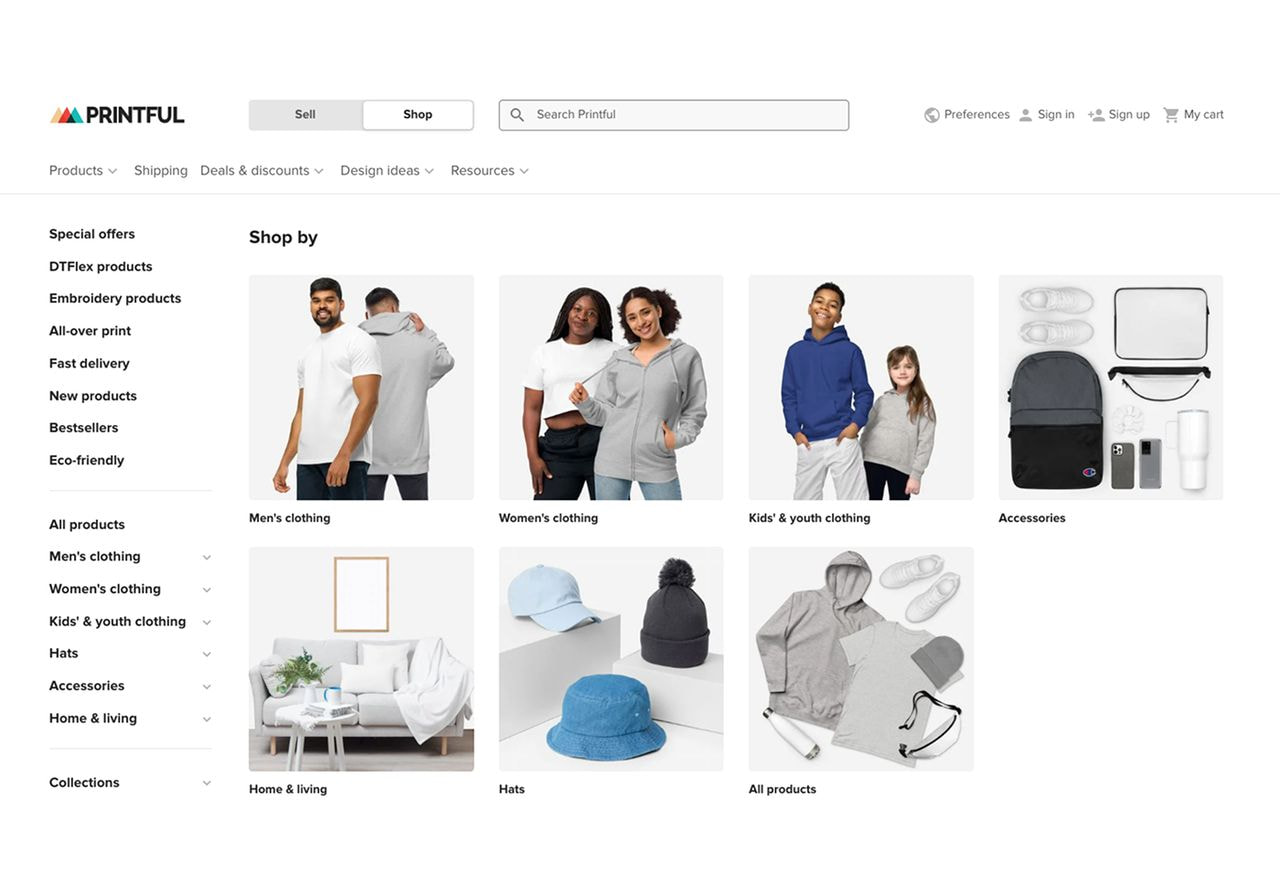
T-shirts and hoodies remain merch staples, but hats, tote bags, and canvas prints can also perform well depending on your niche. Printful’s diverse range of custom products gives you plenty of ideas to start with.
Source: Printful
Plan the design
Strong merch designs feel personal and instantly recognizable to your viewers. Inside jokes from your videos, recurring phrases, iconic characters, or artwork tied to your personal projects often resonate more than just adding your brand logo.
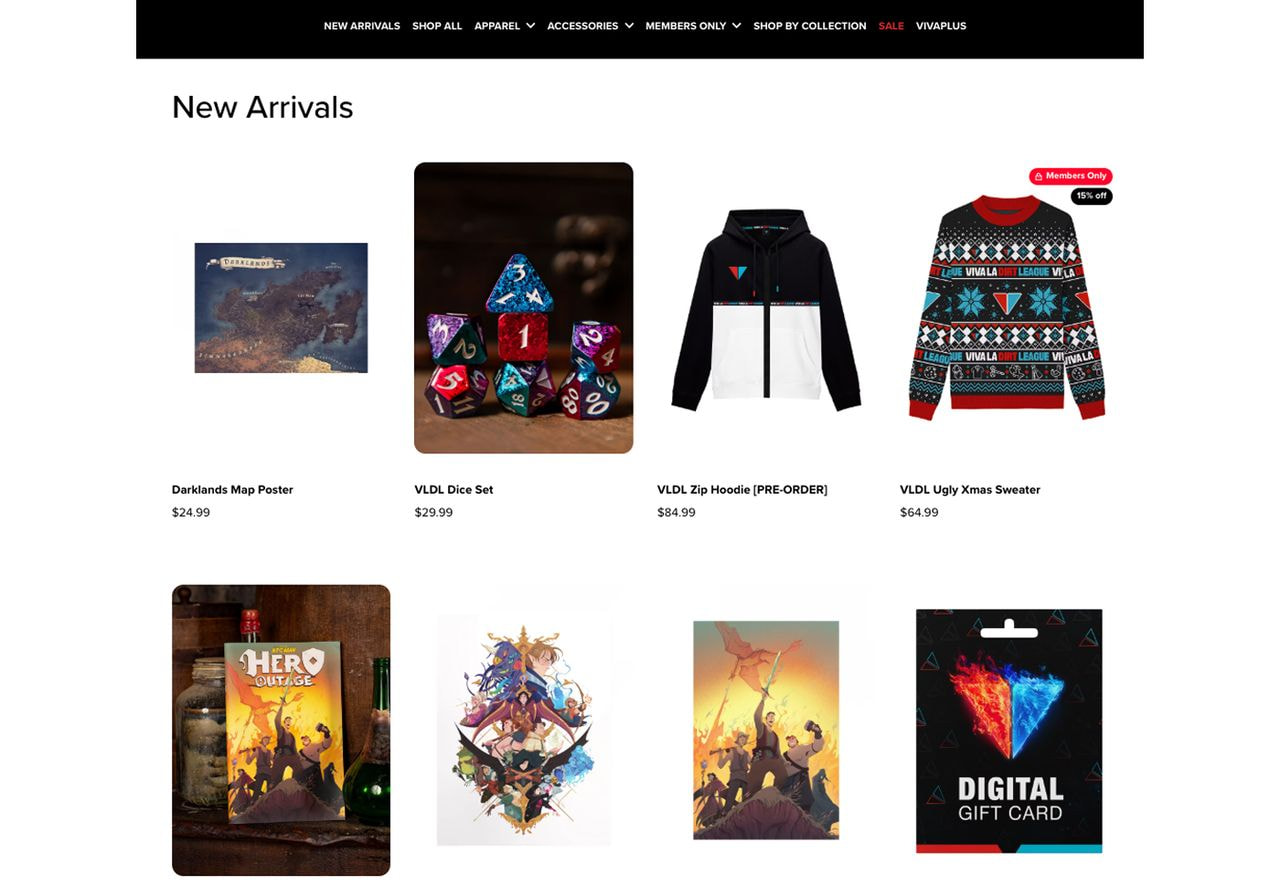
Creators like Good Mythical Morning and Viva La Dirt League are great examples for inspiration. These channels successfully turn humor, sketches, and community references into branded merchandise that their audience genuinely wants to own.
Source: Viva La Dirt League
If you’re comfortable designing yourself, tools like Canva or Adobe Illustrator can help bring your ideas to life. You can also use Printful’s Design Maker to remove backgrounds and access free clipart, fonts, and ready-to-use designs.
Alternatively, hire a professional through platforms like Fiverr for custom designs.
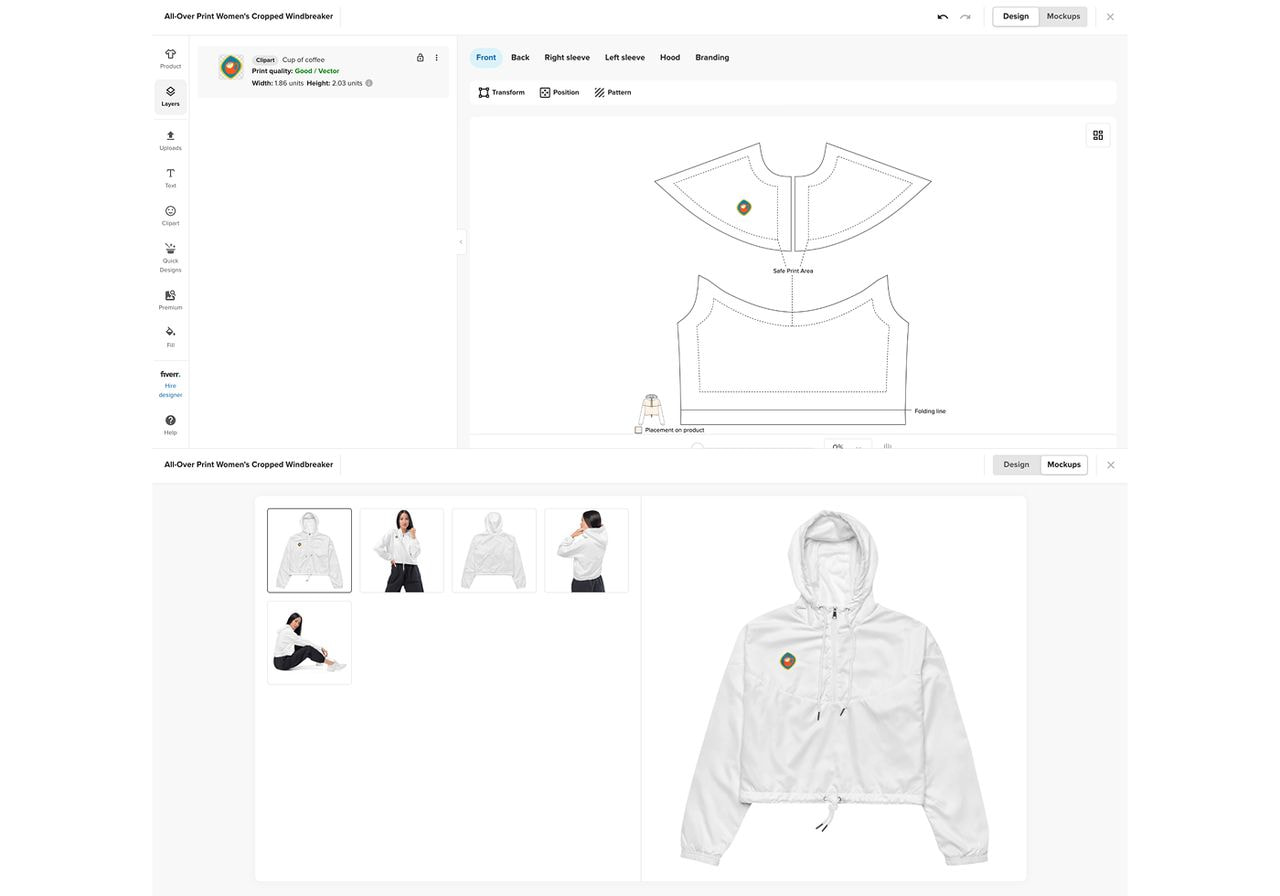
Source: Printful
When designing your own merch, think about subtle branding. Adding your logo helps strengthen brand identity without overpowering the design.
For t-shirts, placing the logo on the inside label is a clean, low-key option. Printful supports custom inside labels with ready-made templates to balance branding and compliance with labeling requirements.
Read also:
2. Set up a merch store
There are four main ways to build your merch store – using the YouTube Merch Shelf, selling through marketplaces, selling on social media platforms, or running your own store using an eCommerce platform.
The YouTube Merch Shelf or YouTube Shopping lets creators sell merchandise directly on their YouTube channel using the product shelf below videos and product tags. This option is only available to creators who are part of the YouTube Partner Program.
Once connected, viewers can see and buy your custom merch without leaving YouTube.
-
Pros: High visibility on your channel, easy for viewers to buy, no separate store to manage.
-
Cons: Only available to eligible creators, limited store design and branding control.
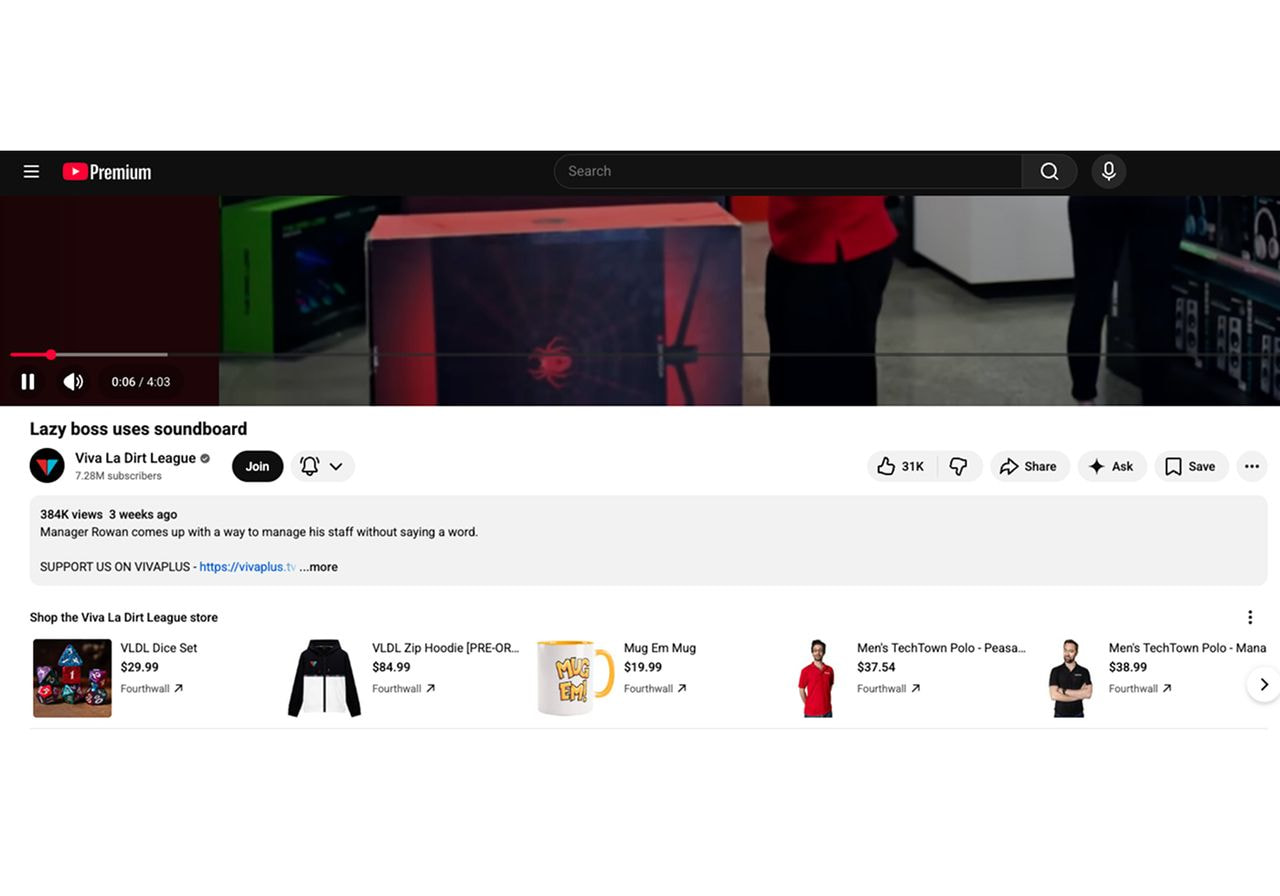
Source: Viva La Dirt League YouTube Merch Shelf
Online marketplaces
Marketplaces are platforms where many sellers list products on one shared website. When you sell merch on places like Amazon or Etsy, the platform owns the storefront and manages most of the checkout process.
This option works best for creators who want a quick setup or minimal store management, since the platform handles most of the technical work.
-
Pros: Quick to start, built-in traffic, little technical setup.
-
Cons: Less brand control, platform fees, and limited access to customer data.
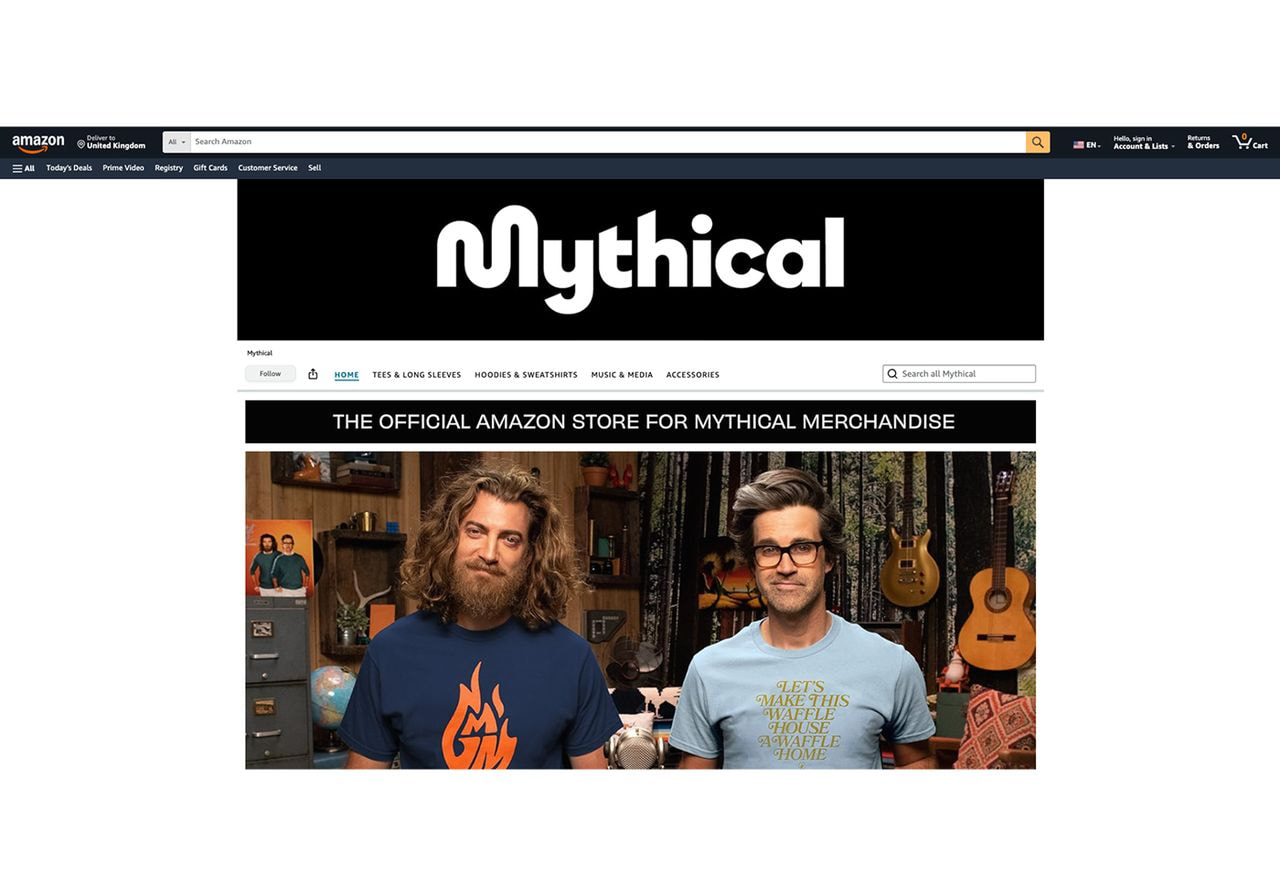
Source: Good Mythical Morning Amazon Shop
Social media platforms
Got a solid online community? Showcase your product listings directly through posts, videos, or profile shops. Selling on platforms like Instagram or TikTok works best when your audience is active and engaged on social media.
-
Pros: Strong discovery, impulse purchases, in-app shopping.
-
Cons: Limited customization and heavy reliance on algorithms.
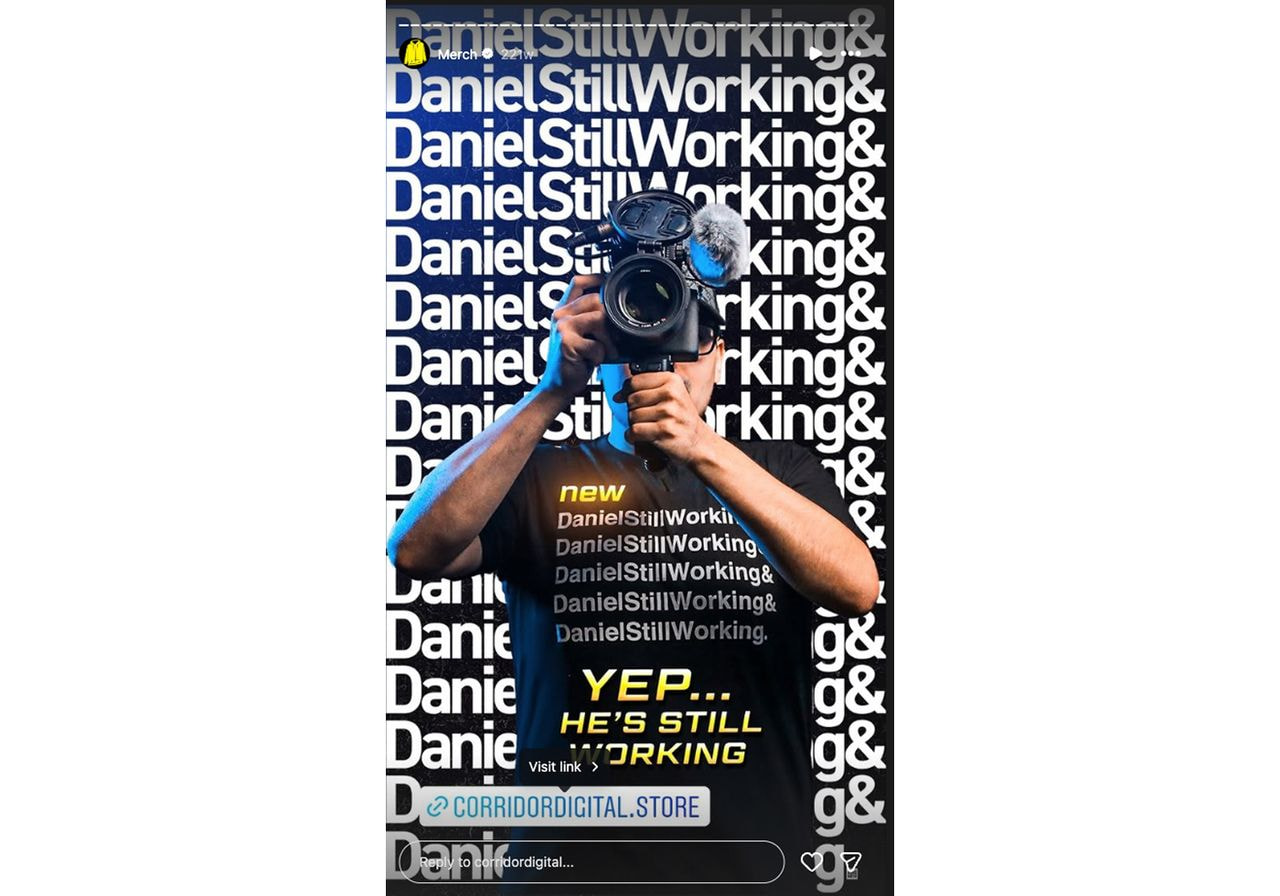
Source: Corridor Digital Instagram
eCommerce platforms
Platforms like Shopify or Squarespace let you build and fully control your own online store. You’ll manage your products, pricing, and branding in one place.
Depending on the subscription plan you choose, you can also get access to advanced performance and marketing analytics.
-
Pros: Full control over your brand, customer data, and long-term growth.
-
Cons: Requires website setup, traffic-building, and store management.
Did you know?
Printful integrates with popular eCommerce platforms and marketplaces, allowing you to connect it to your online store in just a few clicks. Want an all-in-one solution? Quick Stores lets you start selling merch without building your own website.
3. Choose how to produce and fulfill your merch
There are a few popular solutions for YouTube merch fulfillment, each with different levels of risk, cost, and involvement.
One option is to create custom products yourself. This gives you full control over materials and production, but requires upfront costs, storage space, and hands-on inventory management. If designs don’t sell as expected, you’re left with unsold stock. It can also be very time-consuming.
Another option is to order in bulk from a wholesale supplier. While this can lower the cost per item, you still have to pay upfront and gauge how many items will sell. This setup adds complexity and financial risk, especially when audience demand changes – which it often does.
Print on Demand is the most practical solution. Not to be confused with dropshipping, this model prints products only after an order is placed. With no upfront costs, no inventory to manage, and no risk of overstock, it’s ideal for new or established channels that want flexibility while scaling merch sales.
Printful is a strong choice for YouTube creators who want an all-in-one solution. It’s free to start, has beginner-friendly design and order management tools, and offers worldwide fulfillment. Creators can also order samples to check product quality before selling.
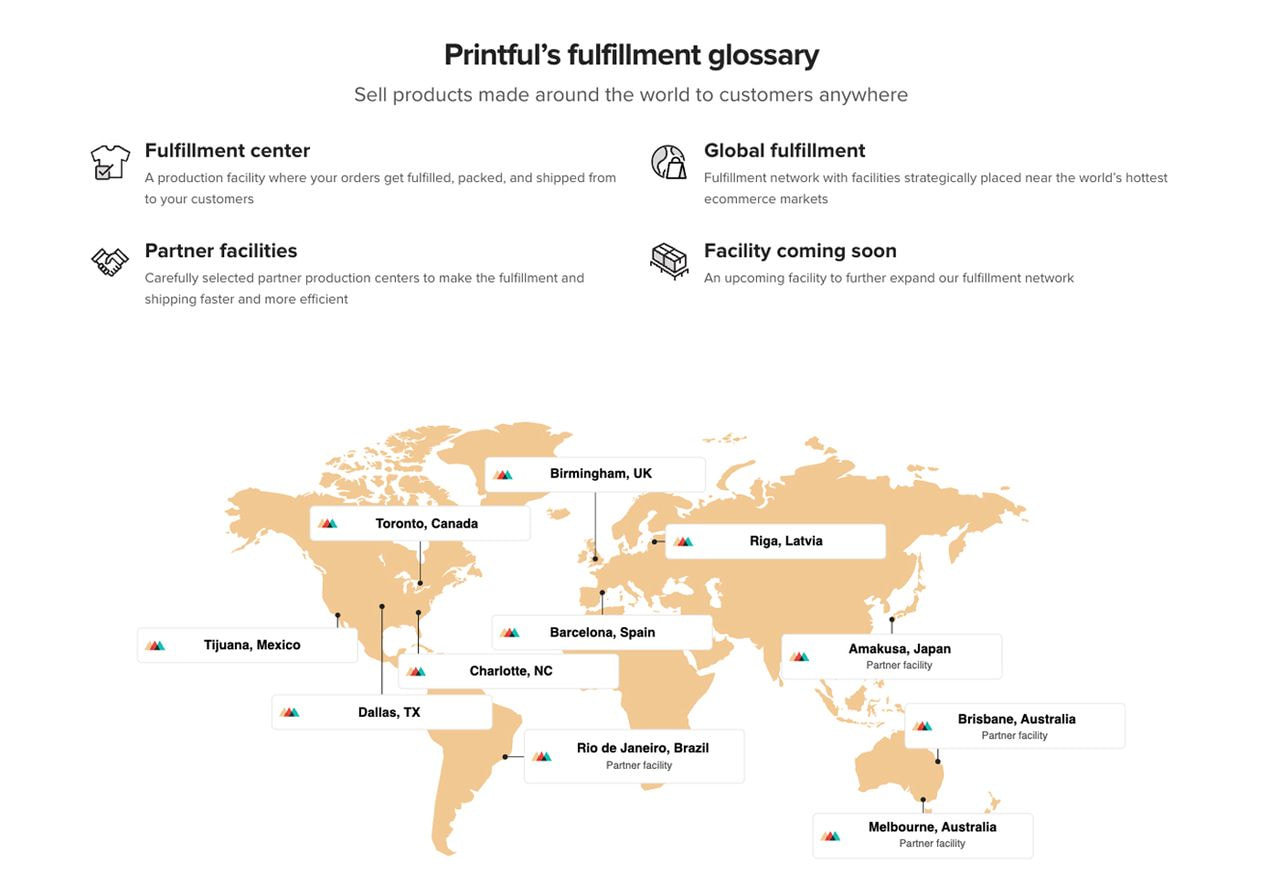
Source: Printful

4. Promote your YouTube merch
This step is what turns designs into sales. The key is to make your custom merchandise feel like a natural extension of your content, not a hard sell.
Promote merch in your videos
Your YouTube videos are the most direct way to drive merch sales. Mention new merchandise launches naturally in the video, show the product in use, or add a short callout in the end screen or pinned comment.
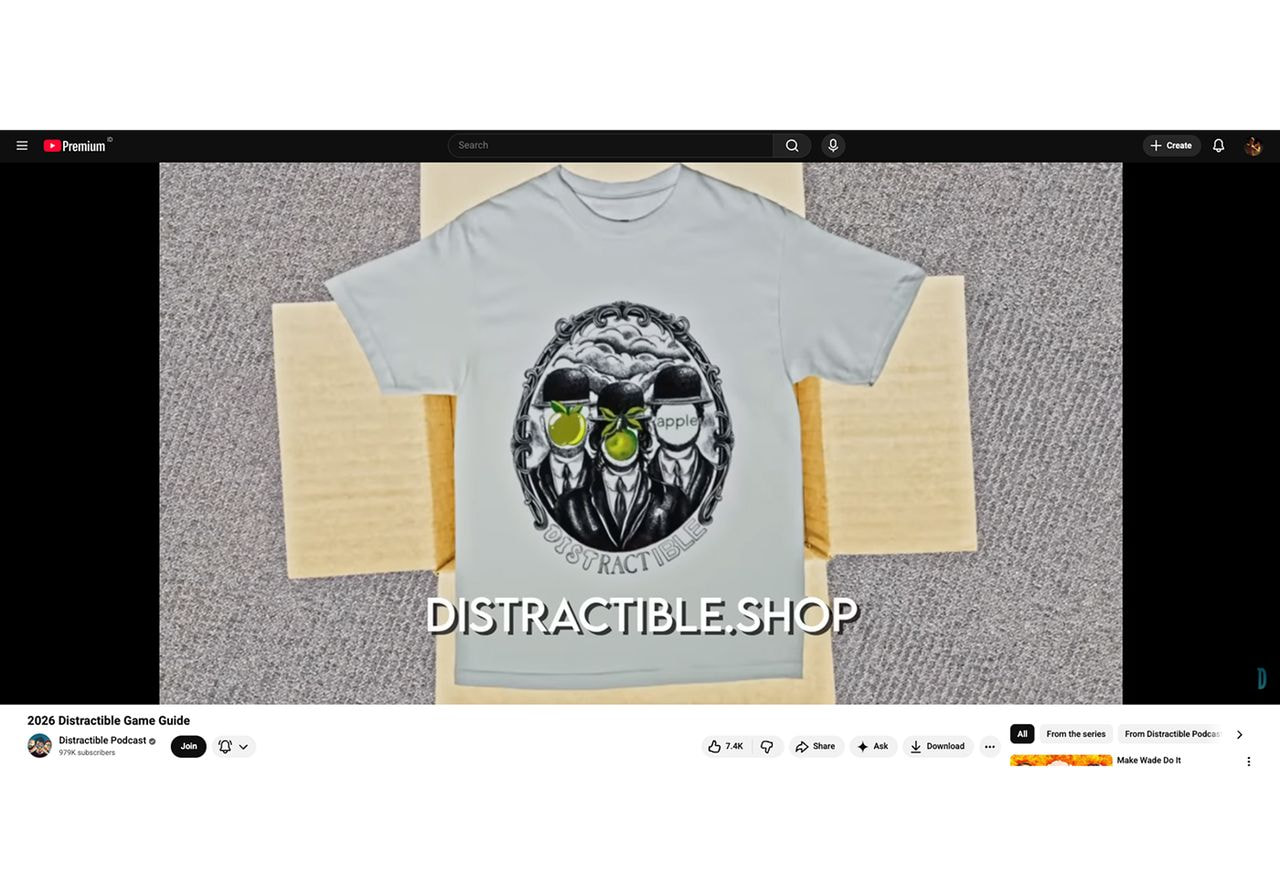
Source: Distractible YouTube Channel
Use social media to support launches
Social platforms are ideal for building excitement around new merch. Share sneak peeks, behind-the-scenes clips, or launch-day posts that link directly to your merch store. Reposting user photos or unboxings can also help build social proof and encourage more sales.
If the merch is a collaboration with other YouTuber creators, tag them in your posts. On platforms like Instagram, tagged posts can appear on all collaborators’ profiles, helping you reach each other’s audiences.
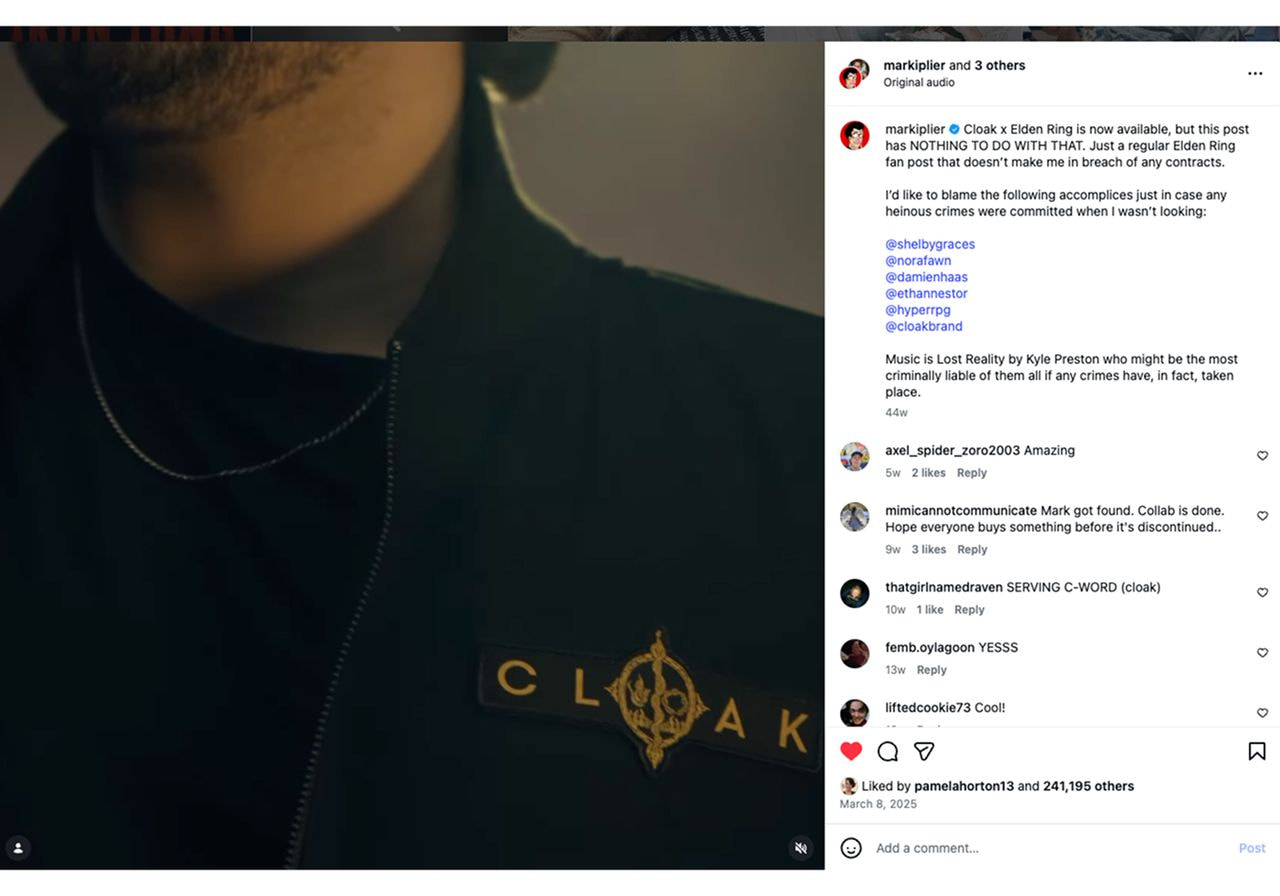
Source: Markiplier Instagram
Create launch moments and limited drops
Turning merch releases into events generates urgency and fear of missing out (FOMO). Limited-time designs, seasonal drops, or milestone merch tied to subscriber goals give fans a reason to act quickly.
Build momentum with short countdowns, design teasers, and clear calls to action like “available for 72 hours only” to drive sales.
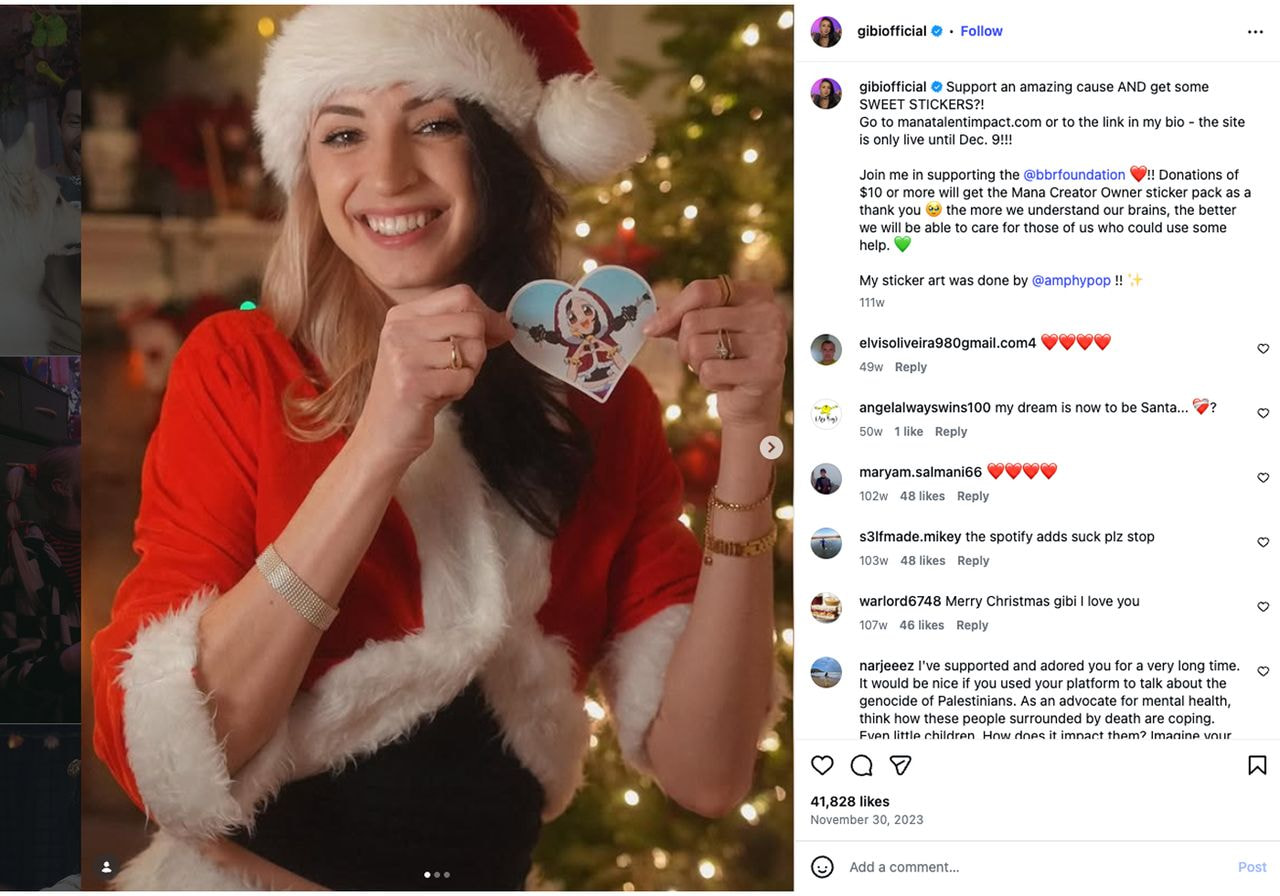
Source: Gibi Instagram
Make your store accessible from your YouTube channel
Add links to your merch store in strategic places across your YouTube account, like video and channel descriptions. The easier it is to find your merch platform, the more likely viewers are to explore it when they are ready to buy.
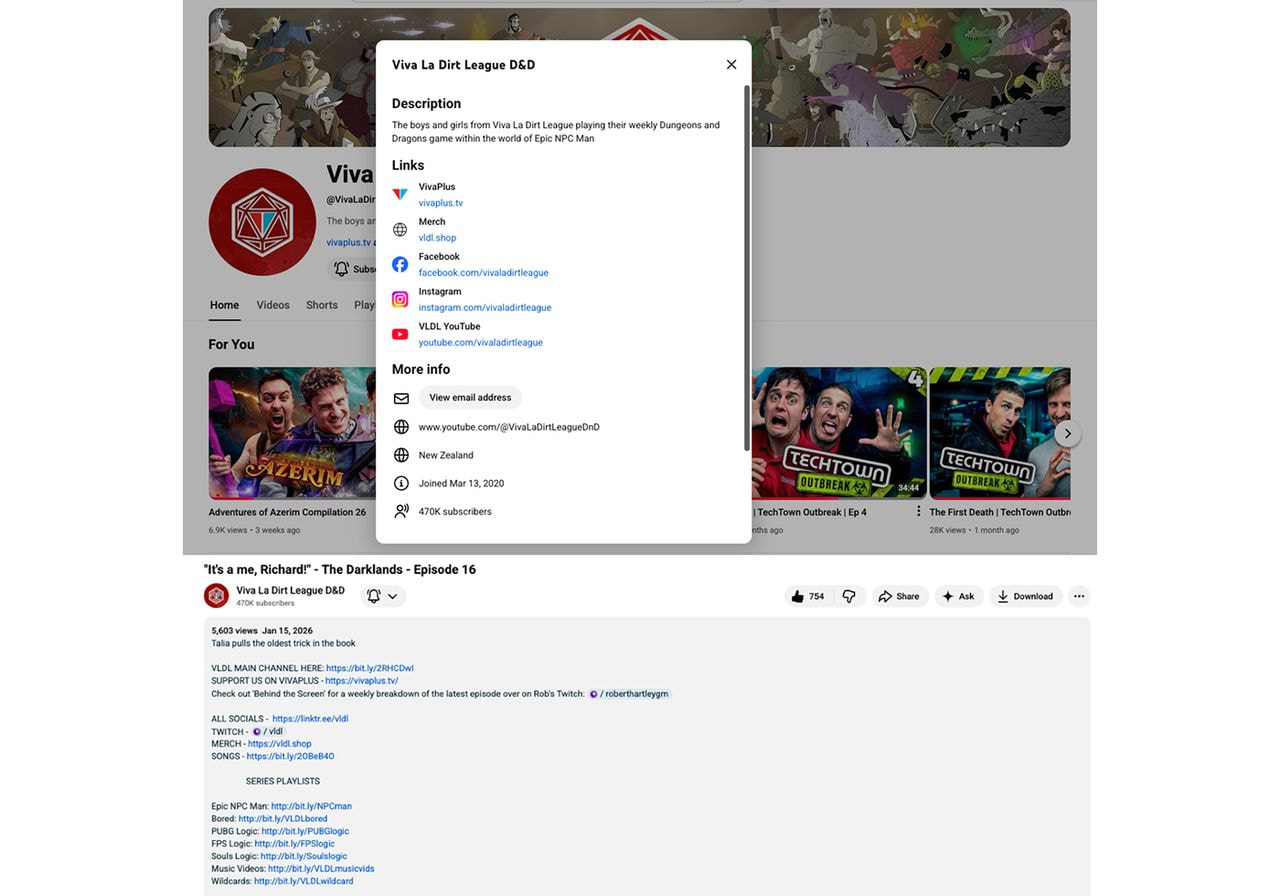
Source: Viva La Dirt League D&D YouTube Channel
Read also:
Running your merch store: What to do after launch
To turn merch into a reliable income stream, YouTube creators need to actively manage pricing, the customer experience, and performance – all while planning for future growth. While there’s no one-size-fits-all approach, the following best practices can help set you up for success.
Determine your merch pricing strategy
Pricing directly affects both sales volume and profit margin, so consider it carefully. Start by covering your base costs, including production, platform fees, and taxes, then decide on your margin based on customer expectations. This cost-plus approach gives you a clear baseline and helps keep every sale profitable.
Many creators experiment with a range of price points to optimize conversions. Subtle adjustments, like ending prices just below a round number, can make a product feel more affordable.
Pricing can also reflect perceived value, especially if your custom merch has exclusive designs, limited availability, or strong community meaning.
As your brand grows, tiered pricing becomes easier to introduce. Premium items, limited drops, or bundles can raise the average order value without making products seem overpriced. Bundles are especially effective, offering more value to fans while allowing you to sell multiple items per order.
Having a flexible pricing strategy lets you balance accessibility for new buyers with higher-margin options for your most loyal supporters.
Handle customer service and returns for your merch
Good customer service builds trust and encourages repeat purchases. Make your policies clear from the start, especially around shipping times, returns, and exchanges.
A clear return and exchange policy should explain which items can be returned, how long customers have to request a return, and how issues like damaged products are handled. Keep it straightforward and easy to find in your online store.
You can simplify this process by using a print-on-demand service. Printful, for example, provides customer support for orders placed through Quick Stores, including inquiries, shipping, and returns.
Don’t forget to monitor comments across your social media channels. Addressing questions or complaints quickly helps protect your reputation and recover sales that might otherwise be lost.
Track analytics and performance for your merch sales
Tracking performance shows what’s selling and why. Review metrics like best-selling products, conversion rates, and traffic sources for your merch shop to understand which designs resonate most.
Sales data also reveals changes in audience preferences over time. Shifts in demand reveal new interests, seasonal trends, or when designs become outdated.
Use this information to make changes. Offer popular designs on more items, adjust prices or images on slow-selling items, and push what's already doing well.
Scale and expand your merch business over time
Once you have steady sales, look for ways to expand without adding unnecessary risk. This could mean introducing new products, testing seasonal collections, collaborating with other creators, or expanding into new sales channels.
Expand your merchandise only after your audience shows interest. Use their comments, sales figures, and community feedback to decide what to create next.
High-quality, well-designed custom merch can attract new fans who don't follow your channel yet. This makes your merch a way for people to discover you, not just something for existing fans.
Legal considerations for selling YouTube merch
Even if you’re selling YouTube merch under your own brand, this business still comes with legal responsibilities, especially when you have a global audience. Basic knowledge of copyright and trademarks helps you avoid common issues and protect your brand as it grows.
Trademark and copyright basics for YouTube creators
Trademarks and copyrights protect both your work and the work of other creators. When you sell custom merch, you’re turning designs into products, which means intellectual property rules apply, even if you’re a small creator.
Copyright protects original creative work such as artwork, illustrations, graphics, and written phrases. Unless you created the design yourself or have permission to use it, you generally can’t sell it as merch. This includes images, characters, logos, and custom designs found online.
Trademarks protect brand identifiers like names, logos, slogans, and symbols linked to a business or public figure. Using trademarked elements on your merch without permission can lead to takedowns or legal issues.
Here’s how to make your own merch for YouTube while avoiding infringement:
- Create original designs you fully own.
- Avoid using copyrighted images, characters, or logos you don’t have permission to use.
- Check trademark availability for phrases, names, or symbols before using them.
- Keep records of your design files and creation dates.
- When in doubt, don’t use a design until permission is confirmed.
Do creators need to trademark their merch designs?
The good news is that YouTube creators don’t need to trademark every merch design to protect it. Copyright automatically protects original artwork upon creation, which already gives you legal rights if someone copies or sells your design without permission.
Trademarking is mainly useful for protecting brand identifiers like your brand name, logo, or main slogan, not individual illustrations or one-off designs. For most creators, copyright protection is enough to request takedowns, prove ownership, or take action against copied designs.
Once your merch business becomes established and profitable, consider trademarking core brand elements for extra protection.
Licensing and fair use basics for YouTube merch
Here’s a simple rule for new creators: if the content is not yours and you do not have permission to use it, don’t put it on your merch.
You need permission to use third-party content, including artwork, photos, characters, logos, screenshots, memes, or designs owned by someone else. This process is called licensing.
Licensing means getting explicit permission from the owner to use their content, usually in writing. This permission can come from a creator, artist, brand, or rights holder and often includes limits on how the content can be used, where it can be sold, and for how long. If you plan to collaborate or feature someone else’s work, licensing protects both sides.
While fair use may apply to commentary or parody in videos, it rarely applies to merchandise. Selling products is considered commercial use, which makes fair use claims very risky.
Disclaimer: This section is for informational purposes only and doesn’t constitute legal advice. Printful doesn’t provide legal guidance. For specific questions about copyright, trademarks, or licensing, consult a qualified legal professional.
Where your YouTube brand goes next
To create a profitable business built on creator merch, you need to test ideas, listen to your audience, and improve designs as your YouTube channel grows. With the right approach, merch extends your brand beyond a simple revenue stream.
Print on Demand offers a low-risk way to get started. With Printful, you can sell customizable products without upfront inventory or fulfillment headaches. That flexibility makes it easier to focus on your content, community, and building merch that grows alongside your channel over time.
Frequently asked questions
When selling merchandise, YouTubers should focus on a few key legal basics. Only use designs you own or have permission to use, and avoid copyrighted or trademarked content that belongs to other YouTube creators.
Make sure your product listings are clear and accurate, especially around pricing and shipping. Selling to a global audience can also involve different consumer protection rules, including product labeling and return or refund policies.
Common challenges when making YouTube merch include learning how to create designs your audience actually wants to wear, setting the right prices, and choosing products that will sell. New creators may also struggle with promotion, logistics, customer service, and managing expectations around product quality and delivery times.
Partnering with a print-on-demand partner like Printful helps remove many of these barriers. Products are made to order, so there’s no inventory risk, and fulfillment and shipping are handled automatically.
The revenue you can make from YouTube merch depends on your audience size, the type of products you sell, and how well your designs resonate with your followers. Smaller channels can sometimes get more sales than larger ones if they have a highly engaged audience.
That said, merch can be a more predictable income stream than relying on paid ads alone. For example, selling a custom t-shirt with a $10 base cost for $15 results in a $5 profit per sale. Selling just 10 t-shirts per month would bring in $50 in profit.
This income can grow over time as your audience expands, your designs improve, and you promote your merch more consistently.
Yes, Print on Demand is a strong option for YouTube merch, especially for creators who want to start with low risk. It allows you to sell custom products without upfront inventory, storage, or fulfillment responsibilities.
Items are produced only after an order is placed. This makes it easier to test designs, scale at your own pace, and focus on growing your YouTube channel.
How long it takes to create and sell YouTube merch depends on how you set it up. With a print-on-demand model, the process is straightforward since there’s no inventory to manage or bulk orders to place.
Using a POD service like Printful, creators can design products, connect a sales channel, and start selling quickly. Quick Stores lets you launch a merch store without building a website, making the process even faster.
To sell merch on YouTube, start by planning your design. Then, register for Printful and choose from a diverse range of products in our Catalog. With a YouTube merch maker like our Design Maker, you can upload artwork, add text, and create mockups of your own product in one place.
Once ready, publish your product by connecting a sales channel, then start promoting it to your YouTube followers.

Jordana is a content writer with over 6 years of experience in content writing and technical writing. Her not-so-secret passion is breaking down complex ideas into clear, straightforward content, whether it's explaining tech concepts or crafting stories that connect. When she's not writing, you'll find her enjoying good sushi or falling down movie trivia rabbit holes.

