



Table of contents
Few things motivate a new seller more than proof that print-on-demand stores can succeed. These 15 print-on-demand store examples cover a diverse range of niches, from ocean conservation art to Latino streetwear, and show what separates successful POD stores from the rest.
Whether you’re launching your first print-on-demand business or scaling an existing shop, each print-on-demand store example below built around one clear market instead of trying to sell everything to everyone. Their founders share the marketing strategies that worked, so you can apply the same thinking to your own POD store, whatever business model you land on.
Valuable read: How to Start a Print-on-Demand Business in 9 Steps

15 Print-on-demand success stories for your online business ideas
These successful print-on-demand stores span art, apparel, activism, and memes. What follows isn’t a ranking – those print-on-demand examples solve each a different problem.
1. Janina Rossiter
Source: Janina Rossiter
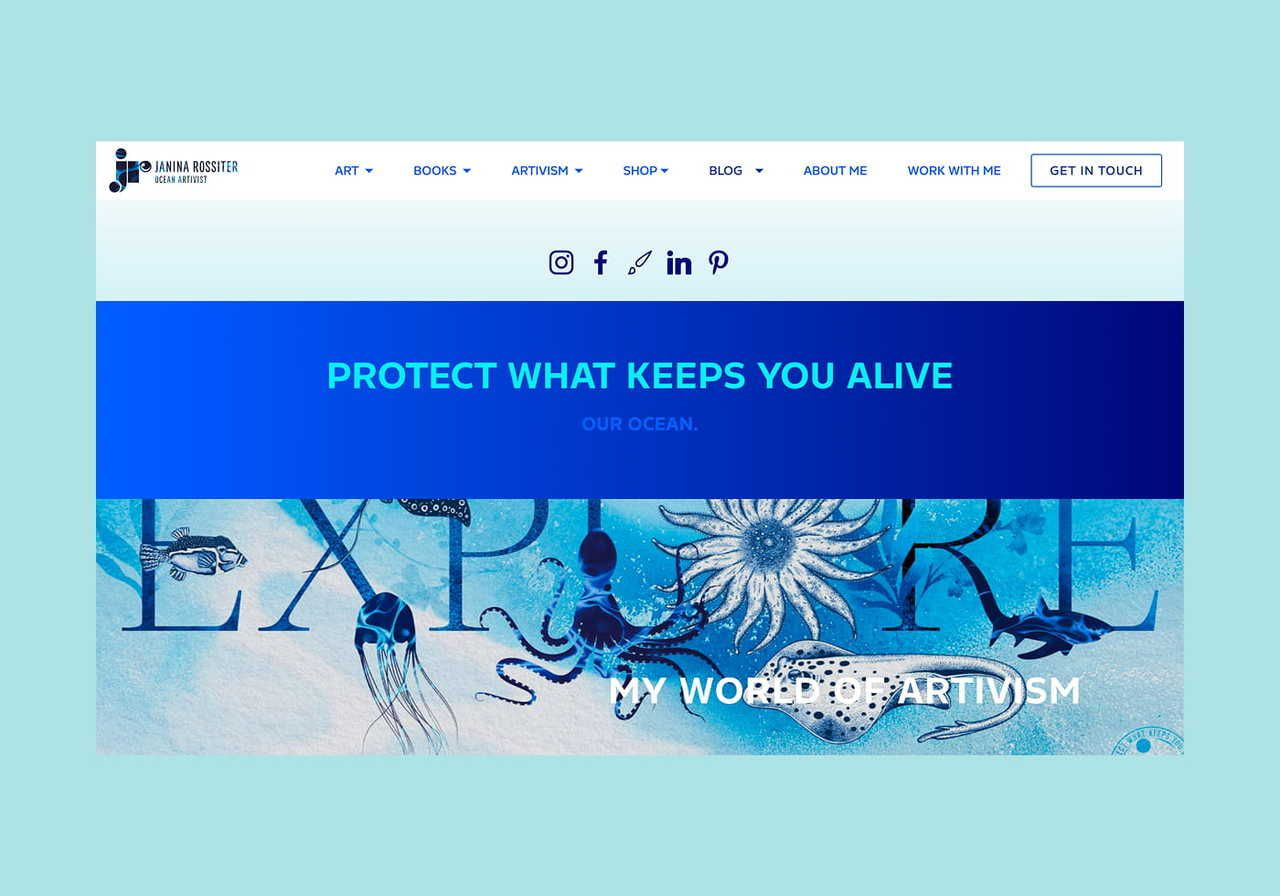
Janina Rossiter, also known as Nina Rossiter, built her own brand around one cause: getting people to care about the ocean. The French-German artist works across illustration, art prints, and children’s books, and calls herself an artivist rather than a traditional illustrator.
“I was just a mum who worried about our planet’s future,” she says of where she started.
Her advocacy has reached beyond a typical online store. She’s presented her art at UN-linked climate events, including COP26 in Glasgow, and belongs to the Explorers Club, a society of scientists and field researchers. Her book Diamonds, Hearts & Sea Stars! is one of several titles to win a Book Excellence Award in the environmental category.
Janina’s print-on-demand products range from swimwear and hats to stunning abstract art prints.
Janina Rossiter takeaways
-
Build a brand around a cause you’re genuinely committed to, not just a product category
-
Extend your message across formats to reach a wider target audience
-
Recognition from outside events and awards builds customer loyalty over time
- Sign up for free
- 579 custom products
- Sell without inventory
2. Jolie Noire
Source: Jolie Noire
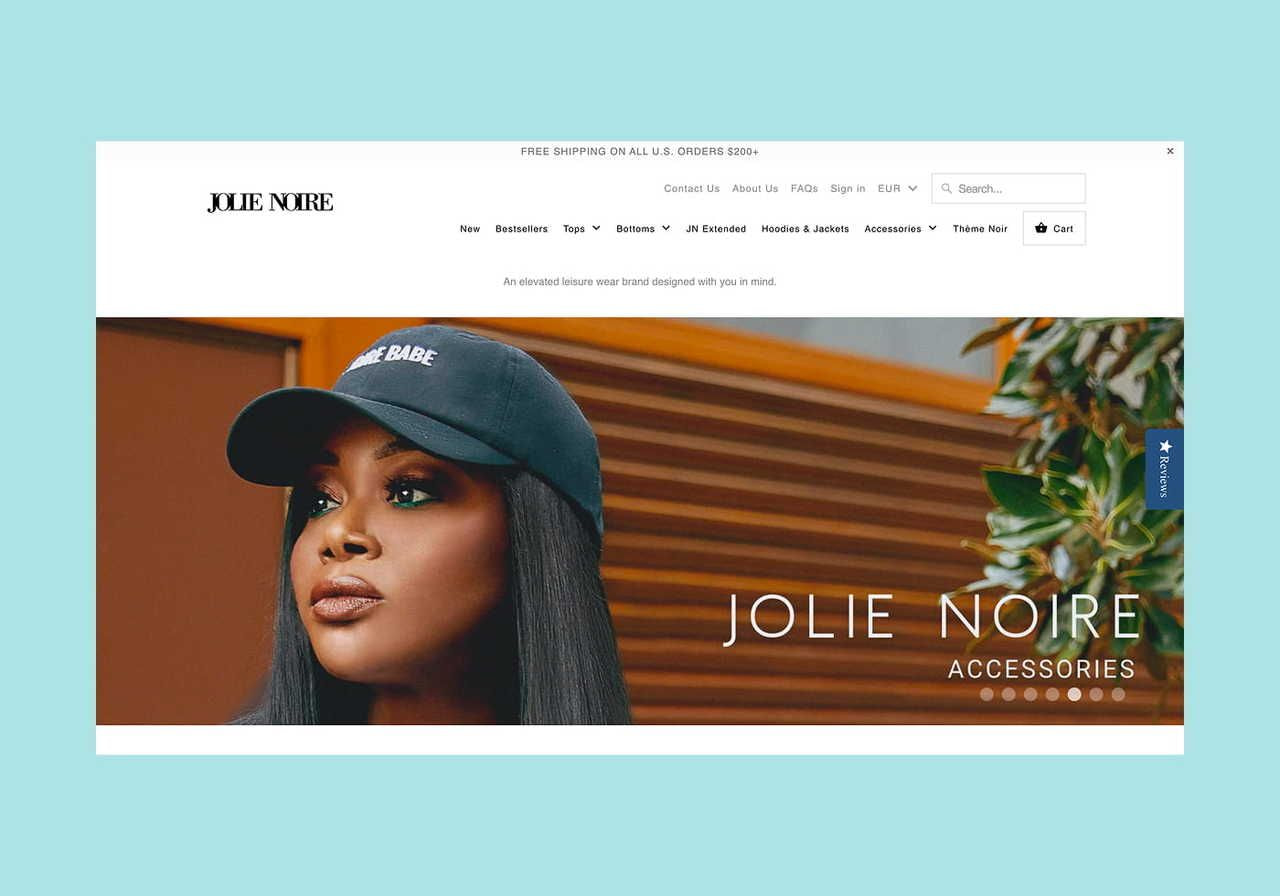
Sisters Kimberly and Keyondra Lockett launched Jolie Noire, an athleisure brand celebrating Black beauty, in 2019. Early sales were slow, so the sisters paused to research their target audience: their customer preferences, lifestyles, and needs.
That research paid off. Jolie Noire now offers sizes up to 6XL, a direct response to what their target audience asked for. Micro-influencer partnerships, not big-name endorsements, have driven the most sales. “We can send them a free shirt, and they might send 100 people to shop with us,” Kimberly says.
Jolie Noire takeaways
-
Research your potential customers’ preferences before you scale your product range
-
Micro-influencers often outperform big-name partnerships for a focused niche
-
Build a brand identity that reflects who you’re actually selling to
Tip: Read more about Jolie Noire and their successful print-on-demand store in Black is Beautiful: 4 Marketing Tips from Jolie Noire.
3. FIERCEPULSE
Source: FIERCEPULSE
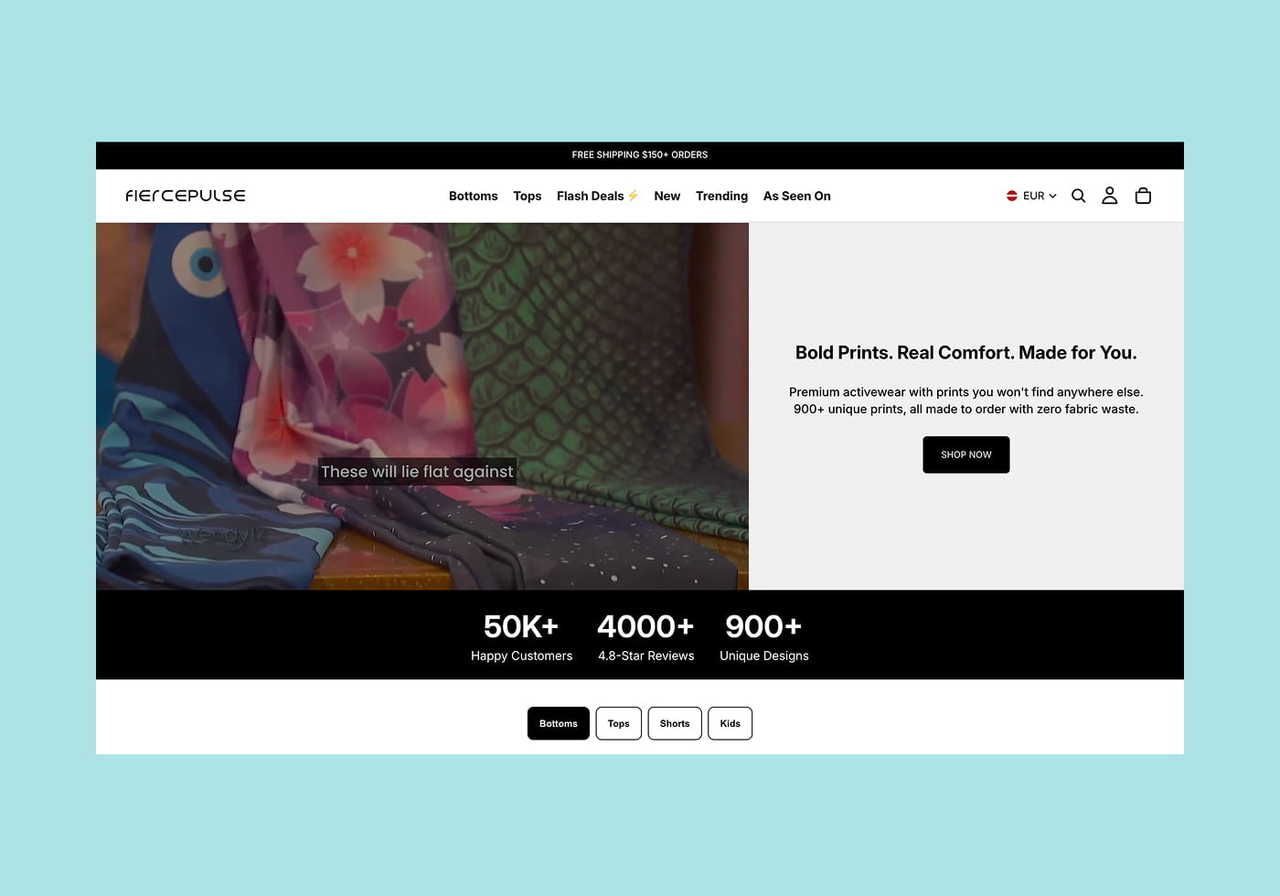
FIERCEPULSE built a fitness apparel brand around bold leggings and a focused product range instead of spreading across every apparel category. Co-founder Nenad says the mission is simple: inspire self-expression and support customers through their fitness journeys.
Before Printful, the founders ran their own online store with overseas dropshipping partners and struggled with inconsistency and shipping speed. Switching to Print on Demand fixed both issues and let the team prioritize print quality and product quality over quantity. Customer feedback, gathered through post-purchase surveys, now drives every new product decision.
FIERCEPULSE takeaways
-
Partner with a print-on-demand service that delivers consistent product quality and shipping speed
-
Keep a focused product range instead of spreading thin
-
Use customer feedback to decide what to launch next
-
Build a loyal customer base by cross-selling complementary products
Read more: Check out our full interview about building your own POD business with FIERCEPULSE in our blog.
4. Weer (Gay Pride Apparel)
.jpg)
Source: Gay Pride Apparel
Gay Pride Apparel, founded in 2019 by Jesus and Sergio, built a clothing line celebrating LGBTQ+ identity and donates 10% of profits to community charities. Print on Demand lets the founders skip the upfront costs and inventory forecasting of a traditional online store, so they could focus on brand growth instead.
The brand builds new designs around current trends and events in the LGBTQ+ space, and its Instagram following has passed 81K. As of 2026, Gay Pride Apparel is transitioning to a new name, WEER, after seven years in business.
Tip: Check our blog for more about how to make money on Instagram.
Gay Pride Apparel takeaways
-
Print on Demand removes the upfront costs of a traditional bulk order
-
Build new designs around current trends to stay relevant to your target audience
-
A strong community can carry a brand through a rebrand
Tip: Read more of Weer’s story on our blog: Gay Pride Apparel: A Journey of Pride and Success
Join the growing community of Printful Insiders.
5. Project SIRIN
Project SIRIN, a network founded by Ukrainian, American, and British war veterans in 2022, sells apparel and patches year-round and runs periodic auctions of collectible combat knives, rare patches, and even trophies recovered from enemy forces, all to fund equipment for Ukrainian special operations units. As of 2026, the organization has delivered more than $6.6M in mission-essential gear.
None of the team had a design background. “We knew what we liked on t-shirts, and we knew what we didn’t like,” says representative Patrick. They brought in a graphic designer to turn their Sirin symbol into a full visual identity, now anchoring a retro surfwear-style product line sold worldwide.
Project SIRIN takeaways
-
Merch can fund a mission far bigger than the store itself
-
You don’t need design experience to build a strong brand identity, a good designer can translate your vision
-
A clear symbol or story helps custom designs travel across borders
Listen to the full story in our Ideas. Fulfilled podcast episode.
6. Dogecore
Source: Dogecore
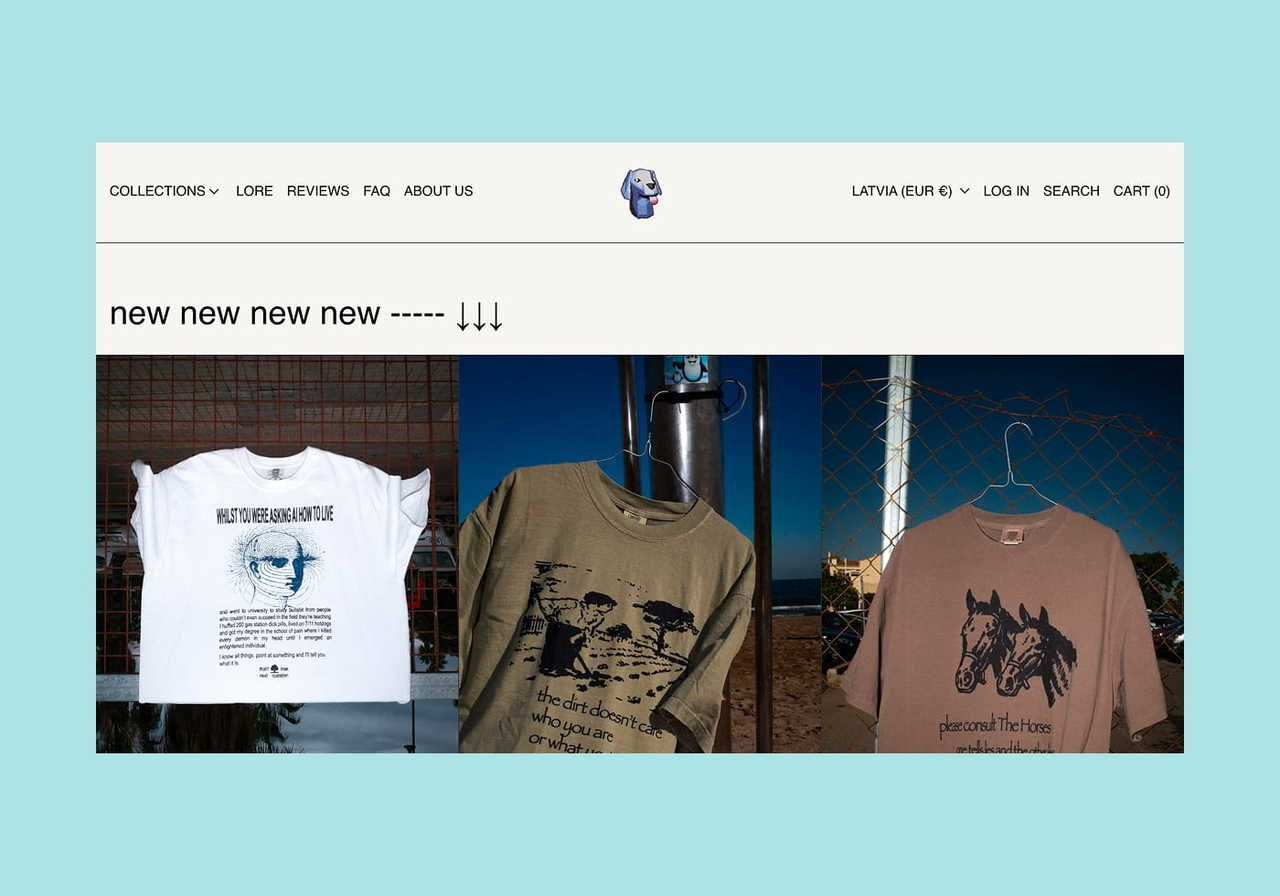
Dogecore grew out of a decade-old meme page before co-founders Dominic and Aleksander turned it into an eCommerce business that now averages over 3K orders a month. Their first sale, a t-shirt designed in Microsoft Paint, proved their existing 160K-strong Facebook audience would pay for meme-inspired merch.
Print on Demand lets them launch with almost no capital. “Printful helped us begin this journey with nearly zero capital,” Dominic says. Their playful, unfiltered brand voice, on social media and in customer service alike, has helped drive a 42% email open rate and keeps customer satisfaction and loyalty high even through the occasional bad review.
Pro tips: Don’t miss the tips for New Business Owners from Dogecore.
Dogecore’s takeaways
-
Use Print on Demand to launch a brand with minimal upfront costs
-
Turn an existing social media following into your first customer base
-
Let your brand’s personality shape customer service as much as marketing
Further reading: Check our full interview with Dogecore: Success through Humor and Authenticity.
7. Sunshine
Source: Sunshine
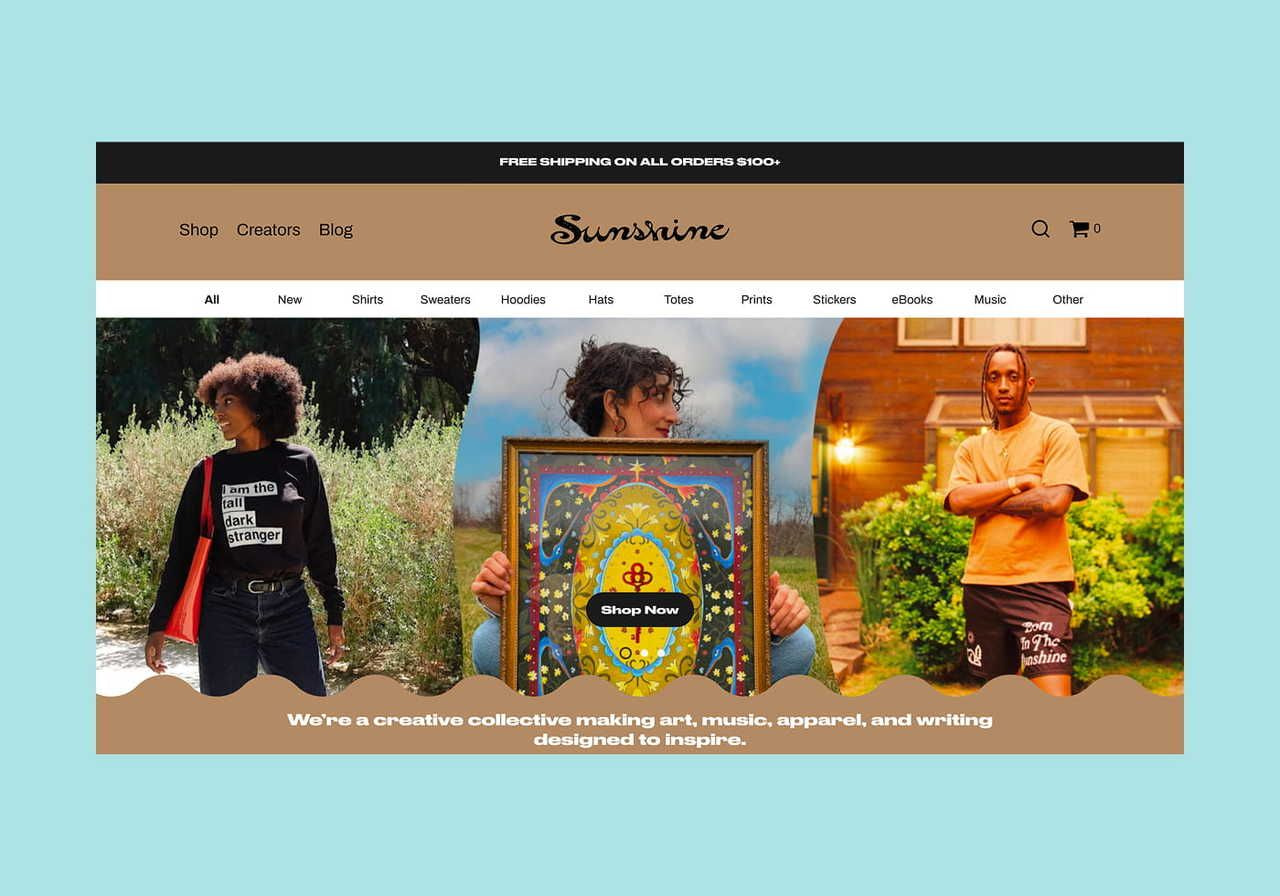
Frank and Terrie built Sunshine, a self-improvement and spirituality brand, in a single weekend using Printful and WooCommerce. Rather than spend on ads, they invited other artists, mostly underrepresented creators, to sell collections through the store, instantly tapping into each artist’s own social media following.
That approach built a combined audience of over 1.4M across Substack, Instagram, and TikTok at $0 ad spend. Print on Demand also lets the team test merch ideas before committing to full screen printing, keeping the business light on inventory and heavy on experimentation.
Sunshine takeaways
-
Partner with artists in your niche to reach a dedicated audience without ad spend
-
Use Print on Demand to test custom designs before investing in screen printing
-
Prioritize experimentation over a perfect first launch
8. DUMBCLUB
Source: DUMBCLUB
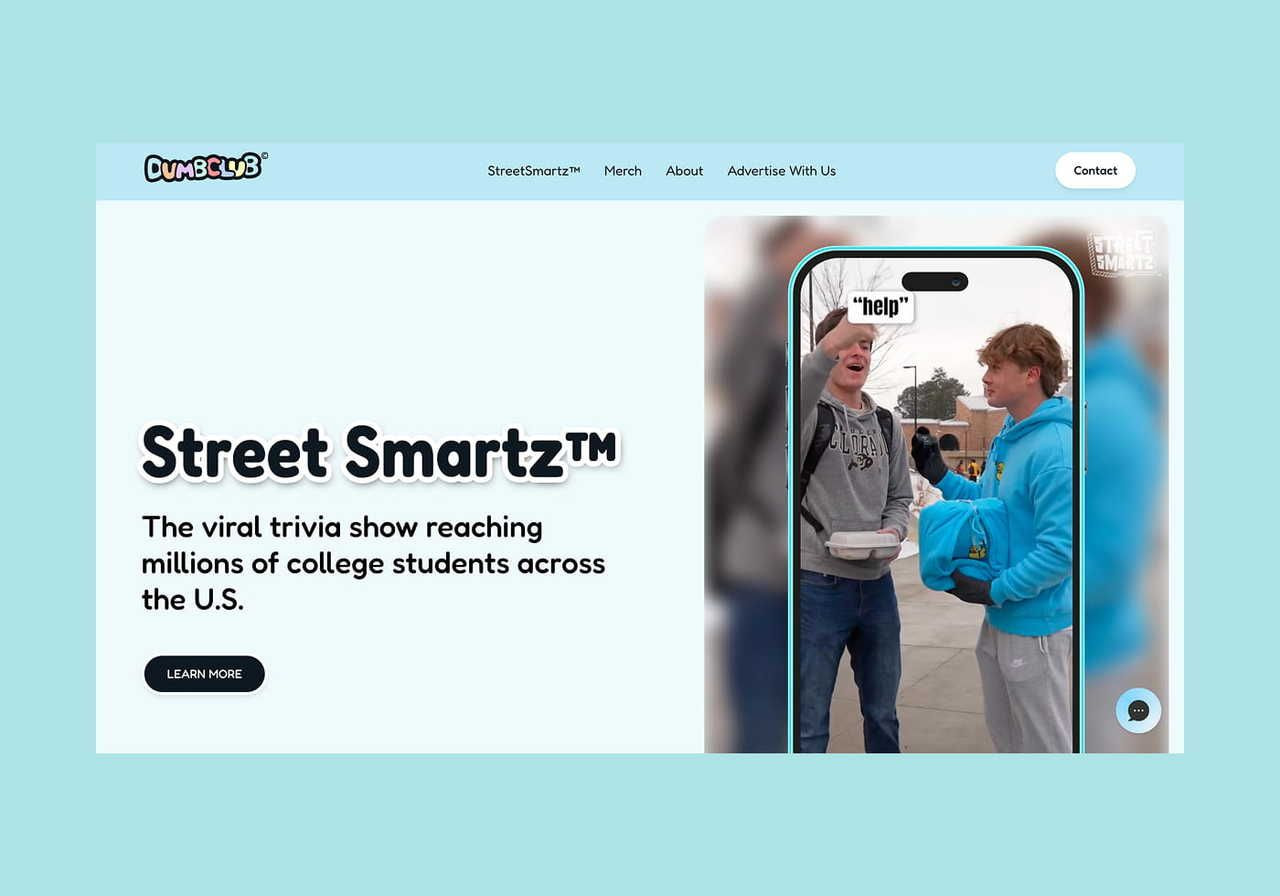
DUMBCLUB started as an embroidered hoodie brand and has since grown into a media company reaching millions of college students a month, with a TikTok following that’s passed 850K. The brand credits natural growth on TikTok, built through short, consistent, recognizable content through its channel Street Smartz, as its most successful marketing tactic.
Interactive videos, like challenges to win a free hoodie, keep engagement high and attract potential buyers who might otherwise scroll past. The brand’s advice for new sellers is simple: identify your target audience, post consistently, and don’t get discouraged by slow early results.
DUMBCLUB’s takeaways
-
Consistent, recognizable short-form content builds brand recognition faster than paid ads
-
Interactive content attracts customers who wouldn’t otherwise engage
-
Stick to a posting schedule even when early results are slow
- Sign up for free
- 579 custom products
- Sell without inventory
9. Midcentury Style Shop
Karl Rowley, an award-winning graphic designer, built Midcentury Style Shop around a mid-century modern aesthetic applied to home decor, mugs, and accessories. On a mentor’s advice, he started a YouTube channel of DIY home projects to drive traffic, one that hit over 10,000 views on its first viral video.
Karl shoots and edits every product photo himself, which keeps his high quality images consistent with the brand’s retro style. Since April 2025, the store ships within the USA only.
Midcentury Style Shop takeaways
-
Content marketing, like a niche YouTube channel, can drive traffic without ad spend
-
High quality images and a consistent visual style build a recognizable online store
-
Learn SEO yourself or bring in an expert early
10. Gifted Images LLC
Gregory DeCuir Jr. runs Gifted Images LLC, a New Orleans graphic design studio, printing custom apparel for schools, fraternities, sororities, and alumni groups alongside its flyer, logo, and branding work. What started as a side project has processed over 3,000 apparel orders and generated $240,000 in revenue without Gregory ever holding inventory.
Rather than compete in the broad t-shirt market, Gregory built his apparel line on niche markets his design business already served: college life and local community groups with built-in demand for matching gear.
Print on Demand handles the production side, letting him accept orders of any size, from a handful of shirts to a few hundred, without production minimums slowing down the rest of his design work.
Gifted Images LLC takeaways
-
Find niche markets you already understand instead of competing in a broad category
-
Use Print on Demand to accept orders of any size without inventory risk
-
Word of mouth within a tight-knit community can replace a paid marketing budget
11. House of Chingasos
Source: House of Chingasos
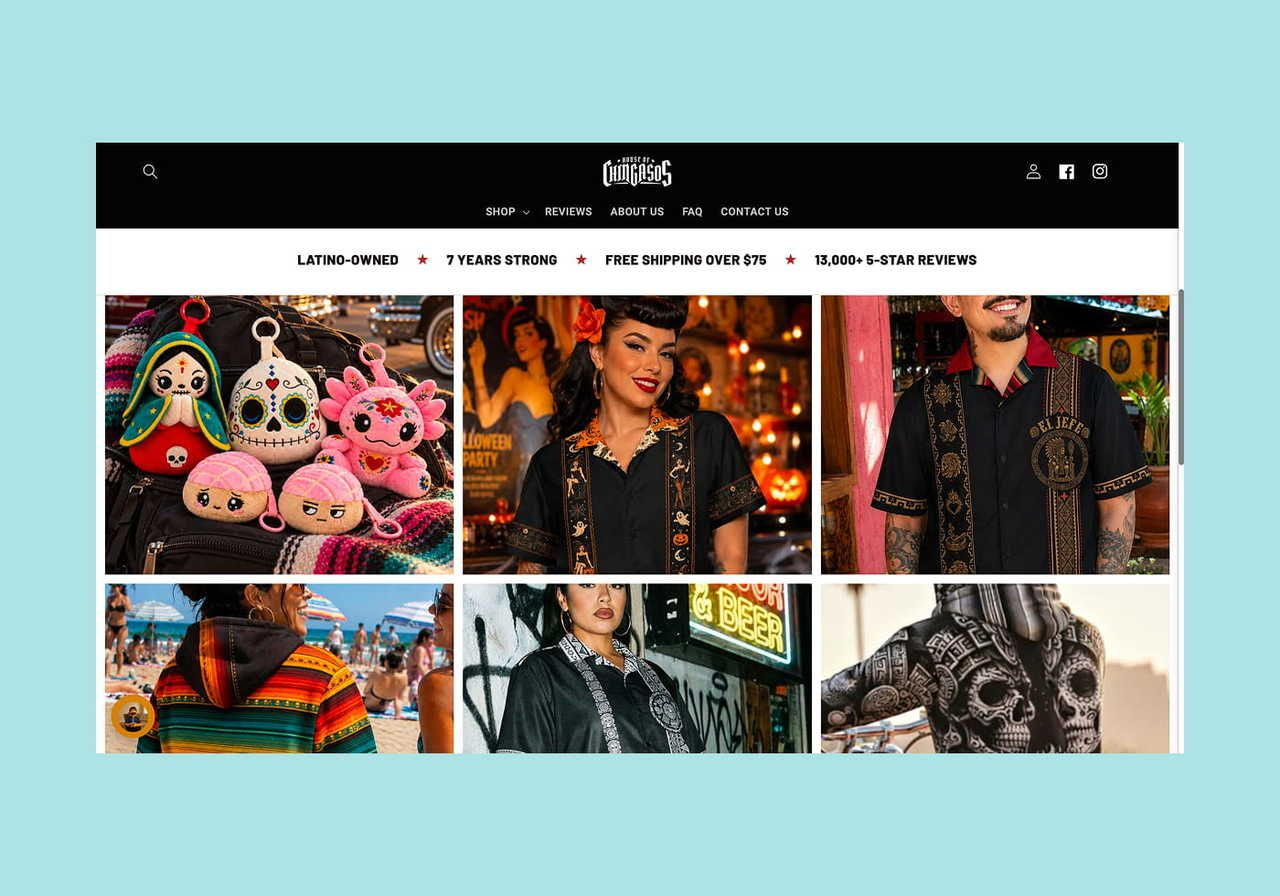
Carlos left a full-time job to build House of Chingasos, a Las Vegas apparel brand rooted in Latino culture, into a seven-figure business. His first attempt, a cat-themed t-shirt line, failed because he had no real connection to the niche. Switching to a niche built on his own heritage changed the outcome.
He designed his own products to skip the outsourcing step and started with a $29 Shopify store and about $5,000 for Facebook ads. The brand has since reached $3M in POD sales, and Carlos credits mentorship, including advice from his father, for helping him scale past the early plateau.
House of Chingasos takeaways
-
Build a brand around a niche you actually understand
-
Handle design work yourself if you can, to launch and test custom designs faster
-
Start small and reinvest profits into marketing as sales grow
Further reading: Check the whole successful story of House of Chingasos in our interview.
12. Alice Potter
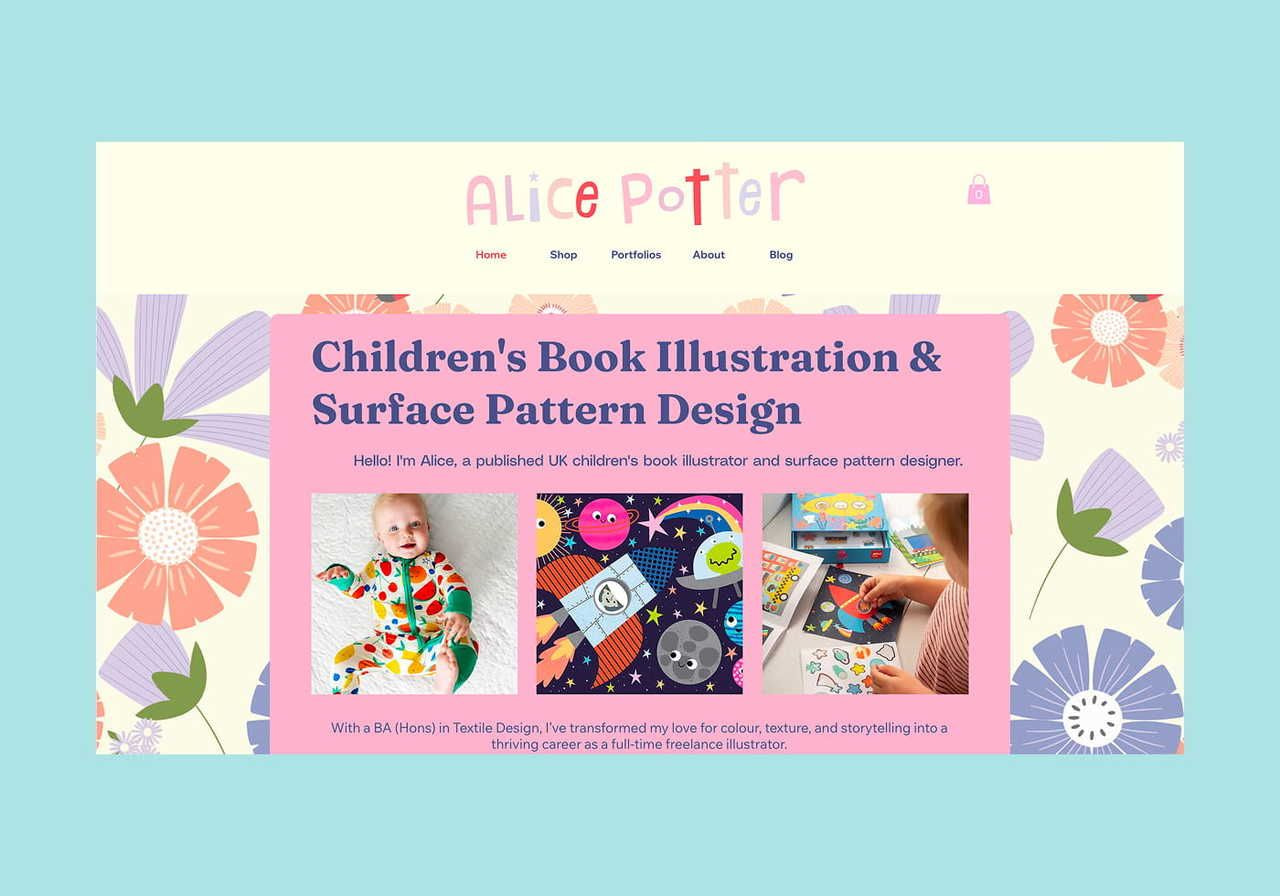
Source: Alice Potter
Alice Potter, a UK-based POD store, sells pastel illustrations across children’s books, art prints, posters, greeting cards, and home furnishings like pillows and blankets. Designing matching themes across her product range lets customers decorate a whole room around one piece of art.
Alice built her audience by asking followers what they wanted to see before she ever opened her shop, a habit of using customer feedback that still shapes her designs today. Repeat exposure across social media works like social proof: the more potential buyers see her work and customer photos, the more comfortable they feel buying.
Alice Potter takeaways
-
Ask your target audience for input on custom designs before you launch
-
Use social proof and customer photos to build trust over time
-
Don’t be afraid to ask for the sale
Further reading: Read the full Interview with Alice Potter in our blog.
13. Starrypaige
Starrypaige turns illustrations of reptiles into stickers, prints, t-shirts, and accessories, aiming to make snakes and other misunderstood animals more approachable. Creator Paige treats every product like a piece of environmental education as much as a design.
Her top marketing tactic is simple: use her own products constantly on social media.
She wears her own t-shirts, decorates orders with her stickers, and hangs her art prints in the background of her videos, a form of user-generated content that builds trust faster than a paid ad.
Starrypaige takeaways
-
Focus on a focused niche you’re genuinely passionate about
-
Use and show off your own products as a form of user-generated content
-
Personalize packaging to extend your brand’s message beyond the product
14. Own Your Stigma
Own Your Stigma sells apparel carrying messages like “Your story matters” to open up conversations about mental health, and owners Allison and Brian donate a portion of monthly proceeds to mental health charities.
Their advice for new sellers comes down to three things: build a brand around something you’re genuinely passionate about, stay consistent with new custom products and personalized gifts, and reply to every customer message within 24 hours. Every reply shapes the overall customer experience, so treat each one as a chance to build customer loyalty.
Own Your Stigma takeaways
-
Build a brand around a cause that genuinely matters to you
-
Stay consistent: keep testing custom products and personalized gifts
-
Fast, genuine communication through Instagram builds customer loyalty and a stronger customer experience
15. UMAI Clothing
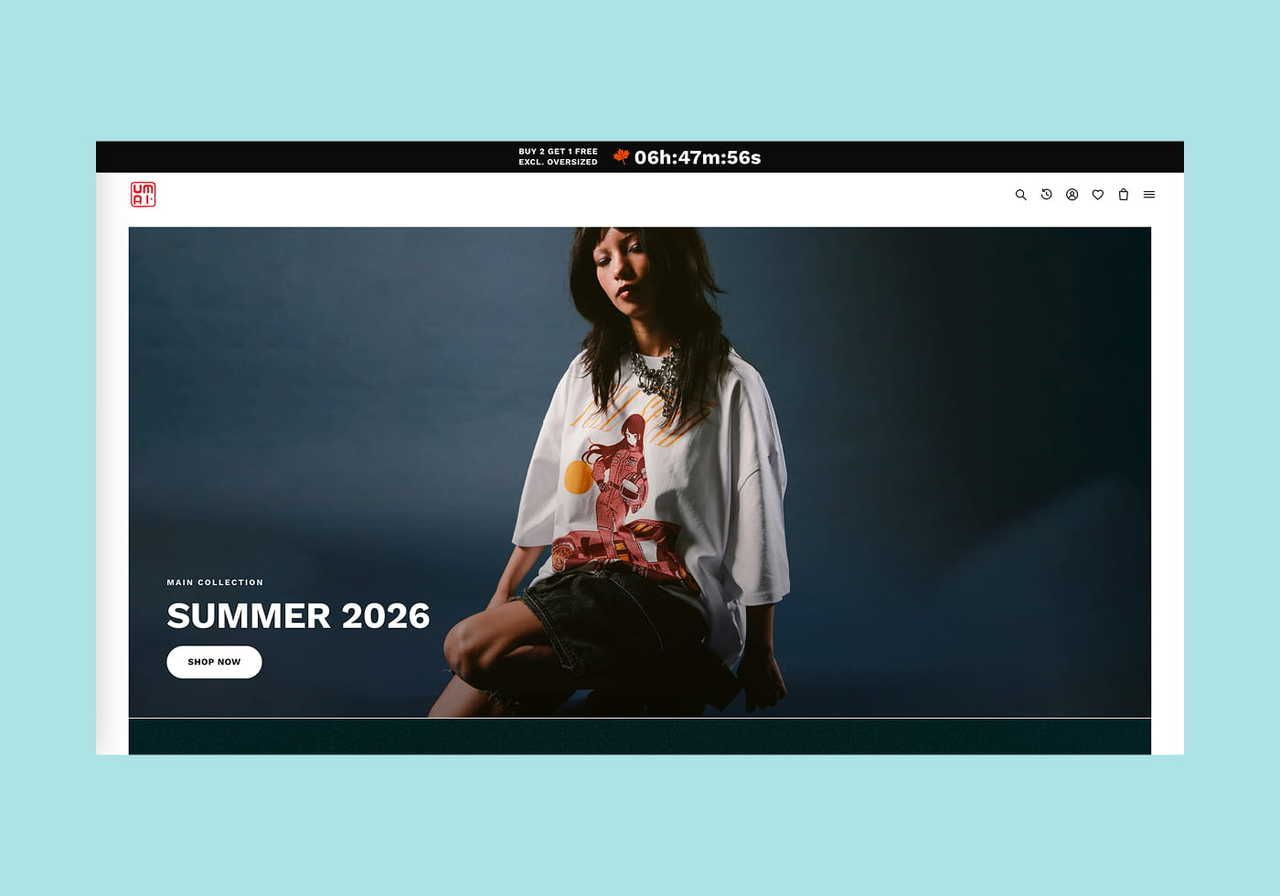
Source: UMAI Clothing
UMAI Clothing merges anime-inspired art with streetwear. Founder Ryan partnered with artist Ivan, and using Print on Demand to test designs without upfront costs, the brand grew from around $20K to around $100K in monthly sales within a few months.
Ryan later shifted focus from short-term revenue to metrics that matter more long term: lifetime value, average order value, and customer repurchase rate. That shift, he says, matters more than chasing day-to-day profit.
UMAI Clothing’s takeaways
-
Use Print on Demand to test custom designs without risking upfront costs
-
Track average order value and repeat purchase rate alongside daily revenue
-
Plan for long-term brand growth over short-term profit
Further reading: Anime Meets Streetwear: UMAI Clothing’s Art, Strategy, and Vision
Feeling inspired? Start your own POD store and make money online
These stories all point to the same lesson about how to be successful with Print on Demand: pick a focused niche you care about and stick with it. Every store owner above took a different path, but each built a diverse range of custom designs around a target audience they understood.
Many successful POD brands started with just a few clicks on a print-on-demand platform, no big budget required. Every one of these stores proves a POD business can grow on a focused niche and a small budget alike.
Whether you sell apparel, art prints, or personalized gifts made with eco friendly materials, the fundamentals stay the same: know your target audience and deliver on product quality.
Read next:
FAQ
T-shirts remain the top-selling print-on-demand product worldwide, followed closely by hoodies, mugs, and phone cases. Their low production cost and broad appeal make them the easiest entry point for a new pod store.
Yes. On average, successful print-on-demand stores earn between 20% and 40% net profit, while premium or personalized products in a focused niche can reach 50% or more.
Margins vary across the industry: a print-on-demand business selling custom apparel usually earns more than one selling stickers or phone cases.
Many entrepreneurs, like those on Etsy, report thousands of dollars in monthly profits by focusing on high-margin products, data-driven pricing, and strong design quality.
About 24% of POD businesses remain active after three years. Successful stores stick with a focused niche, publish new designs consistently, and use effective marketing strategies.
The most successful POD stores also reinvest early profits into better product photography and ads.
Printful and Printify are two of the top print-on-demand companies, and both now operate under Fyul following the 2024 merger.
Each platform offers a wide product catalog, reliable in-house printing, global production partners, plus free design tools and high quality mockups so sellers can preview a product before it ever ships. Many sellers use both platforms side by side to take advantage of their different strengths.

Published author, scholar, and musician, Andris draws on over 11 years of experience in and outside academia to make complex topics accessible – from SEO and website building to AI and monetizing art. Devoted to his family and self-confessed introvert, he loves creating things, playing musical instruments, and walking around forests.

